

The irises are in full bloom, their lolling, parma-violet tongues sticking out along the roadsides, pushing through the cracks of walls, wobbling about in hedgerows. “Today we are lucky,” says our guide, pressing her hands together in glee. “There is someone here who has the keys to the property, and she says we can have a peek inside.” The key, a hobgoblin kind, heavy and pronged, turns in the lock.
So much of Florence is like this – a kind of Renaissance end-of-term play in which you get to look at Dante’s faraway stare one minute and then disappear the next into the lemony toes of Botticelli’s Venus. But it is also crumbling and shuttered, and struggling to sustain its significant community of artisans and its historic reputation as a home of Italian craftsmanship: leather goods, gold, jewellery, ceramics. Busy, skilled hands are hard at work all over the city, at small desks in tiny studios, but their owners are struggling to make ends meet, and their audience numbers – sidetracked by tourist tat and cocktails the colour of Tango’s – are dwindling.
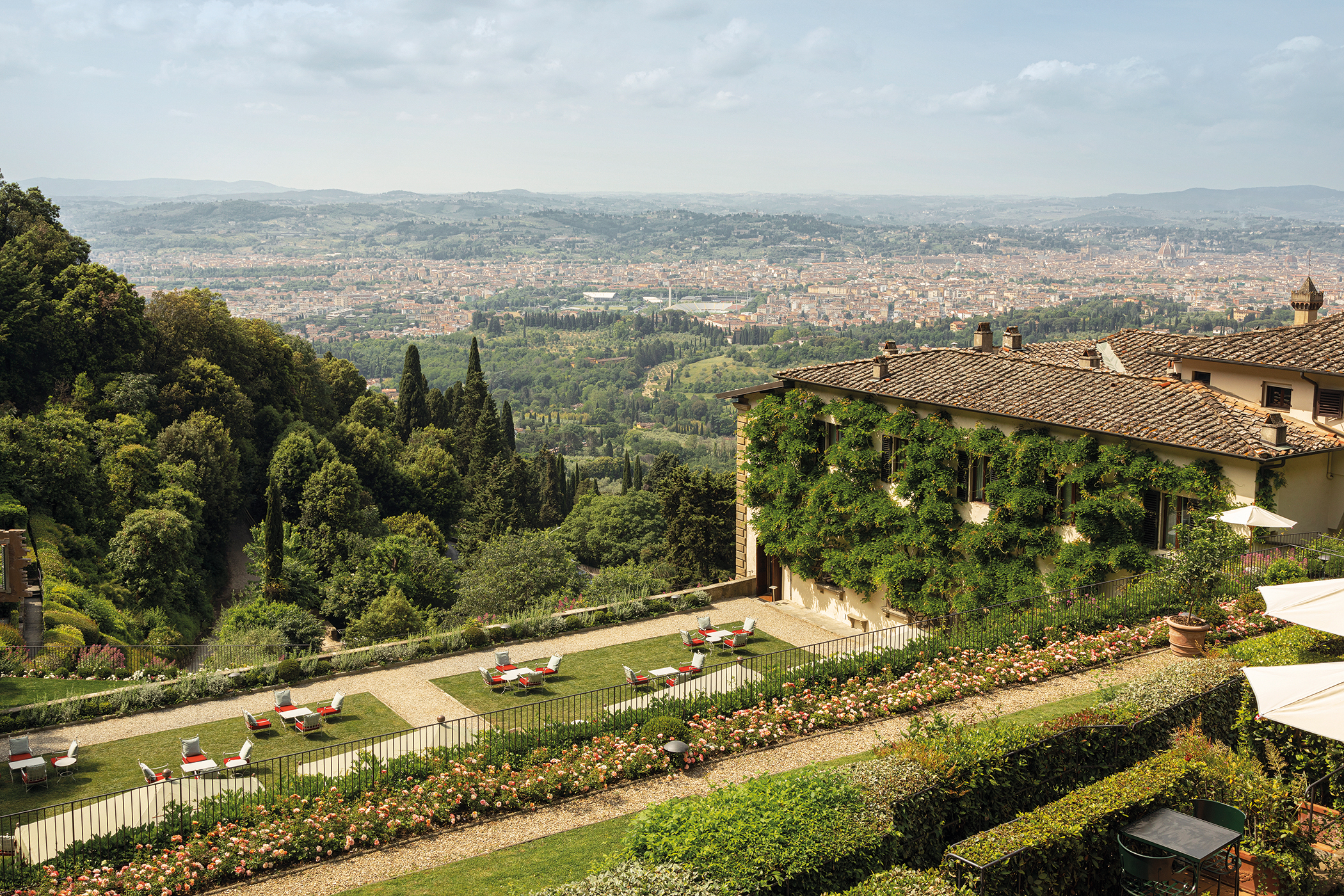
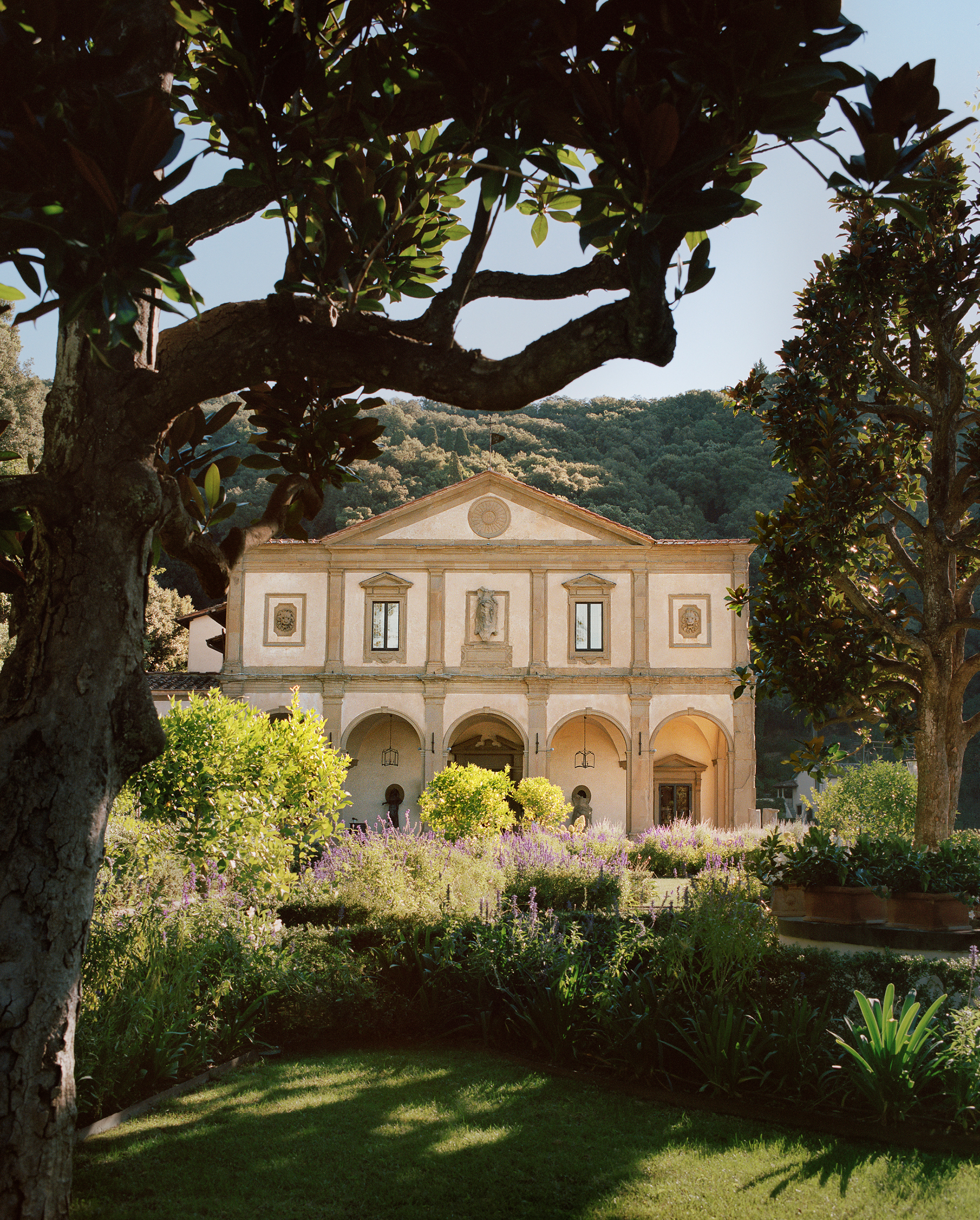
Meanwhile, Villa San Michele has reopened after an 18-month refurbishment. It sits above the city like a delicious slice of almond cake. If there is a better view of a better city from a better hotel in all the world, I would love to hear about it. Things have changed in the 10 years since I was last here, but it has not undergone a full-scale rebuild. Most great hoteliers understand that if you have a property with unbeatable bones, the crucial line to walk is to make it feel like it did before – just fresher, lighter, more generous, sharper.
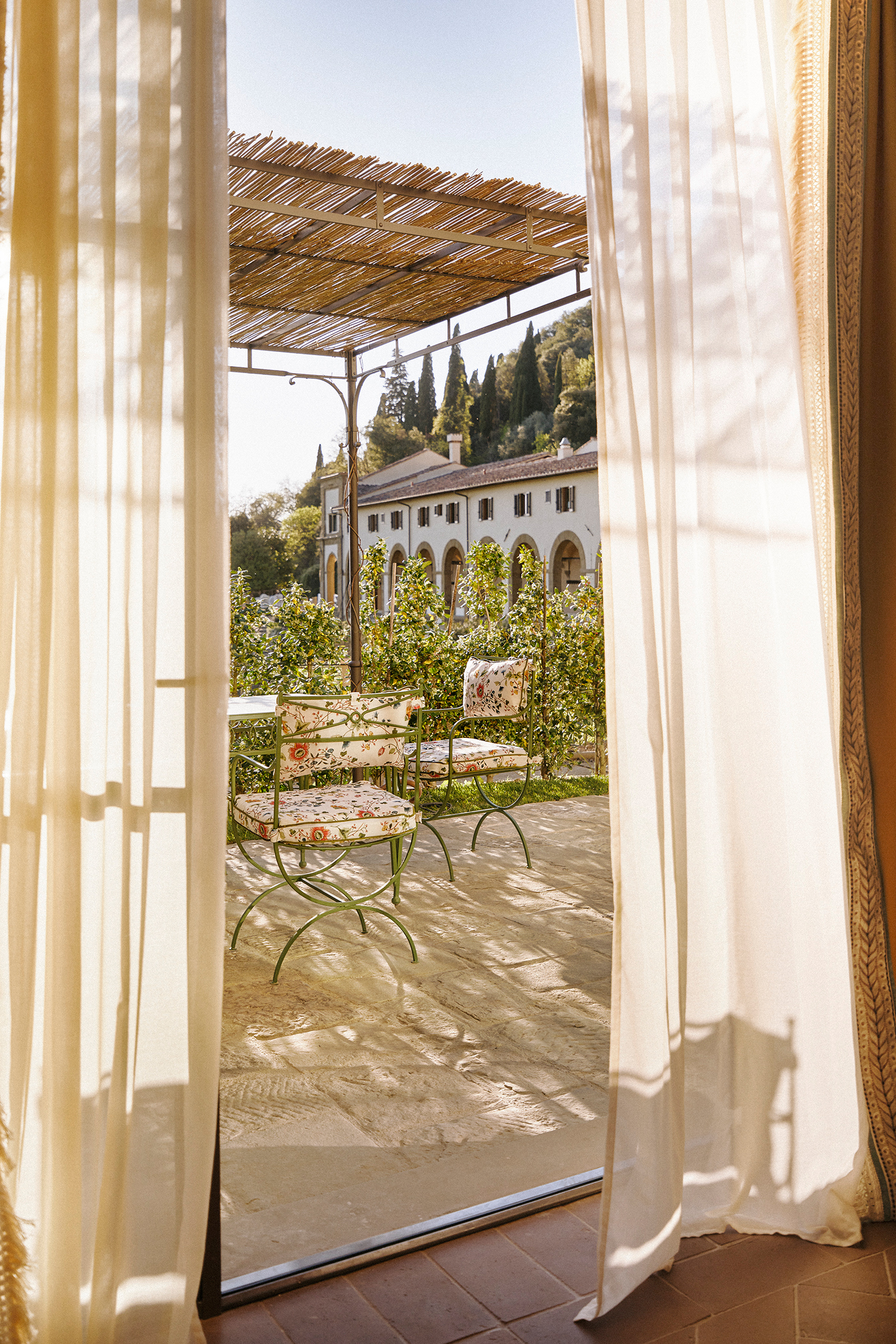
The villa began its life as a 15th-century Franciscan monastery, with a facade attributed to Michelangelo. It stands on the same hillside above the city on which Leonardo da Vinci is said to have tested his flying machines. It is owned by the luxury hotel company Belmond, which I have worked with on and off for years, and whose vision extends beyond its own walls.
The travel industry has been talking about the increasing desire for experiential travel for at least a decade, and the pandemic accelerated that trajectory. Time is precious; the world is precious; the people you love are precious. How do these elements perfect-storm themselves into something meaningful?
At Villa San Michele, exploring is the task at hand, and the access the villa can provide – the prising open of Florence’s admired doors, from churches to ateliers – is immense.
I signed up for every experience time would allow. We stared at the shell grotto at the Medici Villa, where the gardens were a swarm of lemons big as Cinquecentos, and the riot of jasmine smelled so delicious I threw myself at it with abandon. In town we visited one of the most respected art restorers in the world, a man named Daniele Rossi, whose studio is a tiny, utterly stuffed four-room homage to a lifetime of collecting. On one wall a framed set of teeth; on another a cupboard containing plastic babies’ heads, and china doll limbs, and a green Christmas bauble, and a painting of Mary, serene as cream. He showed us all his pigments: drawers and drawers of lapis lazuli and Minio and Rosso de Cadmio.
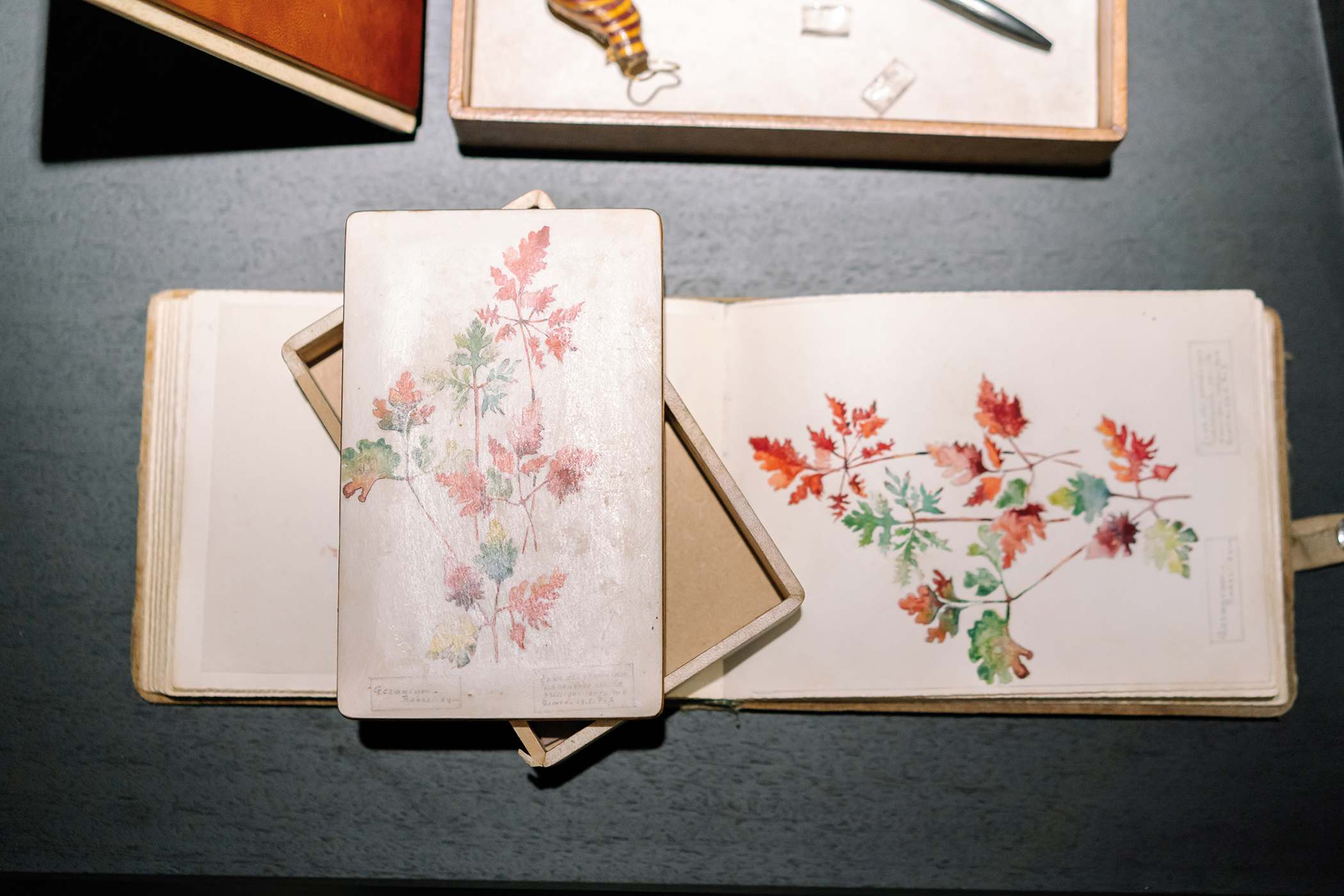
And then there was the tiny atelier of Paolo Carandini: “a man”, our guide said, “who as a boy had fallen head over heels in love with parchment”. In this ladybird-sized studio Paolo showed us his workbench and his bicycle, his rolls of materials and endless creations of every shape and colour.
“And here,” he said, “a box of tears.” The bottles sat, tobacco coloured, in a neat, long line. They were labelled: Tears of Joy, Tears of Love, Tears of Regret, Tears of Grief, Tears of Sorrow. He went on to explain, “Everyone thinks that all tears are the same. But depending on the emotion that produces them, they are made up of very different chemical compounds.” We picked them up and rolled them over one by one in our hands, mesmerised.
Later, back at the villa on the terrace, we focused on liquids of a different kind. My friend was finishing up his martini. A barman suddenly appeared with a new, frozen – but empty – glass. “In Italy,” he said, taking my friend’s drink, “these are l’ultimo goccio, the last drops of a cocktail that are the most precious ones of all.’ He poured the remaining sip into the fresh, chilled vessel. And then vanished as quickly as he’d arrived.
Newsletters
Choose the newsletters you want to receive
View more
For information about how The Observer protects your data, read our Privacy Policy
Mattia Aquila, Adrian Gaut, and Francois Halard