


The Stirling prize, like big awards for literature, film or art, tends to find itself torn between artistic brilliance and social purpose. Does it reward sheer skill and inspiration, or does it recognise work that speaks about equality, justice or real-life stories of struggles against adversity that addresses sustainability, housing need or the design of humane environments for the old or the unwell?
The ideal work, of course, is one that unites both. In which case the winner of this year’s Stirling prize should be the Urban Nature project at the Natural History Museum in London, by Feilden Fowles and the landscape architects J&L Gibbons, where the forecourt of the famous institution has been made into a Jurassic-flavoured garden of rocks, dinosaurs and ancient plants that both educates about the environment and puts sustainable principles into practice. It’s a joyous, fascinating place, the opposite of worthy.
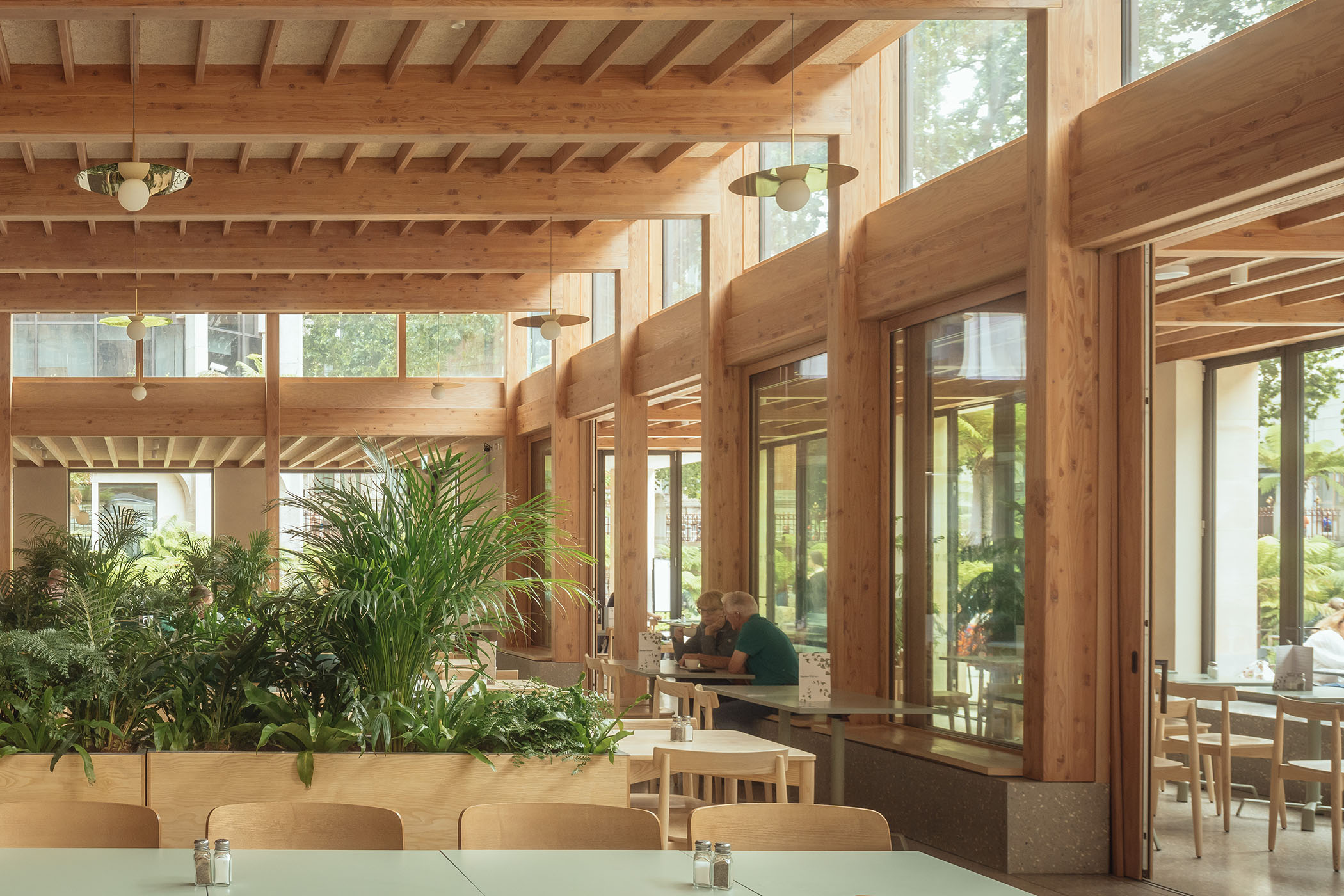
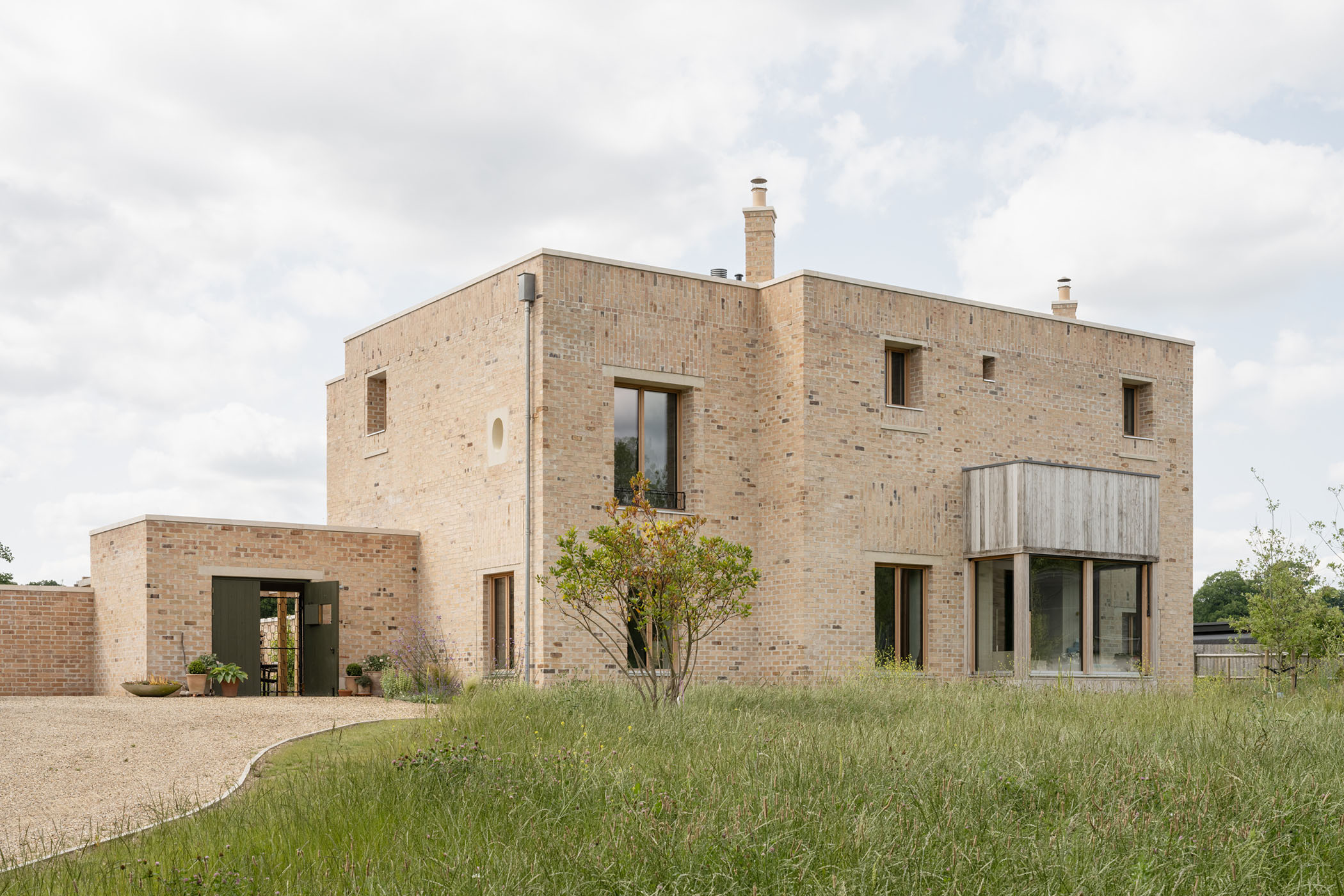
The Urban Nature project at the Natural History Museum in London. Main image, Fairmead High Beach in Epping
It won’t win the prize, though, because it’s not on the just-announced shortlist for the award, which is presented to what it considered “the UK’s best new building”. Perhaps the jury thought it was more about vegetation than architecture, even though it includes two buildings.
In general the list doesn’t seem too concerned with social and environmental purpose. Apart from a partly affordable housing project in south London, it includes a high-specification office block next to Paddington Station, two buildings for Cambridge Colleges, an ample private house on the edge of Epping Forest and the Beam arts centre in Hertford.
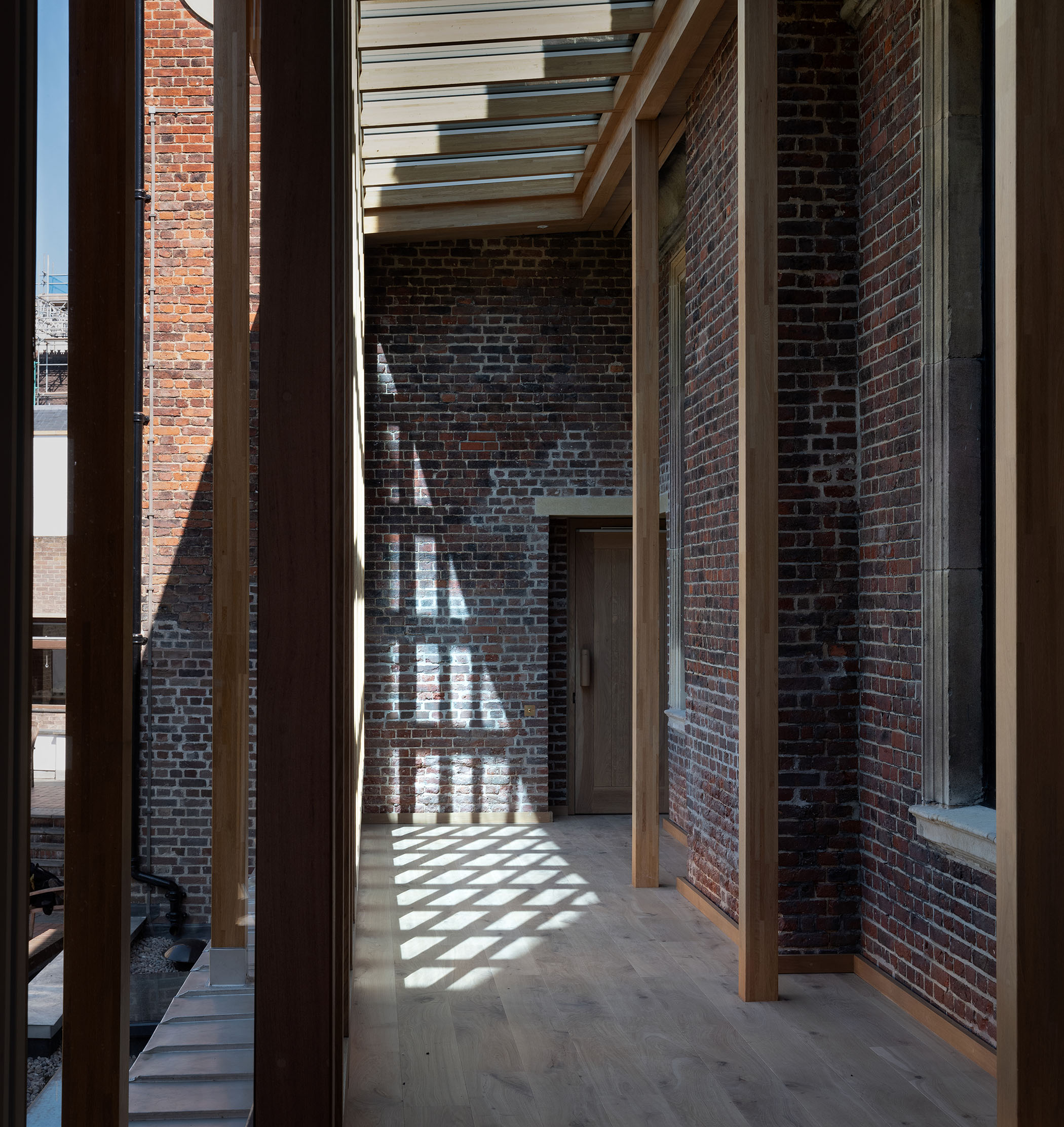
The River Wing of Clare College, Cambridge
It’s quite a posh list, and a very south-eastern one. The jury’s preferences seem to be for craft and quality of detail. The house is a restrained brick box that seeks subtle beauties of light, proportion and material, designed by Sergison Bates, architects who specialise in such qualities. The two Cambridge projects, by Witherford Watson Mann for Clare College and Haworth Tompkins for Pembroke, are similarly restrained and thoughtful.
There’s little attention to the growing belief that it’s good for environmental reasons creatively to re-use old buildings rather than build new, except for Beam, designed by Bennetts Associates, where new auditoria and cinemas are wrapped around an old theatre. Opportunities to champion alternative techniques, such as building with rammed earth, were not taken.
Personally speaking, I appreciate considered craft in architecture. These are all fine buildings, but it still feels like a list that doesn’t move any kind of needle. The two Cambridge buildings, for example, are both by previous Stirling laureates, and are arguably less compelling candidates than the projects with which they won.
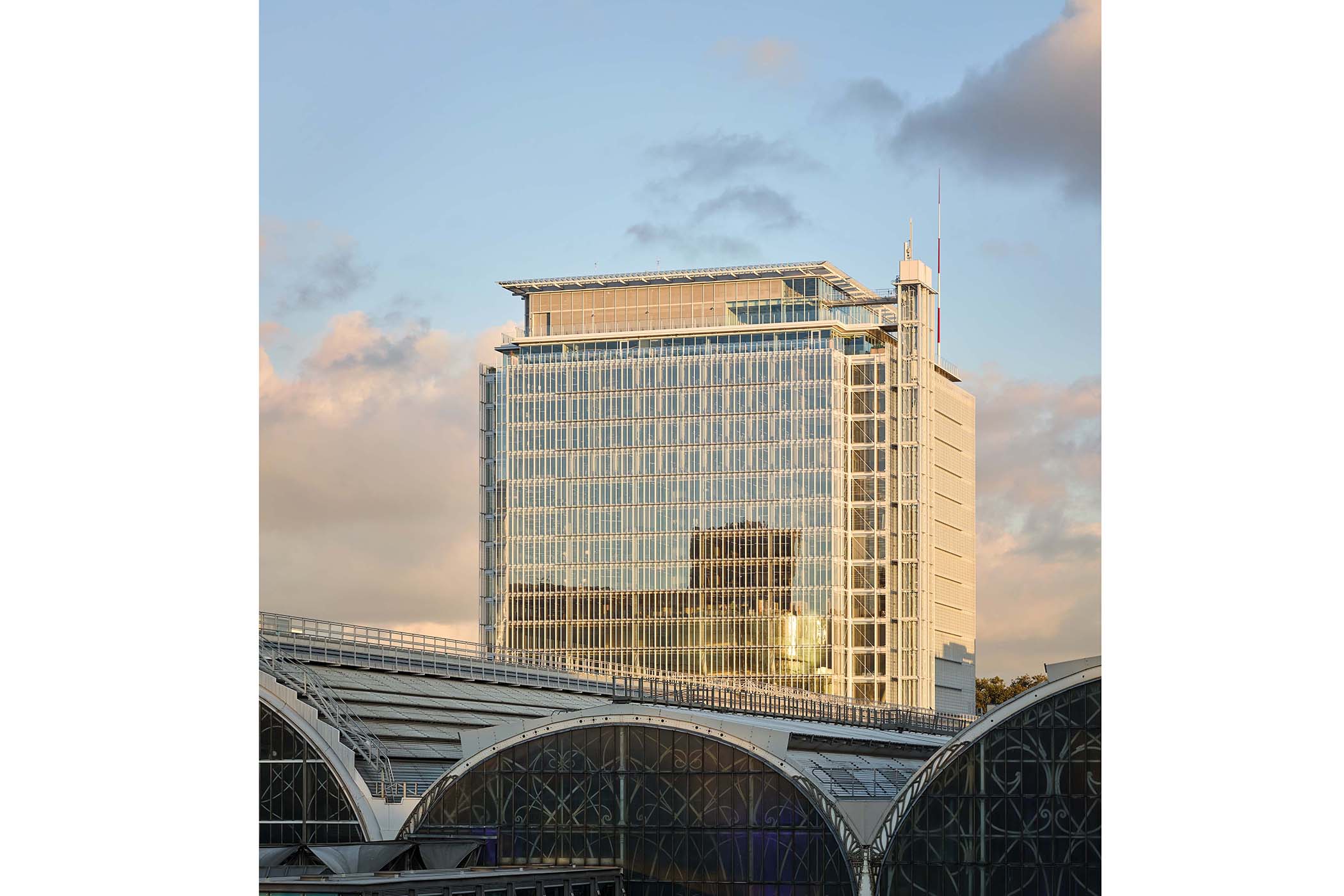
Paddington Square in west London, designed by Renzo Piano Building Workshop
In Urban Nature’s absence the most intriguing candidates are the housing, in Lion Green Road in Croydon, and Paddington Square, designed by Renzo Piano Building Workshop. The first, designed by Mary Duggan Architects, consists of five small towers with crystalline plans, that allow a sloping landscape to flow between them. The other is an 18-storey office block in glass and white steel that combines considerable heft with surprising grace and delicacy, while creating new public space at its base.
For the latter to win would be something of a throwback. Renzo Piano, the leader of the practice that designed it, is an 88-year-old big beast, famous for his work on the Pompidou Centre in Paris and the Shard in London. They are the sort of practice and project that might have won 20 years ago. Yet, for sheer bravura and magnificence, it’s hard to look past Paddington Square.
Photographs by Johan Dehlin, Jim Stephenson. Phillip Vile, Hufton Crow Photography
Newsletters
Choose the newsletters you want to receive
View more
For information about how The Observer protects your data, read our Privacy Policy