
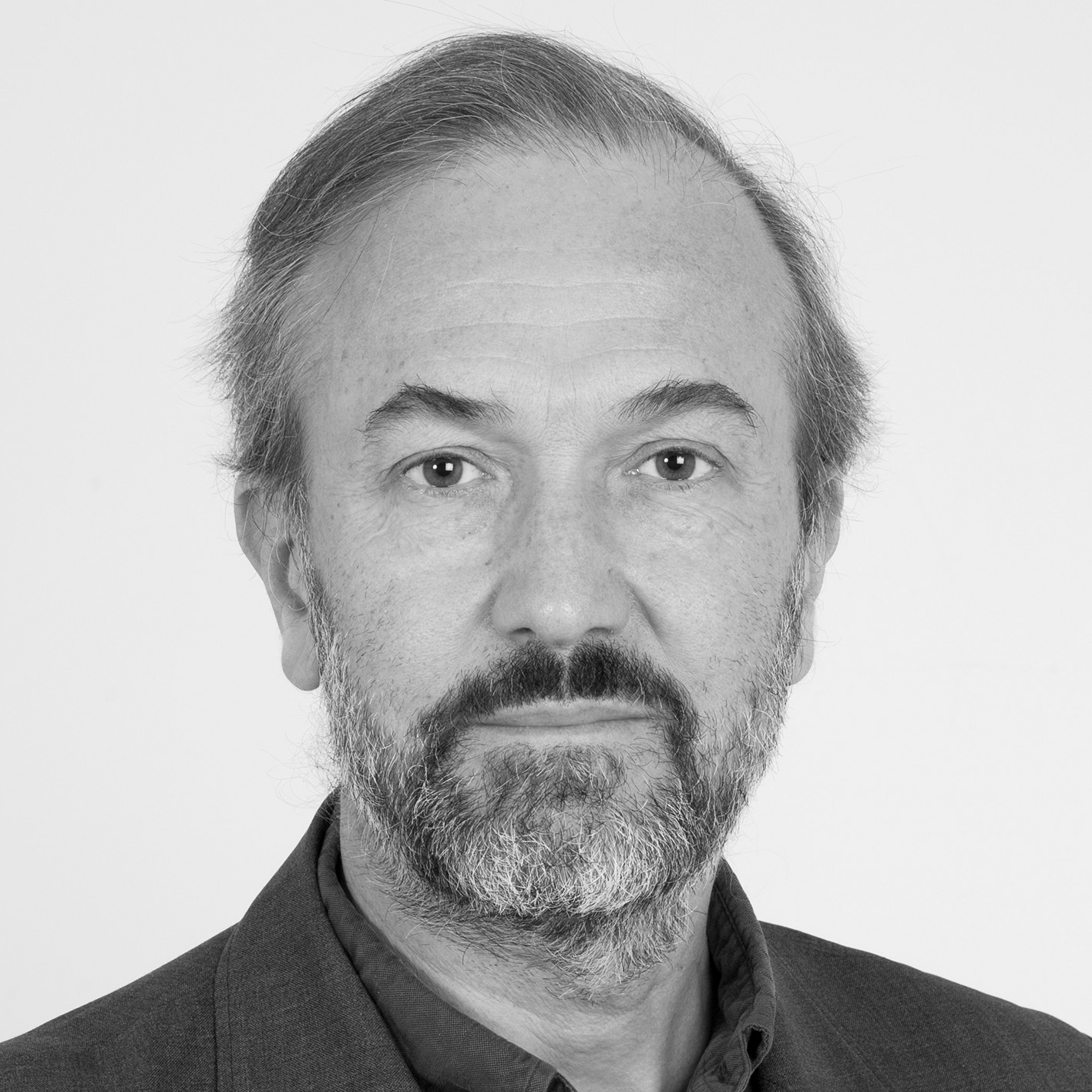
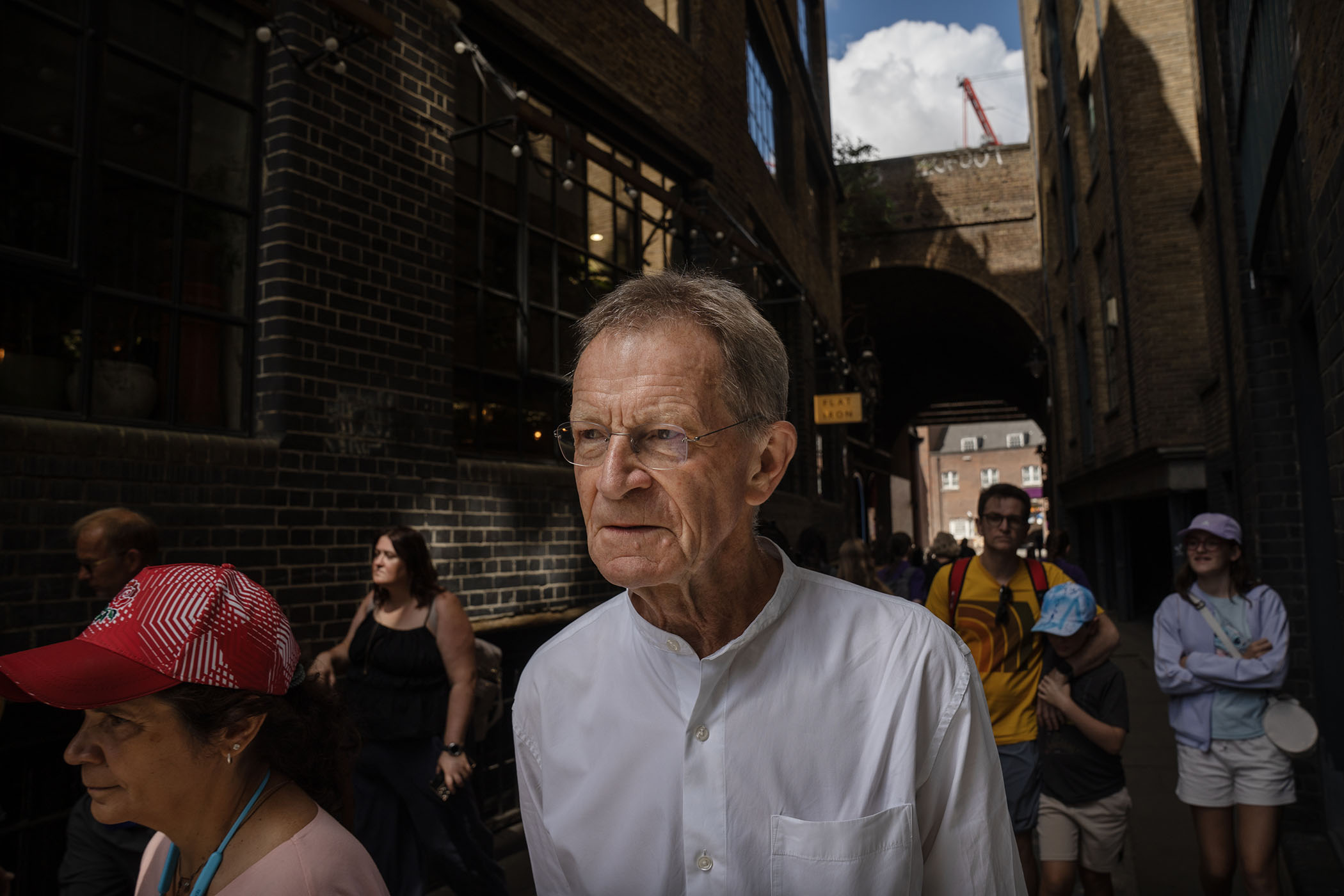
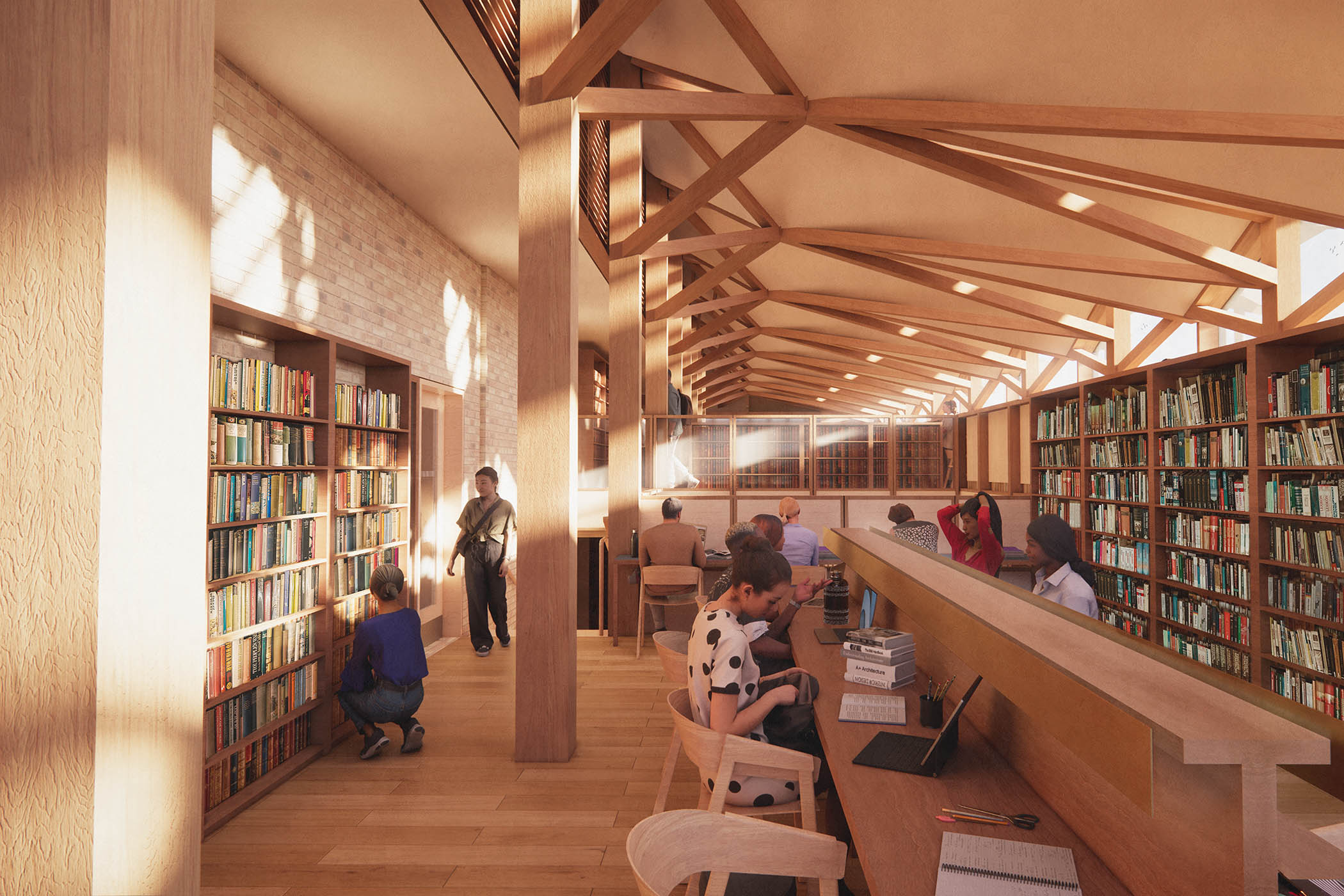
When the V&A East Museum opens in the Queen Elizabeth Olympic Park in April, it will be the culmination of the long and vast project to transform this part of east London with sporting and cultural investment. It will also be a milestone for Jayden Ali, an architect raised in nearby Bethnal Green, whose life and career have coincided with the area’s transformation. When he was a teenager, “part of the generation of grime music”, the still-ramshackle site of the future games was a place of raves and pirate radio. Now he finds himself, alongside the graphic designer A Practice for Everyday Life and the artist Larry Achiampong, designing galleries and circulation spaces in the august institution that has moved to the area.
Ali, 37, has a quick, restless intelligence and endless curiosity. He moves between worlds. He started to make his name with temporary exhibition designs such as the 2022 Fashioning Masculinities at the V&A’s headquarters in South Kensington. He and his practice, JA Projects, have designed a makeover of Queen’s Market in Green Street, east London and a nearly complete social housing scheme in the south-east of the city. As part of a team led by the architects Allies and Morrison that is planning to renew and pedestrianise a swathe of the West End, he aims to ensure that Piccadilly Circus “lives up to its billing in the global psyche”. He is a visiting professor at Columbia University in New York. “I know what it’s like to be at the margin and at the centre,” he says.
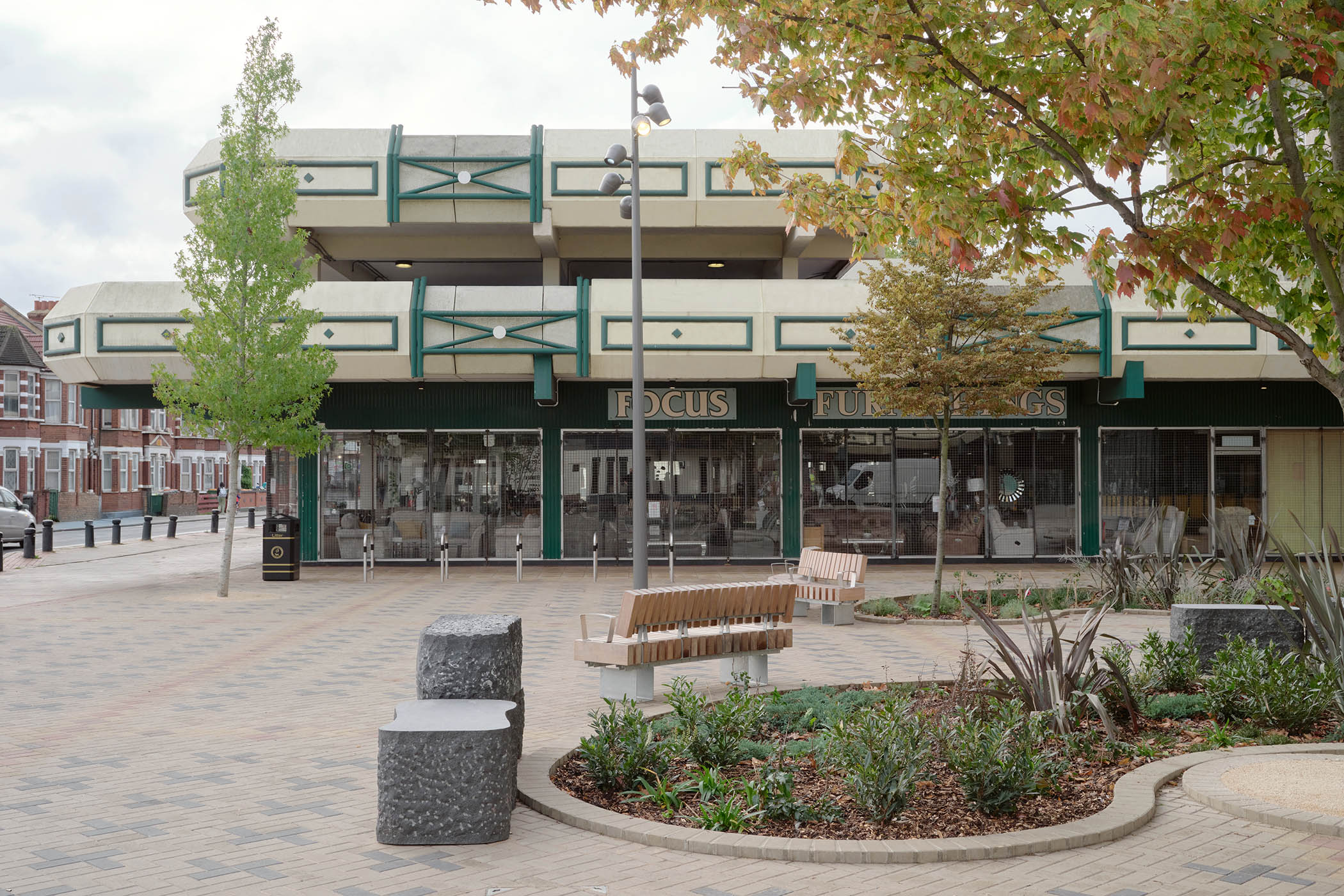
The work of his practice has no fixed style but responds to the range of his commissions and to the lives that go on in them. “We’re testing not being boring,” he says. For Queen’s Market, JA Projects designed sturdy timber canopies to create a sense of stability above the intense array of produce underneath, fronted with lacy gold-hued arch-shapes, a touch bling, that announce the market to the street. Their exhibition designs use rich, deep colours and lush surfaces. Their housing on Tustin Estate, Peckham, near the Old Kent Road, aims to bring out the best of the existing 1960s architecture, with low brick blocks that shape sheltered courtyards planted, among other things, with palm trees.
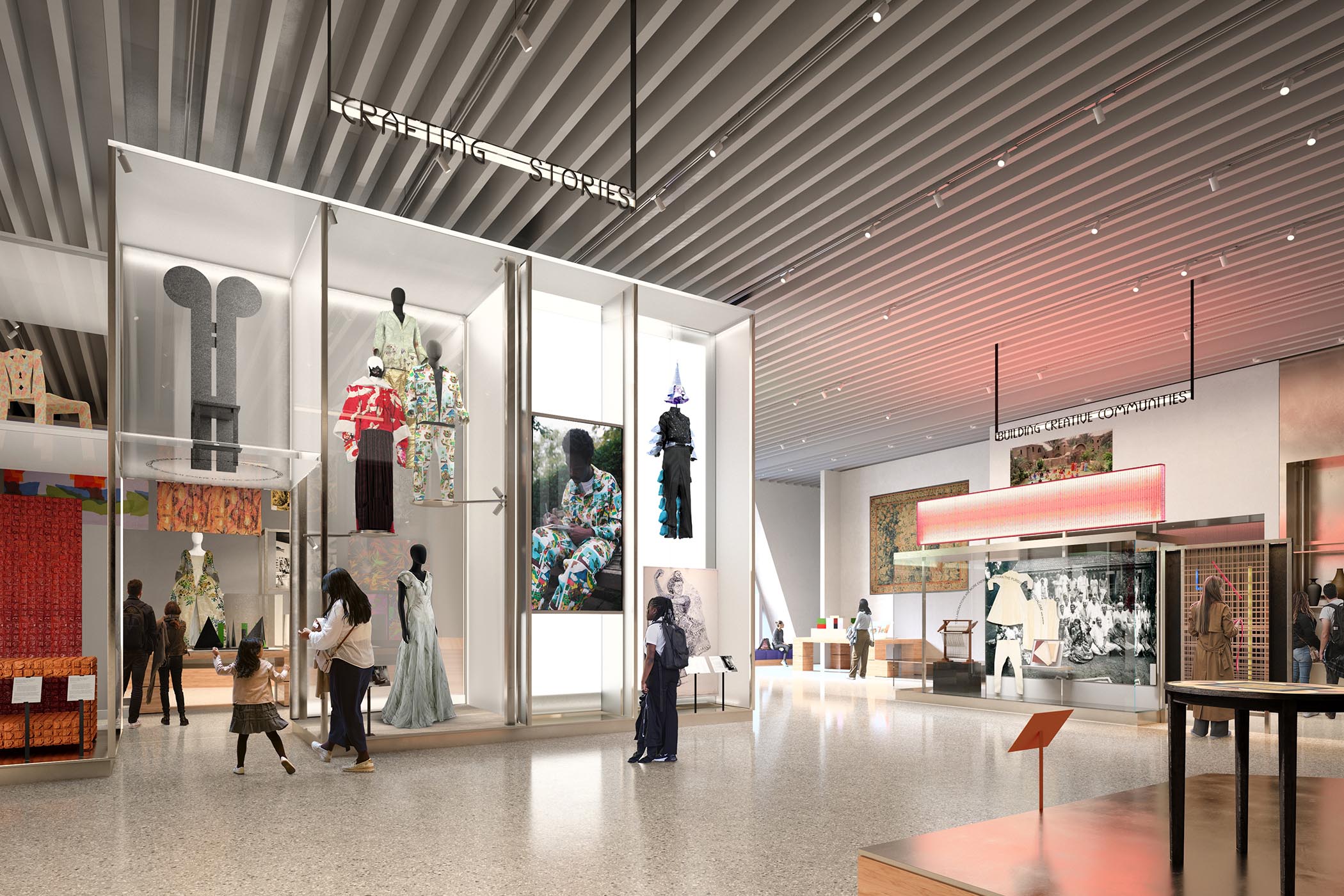
JA Projects has designed galleries and circulation spaces at the new V&A East, which opens in April
Ali has a knack for making the most of a given situation. After he “kind of got kicked out of school at 15”, and feeling cramped in the two-bed flat he shared with his mother and younger brother, he took over what he calls a “caretaker room” on an upper floor of the Peabody estate where they lived. It “became a recording studio, you could play music there really loud”, and although it had no running water nor toilet, he made it his base for his work as a producer and grime MC – a place for “gathering my friends to do stuff”. “I had an architectural conundrum which was I didn’t have enough space,” is how he describes it.
The East End was “amazing for its development”. There were clubs in Shoreditch where “you’d have Tracey Emin in the corner” and “in the distance you always had the steaming lights of Canary Wharf”. Ali would cycle there and sit next to the yellow floating bridge designed by the hi-tech architects Future Systems. Then, with the help of a maths teacher, he won a placement at Allies and Morrison, then working on the Olympic Park. At 18, he found himself involved with the remaking of the “hallowed ground” where he and his friends had danced.
He made himself another opportunity during his time as a student of architecture while working as a playworker at a school for boys with social, emotional and mental health difficulties; his job was to “take them to playgrounds and youth centres and places where they could feel comfortable”. The school needed a new classroom, and as the headteacher hadn’t been getting “great vibes” from the architects he’d approached, Ali volunteered to “scope out” the project. He designed it, eventually charging at a rate of £12.50 an hour. “I had no idea what I was doing,” he says, but it ended up being “a good, solid building, which I think revolutionised the school”. Its location meant that the children had more immediate access to the outdoors where they “could blow off steam”, rather than stay put in a corridor, where “major incidents” were most likely to happen.
JA Projects designed a makeover of Queen’s Market in Newham, east London
Ali comes at architecture from different angles from most in his profession. He sees the events he used to organise with his friends as an activity related to the making of buildings: a matter of bringing people together in spaces. He is inspired by the decoration of his grandparents’ home “in a classic Turkish Cypriot way, with a rainbow technicolour carpet, golden wallpaper and gold framed photos of family members everywhere”.
He is fascinated by canonical works, such as the “spiritual” Kolumba Museum in Cologne, designed by the revered Swiss architect Peter Zumthor, which he has visited four times. “I will go on pilgrimages to understand space,” he says: at a pyramid site in Mexico, “I lost my mind”. Aztec monuments and his grandparents’ wallpaper are, for him, both manifestations of the art of making spaces.
In all of this he is conscious of his position as “a part-Trinidadian, part-Turkish, slightly cockney-sounding, black-appearing young man”, as he once put it. It gives him a freedom to define his own version of architecture and distinctiveness in a predominantly white profession, where there are a whole lot of assumptions to overcome. “I know what it’s like to be beside a grand project and not see yourself reflected,” he says. In his design for Entangled Pasts, the Royal Academy’s 2024 exhibition on colonial legacy, he addressed this issue by placing angled mirrors such that reflections of the bust of a black man appeared alongside the heads of Da Vinci, Titian, Reynolds and other white men that are part of the Academy’s permanent decor.
“I’m interested,” he adds, “in how a city works and how people have access to it.” This does not mean “everyone has to see themselves in every building, but people should know that there will be places where they see themselves reflected, whether they are white Eurocentric men, queer, Asian”. It is about “how can you feel truly free, and not just from a black perspective”.
Newsletters
Choose the newsletters you want to receive
View more
For information about how The Observer protects your data, read our Privacy Policy
He sees cities as “cacophonies” of multiple identities, which can inform and inspire each other. (“I don’t have to be of a certain cultural background to appreciate a Hockney or a Hogarth,” he says.) The diversity of JA Projects’ works are beginning to give shape to such multiplicity. V&A East, an old imperial institution transposed to new ground, will be the next stage of this exploration.
Photographs by Rick Pushinsky/©Thomas Adank/©JA Projects