
There was a time when a regional art gallery or museum in need of more space might end up with a big shiny lottery-funded building, in the signature style of a well-known or up-and-coming architect. Possibly they would provide more accommodation than the institution knew what to do with. Those days have mostly gone. Now money is tight, and it’s a matter of negotiating thickets of public procurement procedure to achieve anything at all. The Arts Collective, just opened in Northampton, is a case in point: its art lies in its creation of a new cultural place out of the coils of bureaucracy.
At the Arts Collective, art is both made and displayed. It combines studios and galleries, and “multiple community spaces” including the Northampton Rooms, which are a version of the banqueting suites you might get in public buildings, but not as you know them. It is housed in a handsome 1930s building – approximately neo-Georgian in style and built in local honey-coloured stone – that was formerly the offices of the local council. The £5.2m refurbishment is the work of many hands: artistic, architectural, curatorial and constructional. The spirit of the finished work is artistically infused civic.
The project has been driven by the Arts Collective’s director Emer Grant who worked for years with a tiny team (for a long time her and one other) to acquire the lease on the redundant building, raise funds and get the building works done. The object, for her, is to make a place where you might see work of international quality, which is also closely connected to its local communities and which supports the work of artists in the area.
An interesting aspect here is that while the project was in progress, Reform took control of the council, not obviously sharing the same values
An interesting aspect here is that while the project was in progress, Reform took control of the council, not obviously sharing the same values
You can wander in here to pass the time, as you might in a public library, have a coffee, rent a studio or a temporary project space, attend a dinner club cooked in a community kitchen, or hire them for a wedding or a birthday party. You can view a permanent exhibit from the archive of the Northamptonshire Black History Association that focuses on the Rastafarian Matta Fancana Movement.
The designers of the conversion include the businesslike Northampton-based architects pHp and the whimsical artists Studio Morison, whose previous works include a giant pink pineapple-shaped pavilion at the National Trust’s Berrington Hall in Herefordshire. Grant also employed Sean Griffiths, formerly a partner in FAT, a practice that combined wit, mischief and intellectual seriousness to powerful effect. Here his role was to be what he calls “a kind of design curator”, to coordinate what could have been an unmanageably disparate array of approaches into a whole whose diversity is its strength, while also giving practical advice on such things as the location of the entrance.
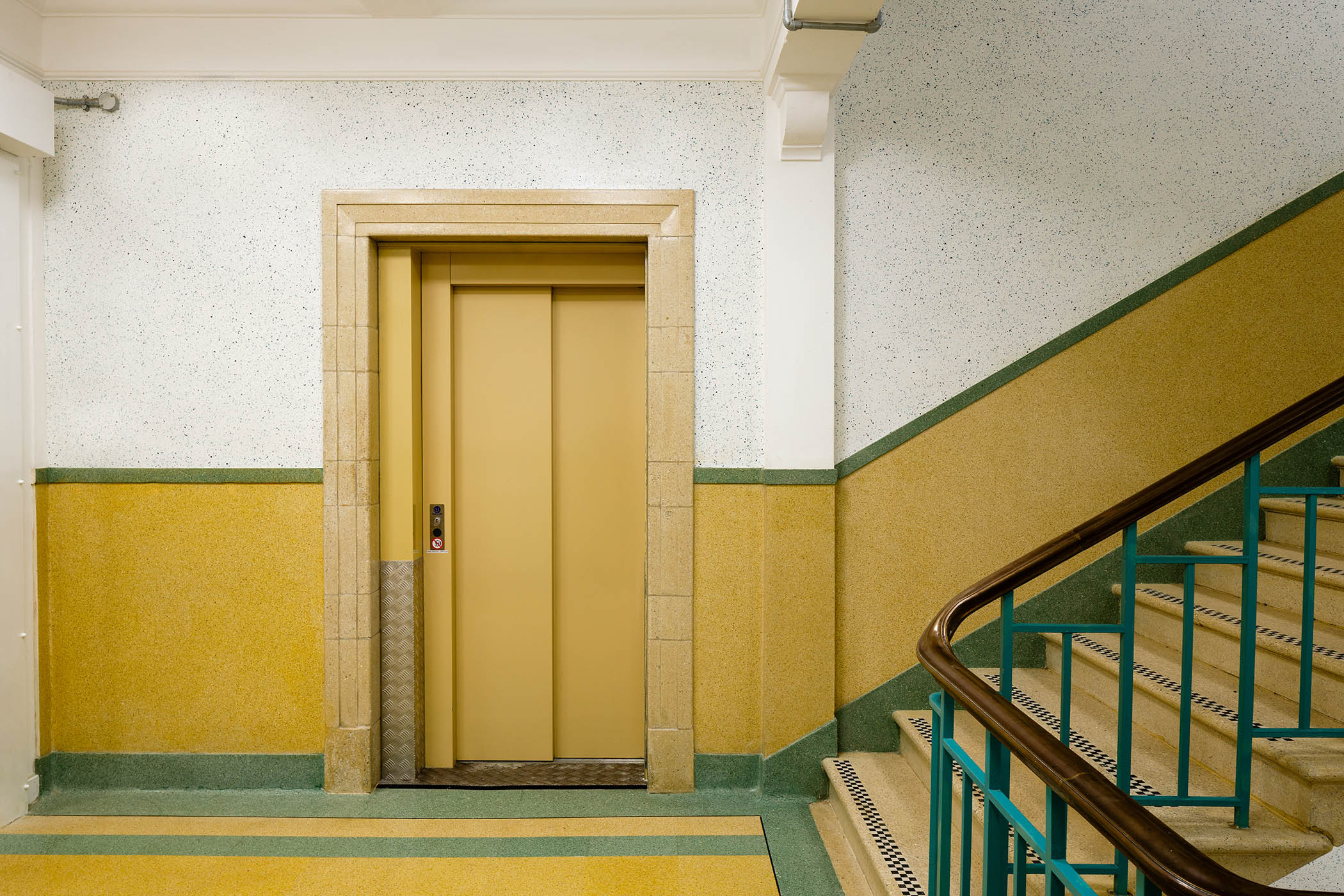
A large part of the work was to bring out the glories of the original building, which was financed with the help of wealth from the local industry of shoe-making, in particular elegant stairs and terrazzo floors buried under carpet tiles. A lift and an external ramp were installed for accessibility.
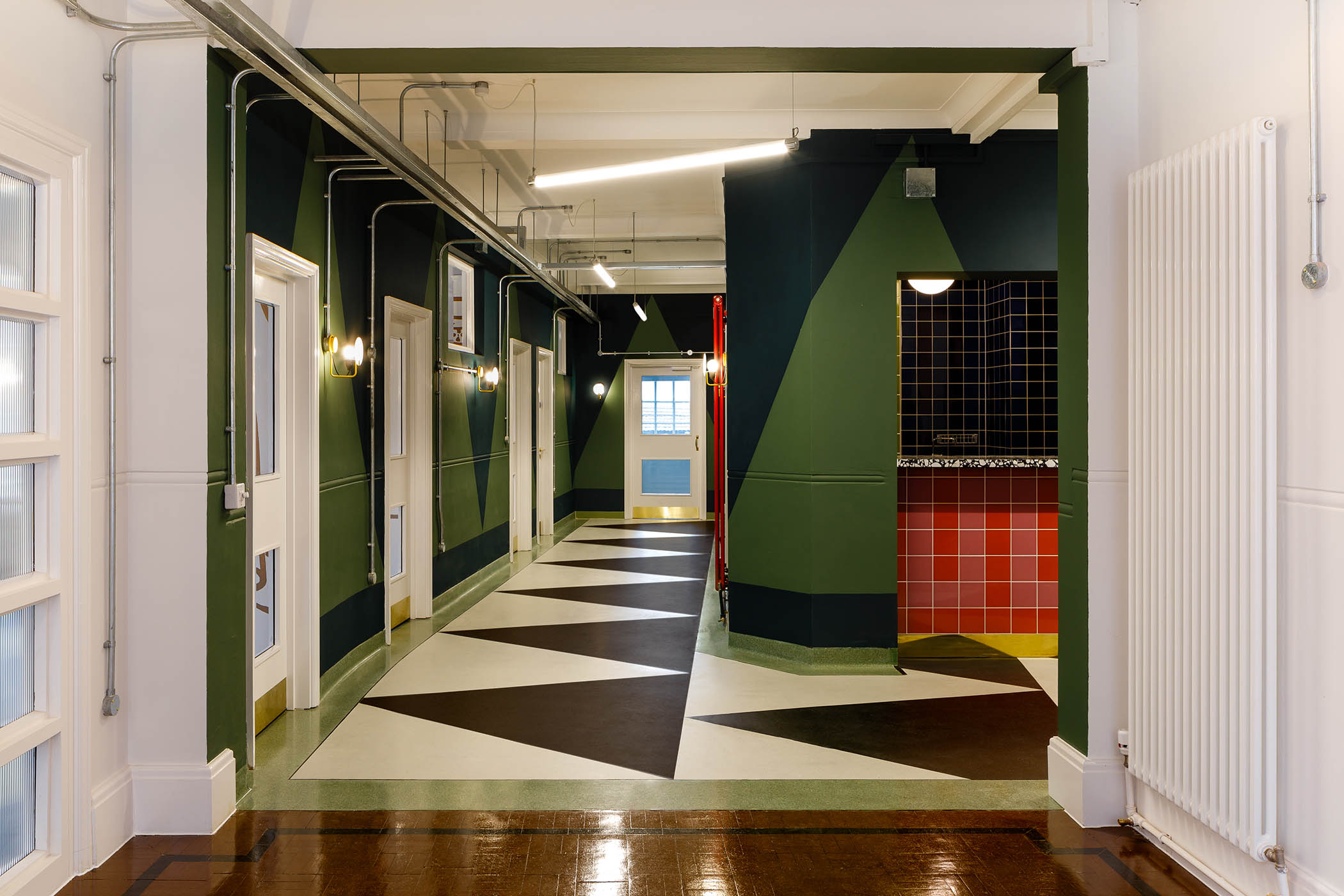
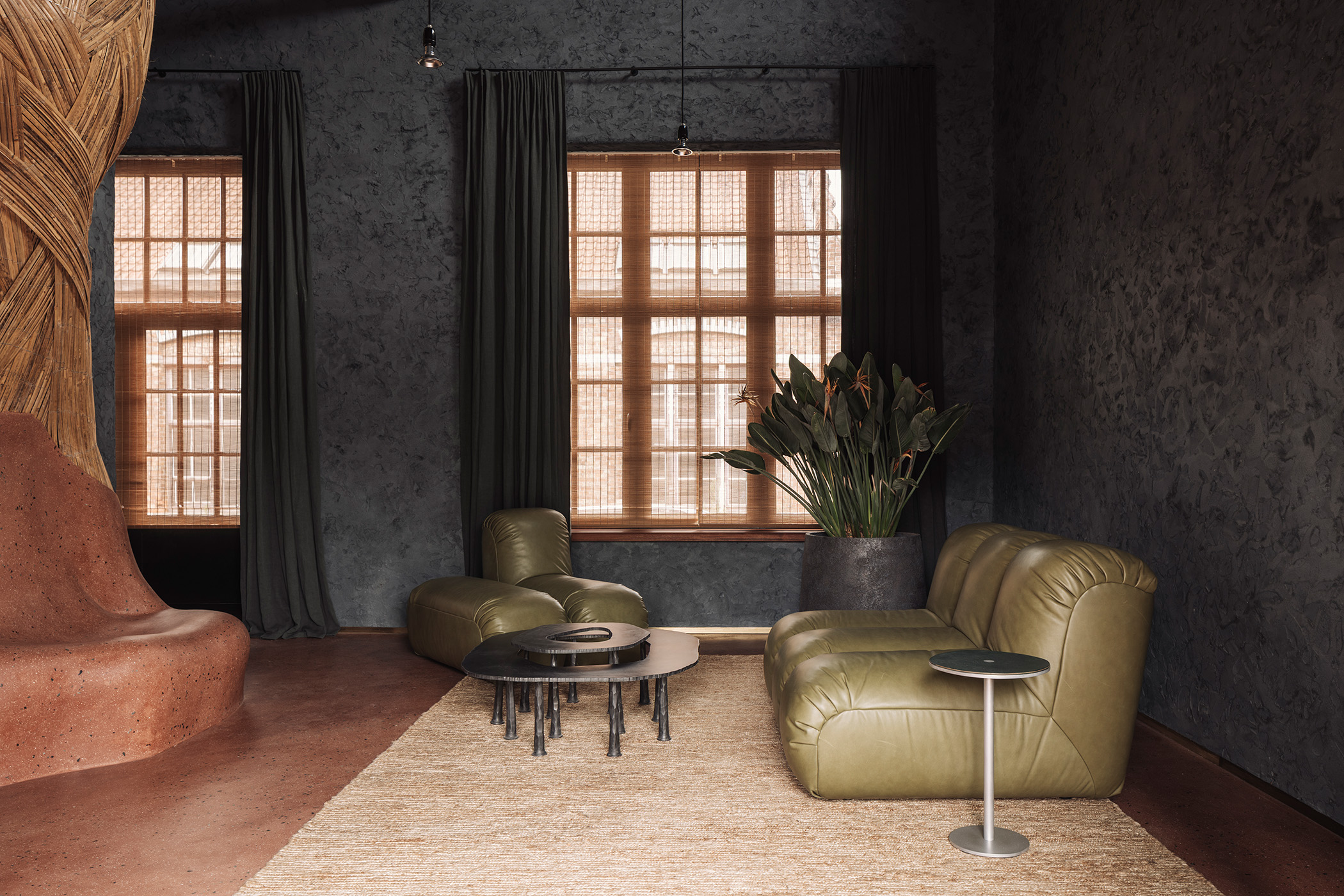
The building then became a not-so-blank canvas for multiple different interventions, which land with varying degrees of success. Of these, the most alluring are the Northampton Rooms, described as “a living work of art”, put together by the artist Giles Round, who works across disciplines. He riffs on local architecture, with gridded woodwork inspired by a nearby house by Charles Rennie Mackintosh, and floor patterns derived from a beloved public swimming pool. The outlines of flouncy curtains, like those in town hall function rooms, are drawn on to the walls with gold paint; furniture includes a long table and chairs in sculpted hardwood, inspired by the west African heritage of their designer Foday Dumbuya.
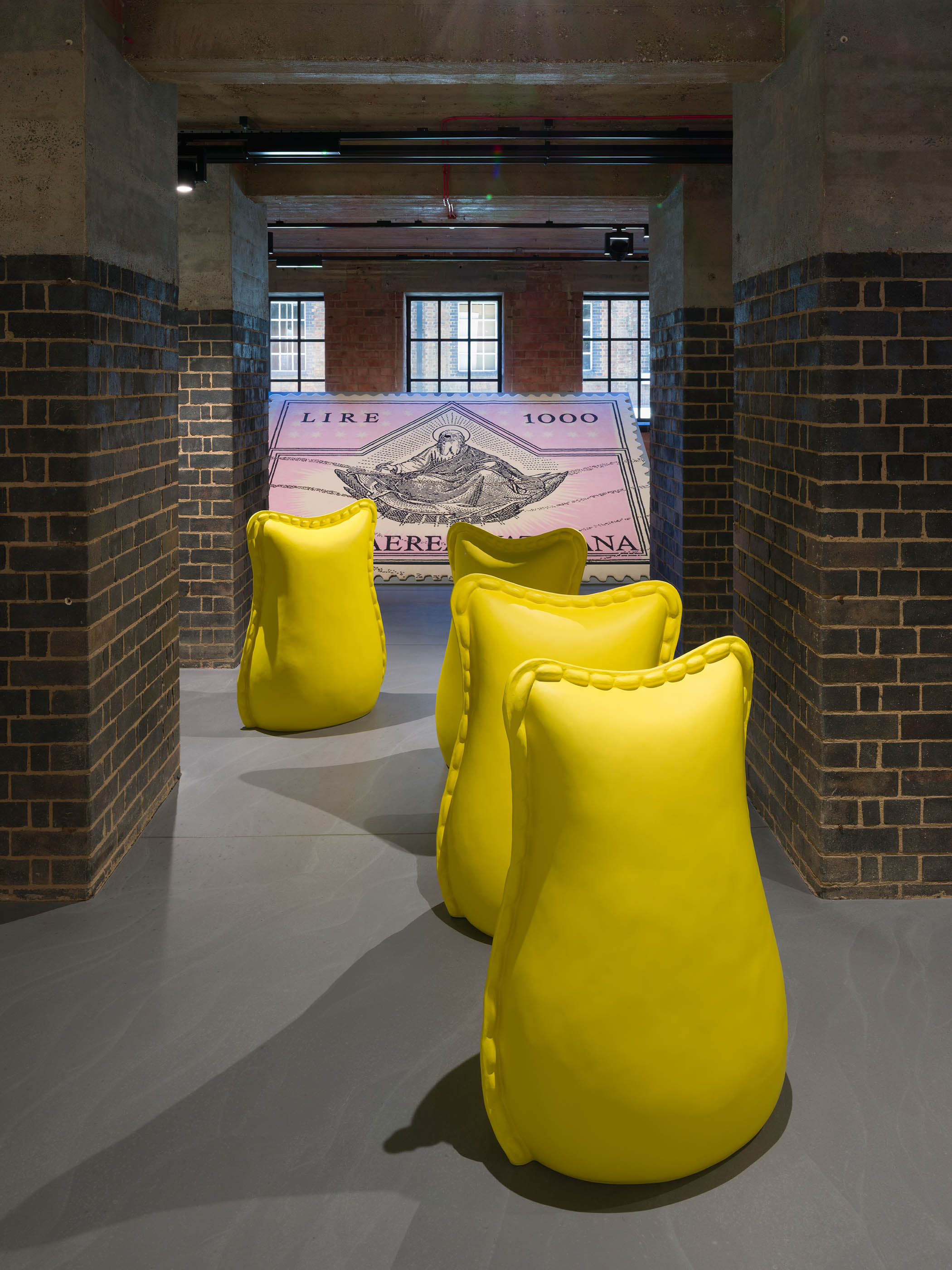
Griffiths contributed a tiled entrance hall that somehow makes something beautiful out of a palette of greys, beige and pale blue – a kind you might see in 20th-century governmental buildings; it is described by Grant as “Stasi chic”. A basement exhibition gallery, containing an opening show of the Northampton-born artist Rose Finn-Kelcey, has been formed around the sturdy brick pillars of the original building, to make a characterful room that is very much not your usual white cube. The first-floor studios are simple, basic affairs.
So Arts Collective is an open and open-ended place, an ongoing work in progress that celebrates and enables multiplicity. An interesting aspect here is that while the renovation was under way, Reform took control of the local council, not obviously sharing the same values. So far the council leaders have supported the project, and at the time of writing they were due to turn up at the opening. Grant believes that Arts Collective and Reform can find some common ground in their shared interest in the local. She would also see it as a sign of success if members of Nigel Farage’s party can share a building with feminist art, black history archives and migrant-designed furniture.
Photographs by Melanie Issaka
Newsletters
Choose the newsletters you want to receive
View more
For information about how The Observer protects your data, read our Privacy Policy