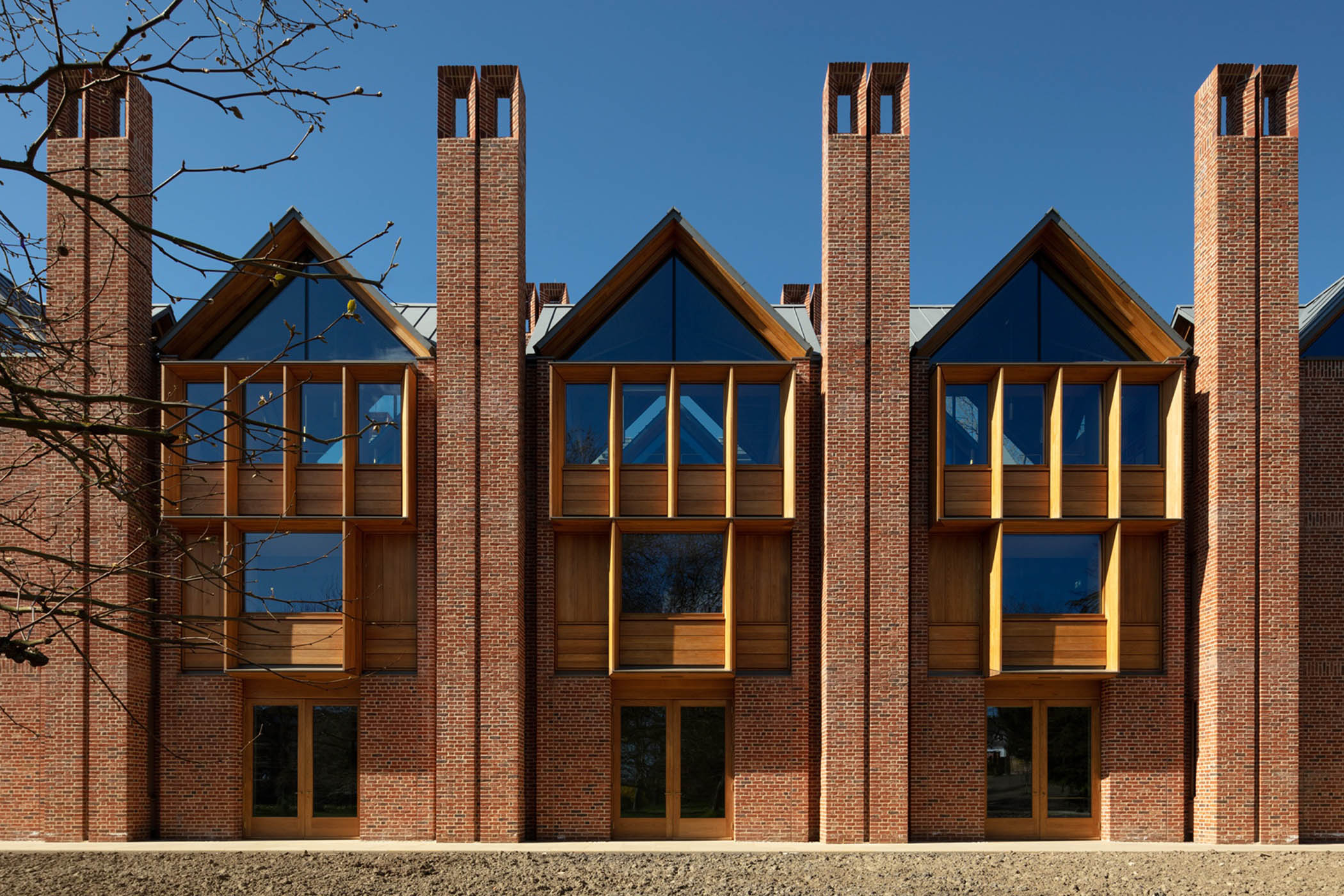

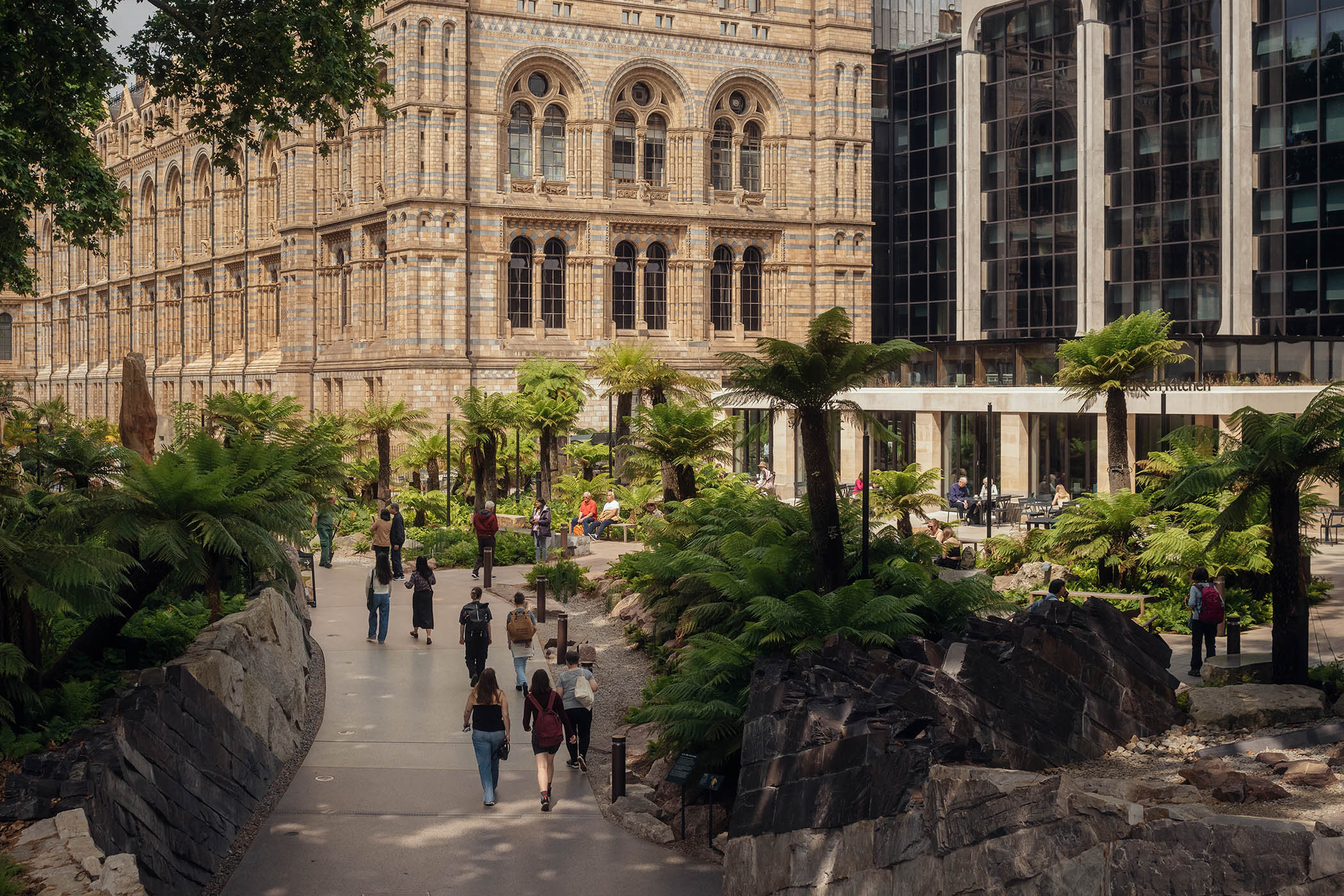
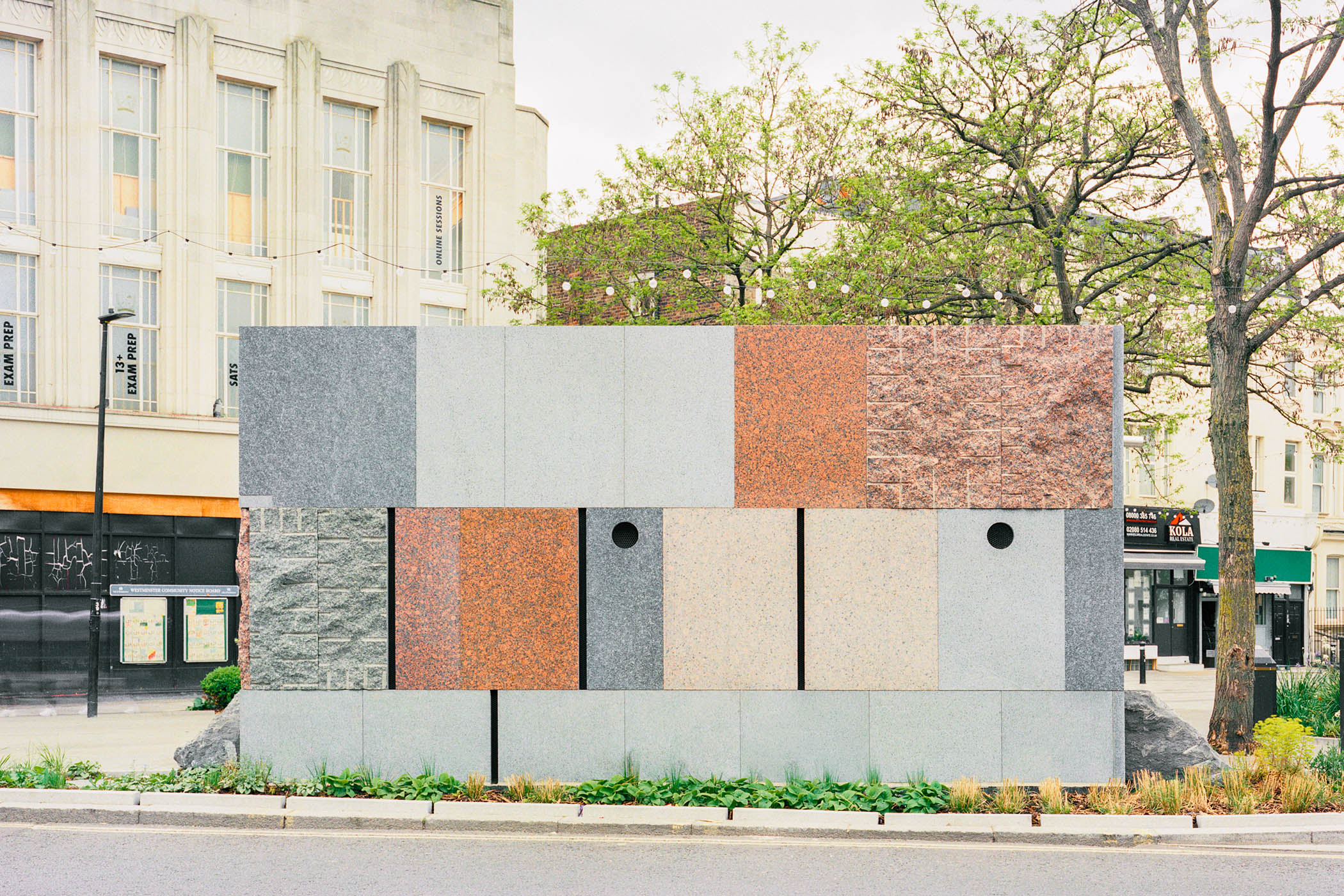
Níall McLaughlin does what the best architects have always done: he works with the materials of buildings, the ways they are built and the fall of light to make spaces that enrich the life going on in and around them. His work is crafted, inventive and appealing. It helps you to feel good.
It has earned him this year’s Royal Gold Medal for architecture, given by the king on the advice of the Royal Institute of British Architects, won by most of the biggest names in architecture since it was founded in 1848. McLaughlin’s output is not at the scale of some past winners: so far he has no airports, skyscrapers or major museums to his name – instead homes, university buildings and places of worship and health made with skill and care.
McLaughlin, who was raised and educated in Ireland, has been running his practice in London since it was founded in 1991. A characteristic project is a respite centre for people with Alzheimer’s, completed in Dublin in 2008 – a series of interconnected pavilions within an old walled garden that create peaceful and secluded courts, built in warm brickwork and timber. The design, he says, is about “how to situate yourself in time and space”.
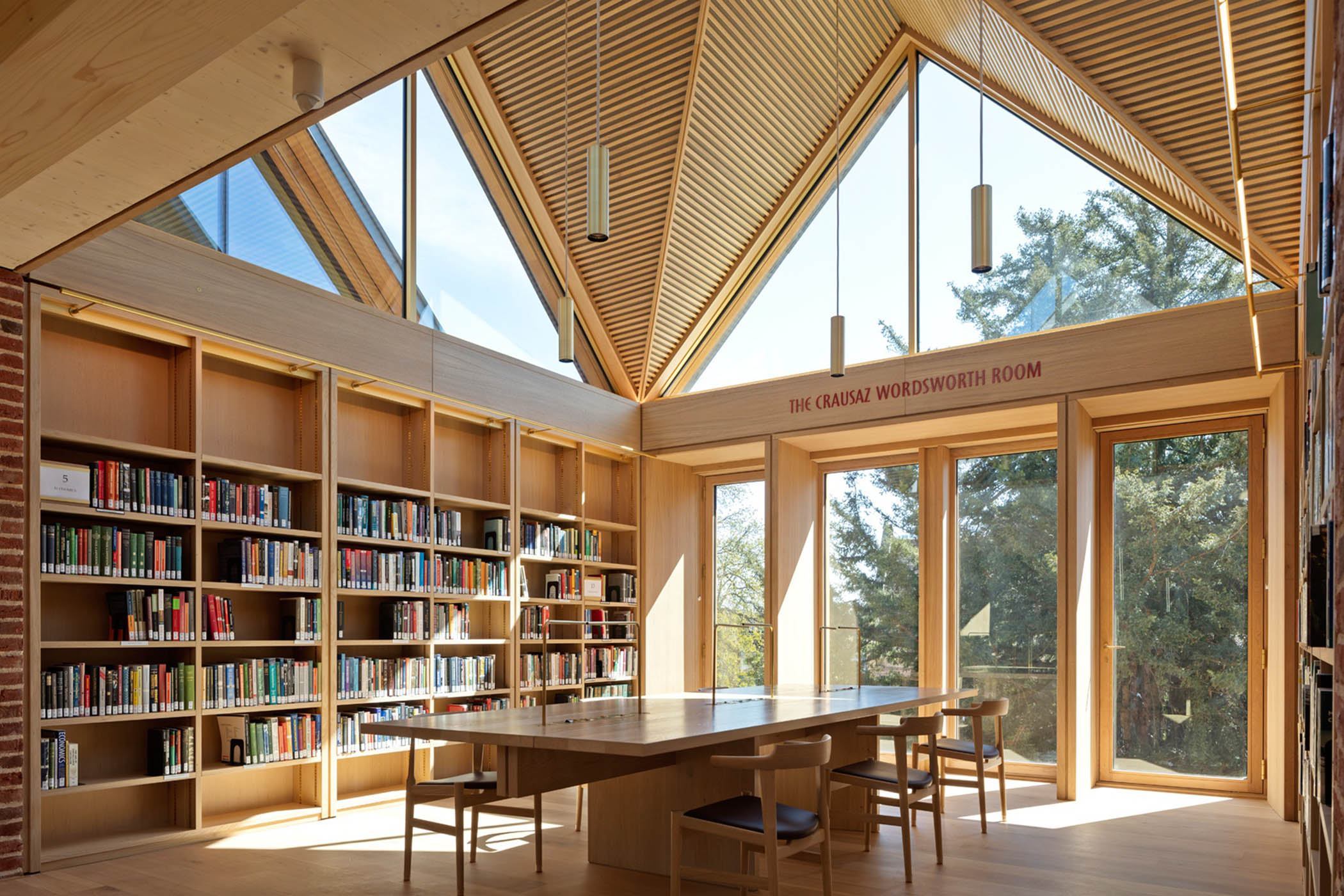
The Crausaz Wordsworth Room in the New Library at Magdalene College, Cambridge
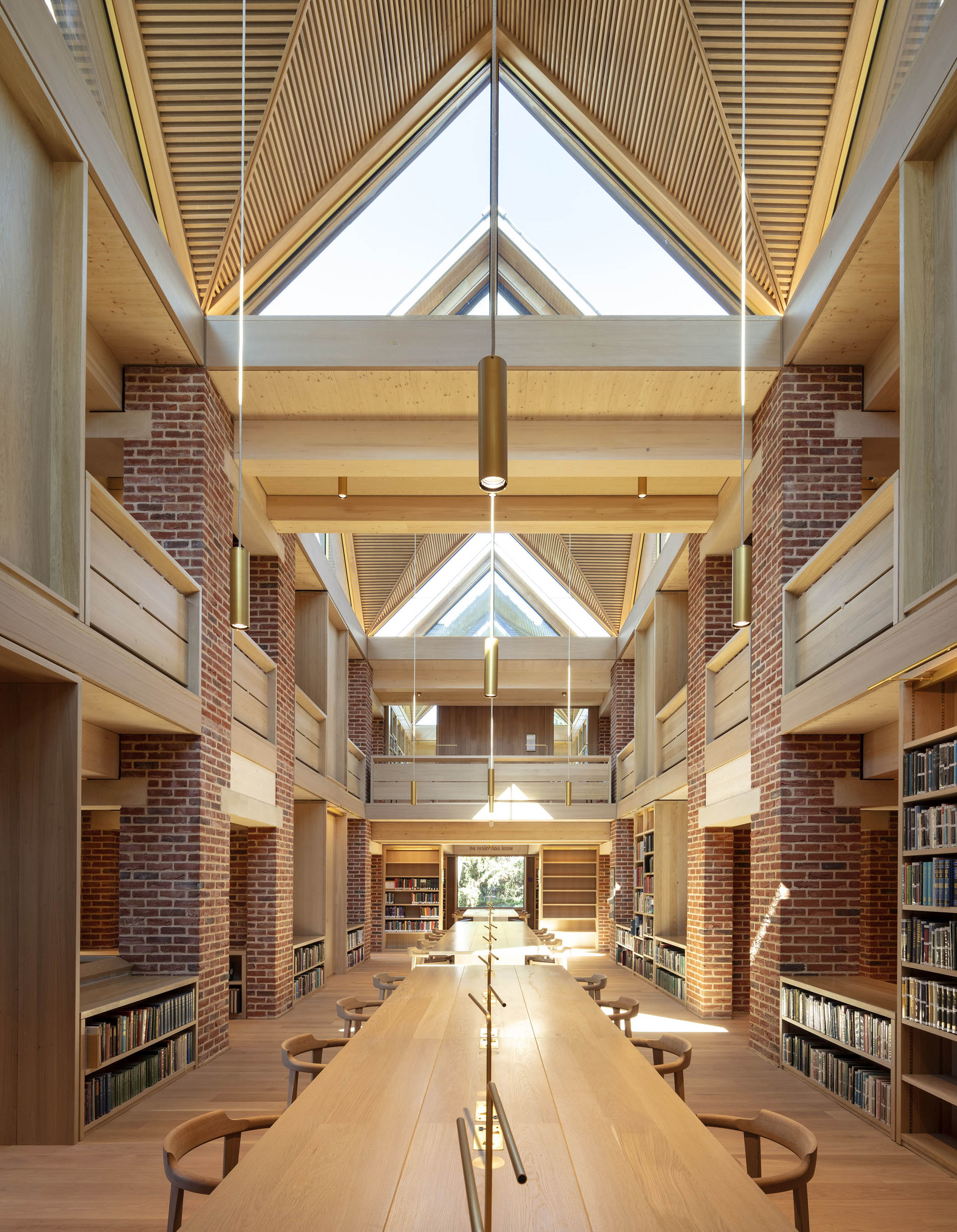
For people disoriented by dementia there’s a clear benefit in this approach, but it also pervades his other projects. In designing the New Library at Magdalene College Cambridge, which won the 2022 Stirling prize, the “first question was: what do you need when you sit to read a book?” The answer was oak-lined niches and bays set between sturdy brick pillars.
McLaughlin says he’s “happy and unembarrassed” to talk about “the sense of transcendence” that he seeks in his architecture, which would be one reason why he is popular with a wide range of faiths. He has designed places of worship for liberal and orthodox Jews, Anglicans, Carmelites and Ismaili Muslims, and a cathedral is rumoured to be in the pipeline. All, he says, are looking “for the mystery at the heart of our being here”.
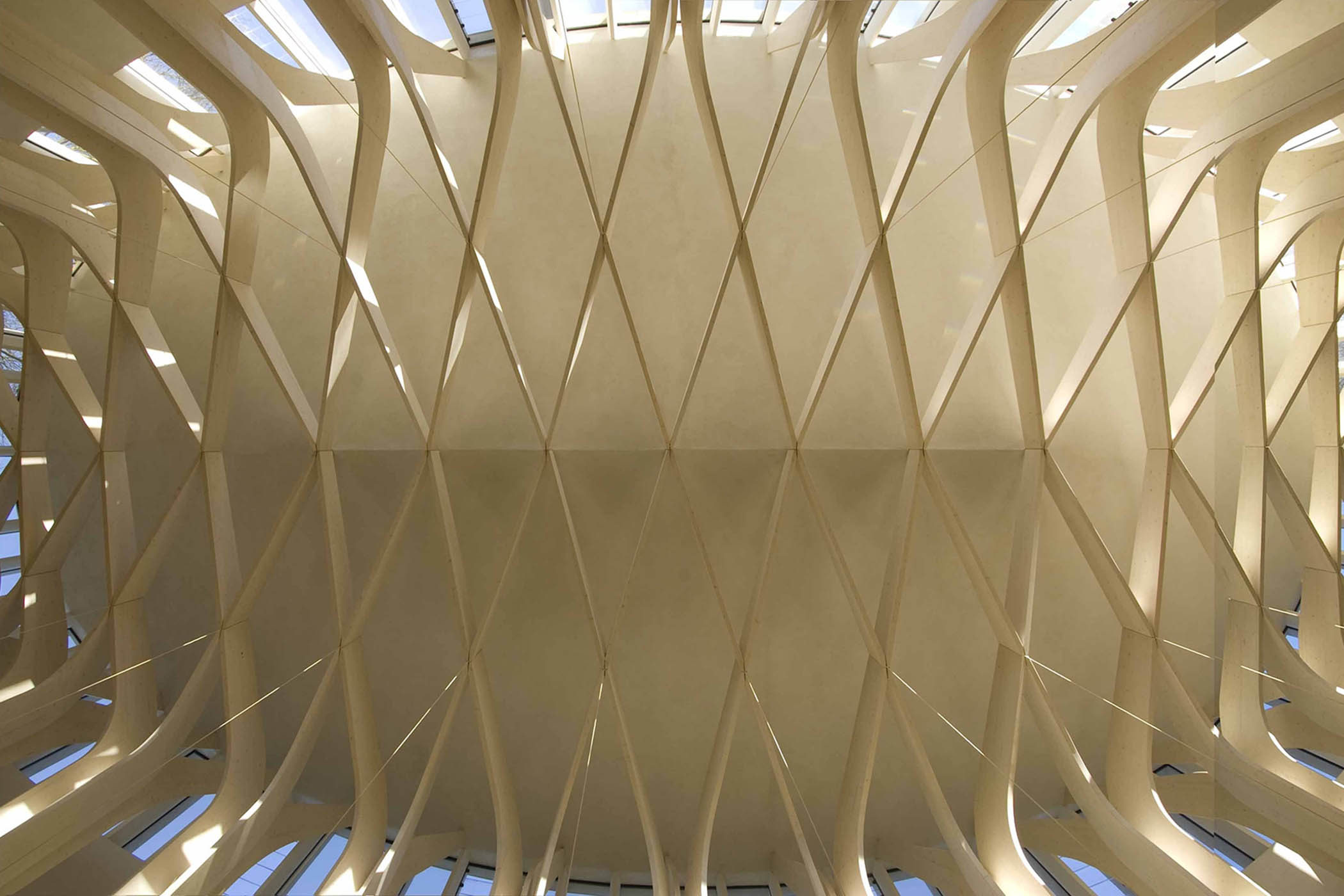
The Edward King Chapel at Ripon Theological College in Cuddesdon, Oxfordshire
His designs can be refined, as in an exquisite glassy pavilion, Saltmarsh House, built on the Isle of Wight. They can be reassuringly substantial. They can display flights of fancy, like a spiky modern-gothic tower he designed at Auckland Castle in Co Durham. They are both traditional and contemporary in spirit, happily combining natural stone and wood with industrial concrete and steel.
He attracts well-funded clients, including several Oxbridge colleges, but insists that he applies the same thought processes to projects with lean resources. He designed housing in east London for the Peabody housing association, completed in 2014, which he says is “the scheme I revisit most when I want to renew my vocation”. This is about “very simple criteria” – natural light and ventilation, including in bathrooms and corridors, decent-sized balconies, views from homes to playground – which “make a difference to everyone’s day if we get it right”.
McLaughlin can be both poetic and down-to-earth, in other words, which is an invaluable combination in his profession. If only there were more like him.
Newsletters
Choose the newsletters you want to receive
View more
For information about how The Observer protects your data, read our Privacy Policy