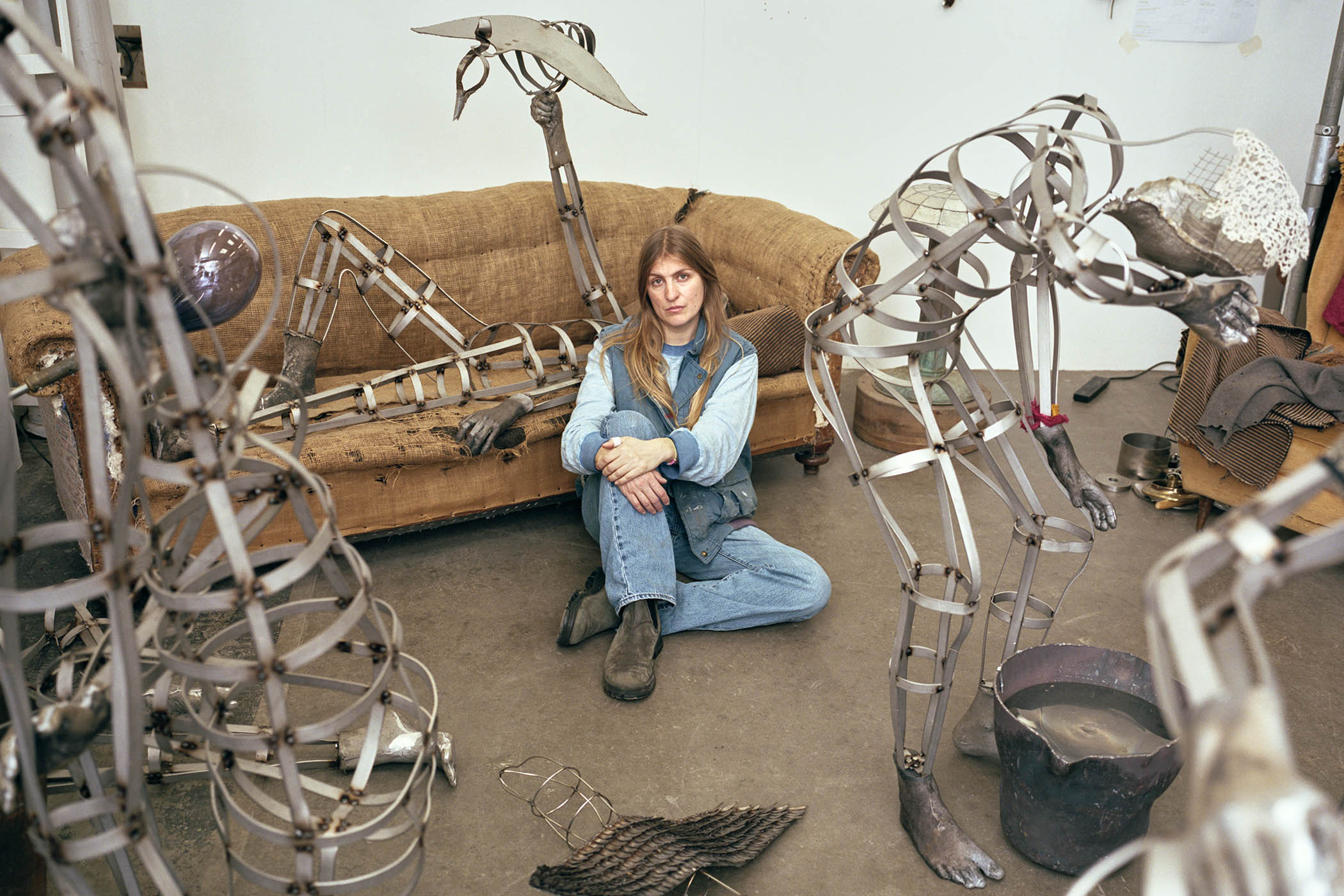
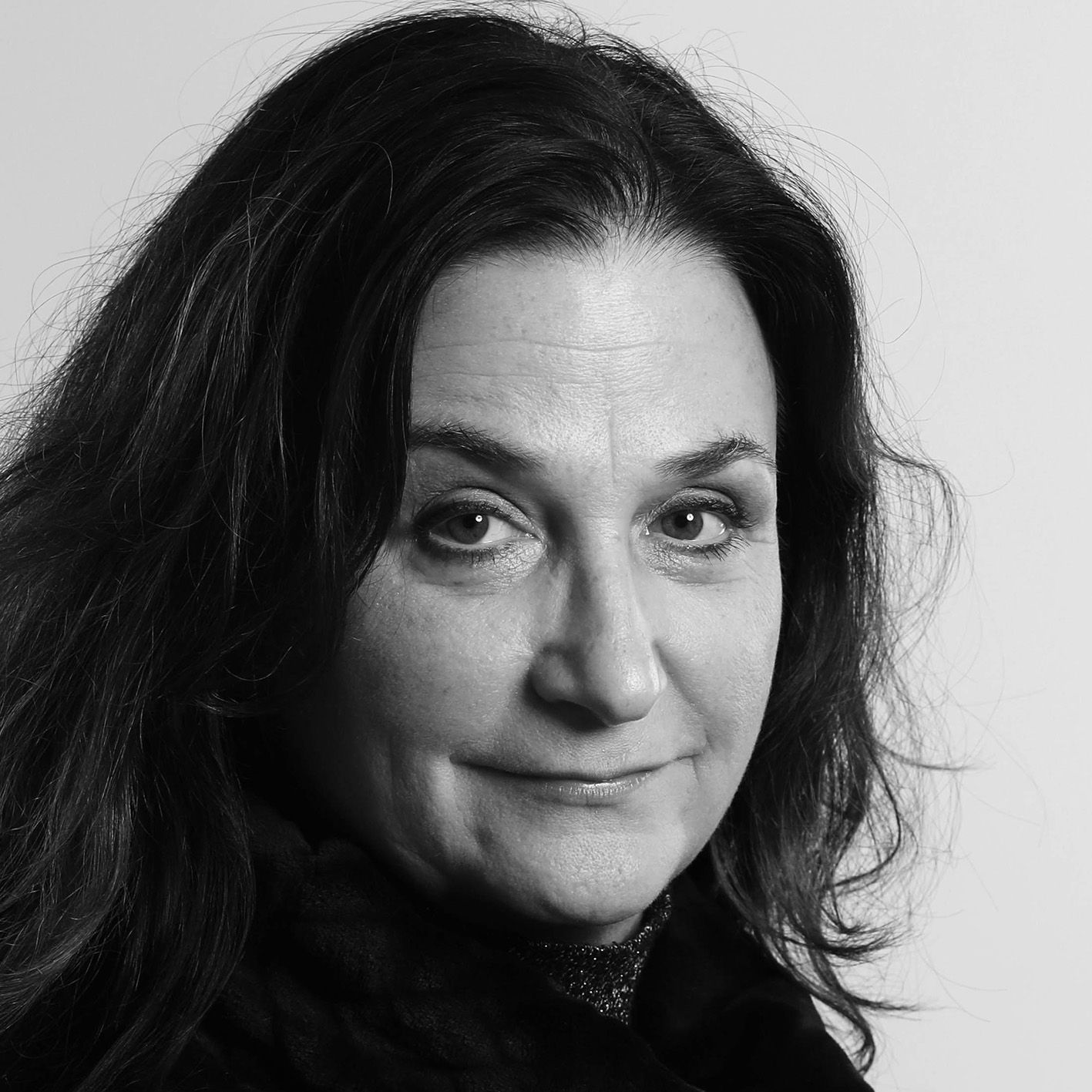
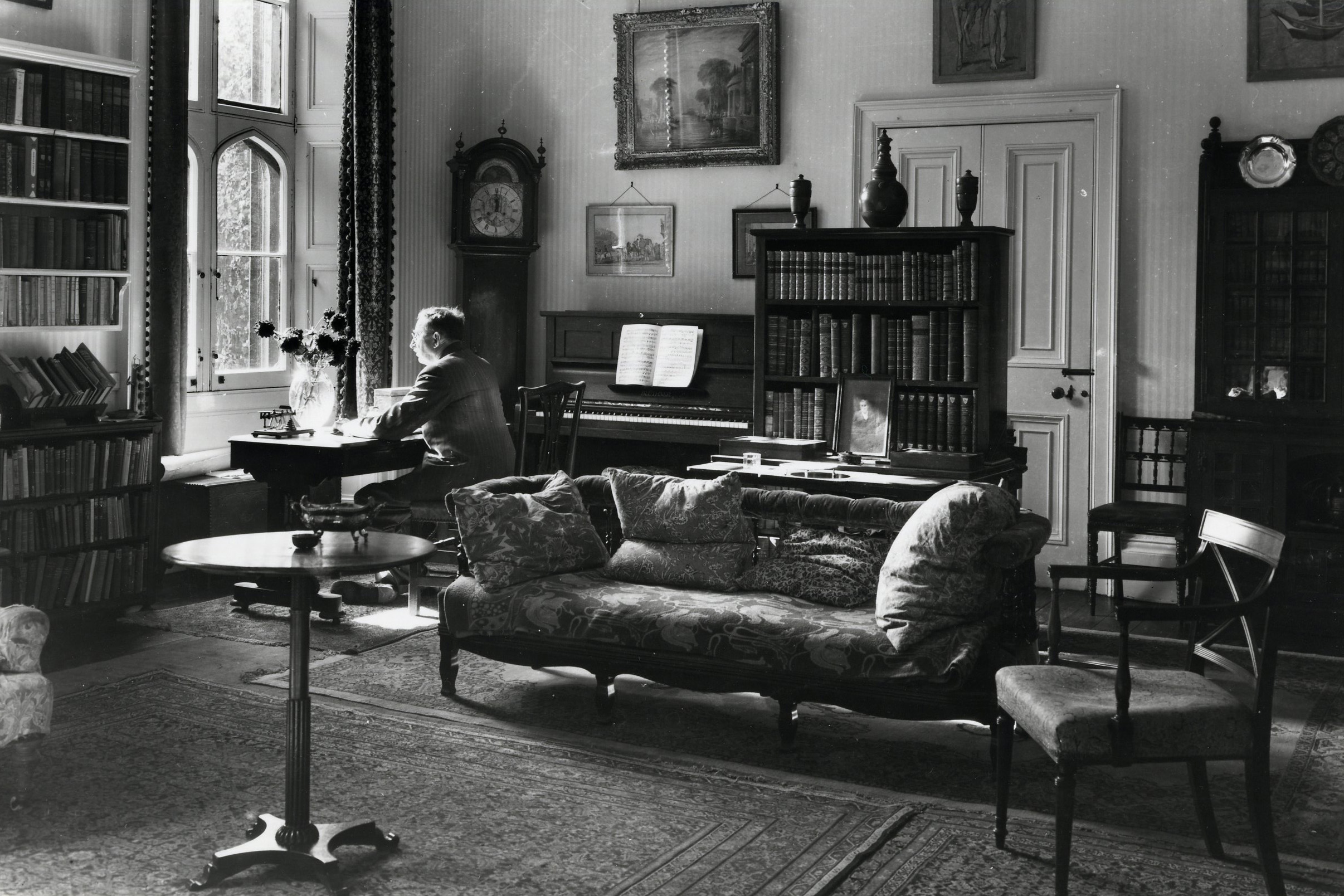
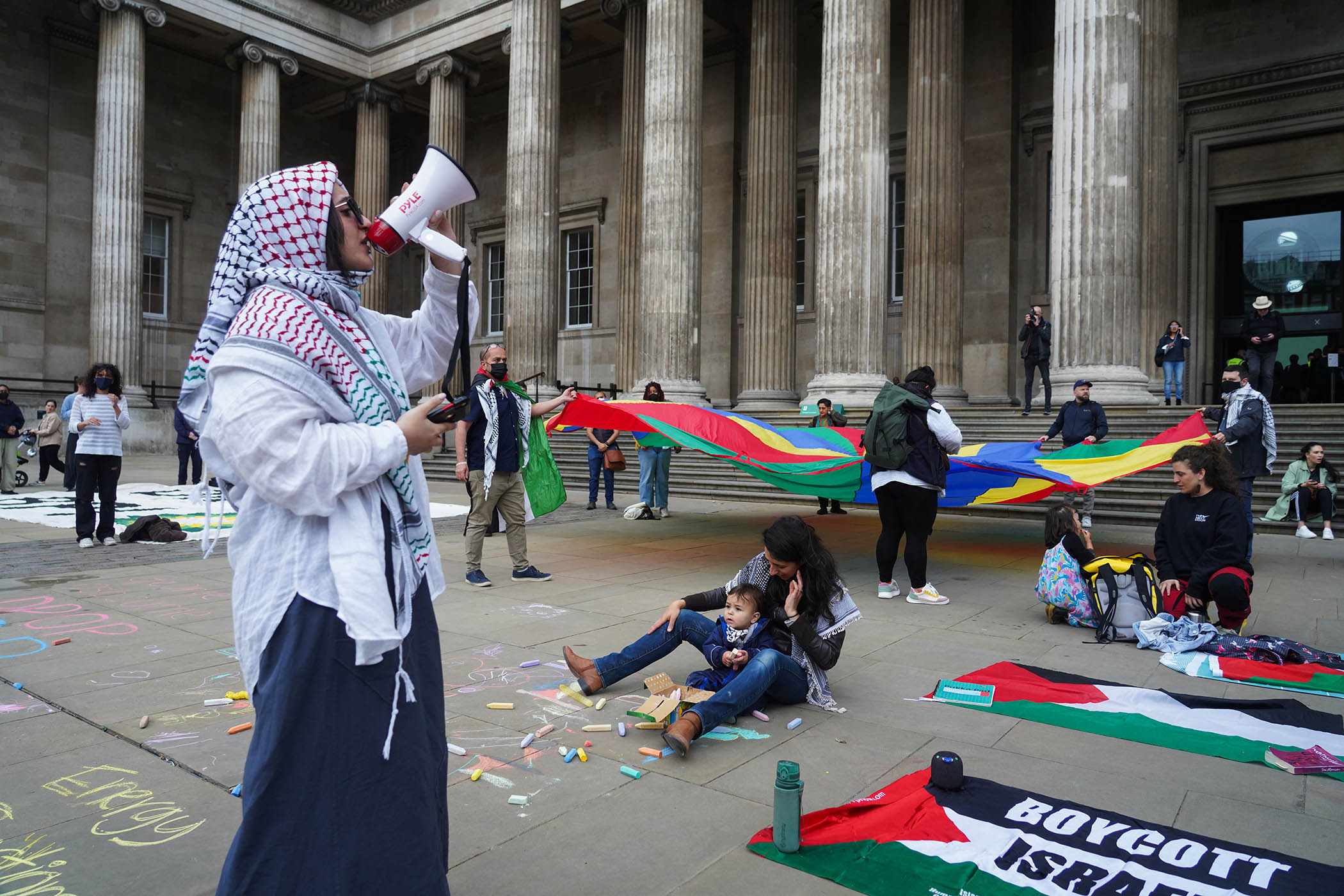
A literal white elephant, breathing its last, and a huge chess board-like sculpture that marks out the strategic gaming of the oil trade in glass paperweights are to vie with each other for the 42nd Turner Prize, alongside a live performance about the social history of the North of England and an “opera” of hovering figures. Yes, the art competition with the alarming reputation is back in town. Nominees for 2026 have just been announced ahead of an annual carnival that was originally designed in 1984 to showcase young British artistic talent. The line-up, which has famously featured Damien Hirst’s Shark and Tracey Emin’s bed, once used to make the arts establishment splutter out its morning coffee. So “roll up, roll up”, or at least read on here to see what is on offer this time and find out who is competing for the 25k prize (which also once sounded like a gasp-worthy, life-changing amount).
Alex Farquharson, chair of the judges and director of Tate Britain, unveiled four artists, one man and three women, Thursday morning and promised an enticing feast of sculpture, installations and performance.
The nominees are: Yorkshire-raised Simeon Barclay, who offered his first work as a performance artist, The Ruin, which toured from Yorkshire to Nottingham and London to paint a historic picture of the North using influences from jazz, early music and the "Sprechgesang" tradition.
Marguerite Humeau, who has made sculptures, first on show in Copenhagen, from beeswax and wasp venom and who also created a large, white, breathing dying elephant.
Kira Freije, who staged a “haunting” visual opera in five acts for Hepworth Wakefield gallery, featuring a chorus of ghostly outlines and costumes.
And finally, Tanoa Sasraku, who exhibited “Watchlist”, a large chess board, or war room table lightbox, covered in paperweights mounted on velvet and filled with oil for her show at the ICA in London, focusing in part on petro-politics.
Whether this selection can match recent Turner Prize dramas, which have included the 2019 decision taken by contestants to share the victor’s loot and the awarding of the 2021 prize to a Belfast-based campaigning collective, is uncertain.
In 2024 Jasleen Kaur epitomised the increasingly overtly political positioning of the competing artists when she spoke out about Gaza, standing beside actor James Norton, who was there to hand over the prize. Last year it went to Nnena Kalu, the first winner who has a learning disability.
The emphasis of the competition has changed over the decades. Now “British” work can mean work by an artist who mainly creates here, or work by an artist born in Britain. They also scrapped the age limit, so that the work of experienced artist like Lubaina Himid could be celebrated in 2017.
In the past the prize has established some big beasts, aside from Young British Artists like Emin (who did not win) and Hirst, Whiteread. Other winners have been Anish Kapoor (1991), Antony Gormley (1994), and Steve McQueen (1999). But since Grayson Perry’s 2003 victory and Jeremy Deller’s the next year the prize's impact on a career has diminished.
This year’s line-up may not grab the headlines, as Martin Creed’s infamous flashing light bulb in an empty room did before Madonna eventually handed him the prize in 2001, but that is partly because modern art is now so much more widely acknowledged, if not admired. That is chiefly Tate’s work.
The biggest shocker this year could be the fact the Turner Prize show will go on display not in London, or in an up-and-coming, provincial city, but in disadvantaged Middlesbrough. It is 15 years since it was last held nearby, in Baltic, Gateshead, when almost 150,000 people turned up to see it.
The 2026 prize is being hosted at the Middlesbrough Institute of Modern Art, which is part of Teesside University. MIMA has a strong track record of working with artists and community regeneration and Sir Nicholas Serota, chairman of Arts Council England, recently praised it as a “beacon” for social and economic development. The show there opens on September 26 and the winner will be announced on December 10.
It will be a cultured year for Middlesbrough, as earlier this week the BBC Proms launch confirmed the annual music festival will make its debut at Middlesbrough Town Hall this summer. Tickets for the concert on Thursday July 23 start at £8 for a bill put together in a collaboration between Royal Northern Sinfonia and The Unthanks.
Photograph by Robin Bernstein
Newsletters
Choose the newsletters you want to receive
View more
For information about how The Observer protects your data, read our Privacy Policy