


BOOK OF THE WEEK
Quartet in Autumn by Barbara Pym
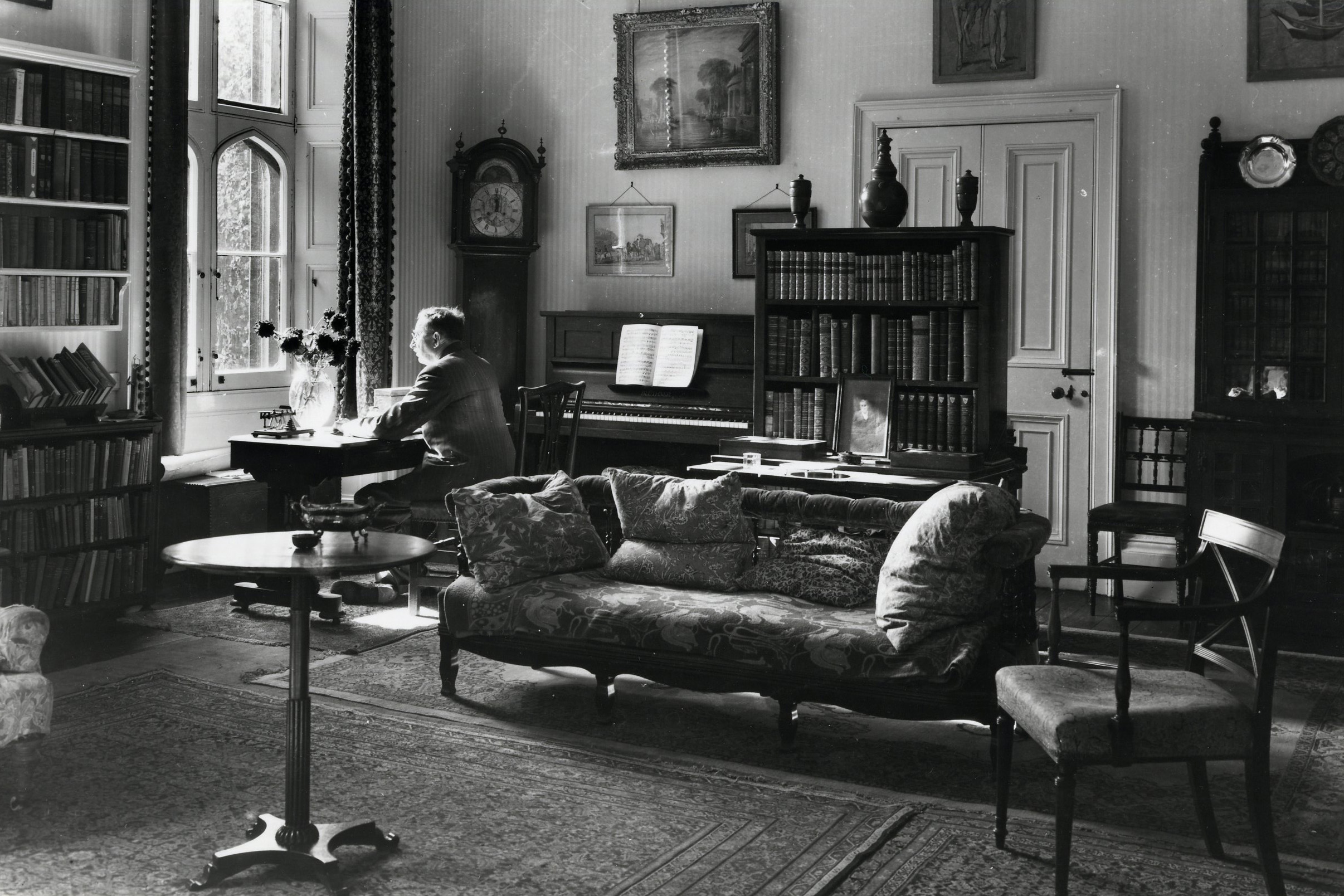
We are almost 50 years late to put this on a recommended reading list, but we’re going to do it anyway. After years of setback and rejection, the novelist Barbara Pym had something of a second coming in 1977, when Philip Larkin and David Cecil nominated her as the “most underrated writer” in a feature in the TLS. Later that year, she published Quartet in Autumn, a novel that, almost 50 years on, will come to the London stage next month. The Booker prize-winning novelist Samantha Harvey, who adapted it, explains why she was drawn to the darkest of Pym’s tragicomedies, a book about two men and two women facing retirement. In this subtle, witty study of ageing and anxiety, Pym’s singular talents are on full, irresistible display.
WHAT TO READ NEXT
Chain of Ideas: Great Replacement Theory and the Origins of Our Authoritarian Age by Ibram X Kendi
The “great replacement”, a conspiracy theory that has its roots in the early 20th century, contends that the white populations of Europe and the US will soon be outnumbered by immigrants and people of colour – a process deliberately hastened by liberal elites. The scholar Ibram X Kendi argues in his new book that this racist theory explains the broken politics of today. But, asks Kenan Malik in his review, is Kendi right to see the great replacement everywhere? And is censoring its advocates really the best way to tackle the far right?
Talking Classics: The Shock of the Old by Mary Beard
According to Mary Beard, the ancient world is “both wonderfully familiar and tantalisingly inaccessible” – a paradox that makes it both fascinating and instructive. In an iconoclastic and energetic collection of new essays, reviewed for The Observer by the classicist and poet Josephine Balmer, Beard makes the case for rethinking – and renewing our relationship with – the Classics, arguing that the discipline can help us find new (or old) ways of addressing the problems of the present.
ENDNOTES
Ashley Hickson-Lovence: why I quit teaching
Ellen Peirson-Hagger’s interview with the poet and novelist Ashley Hickson-Lovence is full of interesting details, not least the background to his new book: his discovery of a “lost” uncle in Ireland. But one striking moment came when Ellen asked him why he gave up teaching. This is what he said:
“I loved being a teacher, but I found it very hard. It was draining – the planning, the data drops, the parents’ evenings. I don’t want to sensationalise this, but there was a moment when I was teaching PEE [point, evidence, explain] paragraphs in a classroom and I thought, “I can’t do this any more.” It gets too formulaic. You end up taking all the fun out of literature because you have to use the same topic sentences and rely on the same quotes.
“I think a seismic shift needs to happen, but I don’t think the pressures should be on teachers. There needs to be more money, more time to revamp it at a holistic level. Teachers are overworked, overstressed, and aren’t paid enough. They are the frontline heroes.”
Illustration by Charlotte Durance