
There are scenes in the novels of Muriel Spark and Graham Greene where lovers hurry to meet – or escape – each other via the London Underground in the 1950s. The Tube is all mid-century sophistication. The floors are polished wood, the armrests are buffed leather and the seats are a lyrical pattern of diamonds, stripes and undulating waves in scarlet and forest green that has never been surpassed. They are the work of Enid Marx.
Marx (1902-98) is not a name on people’s lips – but it should be. Her Shield design, so-called because she had fallen in love with the shapes of west African shields in the British Museum, looks like op art long years in advance. Marx was commissioned to make this design for the Underground in 1937, and though the manufacturers of moquette – as the bristly short pile fabric of wool and nylon is still known – qualified the colour somewhat, her design was proof against both dazzle and dirt. Transport for London should bring it back immediately: it is by far the best it ever had.
The Shield design has been lovingly recreated for an enormous retrospective at Compton Verney in Warwickshire. What a tribute to Marx this is. Here are her radiant designs for Royal Mail stamps and London Zoo posters, her elegant covers for Chatto & Windus and Penguin that made their books objects of desire before anyone even turned the first page. Swathes of Marx’s textile designs have been reprised for the show – curvaceous shells, hazy chevrons, fine starbursts and radiating lines printed in ochre or charcoal grey on raw linen.
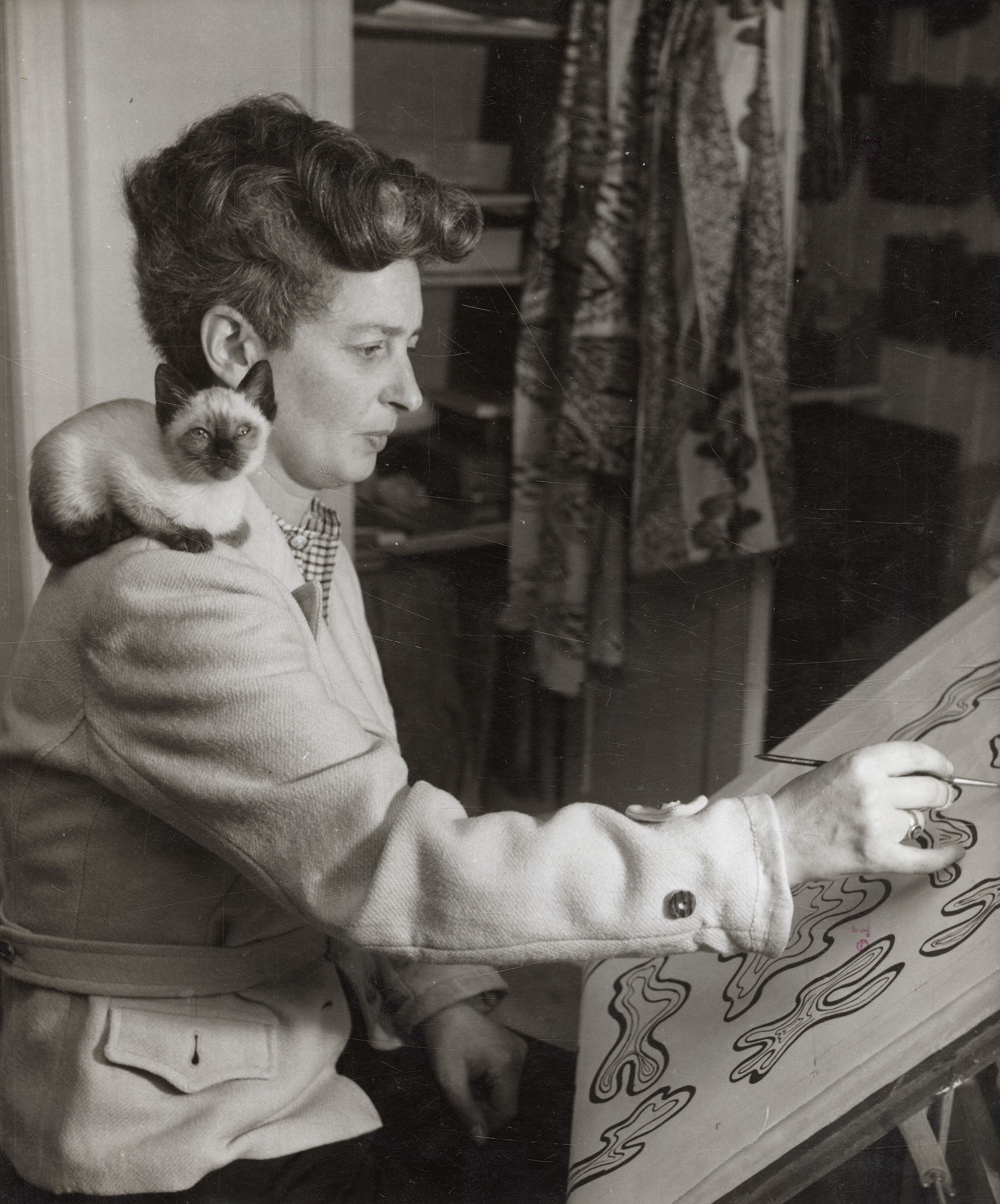
Enid Marx in her studio, 1948
Marx was hired to create utility designs for a war-battered Britain immediately after the armistice and did so with uplifting verve. She did not believe that people who had endured endless blackouts and were now facing rationing needed any more dullness. There is an armchair in this show upholstered with one of those fabrics: it is made of velvet, admittedly cotton and inexpensively thin, but the colour is golden and the overprint of leaves is like a pastoral vision out of Chaucer – and all achieved in a single grey-black.
Marx was the daughter of a German-Jewish paper-making engineer and a distant cousin of Karl Marx. She studied painting at the Royal College of Art (RCA) in the 1920s in a generation that included Eric Ravilious, Edward Bawden and Barbara Hepworth. But she was refused a diploma on the grounds – or so it is suggested here – that she was too modern or abstract. The paintings at Compton Verney are so wishy-washy, on the other hand, it seems clear that her forte was always going to be coruscating design.
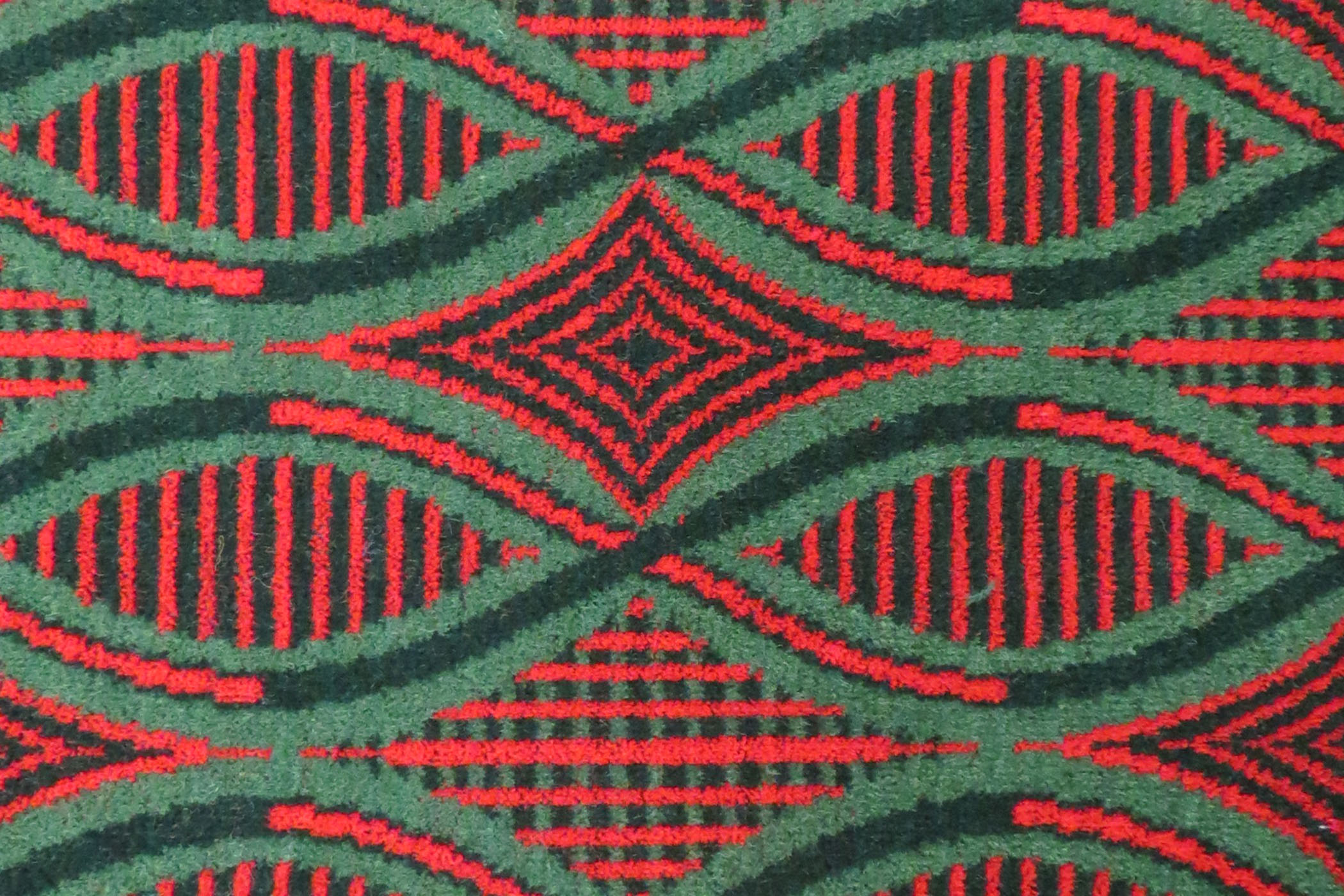
‘Transport for London should bring it back’: Marx’s Shield moquette for London Underground seats
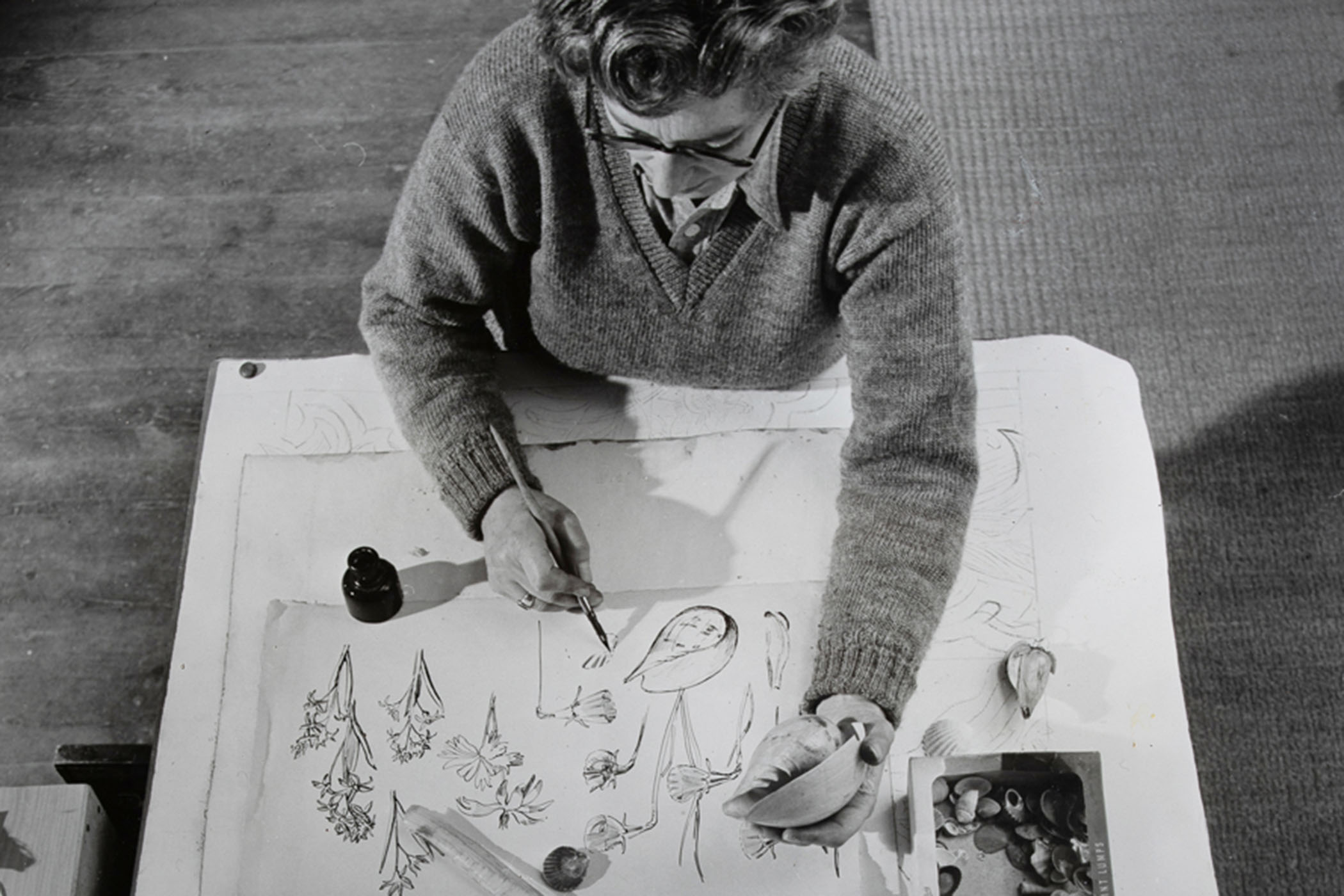
At the RCA, she was not allowed to attend the wood engraving course, but Ravilious smuggled her in after hours and taught her whatever he learned. A terrific photograph from the 1940s shows Marx at her drawing board, pen poised, eyes sharpened, a Siamese cat in her lap and a long line of woodblocks hanging on the wall.
At the RCA, she was not allowed to attend the wood engraving course, but Ravilious smuggled her in after hours and taught her whatever he learned
At the RCA, she was not allowed to attend the wood engraving course, but Ravilious smuggled her in after hours and taught her whatever he learned
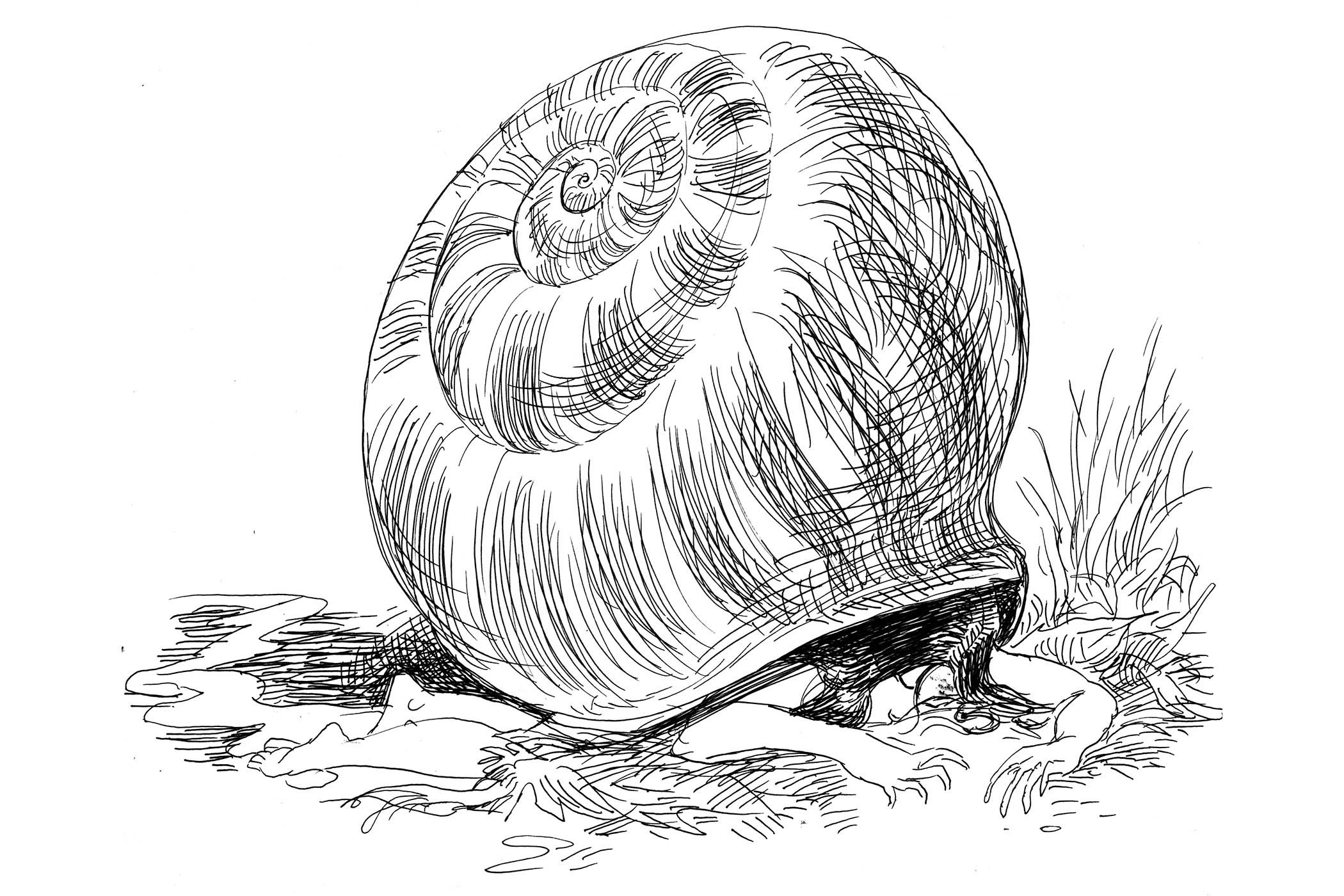
Her incisive gifts would later run to alphabet lithographs meant for the pleasure of both children and adults. Marco’s Animal Alphabet is all ebullience and humour. Her R for Rhinoceros is a cheery version of Dürer’s famous beast, with a spring in its step and a slight resemblance to a cow. Her porcupine is sweetly smiling, its sheaf of prickly spines repeated in a gorgeous frisson of dark striations on the ground.
With her italic hand and her meticulous ribboning lines, Marco, as she was affectionately known throughout her life, had a natural tendency towards abstract design. She could achieve so much with a single colour, occasionally in two hues, that her jacket designs were perfect for poetry and philosophy. She went on to write books herself, with her lifelong partner, the historian (and possible spy) Margaret Lambert. Together, they produced scintillating works on the popular art of Europe.
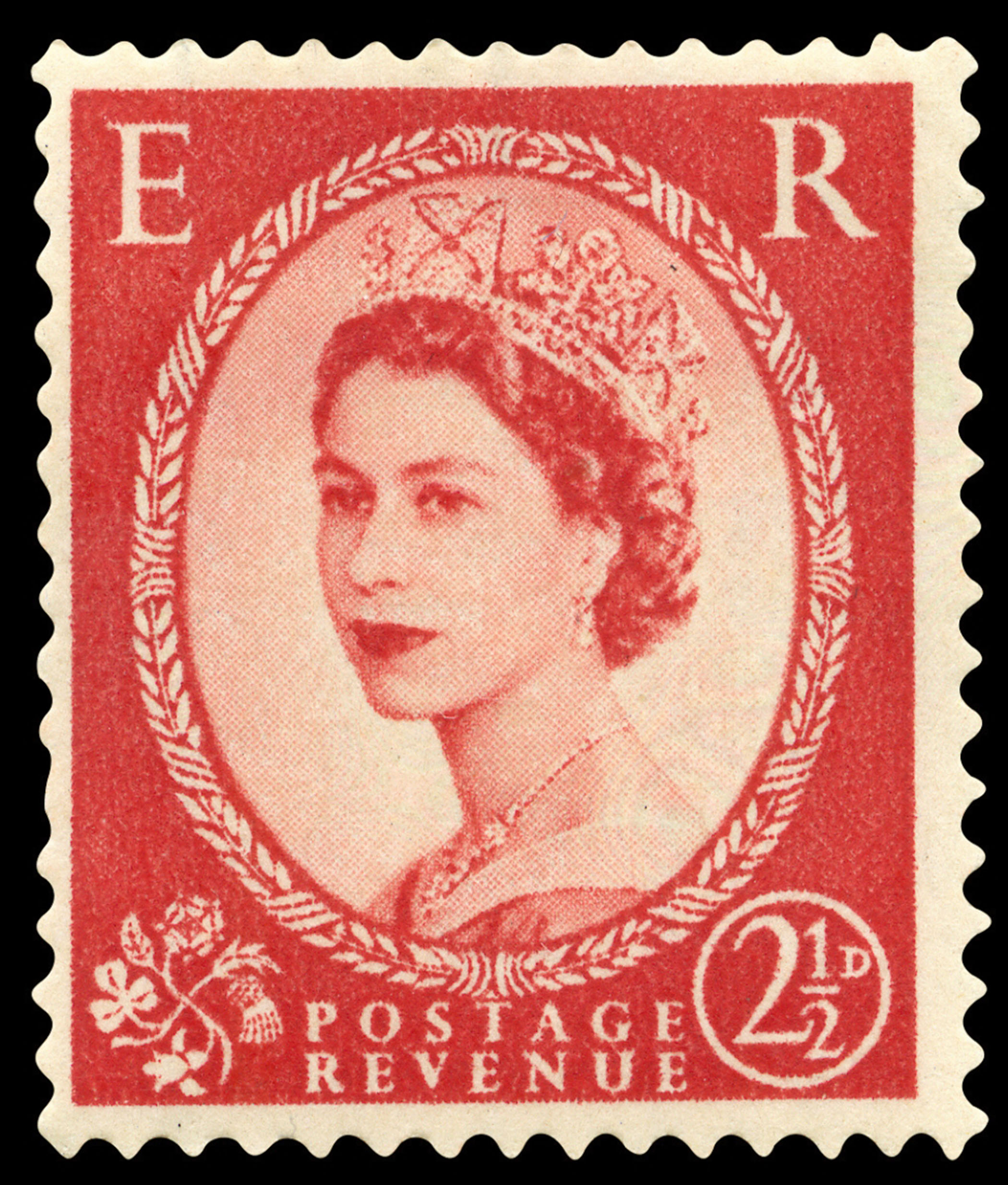
Marx’s elegant stamp design for Royal Mail
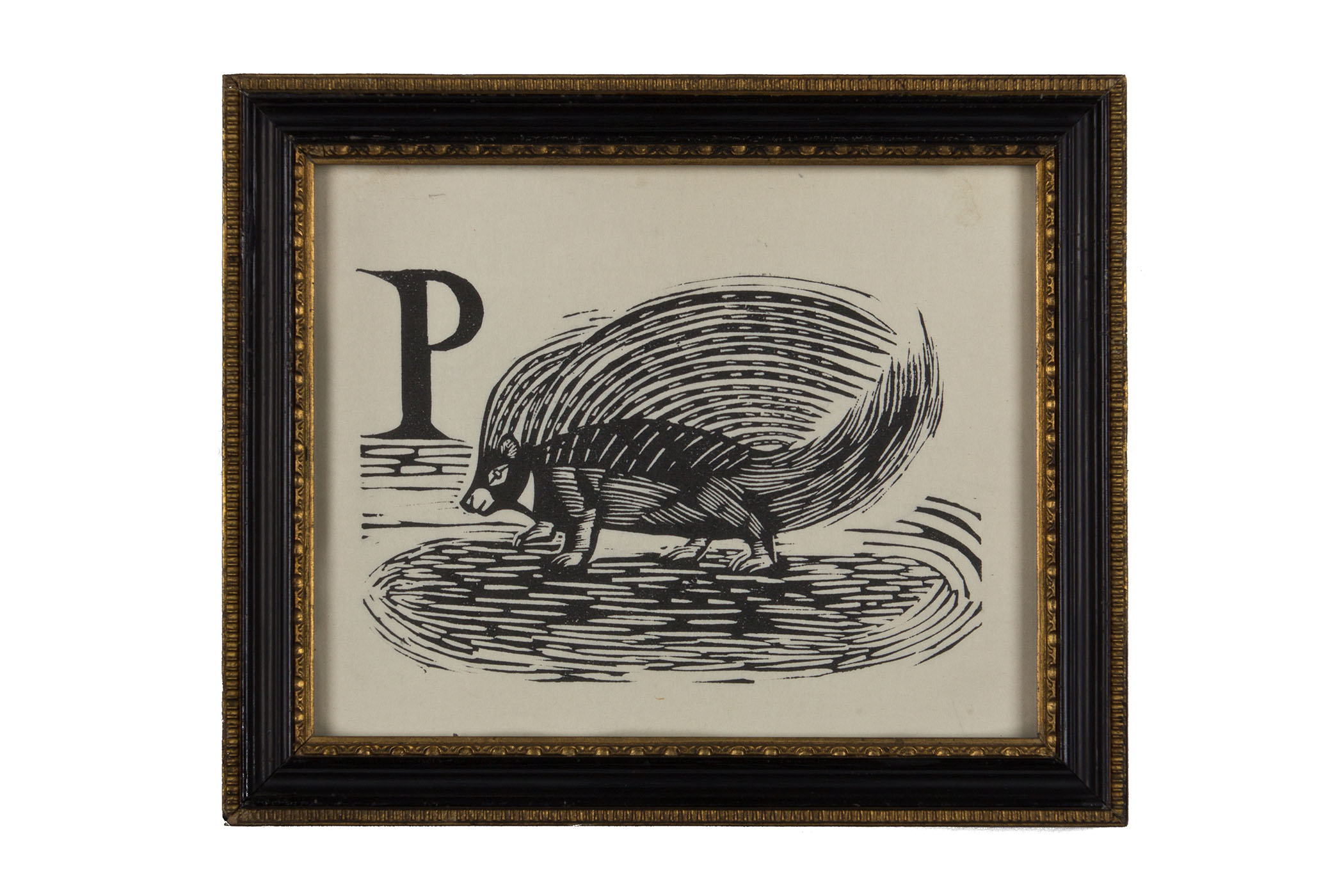
Marx’s ‘sweetly smiling’ illustration of P for Porcupine
Compton Verney is careful not to label these two women, though they seem very much part of an interwar scene of female artists, writers and intellectuals who would nowadays be free to marry. Theirs was a relationship of mutual endeavour and humour. Lambert came from a political dynasty, historically liberal, but increasingly socialist. She was probably more Marxist than Marx herself, who seems to have been much more interested in people than politics. Marx lectured at the Ruskin, taught evening classes for working people and devoted herself to mass-produced design. She did not do the luxurious or the exclusive.
Even her own chaise longue, still covered in cat hairs when the conservators came to restore it for this show, is printed in only one colour – black on pale yellow. The repeating woodblock pattern shifts through night stars of several shapes and sizes alongside chains of shields. The fabric is very firmly and precisely printed in woodblock sections that may be as much as a foot square. Marx was small but very strong.
Newsletters
Choose the newsletters you want to receive
View more
For information about how The Observer protects your data, read our Privacy Policy
The pattern of her own life is formidably clear. She worked, like Lambert, all the time and despite every knock or discouragement – the early exit from the RCA, the botching of her textiles by successive manufacturers (she learned their techniques to argue her case), repeated rejections of her stamp designs by Royal Mail. She keeps at it when job applications fail, ending up teaching Peter Blake and receiving an honorary fellowship at the RCA.
Lambert and Marx amassed a fabulous collection of folk art over several decades that they bequeathed to Compton Verney. A photograph shows Marx visiting the house in her 90s, dressed in Rupert the Bear red and yellow with a lively curiosity about what the museum is up to. You can see this collection on the top floor, giant teacup signs, painted Easter eggs, pastry moulds, wild paintings of outsize sheep. Best of all are the chairs with their twining spindles, an effect you see ribboning through so many of Marx’s designs, along with the chevron, honeycomb, oval, wave and diamond that characterises her art and makes you want to go straight home and cut patterns in anything you can lay hands on, even – like Marx in her youth – the humble potato.
The Pattern of Life: Enid Marx and Modern British Design is at Compton Verney until 3 January 2027
Subscribe to The Observer and join our Culture Club – over £800 worth of benefits for the culturally curious, including 2-for-1 tickets to visit Compton Verney during The Pattern of Life: Enid Marx and Modern British Design. Find out more and book your tickets here.
Photographs by the Estate of Enid Marx, the Postal Museum, Harminder Judge, Calderdale Museums