
It’s the great reset at BBC Radio Scotland as new presenters bed in and beloved arts broadcasters vanish. Unsurprisingly, this has not been without controversy. Last autumn, three specialist evening DJs were axed: Iain Anderson (country, folk and blues), Billy Sloan (classic rock, indie and post-punk) and Natasha Raskin Sharp (whose eclectic shows spanned artists from Cleo Sol to the Cleaners from Venus). Last month, despite rising listening figures, seasoned music journalist Nicola Meighan, award-winning poet Len Pennie and singer Michelle McManus followed them. Their departure was recently announced with chilling politeness: “[they] will step down”.
The reason for the shake-up? Presumably, the arrival a year ago of the new controller, Victoria Easton Riley, who made her name at BBC Radio 1 before moving into commercial music radio (whose UK listening share is, funnily enough, falling quarter-on-quarter). The corporate affairs director, Luke McCullough, has already defended replacing four curator-led evening shows with a playlist-driven programme in a letter to the Herald newspaper, in which he wrote that “the characterisation of Up Late’s music offering suggests to me that someone hasn’t listened to it”. Last week, I did. I heard glossy pop staples, but none of the curios you’d find on Sloan’s show, from David Byrne’s T-shirt to Mavis Staples’s Human Mind.
Why the fuss? Sorry, suits, for sounding old-fashioned, but the best BBC evening shows inform and educate as they entertain. As a Welsh teenager in the 1990s, I received a cultural education through Mark Radcliffe and Marc Riley’s Radio 1 evening show, where I first heard poets with regional accents and Welsh-language bands such as Gorky’s Zygotic Mynci. Today, BBC Radio Cymru’s eclectic evening shows by Rhys Mwyn and Georgia Ruth serve the same gorgeous purpose in my life.
BBC Radio Scotland also, crucially, has a national remit. Research published in January by Scottish music commentator Stephen McAll showed that new tracks released by Scottish artists had fallen by 59% compared with the same period in 2025. “We need a national station … that plays the carefully chosen, sometimes difficult records that will never test well in a focus group, but change someone’s life when they hear them at midnight,” he wrote in November. As a writer who regularly covers a marginalised genre – folk – I heartily agree. And answer this, BBC Radio Scotland: what remit are you meeting by making shows that sound largely the same?
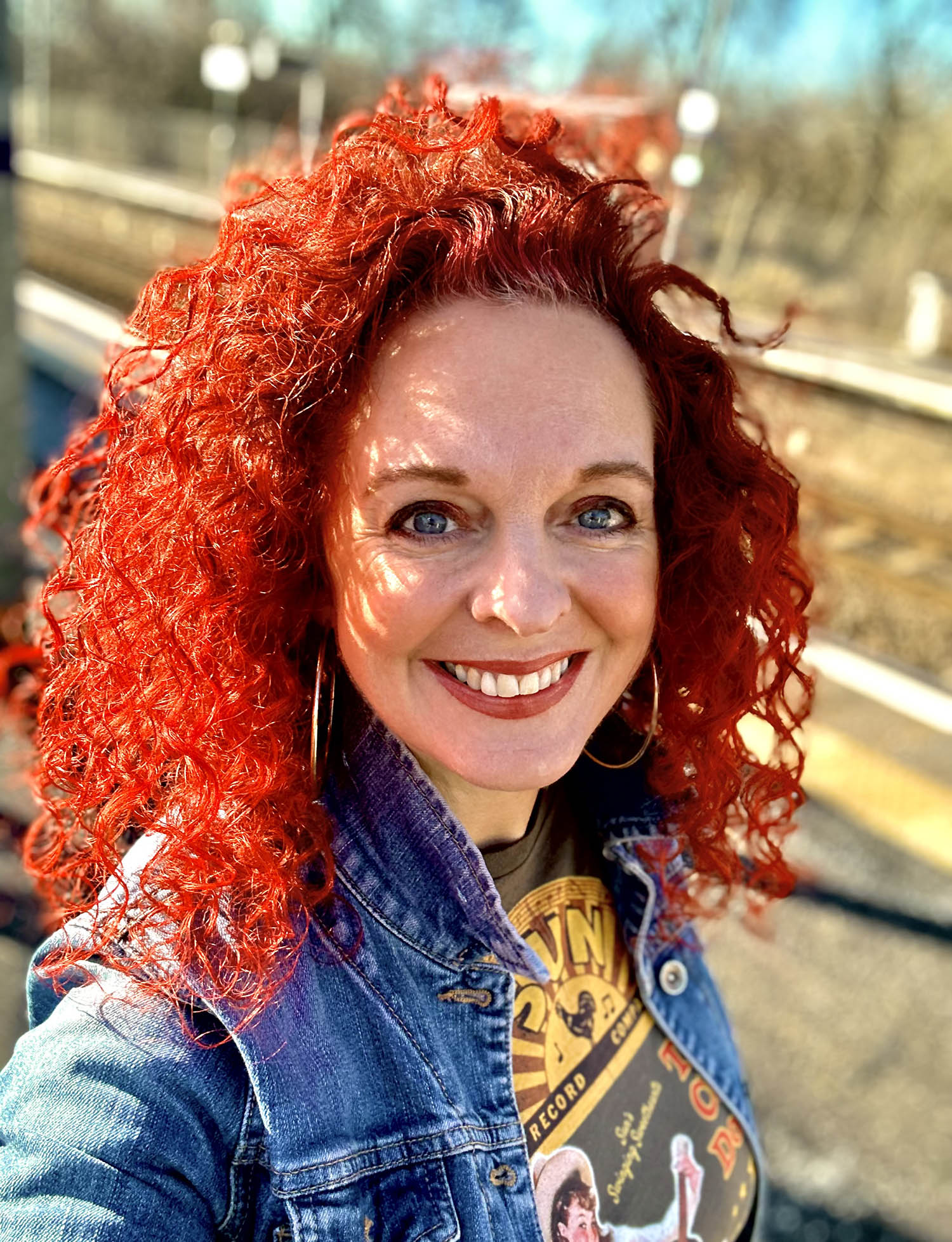
‘Her interviews have always snapped and crackled’: Nicola Meighan is among the hosts departing BBC Radio Scotland
It is also shelving great presenters. I loved the very last Afternoons programme presented by Meighan, who also produces her own podcast, A Kick Up the Arts, and once worked at Mute Records (“Touring with Nick Cave taught me it’s unwise to smuggle a magnum of champagne down the front of a corduroy miniskirt,” she told a broadsheet last year).
Her interviews have always snapped and crackled. On her final show, speaking to singer Clare Grogan of Altered Images, she recalled how she once played Spandau Ballet’s True to Grogan on air, without warning. It was written by Gary Kemp for Grogan, who didn’t return his affections, and this memory prompted a priceless reaction. “It was like seeing a teenager mortified in a playground!” Cue two women gossiping and laughing, pure wit and warmth. They reminded me that the best radio is about genuine connection, which isn’t served by samey music, or less sparky personalities. Nevertheless, all the luck to BBC Radio Scotland’s presenters, old and new.
Last week, Radio 4’s Artworks strand reminded me of one of the weirdest things that’s ever happened in my life. Three decades ago, in a tertiary college staff room, I had lunch with beat poet Allen Ginsberg. In Swansea for a Dylan Thomas festival, he ate white rice, hit on my male classmate and later led a meditation workshop that I left because I was bored. Later, reading about the “hungry and lonesome … seeking jazz or sex or soup” in his celebrated epic Howl, I regretted my idiocy.
Allen Ginsberg’s Last Soup is a more fruitful experience. This programme explores his life through his final creation: a chowder made for friends, frozen after his death. Presenter Ian Sansom entertainingly and surreally traces how food flavoured Ginsberg’s poetry – sometimes as a metaphor for power and intimacy. Nevertheless, a mention of his behaviour towards male students at the end of the show deserved a harsher line.
My favourite listen of the week was the first few episodes of Audible’s fabulous Foul Play, recently previewed in The Observer. Gabriel Gatehouse and Ed Jervis, grandson of England goalkeeper Gordon Banks, investigate the footballer’s long-held suspicion that he was drugged by the CIA during the 1970 World Cup – with surprising results. It’s packed with gorgeous audio, from recordings of the bedridden Banks in his final months, to a chat with the Irish journalist Don Mullan. He recalls British soldiers searching his family home during the Troubles, only to discover a shrine to England’s World Cup squad in his bedroom.
Photograph Print Collector/Getty Images
Newsletters
Choose the newsletters you want to receive
View more
For information about how The Observer protects your data, read our Privacy Policy