
Recently a Facebook friend, a leftish former politics academic, posted a one-sentence statement on his page: “The poorly educated white working class is the main problem in Britain, not immigrants.”
Is there any other underprivileged sector of society, I wondered, that would be subject to such crudely damning criticism by a progressive-minded member of the intelligentsia? The working class once formed the bedrock of our industrialisation and wealth, and were viewed by armchair revolutionaries with admiration, albeit often tinged with romanticism.
Nowadays, with its St George’s Cross flag-wavers, Brexit voters, and anti-migrant protesters, the white working class is routinely dismissed as ignorant, mean-spirited and racist. How and why the heroes became villains is the subject of Nicola Wilding’s powerful memoir These Wild English.
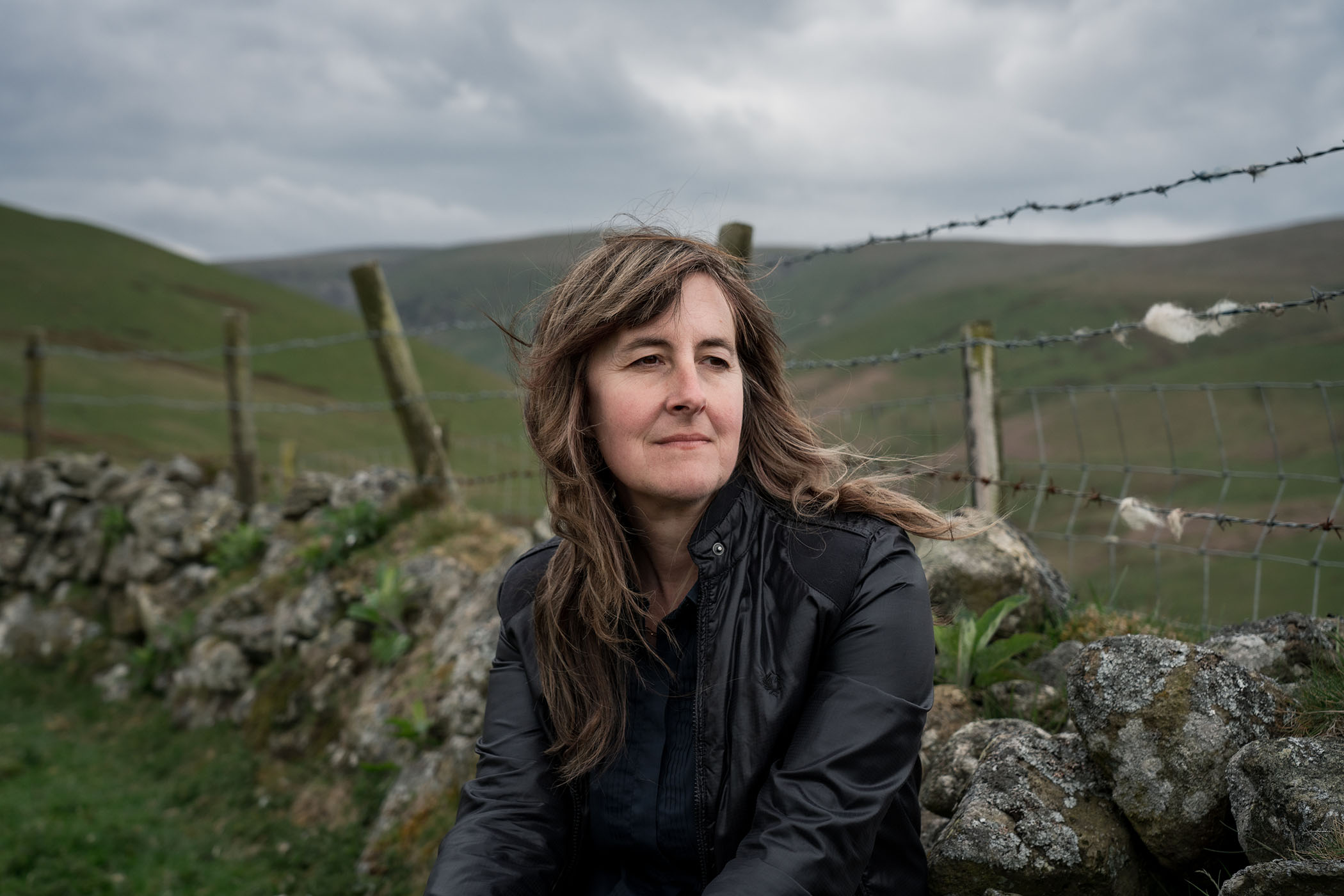
Widling is a documentary-maker, a member of a metropolitan liberal media class whose values, as she notes, foster respect for open borders and ethnic diversity. But she was born into the rural working class, where patriotism, sovereignty and cultural continuity have long held sway.
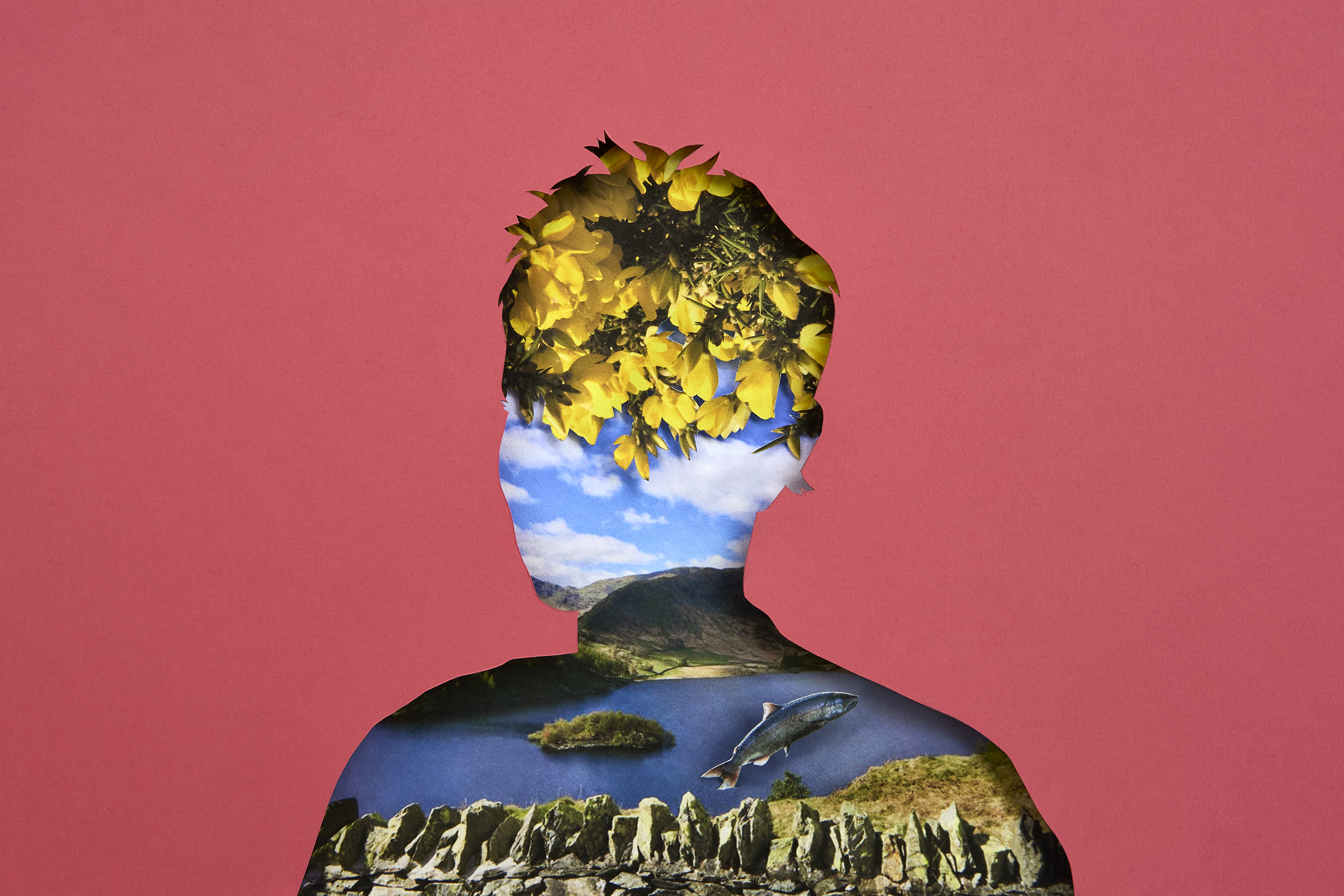
Her grandparents had eight children and ran a farm in the Vale of Eden, between the Lake District and the Pennines. Despite the scenic beauty, life was hard and chaotic. The grandfather was the silent moody type who expected his wife to take care of all domestic chores, while the grandmother would frequently run off, fleeing for days or weeks at a time from her punishing responsibilities. Wilding paints a portrait of feckless men and flighty women down the generations, formed from low expectations and a high alcohol intake. Add in a material life led on credit and you have self-thwarting patterns of behaviour building to embittered alienation.
The rural working class is a particularly neglected anachronism of modern British history. Unlike in say France or Italy where the peasantry has maintained cultural significance through local cuisine and other folk traditions, in the UK a combination of the industrial revolution and parliamentary enclosures robbed the countryside of the power of its people.
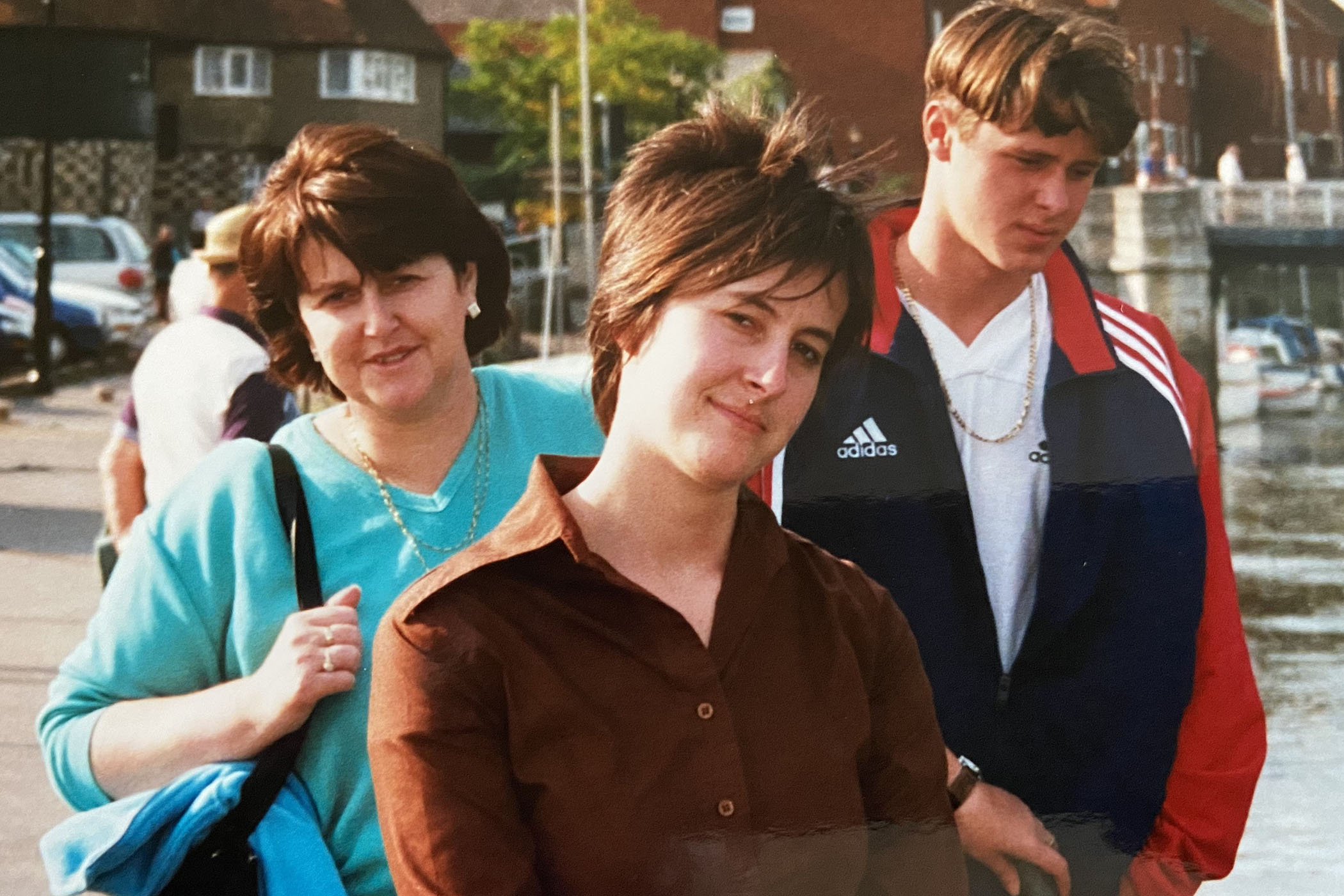
Nicola Wilding with her mother and brother, Billy, circa 1999.
Wilding’s recent ancestors seem isolated, detached from the world at large, a little feral. They yearn for escape, a place in society, some sense of purpose, but are undone by bad habits and uncontrollable impulses. There’s an awkward ambivalence in the manner in which Wilding records her family’s most troubled escapades, downplaying personal responsibility, while celebrating the restless spirit that often leads to poor decision-making. In the background, Margaret Thatcher’s policies, deindustrialisation and loan sharks all conspire to create the conditions in which her half-brother Billy ends up in prison after arming himself with an air pistol and a kitchen knife to car-jack an unsuspecting driver.
She seems to suggest that society has let her family down but also that their reckless actions represent a stab at freedom. It’s as if she’s asking how they could have been abandoned to live in such harsh circumstances, while simultaneously lamenting the passing of that way of life.
As in the case of the emphysemic coalminer who regrets the closing of his colliery, perhaps nostalgia is always the byproduct of “progress”. Where Wilding moves into a much sharper register is in dealing with her mother taking up with Tommy Robinson’s English Defence League.
The book begins with a letter Billy sent from prison. “Have you spoken to Mum lately? She’s turned into a fascist, lols.” Appalled by the murder of Lee Rigby and the grooming gangs in Rotherham and Rochdale, Wilding’s mother, a care-worker, travels the country to join protests against migrants. Wilding is all too aware of how her own industry has characterised such people as her mother.
Wilding’s recent ancestors seem isolated, detached from the world at large, a little feral
Wilding’s recent ancestors seem isolated, detached from the world at large, a little feral
“I was part of the lefty media alienating Mum and people like her by reacting to their protests with some instinctive cringe, flattening the complexities of needing to belong into easy-stick labels,” she writes.
Still on close terms with her mother (living in Kent after the end of her third marriage), Wilding wants to understand her motivations, rather than simply condemn them.
She wants to understand her mother’s motivations, rather than simply condemn them. It’s an effort that takes her into controversial territory, raising difficult questions that have unreassuring answers.
As even that most optimistic of political philosophers, Francis Fukuyama, came to realise, identity is the tribal ghost in the modern globalised machine. It’s an atavistic concept that has the power to trump self-interest, economic advancement and democratic rights. In the simplistic intersectional matrix by which the contemporary left tends to understand the world, identity is a positive, empowering idea for certain groups of people, and a malign, dangerous one for others. As Wilding writes, channeling her mother’s anxieties: “Why was it OK to be Black or Muslim or gay and proud, but not white and proud?”
For those competing for scarce resources at the bottom end of society – council houses, unskilled and semi-skilled jobs – migration is not a pure benefit. Wilding discusses at length the regressive effects of Thatcher’s council house sales policy (of which her family briefly took advantage), but only late on mentions the equally momentous shift from longevity (time spent on the waiting list) to means-testing on council house waiting lists that was enshrined under John Major’s government in the Housing Act 1996.
It paved the way for new arrivals, often homeless with large families, to move to the top of waiting lists, and lessened the significance of local time served. Such developments went largely unnoticed by those who had no need for social housing, but they sowed resentment among those with little who were usurped by those with less.
Of course there is a handy word to describe such people: racist. And alongside it exists the belief that if we can just shout it loudly and often enough, their unpalatable opinions can be managed if not entirely expunged.
The irony is that the most consequential antiracism within the white population has taken place among the working class, which has historically had a much higher incidence of mixed-race partnerships and children than those who look down upon them.
We have not always been adept as a nation at organising the transition to a post-industrial society, and the losers can feel the contempt of the winners. When people have so little to hold on to, we can’t really be shocked that they grab hold of flags. Wilding shows us that they’re drowning, not waving.
These Wild English by Nicola Wilding is published by Profile (£20). Order a copy from The Observer Shop for £17 (15% off RRP). Delivery charges may apply
Photography by Nicola Wilding
Newsletters
Choose the newsletters you want to receive
View more
For information about how The Observer protects your data, read our Privacy Policy