
In our recent childhood special, Frank Cottrell-Boyce repeated something primary educators have long been shouting about: many of today’s young children have no idea how to turn pages, stabbing images with a grimy finger instead. Further up KS1, a reading gap also yawns.
Publishers have responded with shorter, snappier books. The silver lining on this mushroom cloud is that diaries, illustrated books and graphic novels are enjoying boom times. So this summer round-up rounds downwards a little in age, or looks sideways at dense pages of print, focusing on books that, in some way, might meet kids where they are.
Chris Riddell is The Observer’s long-serving political cartoonist, with a side-gig as a celebrated children’s writer (Goth Girl, Ottoline, many others). His latest, A Mermaid’s Rescue (Macmillan, £12.99) is the second book in a lavishly illustrated series in which capable, beautifully drawn mermaids collaboratively tackle wrongdoing in a sea of madcap punning and Heath Robinson-esque contraptions. Satirical looks at the world – baddie Nylon Dusk is basically Elon Musk – and pop culture references abound, including Riddell’s invented REGGO, recycled Lego made from polluting plastic nurdles, which should be real, and quite a subtle nod to indie band boygenius.
Young Eliza triangulates motive, means and opportunity to figure out who poisoned annoying wine snob Magnus Cooper
Young Eliza triangulates motive, means and opportunity to figure out who poisoned annoying wine snob Magnus Cooper
The adult novelist Cecelia Ahern’s kids’ debut – Detective Thingy Majiggy (HarperCollins, £6.99) – is also rich with inventiveness. Mia, 10, can talk to inanimate objects; a temperamental toaster and a magnifying glass are the supporting characters in this detective story about trying to fit in, and the importance of fixing broken things. Mia is being fostered by a police officer and must use her own investigative nous to clear her name after a fire breaks out at her new school.
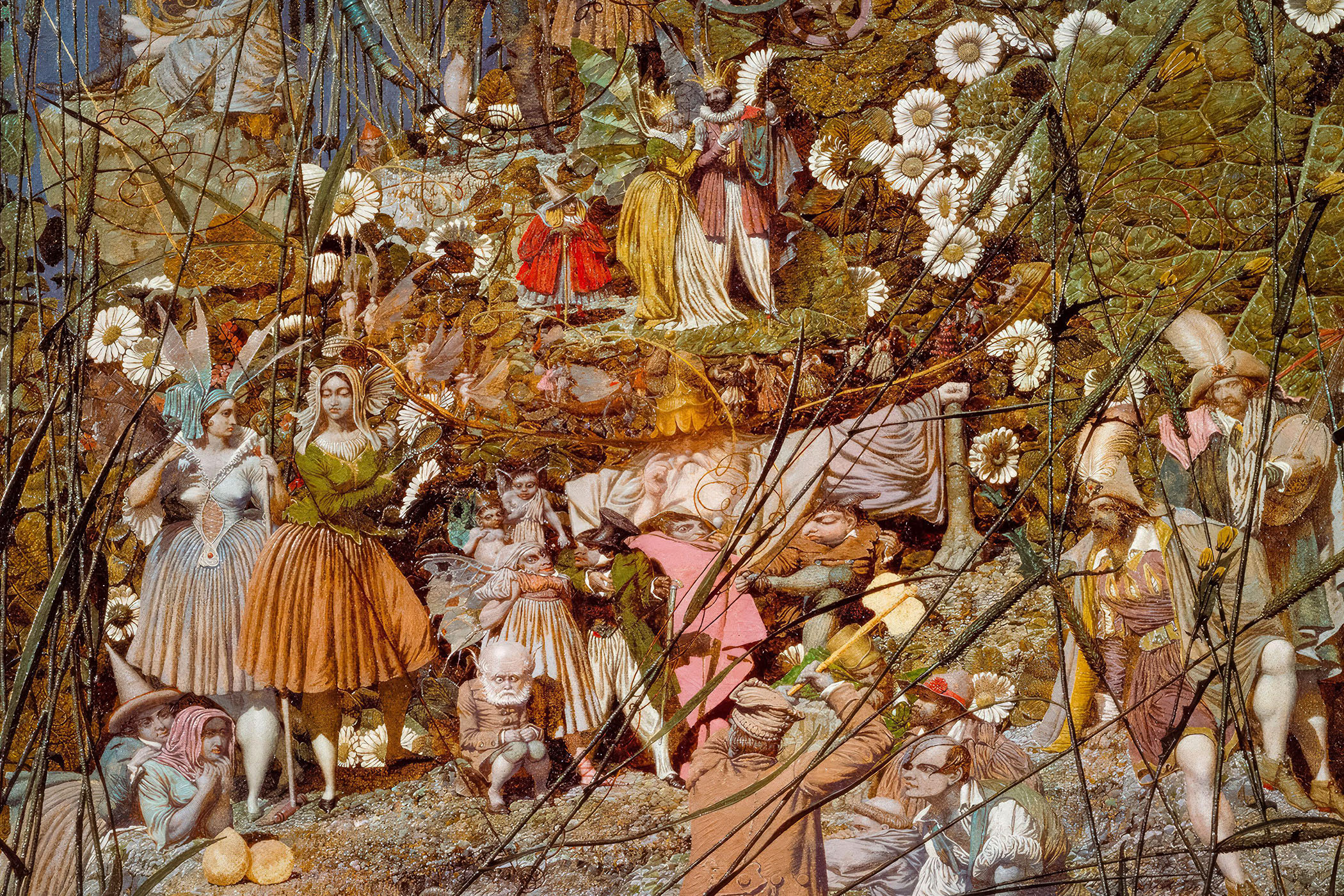
Publishers Barrington Stoke are old hands at overcoming hurdles to reading, with dyslexia-friendly fonts and tinted paper. Their latest, Lucy Strange’s Murder on a Midsummer Night (£7.99), is a slim, pacey and knowing romp through a country house murder mystery. Did the Crow King, a supernatural being said to appear in the maze at midnight, do it? The gardener? Bumbling plod Inspector Plum is no match for young Eliza, who triangulates motive, means and opportunity to figure out who poisoned annoying wine snob Magnus Cooper at a costume garden party on midsummer night.
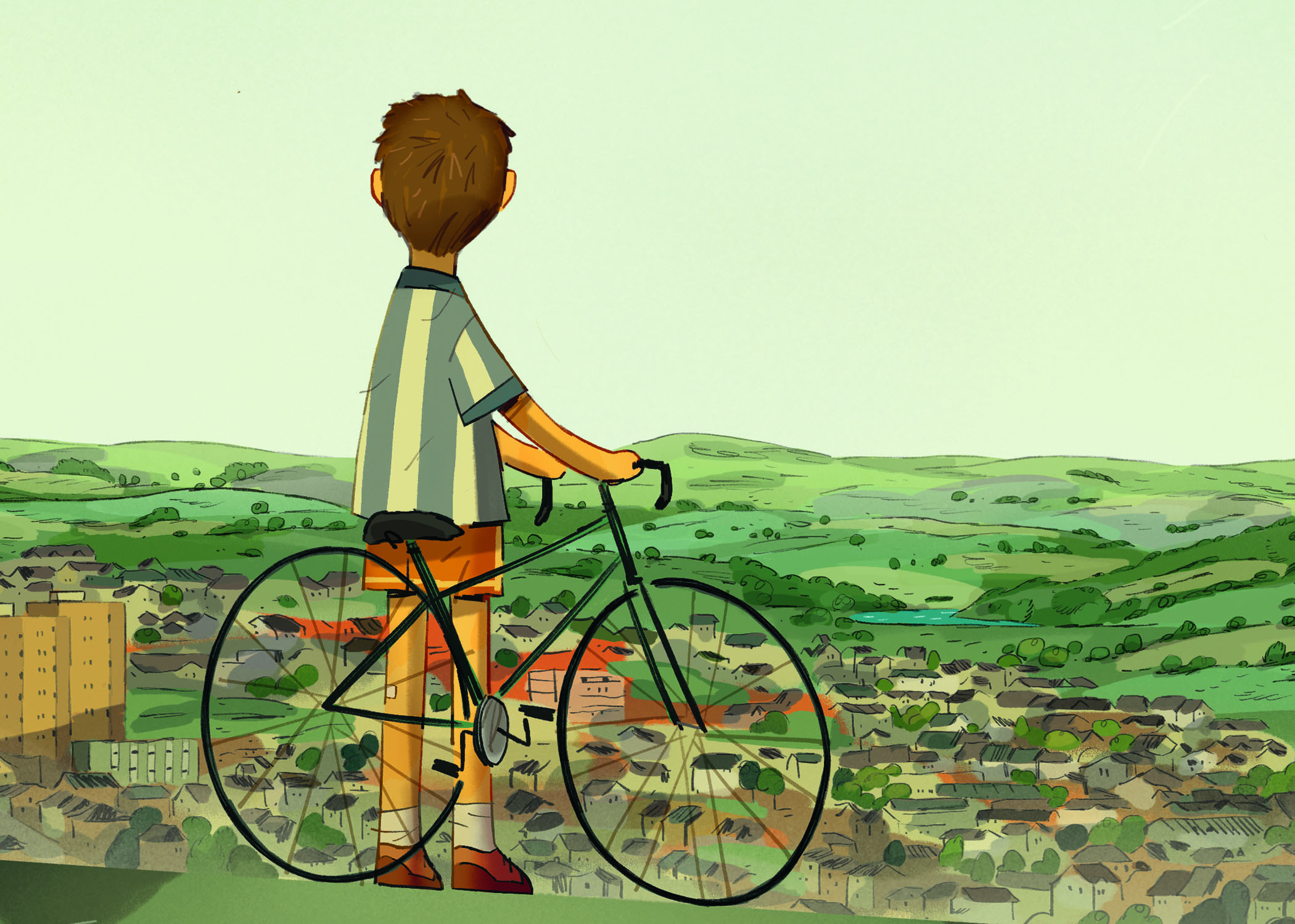
Summer also looms large in Six Weeks (Starboard, £8.99), a prose-verse book with lots of white space on the page by award-winning poet Matt Goodfellow. Alfie Piper isn’t processing the loss of his mother, can’t face his friends, and feels caught between his dad’s new family, his mother’s problematic kin, and his estranged stepfather, referred to bitterly as “him” throughout. Riding his bike is the only option, until a mechanical fault lands Alfie back at his old house, now empty of his mother. It turns out, though, that “he” is quite handy with tools. A very down-to-earth tale of flawed love and slow healing in the hills that frame Sheffield.
Newsletters
Choose the newsletters you want to receive
View more
For information about how The Observer protects your data, read our Privacy Policy
Amelia Tait recently shared her historical research for her book, Lily Tripp: Diary of an Accidental Time Traveller (Starboard, £8.99) in these pages. (Yes, another diary, but they sell – and encourage writing.) Boy-mad and frothy with block caps, it rides the KS2/KS3 cusp with some brio, smuggling history about the status of women into the plot. Lily has become accustomed to time travelling on New Year’s Eve, but suddenly, she is unexpectedly plunged into a series of time skips in which contretemps with her nemesis, the snobby Georgia, go from bad to worse. Georgia calls her a witch. Except this time, it’s 1621 and that accusation can mean imprisonment, or a dunking in which the innocent drown. A cast of frenemies is, naturally, on hand to complicate matters.
Any parent, grandparent or carer pining for a good, old-fashioned, yet present-day Enid Blyton-esque plot need look no further than the excellent Natasha Farrant, a children’s author who regularly delivers both heart and inventive scenarios. The Children of Wolf Rock (Faber, £7.99) is set at a school that’s half Hogwarts (Scottish castle), half Bedales (kids roam free). Minna, Kass and Tom, misfits with misgivings about one another, are marooned there for the holidays. When they discover a secret valley where a teenage girl, Aggie, is camping out with her dog, the time passes idyllically. Then Aggie disappears and the three must get past their differences to unravel what might have happened – not just to Aggie, but to Aggie’s grandmother, who Aggie believes is the victim of elder abuse at the hands of her controlling stepfather. Cue bravery and derring-do with high stakes and lashings of just deserts.
Order any of the titles listed from The Observer Shop to receive a 10% discount off RRP.
Photograph by Joe Todd-Stanton