
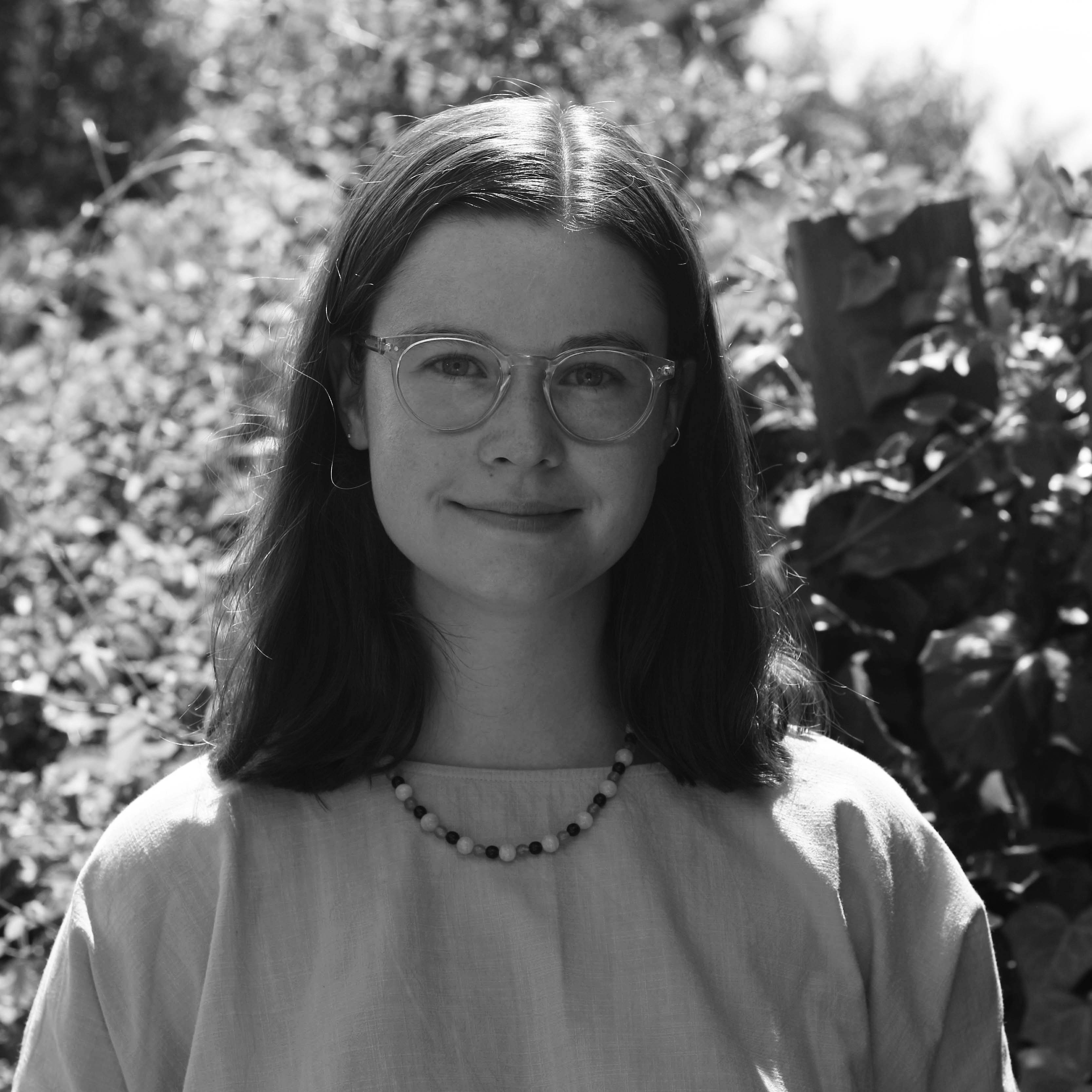
Portrait by Hanna-Katrina Jędrosz for The Observer
Emma-Lee Moss, 42, is a musician and writer. She is best known as Emmy the Great, the moniker under which she released four albums of indie pop between 2009 and 2020, before retiring the stage name in 2023. Born in Hong Kong to a Chinese mother and British father, Moss moved with her family to the UK aged 11. Her first book, My Cantopop Nights, is a memoir through song, exploring how her relationship with Cantonese pop holds the secrets to solving her crisis of identity. She lives in East Sussex.
How long has this book been in the works?
I thought I’d had the idea just before I pitched it, but after a year of writing, I was looking through an old computer and found a version that I’d started writing when I was about 26. It was the exact same premise – about identity and Cantopop. I realised I’d been trying to write this book basically my whole adult life.
Had you forgotten that early version?
Totally. In the section I had started, it said: “I woke up in Sussex at the age of 11,” which is essentially where my current book starts. And then I thought: are all writers just solving one central internal problem?
What is that problem for you?
I always used to say, “I’m writing a book about the fact that I moved house when I was 11.” But what I mean is that it really affected me to feel like I left my childhood behind. When we moved, I was on the cusp of adolescence. Hong Kong was the place where I had my childhood, and then two years after I left, Hong Kong ceased to exist as I’d known it. It was a hard stop. I’ve always tried not to let it define me – to not always be the girl from Hong Kong. Now I’m older, I’m acknowledging that it might define me.
That “hard stop” was the 1997 handover of Hong Kong from the UK to China. How did you understand it at the time?
I was born in 1983. If you plot Hong Kong history on a timeline, 1984 is when shit got real, because they had the meeting where they bashed out Basic Law. So the entirety of my time in Hong Kong was a period of wondering what the handover was going to be like. There’s a song I mention in the book called The Stars Are Bright Tonight by Tat Ming Pair, which includes the line: “The beauty and the glamour of the city is so dazzling, but is it going to fade?” That was the main psychic atmosphere of my childhood.
How did that feel?
There was a real main-character energy in Hong Kong when I was a kid. For such a small island, it was so dominant around the world, so there was a sense that everything was about us. The handover fed into that. I interviewed Patrick Alexander, who started international school DIY punk bands including Star Whores and That Guy’s Belly, and he said that time was so romantic because everything was doomed; your band was over after the next gig, because someone was going to move to another country because of the handover.
Where should new listeners to Cantopop start with the genre?
A favourite way to describe it is as a mixture of western pop and Cantonese opera. The person that I’m chasing the most in the book is Faye Wong. Listen to Dream Person, which is her cover of the Cranberries’ Dreams. There is only one person who could have done Dolores O’Riordan justice, and that is Faye Wong.
Why did you feel embarrassed about your love of Cantopop once you moved to the UK?
It was this deep teenage understanding of: I need to hide this. I got that from British culture; I must have intuited something about fitting in. But I also got it from the hierarchy in Hong Kong: the argument that was happening inside me was like the culture of Hong Kong – it was between my mum’s side, the local Chinese-speaking community, and my dad’s side, the expat community. There were always power shuffles between them, and this colonial dismissiveness of local culture that I internalised. I did myself an injury, because Cantopop was such a huge part of me.
So much of the book is about your shifting identity. How did becoming a parent shift it again?
It was a massive crisis. I don’t mean a bad crisis, but there was a sense of a complete paradigm shift after becoming a parent. It was also a huge gift: sometimes now I am a lady who’s really good at papier-mache. It’s about understanding that your identity is constantly shifting, and not letting that freak you out to the point of panic or stasis.
Does Emmy the Great feel far away to you now?
I really loved being Emmy the Great, but [retiring her] felt right, like something I had to offer up to the universe in order to carry on along my own path. I feel a huge amount of grief that I am not using that identity any more, but in reality I’m still her. I can play the songs whenever I want. I can pick up the guitar any time I want. It’s very symbolic and real, and it’s also not at all.
A lot of people would love to make albums. What is it about writing books that appeals to you?
I’ve never belonged anywhere, but I’ve always been at home with books. Making albums was incredible – I love writing songs and I am a songwriter – but books are my people. I like all types of books: I read children’s books, I read adults’ books, I read bad books, I read airport novels, I read serious novels.
What are your favourite memoirs?
Joan Didion’s The Year of Magical Thinking is one of my favourites. And I thought the energy of Priestdaddy by Patricia Lockwood was really good, the way that it was so zany. The more creative memoirs – that acknowledge how difficult it is to write about your own life and the truth, that leave in the ambiguity – made me feel a bit less daunted by the process.
My Cantopop Nights: A Memoir in Songs is published by Jonathan Cape (£22). Order a copy from The Observer Shop for £18.70 (15% off RRP). Delivery charges may apply
Newsletters
Choose the newsletters you want to receive
View more
For information about how The Observer protects your data, read our Privacy Policy