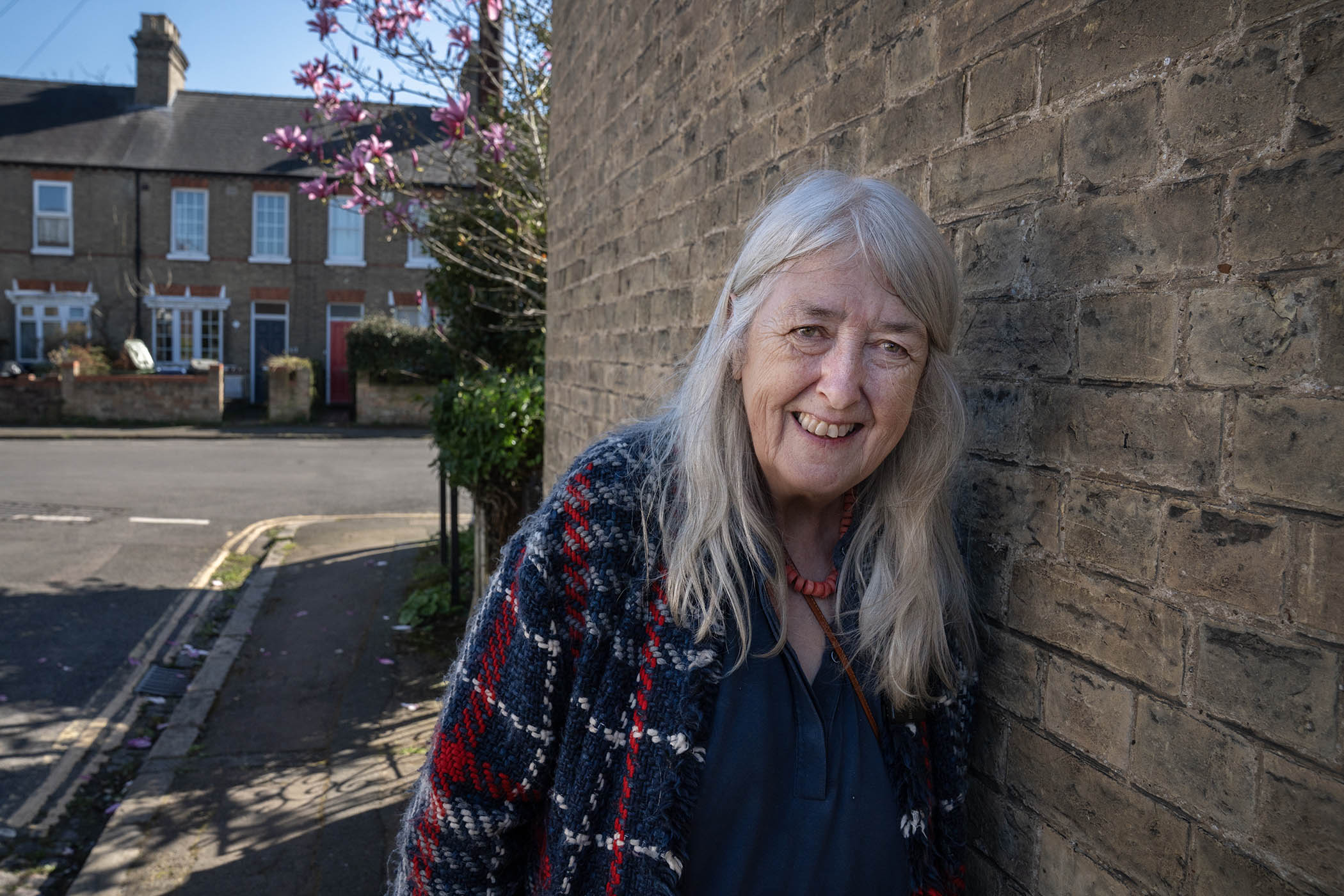

In 2004 a “new” Sappho poem was discovered in collections of the University of Cologne. Although some of its lines were known from a tattered papyrus previously excavated in Egypt, scholars hailed the find of a lifetime. But many general readers were not convinced. The fragmentation of the earlier piece suggested an alluring, personal lament for lost youth, while the later, more complete poem offered didactic, communal verse – the less “relatable” reality of the customs of the classical world. For Mary Beard, long established as the ancient world’s ambassador to the present, such difficulties lie in the way we perceive a distant past “both wonderfully familiar and tantalisingly inaccessible”.
In her cogent new volume of essays, Talking Classics: The Shock of the Old, based on a 2023 series of lectures at the University of Chicago, Beard explores the paradoxes at the heart of our engagement with classical civilisations. She begins in the British Museum with the young Beard fascinated by a piece of 4,000-year-old Egyptian bread. She stops at Herculaneum to wonder at scabrous graffiti on a lavatory in the town before visiting the 9/11 memorial in New York, carved with a moving quotation from Virgil’s Aeneid: “No day shall erase you from the memory of time.” Entertaining as well as erudite, she raises eternal questions – Who owns the past? Why do we study it? What does it tell us about ourselves? – with the help of sometimes surprising expert witnesses, from George HW Bush to Beyoncé, Louis MacNeice to How to Be Topp’s errant schoolboy Nigel Molesworth.
Digging deep into the intricacies of interpretation and the pitfalls of presumption, Beard offers up a selection of startling anecdotes: how the American gun lobby adopted the Greek cry of Molon labe, or “Come and get them”, the retort of the Greeks when invading Persians demanded the surrender of their weapons. Or the detail that Marcus Aurelius’s Meditations was filed under “Jobhunting” on Amazon. My own favourite is the revelation that the iconic 1888 edition of Kennedy’s Latin Primer, used by public schoolboys in classrooms since, was actually the work of author Benjamin Hall Kennedy’s two suffragette daughters, Marion and Julia.
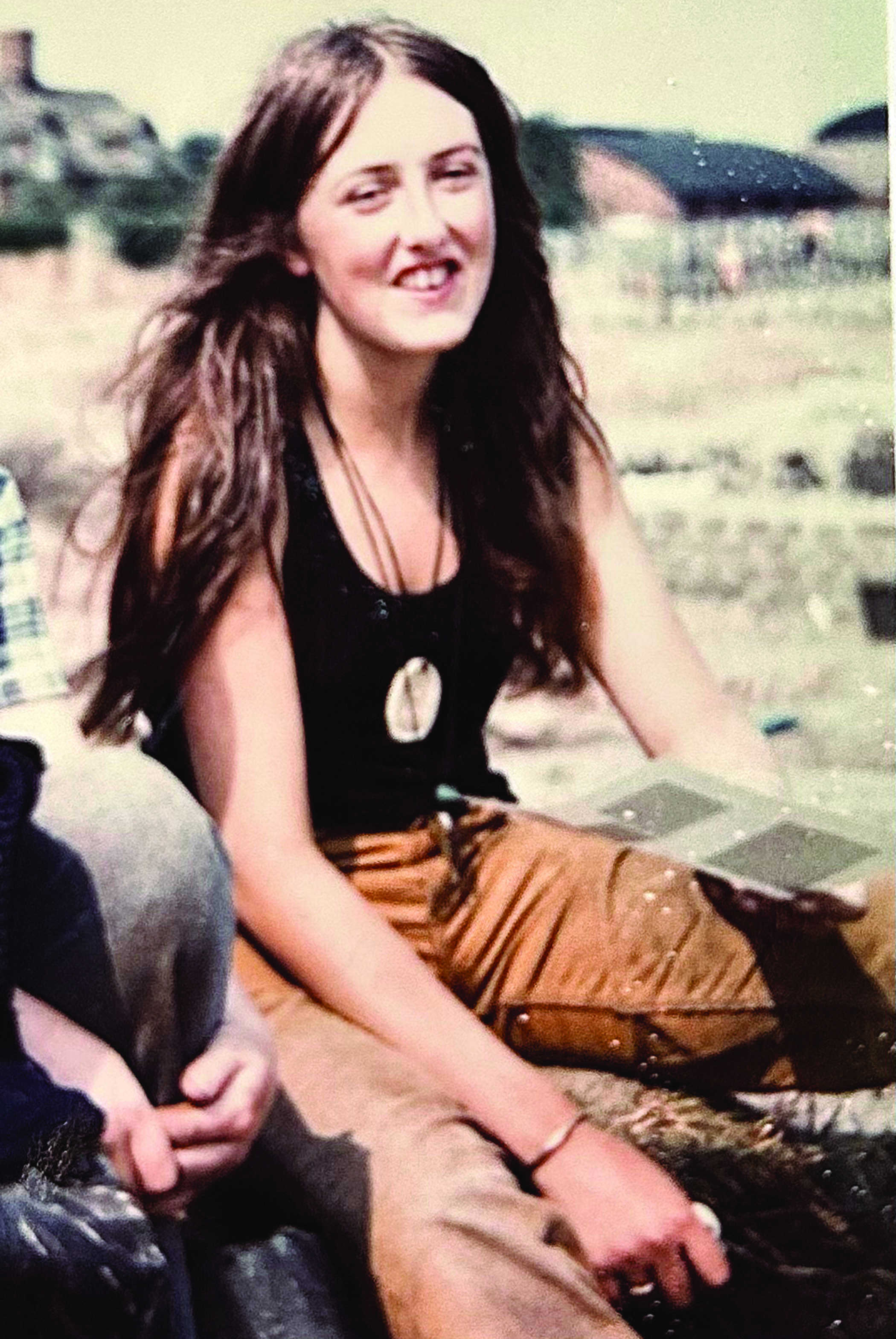
‘Mary Beard, aged 17, on an archaeological dig
Beard is at her best when demolishing monoliths, arguing that we must always seek to understand ancient culture in its own context. She explains how canonical works such as the Aeneid or Praxiteles’s statue of Aphrodite were radical and disquieting in their own time. She refutes “timeless truths”, namely that we owe our concepts of citizenship to ancient Rome or democracy to Athens. Despite its appeal to gun lobbyists, she disagrees that classics naturally swings to the right (as the recent anti-Trump No Kings marches across the US demonstrate – a sentiment both republican Rome and democratic Athens would have strongly endorsed). All the same, Beard enjoys the irony that, while Pompeii was bombed by the allies during the second world war, Mussolini restored Rome’s “big ticket” archaeological sites.
Beard admits that, for a long time, Latin and Greek acted as “gatekeepers of privilege”. She recalls how elite universities insisted on proficiency in Latin, even for those studying science, until as late as 1960. And while its decline has been bewailed for at least the last century, the statistics are stark: in 1959, 45,000 students in the UK sat O-level Latin. For GCSE in 2024, there were a mere 5,000. But her comments on the gender gap in the field perhaps hit hardest. She recounts how, in the 1980s, she was the only female lecturer in a university department of 30. Even more astonishingly, she confesses that she has “never felt 100% at home as a Cambridge classicist”. Having attended a boys’ school in the mid-1970s to take A-level Greek, where my classmates had several more years’ experience in the language, I feel her pain.
So what do we gain from classical studies? Why and how is it important? In her final essay, The Case for Classics, Beard answers her own questions. Antiquity’s remoteness, she concludes, is its secret power. As poets and novelists have recognised, re-voicing today’s dilemmas through classical filters enables us to approach the unapproachable and say the unsayable; to address all the “difficult things” the discipline throws at us with the impunity of time long passed.
Scholarship, particularly classical, is often seen as a place to hide. But for Beard it is somewhere we can debate freedom of speech or resolve bitter conflicts with nuance and empathy. And if there is nothing dramatically new here (a Further Reading section directs the way to important recent research), Talking Classics deftly and succinctly maps a way through our problematic relationship with the complex, confusing, yet always compelling territory of the ancient world.
Talking Classics is published by Profile Books (£16.99). Order a copy at The Observer Shop for £14.44. Delivery charges may apply.
Photographs by Tom Pilston, Diana Bonakis Webster
Newsletters
Choose the newsletters you want to receive
View more
For information about how The Observer protects your data, read our Privacy Policy