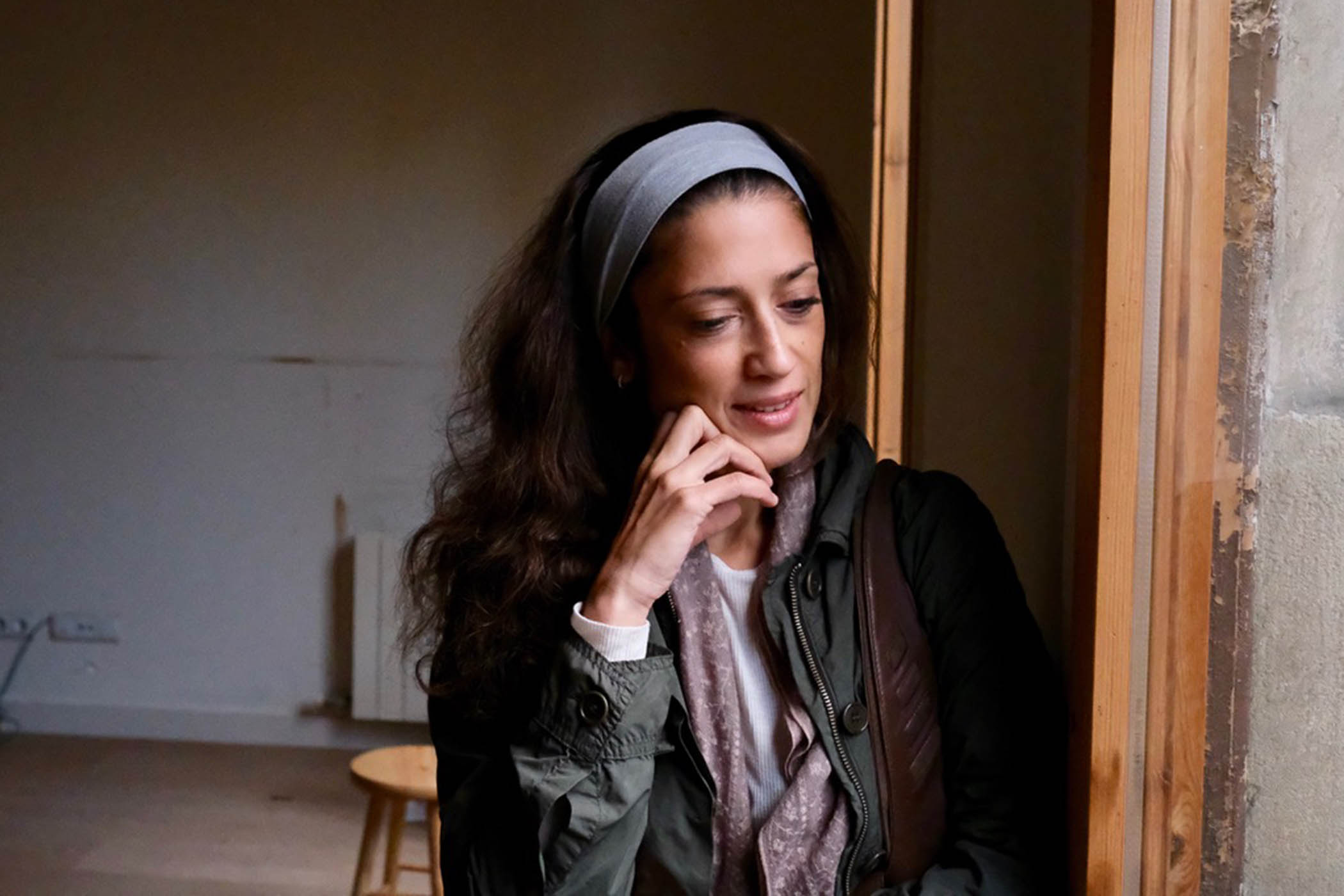


Fatima Bhutto’s first memoir, Songs of Blood and Sword, was published in 2010 as a response to the acquittals of the police officers accused of murdering her father, the Pakistani politician Murtaza Bhutto, outside his family home in 1996.
What she offered in that book was a personal angle on public events, and an insider’s view of the turbulent history of Pakistan’s most prominent political dynasty – her grandfather, former prime minister Zulfikar Ali Bhutto, was sentenced to death by court ruling and her aunt Benazir was assassinated. Bhutto herself spent most of her childhood living in exile, schooled by her father to expect that one day the danger they were outrunning would catch up with them. “I had grown up with the ever-present threat of violence and the understanding that it could come for those I loved at any time,” she explains in her new memoir, The Hour of the Wolf.
She is clear-eyed about the personal cost of this history of generational trauma, the multiple stress-related illnesses that afflicted her as she toured to promote Songs of Blood and Sword. “I calmly relived the worst moment of my life on a stage day after day,” she says, adding that afterwards, “I spent days alone in unlit rooms, unable to speak to anyone or get dressed or eat, hiding from a pain that followed me everywhere.” But The Hour of the Wolf is the first time she has detailed the emotional legacy of her past – specifically how it left her vulnerable to the attentions of a narcissist.
“I am not a confessional writer, and I have had my privacy violated enough for one lifetime, had enough intrusion, speculation, and endless interventions from strangers because of the unusual circumstances of my life,” she writes, explaining her initial resistance to this subject matter. The book is altogether a more intimate and interior memoir than her previous one – it’s no coincidence that much of the story unfolds during pandemic lockdowns – and it centres on two intertwined relationships: one with her dog, Coco; the other a decade-long entanglement with a long-distance lover she refers to only as “the man”. In a recent interview, Bhutto said that the original draft was almost entirely about Coco, and that her agent suggested it might need something more. It was only when she decided to tell the truth about this hidden chapter of her life that the writing picked up momentum.
It’s a relief that she did, because – with sincere apologies to dog owners – the parts about Coco are less interesting. Though Bhutto quotes the American nature writer Barry Lopez on wolves, and drops in erudite nuggets about the history of our connection with dogs and their cultural significance, it’s hard to avoid the fact that a jack russell lacks the dramatic punch of, say, a goshawk or a hare when it comes to narratives about healing through connection with the wild.
Over the next 10 years, ‘the man’ presents Bhutto with more red flags than a North Korean military parade
Over the next 10 years, ‘the man’ presents Bhutto with more red flags than a North Korean military parade
The account of her relationship with the man is of a different order, and is the raw, bloody heart of the book. Much of Bhutto’s life story is so extraordinary that it appears worlds away from common experience; this episode, by contrast, will be all too painfully recognisable to any woman who has endured an emotionally coercive relationship and justified it to herself.
The man is handsome and charismatic; she meets him in her late 20s, while promoting Songs of Blood and Sword, and he immediately perceives the burden of her unprocessed grief and trauma. He promises to help her heal. Over the next 10 years, he presents her with more red flags than a North Korean military parade, and still she persuades herself that she loves him and wants his children. Her “gnawing hunger” to become a mother is part of his hold over her; he continually promises that in some unspecified future he will be ready to settle down and make a life with her. Years pass. He belittles her, betrays her, loses his temper in public, so that shop assistants and cab drivers express their concern. He lavishes affection on her dog – bizarrely telling her that he thinks of Coco as his daughter – while treating Bhutto with a deliberate and targeted cruelty as she channels her frustrated maternal drive into Coco’s pregnancies.
Bhutto, who is also the author of two novels, writes elegantly and with unselfpitying insight into the ways in which her exceptional circumstances left her vulnerable to this man’s manipulations. At the same time, she expresses a discomfort with this shift from the political to the very personal, questioning the value of “writing about animals and a gaslighter only a fool would have believed”. In one section, she lists a series of recent atrocities in her homeland, capping it by asking, rhetorically, “Did I tell you all the above so you will think I’m serious too?”
Emotional abuse is a shadowy subject – no doubt some readers will be baffled and appalled by the fact that an intelligent woman would suffer it for so long. Bhutto acknowledges the shame that almost kept her silent, and that does the same to others. Her honesty, together with her tender tribute to the steadfast love of her canine and human friends, is a powerful weapon in breaking that shame. This is a book that will undoubtedly make people feel less alone.
The Hour of the Wolf by Fatima Bhutto is published by Daunt Books (£10.99). Order a copy from The Observer Shop for £9.89. Delivery charges may apply
Newsletters
Choose the newsletters you want to receive
View more
For information about how The Observer protects your data, read our Privacy Policy
Photograph by Pankaj Mishra