
Related articles:


When The Visiting Privilege, 500 pages of collected stories by Joy Williams, was published in 2015, it felt like a summation. But it “seemed somewhat like a pre-obit to me”, Williams said recently, “a feeling I wanted to dispel”. So now we have The Pelican Child, which gathers stories mostly published over the past 10 years, some of which rank alongside her best.
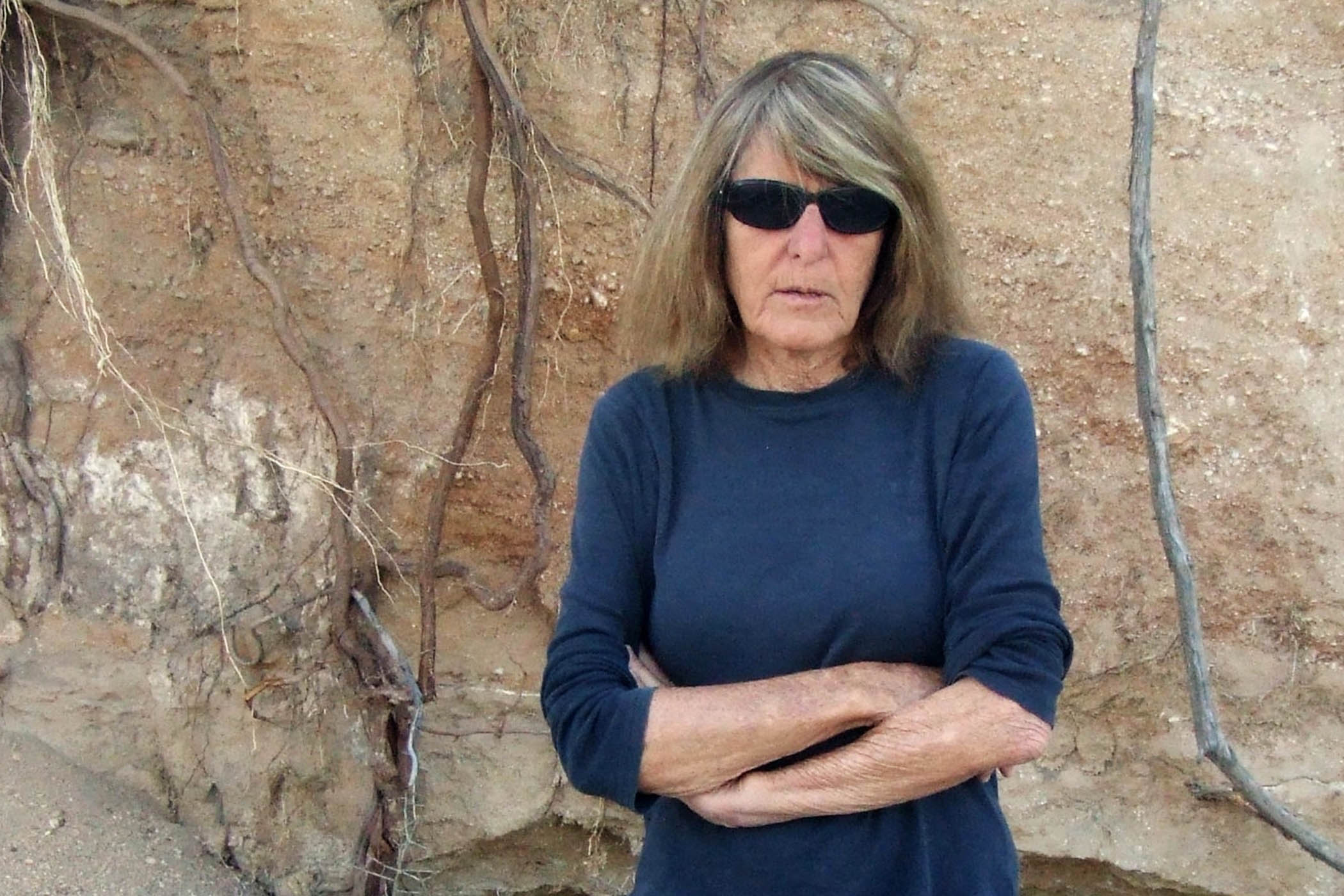
Williams, now 81, is my platonic ideal of a writer. Consider this description from the Paris Review in 2014: “She divides the seasons between Arizona, Florida, and New England, crisscrossing the country in an old Ford Bronco with two sable-black German shepherds, writing in motels or as the occasional guest of a college. She uses a flip phone. She types postcards in lieu of email. She has never owned a computer. She continues to wear the same prescription sunglasses, indoors or out, night or day.”
Williams blends the real and fantastical in differing proportions. She is often called a surrealist, which is an approximation only but gives the general idea. The stories of hers I like best are the ones where we don’t know if we’re being given a weird slice of reality or a real slice of weirdness. In The Pelican Child the ones that achieve this tend to be depicting mental states warped by circumstance. In a recent magazine piece about the death of Gene Hackman, Williams wondered: “What is normal in the state of dementia, where connections are not being made, where tangle is all, objects take on a curious aspect, and where there is an unpleasant flavour to the hours?” She might have been describing some of the stories here.
In a couple of striking instances she tails her characters right to the threshold of death, and even just beyond it. Here are the closing lines of Chicken Hill: “Ruth was almost happy, getting to the bottom of it, for she felt that she had. The corners of her poor veranda were dissolving into shadow. She didn’t see the child leave her. She didn’t even see herself leaving, having just, at last, gone.”
There is a tenderness to such moments only more striking for not being Williams’s natural mode. She favours animals above humans, nature above civilisation. In the past she has spoken against anthropocentrism: “We live and spawn and want – always there is this ghastly wanting – and we have done irredeemable harm to so much. Perhaps the novel will die and even the short story because we’ll become so damn sick of talking about ourselves.”
Almost incidentally, at the edges of these stories, we are given the modern America that exists away from the coasts and the cities: a denuded land of tapped-out mines and industrial slaughterhouses, security jobs, casual labour, and ageing, fragmenting communities. Amid all this, Williams is very funny – sometimes cruelly so – as in Stuff, when a man coming to terms with a cancer diagnosis is asked by his mother: “Why is your mouth open like that, Henry? Are you thinking?” At other times, she produces sentences as hauntingly strange as those found in the Bible’s weirder reaches.
Williams’s liking for absurdity and precocious children can test a reader’s patience. But if the most notable feature of this collection was its wackiness (George Gurdjieff’s ghost; multiple talking dogs), I wouldn’t be writing about it. Those take-them-or-leave-them elements are surface noise, distracting but ignorable.
Williams’s work is like a pirate radio station. Sometimes you know it’s there but the signal just isn’t coming through. Other times you lock in and hear sounds you’ve never heard before. Its mysteriousness is central. It’s no coincidence that the most resonant location in the book – in the story Chaunt – is a ruined chapel. A woman, grieving the loss of her child, thinks: “Something extraordinary was about to be known, yet at the same time it would never be known… That was its disturbing beauty, what made it irresistible.”
Related articles:
Order a copy of The Pelican Child from observershop.co.uk for £11.69. Delivery charges may apply
Newsletters
Choose the newsletters you want to receive
View more
For information about how The Observer protects your data, read our Privacy Policy