

About 18 months ago, suffering significant internal bleeding that seemingly couldn’t be stopped, I was told I might die. With that experience something I’m still working through, I’m naturally going to be interested when someone like the Australian neuroscientist Ariel Zeleznikow-Johnston comes along and says, guess what: we can actually live for ever.
Zeleznikow-Johnston’s plan to abolish death might seem to align him with those risible tech bros and their prepped cryogenic chambers, to whom death is a coding error. And to be honest, his hack to evade mortality isn’t all that different, but his book is painstaking in making its case. Before presenting his solution he leads us diligently through the various parts of the problem, beginning with why our lives last the length they do, then wrestling with how to define death – a knotty matter in an age of “extracorporeal membrane oxygenation”, when a person lacking both a functioning heart and lungs can be kept alive for weeks.
Zeleznikow-Johnston subscribes to the personal-identity definition of death. That is, a person is dead once the “personality, memories, desires, and other core aspects that make up their identity” – the “connectome” – are irretrievably lost. But if the connectome exists, we exist. In reaching this position, he also provides philosophical and neuroscientific grounding in the nature of consciousness, and how the brain stores and retrieves memories – which are, for many people, what makes us “us”.
This is terrain in which both the mapped and unmapped regions prove fascinating. The mechanisms by which we remember, describe, make plans, and come to understand our environment have been stripped and examined like engine parts, and yet “no neuroscientist has discovered where in the brain to find colours, tastes, moods, or any of the other qualia that constitute our inner experience. The depths of neuroscience have been plumbed, but the inner cave of consciousness could not be found.”
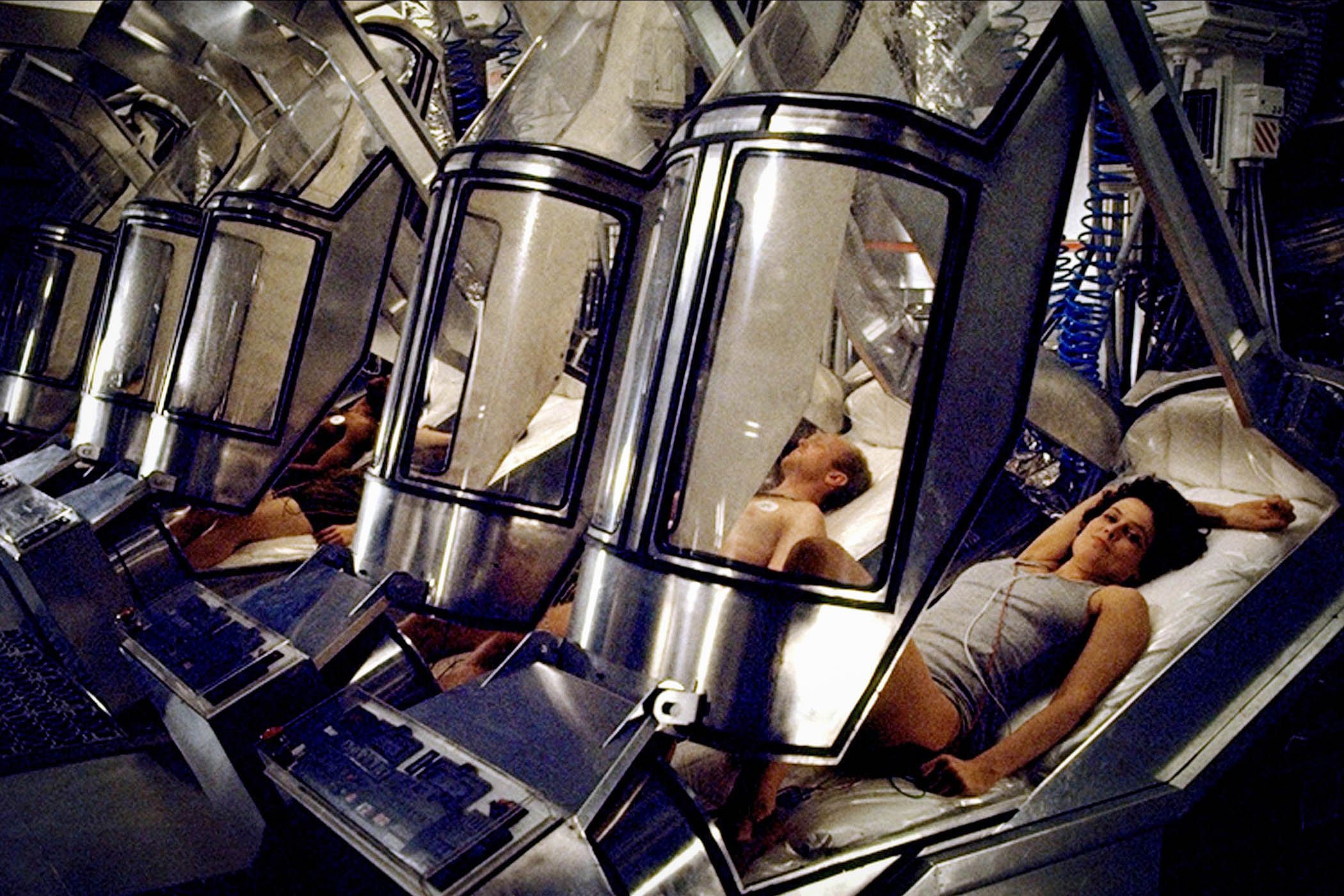
He endorses a process called vitrifixation, which effectively solidifies our bodily liquids into glass, to wait for our descendants
He endorses a process called vitrifixation, which effectively solidifies our bodily liquids into glass, to wait for our descendants
Only towards the end of the book does Zeleznikow-Johnston explain his proposed method of preserving those too unwell to survive at our present stage of medical and technological development. Rather than the sub-zero temperatures of cryonics, which he says harm the brain’s structural integrity and do “visible damage to its crucial circuitry”, he endorses a process called vitrifixation. It is used in fertility clinics to preserve egg cells and embryos, and, instead of freezing, it effectively solidifies liquids into glass. Once our bodies are preserved in this way, all we need do is wait for our descendants – should humanity survive long enough (he gives it a one-in-six chance of not doing so) – to revive us once their technology is capable of doing both that and curing whatever ailment made us opt for cold storage in the first place. He also floats another possibility: digitisation of the connectome for upload to a robot body.
As with any book attempting to explain cutting-edge research and theories on a complex topic to a general reader (and when it comes to neuroscience, there’s no reader more general than me), the balance to strike is between density of information and clarity. Zeleznikow-Johnston doesn’t always nail it, and some of his phrasing is clumsy (you don’t “hone in on details”, you home in on them; “dwindle smaller and smaller” is a tautology). But who am I to gripe about language with a man trying to end death? And for the most part, whether he’s describing cellular activity in a dying brain, the damage ice crystals wreak on a frozen body, or the lively debating chamber of modern theories of consciousness, he’s a fascinating, thoughtful guide.
But, for all the granularity with which he presents his scheme to abolish death, I didn’t finish the book believing it was feasible, or even desirable. Zeleznikow-Johnston doesn’t adequately consider the psychological impact on the living of the departed not being dead but merely awaiting resurrection. And I don’t share his overwhelming optimism about humanity’s future. But, hey, if he’s right and I’m wrong he can tell it to my gravestone.
The Future Loves You: How and Why We Should Abolish Death by Ariel Zeleznikow-Johnston is published by Penguin (£12.99). Order a copy from The Observer Shop for £11.69. Delivery charges may apply
Editor’s note: our recommendations are chosen independently by our journalists. The Observer may earn a small commission if a reader clicks a link and purchases a recommended product. This revenue helps support Observer journalism
Photograph by Allstar Picture Library Ltd
Newsletters
Choose the newsletters you want to receive
View more
For information about how The Observer protects your data, read our Privacy Policy