
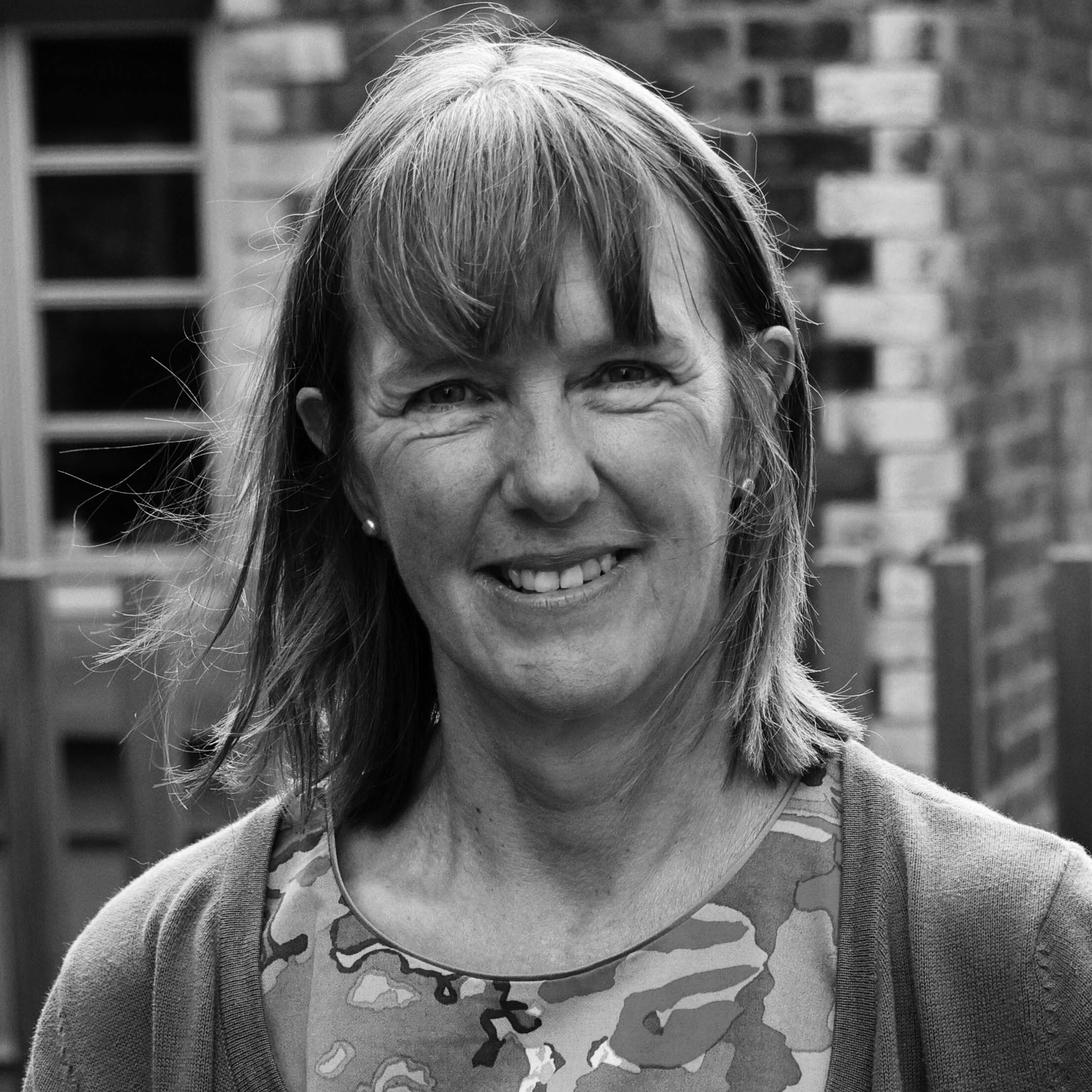


“Progressive” is the word Rebecca Solnit favours to cover the range of her concerns as writer and activist. But what hope can a “progressive” person hold today? Solnit is passionate and committed, but even she suspects “a lot of readers are thinking that the world right now is rife with white supremacy, misogyny, authoritarianism, transphobia, savage hypercapitalism, tragic consumerism, ecocide, and climate denial, and they’re not wrong”. Certainly not from her vantage point in California.
Solnit’s many books, innumerable articles, and several-times-a-day social media posts have for decades countered this “opposing ideology”. If that ideology seems presently to have the upper hand, she offers this short book as something like a coach’s half-time pep talk.
Solnit believes that behind the ghastly headlines (the media loves ghastly), a new world is actually being born. Delivery is well under way. Huge and positive changes have happened and continue, but we need to step back to notice them. Seeds and butterflies form her metaphors. Becoming a butterfly is no “elegant transition”; in its cocoon, a caterpillar has to turn to slurry. “The beginning – the next era – comes after the end of the last one, and in between comes a lot of falling apart.’’ We are in that time. “The old world is dying,” runs a famous version of a Gramsci quote from a century ago. “The new one is slow in appearing. In this light and shadow, monsters arise.” But Solnit says that worlds have come and gone, even since then, and some people “know that they live after the death of worlds” – especially the Indigenous peoples of the Americas. As for our present monsters, perhaps this moment is only “the fury of that backlash”, which can be interpreted as “evidence of the significance of what was achieved”, serving to show just how far “progressive” has become the norm.
Born in 1961, Solnit uses her own dates as a baseline from which to measure progress. The early 1960s was a time of “division and compartmentalisation… categories to keep us apart, keep us in our place”, a time when “the United States was a far whiter, far more Christian country than it is now” with “endless pictures of boards of directors, senates, cabinets, judge benches… oceans of white male faces”. With the pale males came associated hierarchies, deference and obedience.
Although she yearns for a new world, Solnit admits to nostalgia for the one she was born into
Although she yearns for a new world, Solnit admits to nostalgia for the one she was born into
History didn’t begin in 1961 of course, but two seminal works were published when Solnit was a baby: Silent Spring by Rachel Carson, and Martin Luther King’s Letter from Birmingham Jail. She begins with them and offers whistle-stop histories of the positive changes which have since come about for Black people, for homosexual people, for climate action and especially for Indigenous peoples. Even for readers familiar with these causes, Solnit’s precis are startling, like speeded-up film. (She believes that Indigenous and First Nations people have achieved the most astonishing changes of all. The book opens at a “land back” ceremony in California, held to mark the moment when land long held by ranchers was restored to the Federated Indians of Graton Rancheria. Indigenous knowledge is accepted and acknowledged by whites as never before.)
Progressive concerns can sound like a rag-bag list, but what excites Solnit is the interconnection between them. (King called it “a single garment of destiny”.) Change here begets change there; one interest group learns from another. Contemporary discoveries, especially in biology, are taken up by social justice movements: the realisation that “diversity is now recognised as essential to the health of ecosystems” is increasingly incompatible with authoritarianism. And despite the diversity of aims, all progressive activism proceeds with the same intention, which is to “make the invisible visible, the unheard heard, to bring in who and what has been shut out”. The solution to injustice is everywhere: “rights and equality” and “kindness”.
There are some, curmudgeons they may be, who believe that exhortations to “be kind”, especially if issued by government bodies, are themselves verging on authoritarian. Others may be weary of talk of ideologies and binaries, and distrust all of them. Interestingly, although she yearns for a new world, Solnit admits to nostalgia for the one she was born into, “the world before personal computers and the internet, and its stately pace and rhythm that seem so unhurried now… a world where you were on your own, resourceful, [guided by] an inner compass and memory… sticking to plans… talking to strangers… being intrepid in public and present in shared experience”.
Might there be an indigenous knowledge in there, which elders retain and which may have to be recovered, such as if our smartphones fail? We can decouple the resourcefulness and stateliness of the olden days from its oppressions and inequalities, its abuses and silences.
But we are where we are. A stately pace is hard to find. For whatever reasons, the monsters are monstering. Nevertheless, Solnit writes: “I have seen history itself unfold, and this witness has been one of the things that brings purpose and exhilaration to my life as a writer and a citizen of this earth.” For her, optimism is well-founded. “We face the past to remember, we face the future to dream.”
The Beginning Comes After the End: Notes on a World of Change by Rebecca Solnit is published by Granta (£14.99). Order a copy from The Observer Shop for £12.74. Delivery charges may apply
Newsletters
Choose the newsletters you want to receive
View more
For information about how The Observer protects your data, read our Privacy Policy
Photograph of Indigenous people taking part in a sunrise ceremony on Alcatraz Island in San Francisco, November 2025, by Ziyu Julian Zhu/Xinhua/Alamy