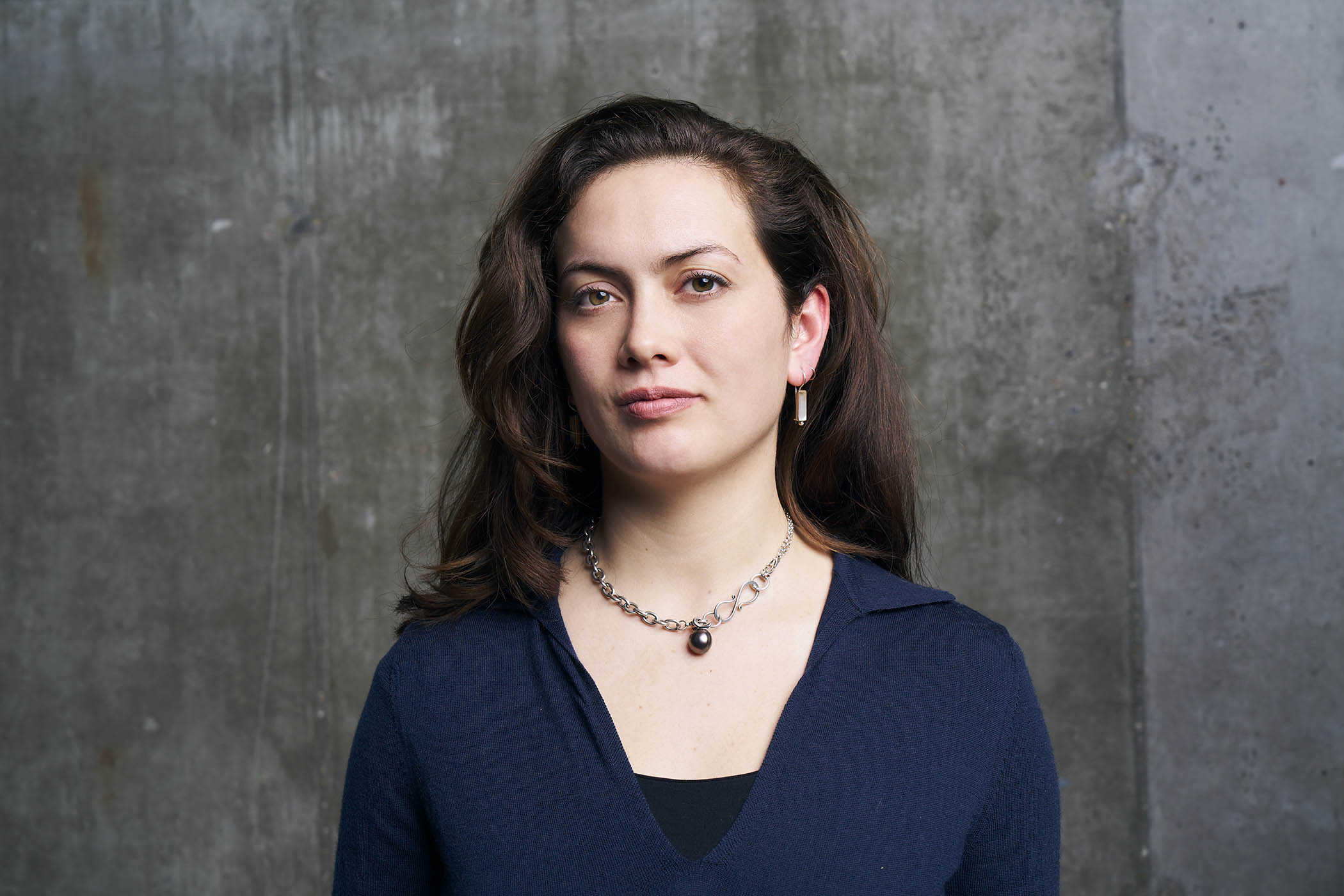

Stephanie Sy-Quia is one of this year’s debut novelists picked by The Observer as likely to impress. In her case, the panel had a little more to go on because, in 2021, Sy-Quia published a book-length poem, Amnion, which explored migration, displacement and identity. Amnion drew on Sy-Quia’s multi-stranded heritage, and her first novel, A Private Man, is also strongly autobiographical, taking as its basis her discovery, at the age of 16, that before marriage and parenthood, her grandfather had been a Catholic priest. What had made him leave the church, and why was she only discovering this now?
There is a similarly dumbfounded contemporary figure in the fictional version of these events: Adrian, older than 16 but still only starting out in adulthood, caring for his long-widowed and increasingly frail grandmother at her home in the south of France. He, too, is seething with questions, and the reader in turn wonders about him. How has he so smoothly turned his back on his London life? Why has his mother shrugged off her caring responsibilities with apparent ease to continue living her life in California?
But Adrian’s story is an unobtrusive framing device, and these puzzles are more generative as part of a slowly infilling family portrait than as plot points. The majority of the novel takes place at various critical junctures in the past: in 1953, as a seminarian finishes his journey towards the priesthood in Rome; in 1961, as a young woman escapes to the same city to train as a theology teacher at a newly established institute; and in the years after the two meet in the damper and less glamorous English Midlands.
For all its descriptive opulence, this is a novel stiff with tension, sorrow and fear
For all its descriptive opulence, this is a novel stiff with tension, sorrow and fear
David and Margaret, the priest and teacher in question, are both striking characters. It’s unsurprising that they share an immediate connection, despite her suspicions that he is there to keep her in order, monitoring and reporting her interactions with her students as priests are specifically required to do, “in the same way that newspapers had stringers in Fez or the secret services had their man in Havana or Istanbul or Beirut”.
She may not be right about David, but is certainly on the money about the pitiless hierarchy of the Catholic church, which views the pair’s more liberal interpretation of doctrine and the practising of faith as antagonistic – evidence not merely of insubordination but of personal weakness or even wickedness. As they grow closer, their position in the church – David as a natural, instinctive servant of God; Margaret as an intellectual, questioning convert – becomes untenable.
There is much religious and theological detail in A Private Man, and a great deal of discussion about male supremacy and female suppression, not least because we are in the time of Vatican II, the Catholic church’s great council of self-examination that opened in 1962. But there is much about the world beyond, too. Sy-Quia is wonderfully interested in beauty, conveying it with a poet’s gift for compression and echo, from the water flowing from buckets in a Roman flower market, “clean and cold, smitten with petals”, to a butterfly swimmer’s muscled back “Mannerist with the effort” (and also, less beautifully, to the laundry room in which a pregnant young woman is sick on the priests’ submerged shirts).
For all its descriptive opulence, it’s a novel stiff with tension, with sorrow, fear and disappointment wound into its most ecstatic and transcendent moments. Serious in its themes and concerns, it’s also fleet-footed and absorbing. Sy-Quia might have begun with a family story, but she’s ended up with a piece of impressively ambiguous fiction that explores different forms of devotion, and what happens when we reach their limits.
A Private Man by Stephanie Sy-Quia is published by Picador (£16.99). Order a copy from The Observer Shop for £15.29. Delivery charges may apply
Stephanie Sy-Quia appears at The Observer’s debut novelists event in London on 15 April and Cambridge literary festival on 26 April
Newsletters
Choose the newsletters you want to receive
View more
For information about how The Observer protects your data, read our Privacy Policy