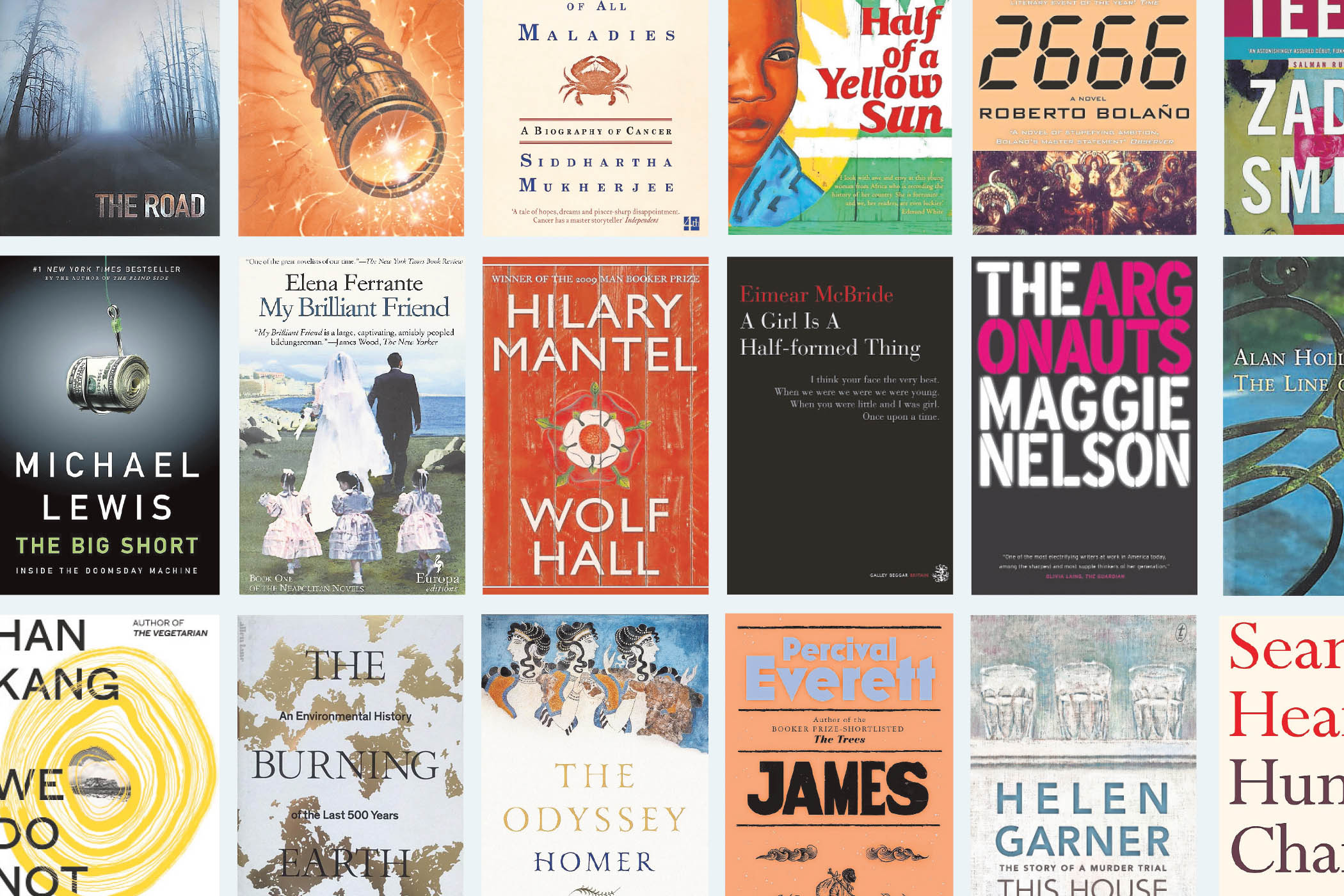

As a form, the list is seductive: the product of a tidy mind, it promises order in a world of chaos. But lists have a madness of their own. Our collection of the 25 best books of the 21st century is no exception.
What is “best”, you might ask? Also, how can you compare poetry with narrative nonfiction, short stories with science? How could you ignore this world-changing bestseller? Why is my favourite writer entirely absent? And where – for god’s sake – is the romantasy?
All are valid questions, but perhaps the most pressing is: why do a list at all? Mainly, because we thought it would be fun, having completed the first quarter of the century, to stop, unpack our cheese sandwiches, and take in the view. But also because there is something bracing about making hard decisions about what to include and what to leave out.
As we gathered nominations, we considered what we most valued. We were looking for mould-breaking language, storytelling superpowers, big ideas. Books that imprinted themselves upon our minds, altered our outlook or shaped our culture – though never (forbidden phrase!) “changed the world”. Books that might speak to the moment, but do not have a sell-by-date.
Choosing between titles was torturous – at times it felt as impossible as deciding which of your lungs to keep, or which of your children. Many great books were left out. But if there is an air of madness about the enterprise, our 25 books do, I think, capture something of the thrill of being a 21st-century reader. The explosion of essays and memoir, the return of the spirit of modernism to fiction. The quest to make sense of the financial crisis and the rise of big tech, the reckoning with injustices human and environmental.
Do vote for your top three online and tell us which of your favourites we missed – we’ll reveal the results in January. And if we make no grander claims for this list, it will, we hope, provide some welcome suggestions for what to read, or re-read, in the last days of the quarter-century. Tom Gatti
Which of these books do you think is the best of the century so far? Vote on your personal top three here – and tell us what we missed
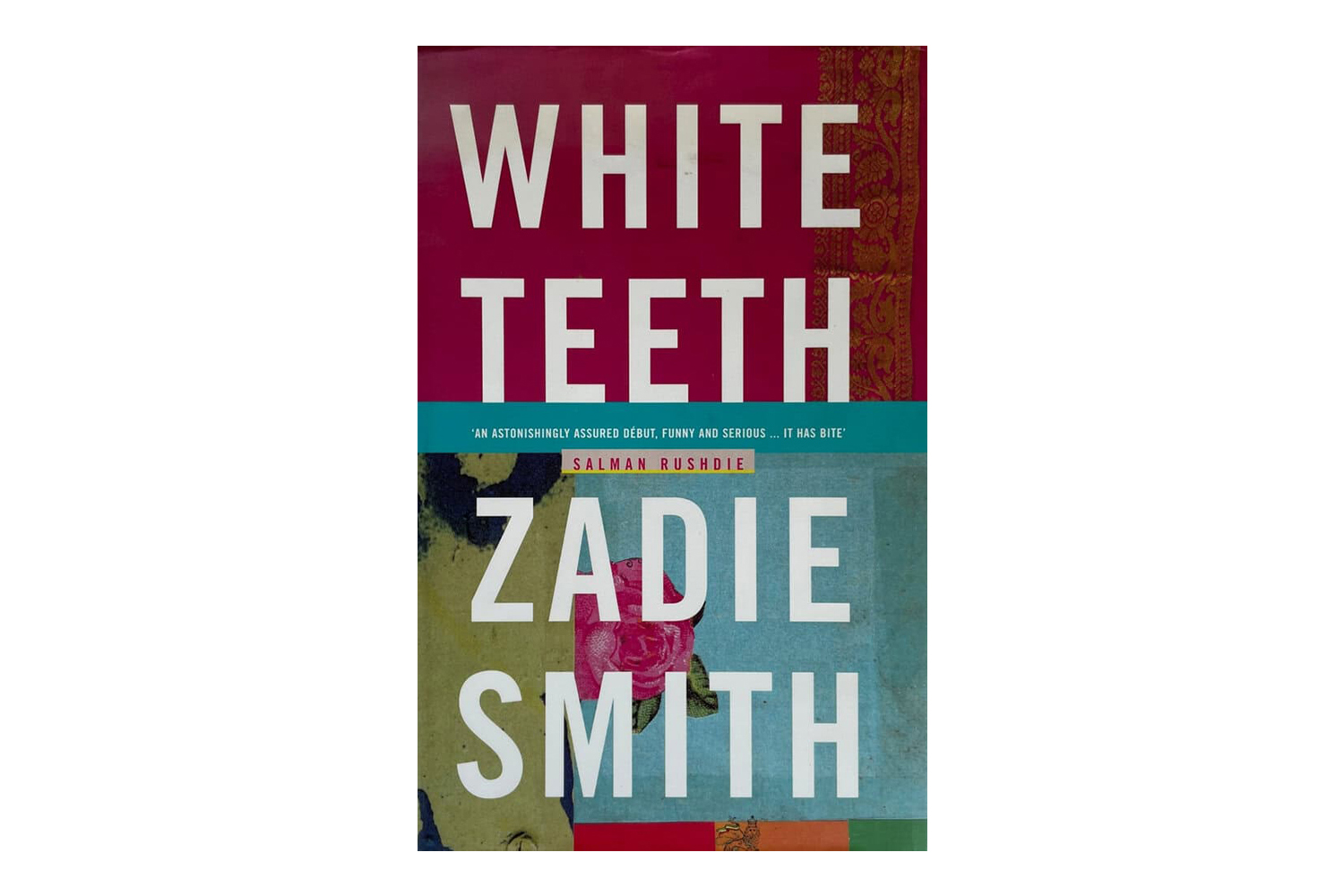
White Teeth Zadie Smith (2000)
Written on a diet of fry-ups and cigarettes while the author was still a student, this riotous London saga – multigenerational, multicultural, multi-everything – is an almost bittersweet pleasure to revisit. September 11 was about to make novels serious again and, chided for her over-the-top comic exuberance by James Wood, the century’s most influential critic, Zadie Smith embarked on a remarkable career of restless self-reinvention yet never again wrote with such carefree joie de vivre. Anthony Cummins
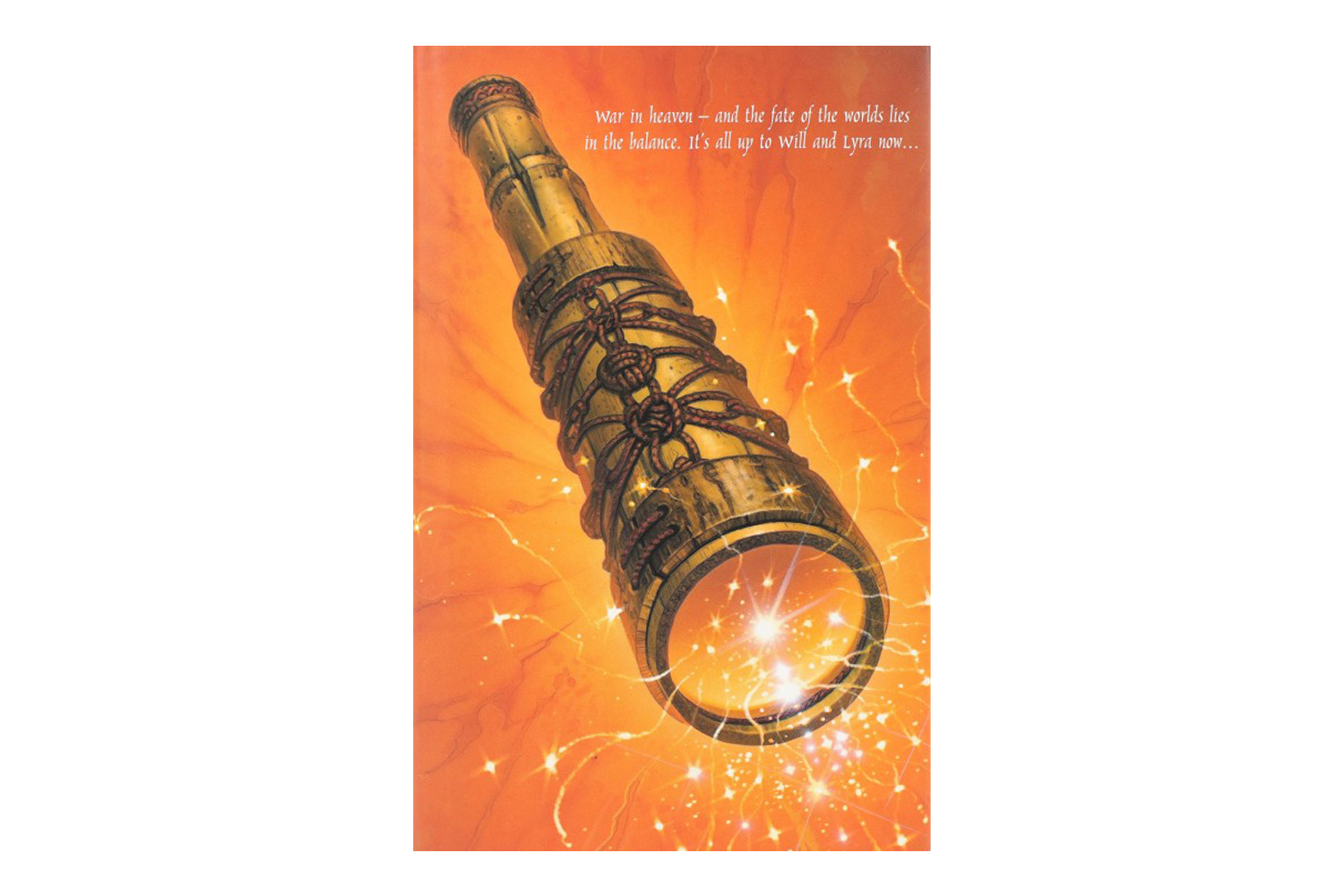
The Amber Spyglass Philip Pullman (2000)
Newsletters
Choose the newsletters you want to receive
View more
For information about how The Observer protects your data, read our Privacy Policy
Setting a meditation on religious tyranny and free will in a landscape of parallel worlds and armoured bears was already a stroke of genius. But in the final, thrilling volume of the His Dark Materials trilogy, Philip Pullman – never knowingly underambitious – raises the stakes even further by using his protagonist Lyra’s burgeoning sexuality to tackle the story of original sin. Children’s literature hasn’t always been taken seriously, but this novel made it impossible to ignore. TG
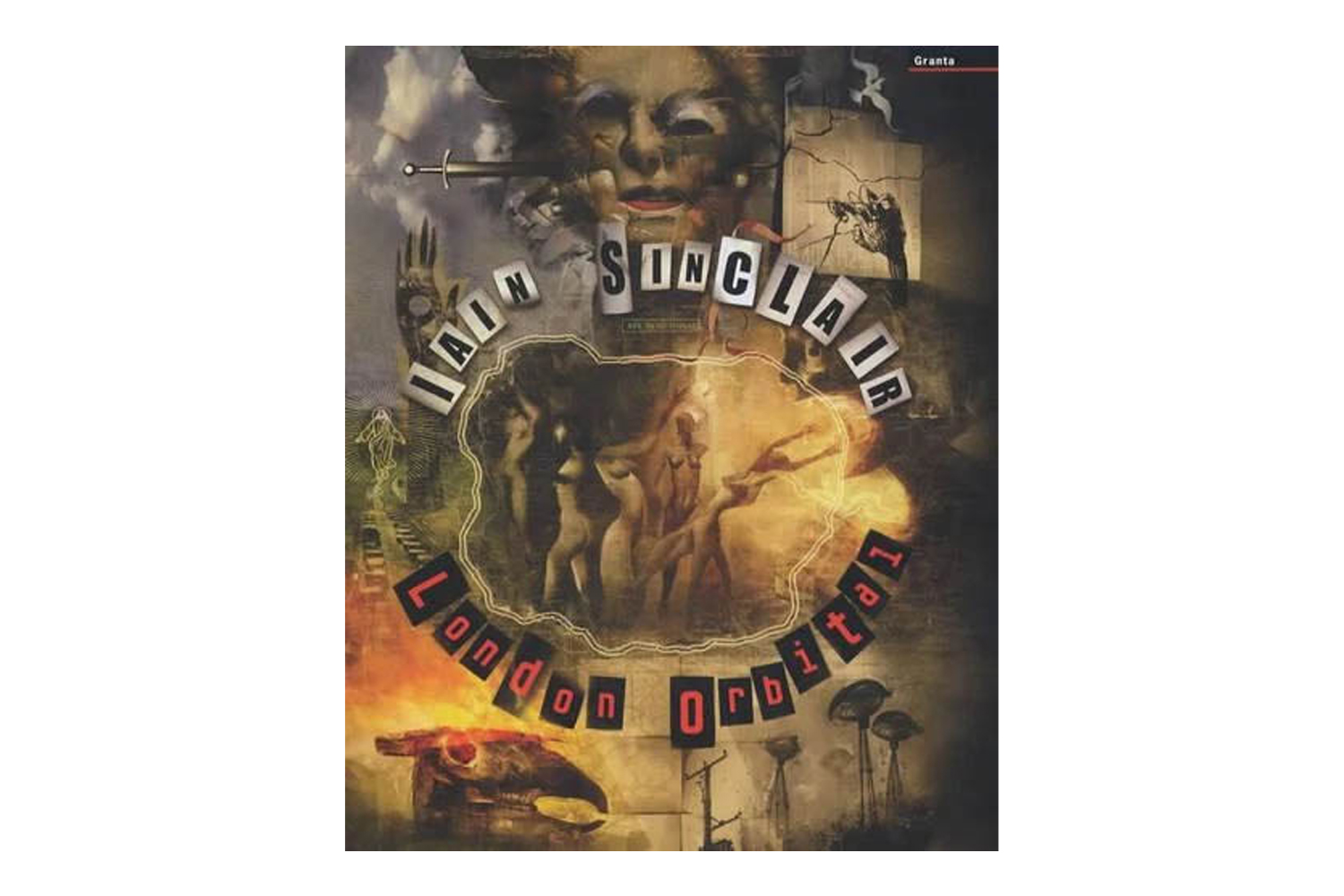
London Orbital Iain Sinclair (2002)
The “Hackney magus” invented a form of essay that mixes obsessive observation, historical anecdote and determined trespass. His journey on foot around the M25 is both a pilgrimage to “where London ... gives up its ghosts” and a dramatisation of an idea of cities that we all carry in our heads. The style has been much imitated, but “psychogeography” is too grand a term for it: grumpy and visionary by turns, Iain Sinclair rather enacts a unique satirical double act with the capital’s sprawl. Tim Adams
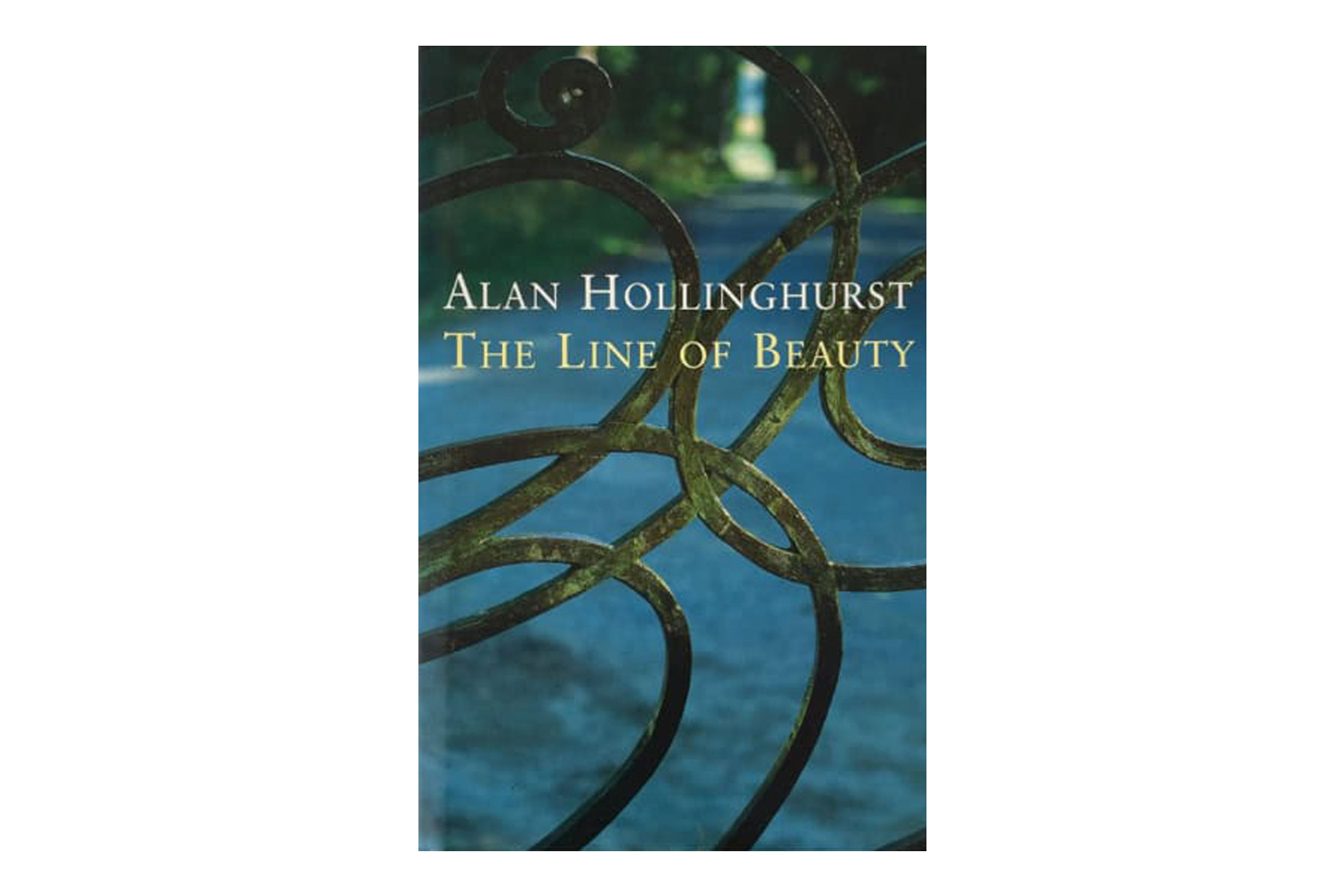
The Line of Beauty Alan Hollinghurst (2004)
The dazzle and drugs of the booming 1980s ensnare Nick Guest, a 20-year-old Oxford graduate who takes up the offer of lodgings from a Tory MP and Thatcher crony. Alan Hollinghurst’s Booker prize winner conjures clandestine gay Britain by pulling Guest through a revolving door of privilege and pleasure, assembling a satire of avarice and social climbing. The great English social novel of its era. Olivia Ovenden
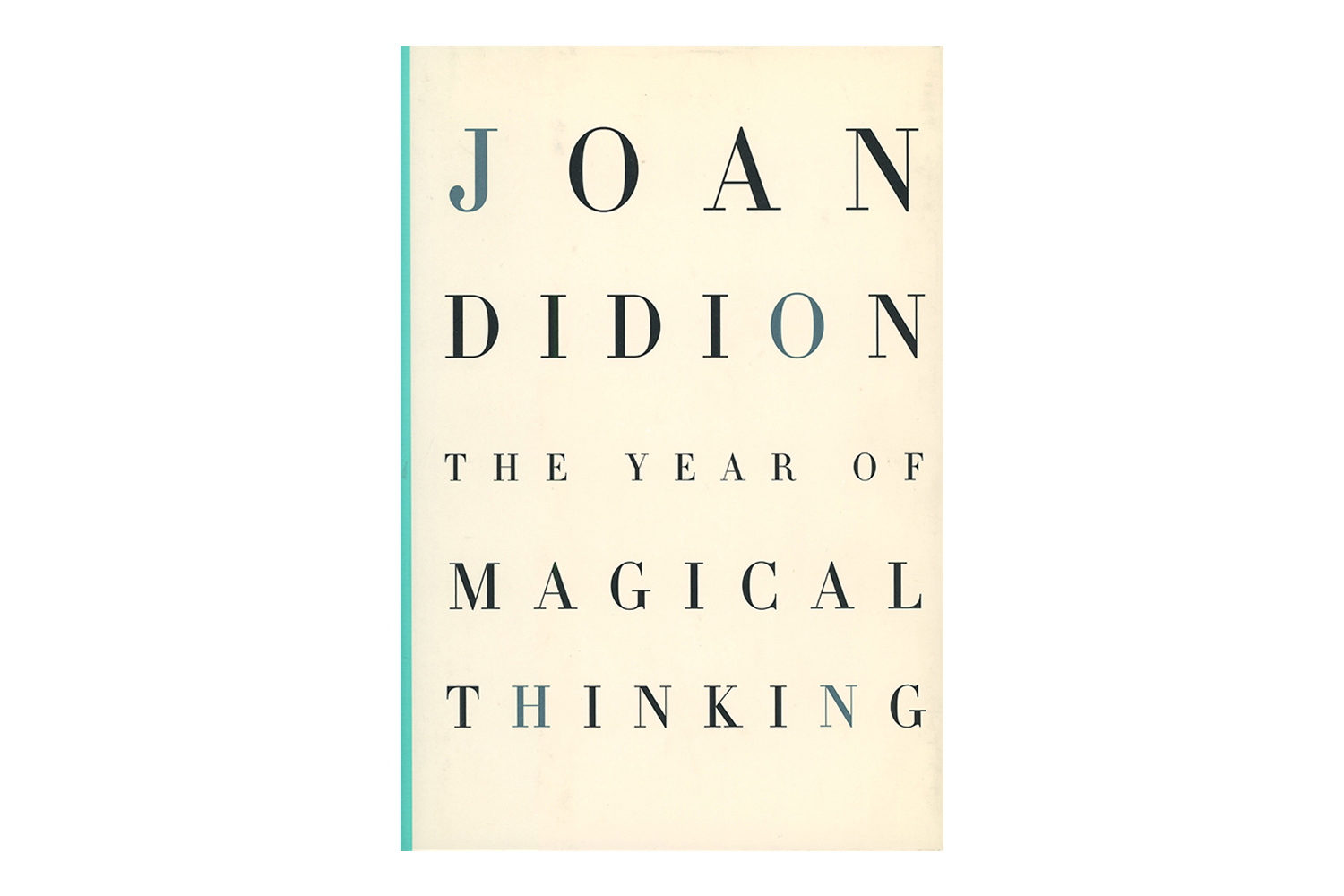
The Year of Magical Thinking Joan Didion (2005)
In her most personal work, written when she was 70, Joan Didion takes an anthropologist’s approach to her own grief. As she records the events of her husband John Gregory Dunne’s death and the disorienting denial – “magical thinking” – she felt for months after, she combines her characteristically clean, factual prose with a forensic interest in her own subjectivity, with magnificent, moving results. Anna Leszkiewicz
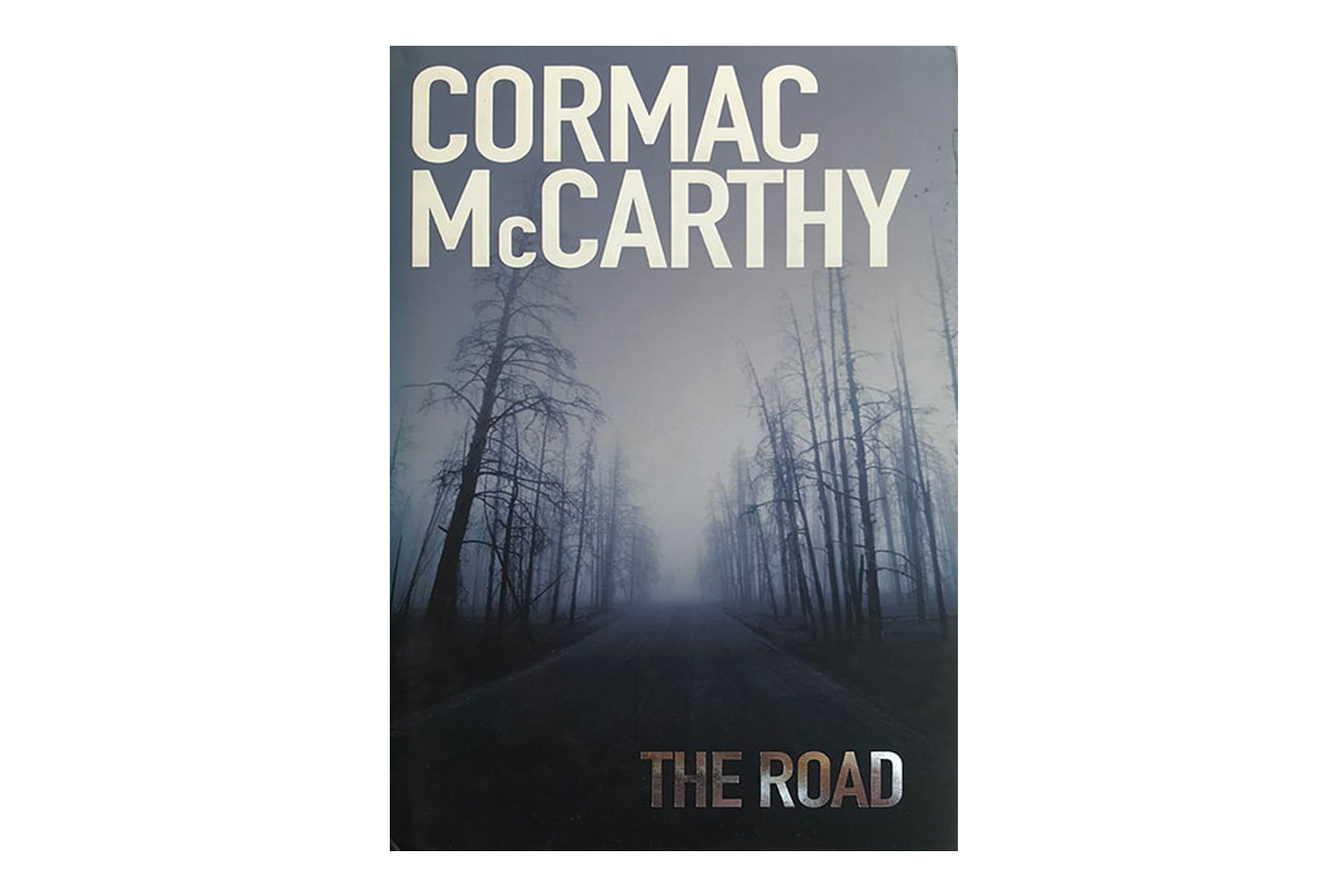
The Road Cormac McCarthy (2006)
Years after an undefined apocalyptic event has destroyed human society and most forms of life, a father and son walk through a ravaged, ashen American landscape, trying to reach the coast. In spare, King James Bible-infused prose, Cormac McCarthy brings his trademark savage violence to an unbearably bleak vision of the future. But in this dystopia to end all dystopias, he also finds a surviving kernel of goodness in humanity and a terrible beauty in the business of survival. TG
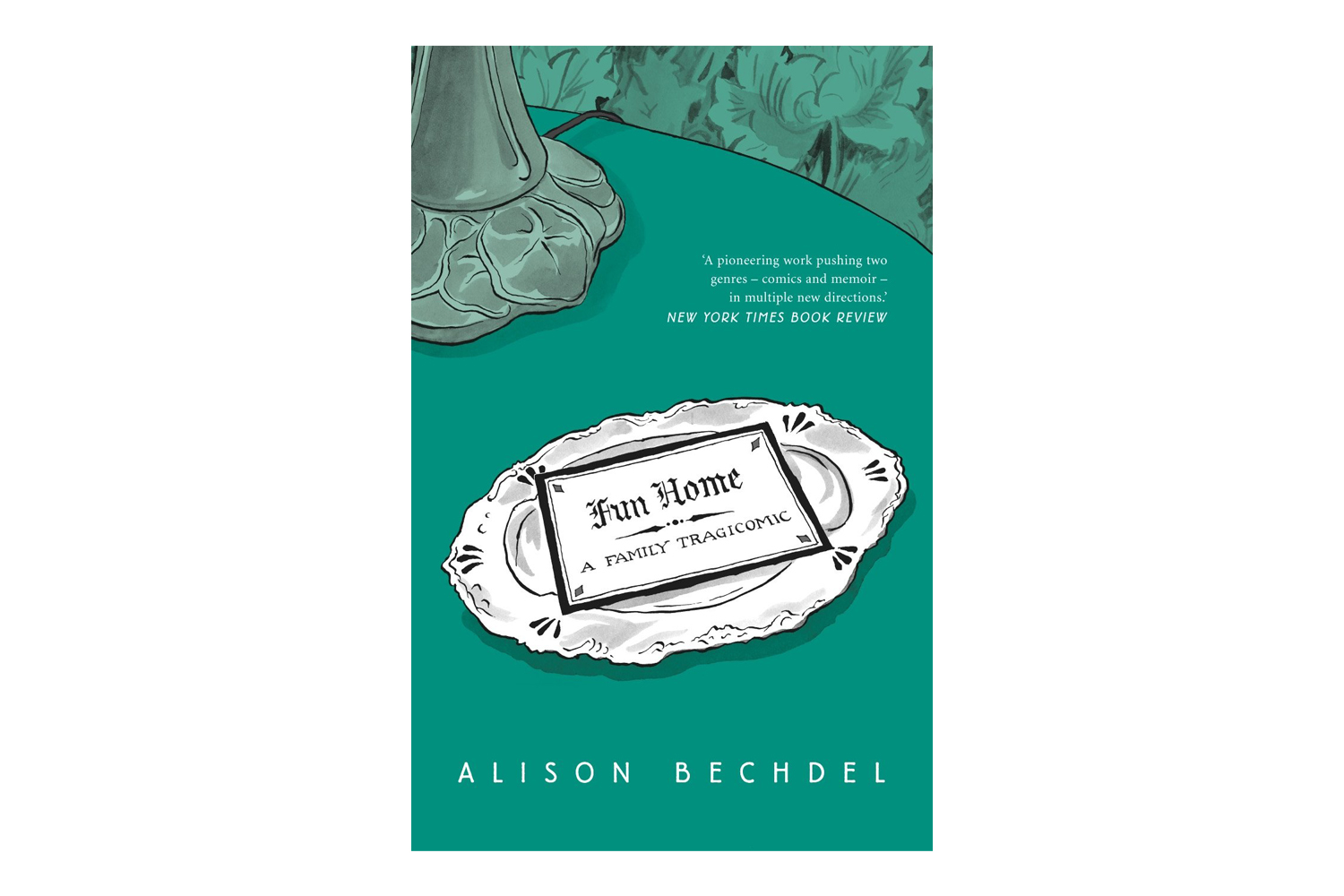
Fun Home Alison Bechdel (2006)
This memoir about growing up in a funeral home with her closeted gay dad brought the author of the cult comic strip Dykes to Watch Out For into the mainstream. Yes, it later became a hit musical, but it’s worth returning to the poignant original text. No proof is needed that graphic novels are “real books”, but here it is. Erica Wagner

Half of Yellow Sun Chimamanda Ngozi Adichie (2006)
The author published her first novel, Purple Hibiscus, in 2003, but it was this Women’s prize for fiction winner that announced her as a big talent. Set in Nigeria in the 1960s, it deals powerfully with the civil war between the federal government and the secessionist state of Biafra. Adichie, born in 1977, grew up in the shadow of the conflict, and her book is an important reckoning with Africa’s colonial history. EW

2666 Roberto Bolaño, translated by Natasha Wimmer (2008)
In the Chilean heavyweight’s posthumously published magnum opus, written in the grip of fatal liver disease, four academics embark on an intercontinental quest for a reclusive German novelist, and are lured into the nightmarish horror of a lawless factory town on the US-Mexico border. All of life – and death – is on display in this dizzyingly encyclopedic masterwork, melding campus comedy, crime fiction and war epic. AC
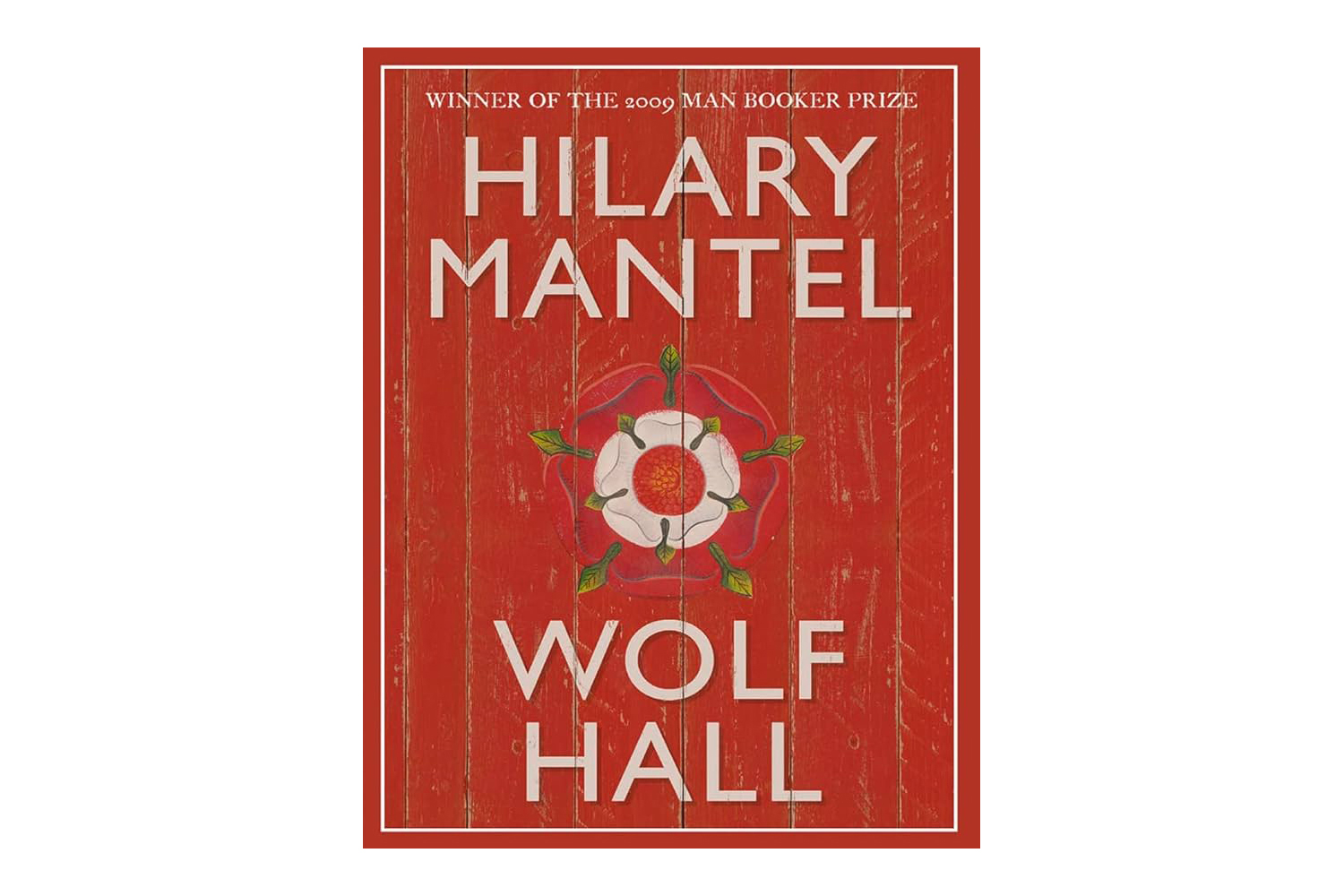
Wolf Hall Hilary Mantel (2009)
Cannily, the late author timed the writing and publication of her Booker winner with the 500th anniversary of Henry VIII’s accession; her astonishing depiction of his ruthless minister Thomas Cromwell firmly removed the latter from the shadow of his rival Thomas More. She won the coveted prize not once but twice (the second time for Bring Up the Bodies, the next volume), and with this vivid novel resoundingly revived the sometimes overlooked genre of historical fiction. EW
Collected Stories Lydia Davis (2009)
Formally inventive, wildly succinct, Lydia Davis’s work is sui generis. She is the master of the short short story – and in another life she is also a sublime translator and essayist. Her stories offer a distillation of the possibilities of language and stretch the idea of narrative in an astounding, mind-bending way. EW
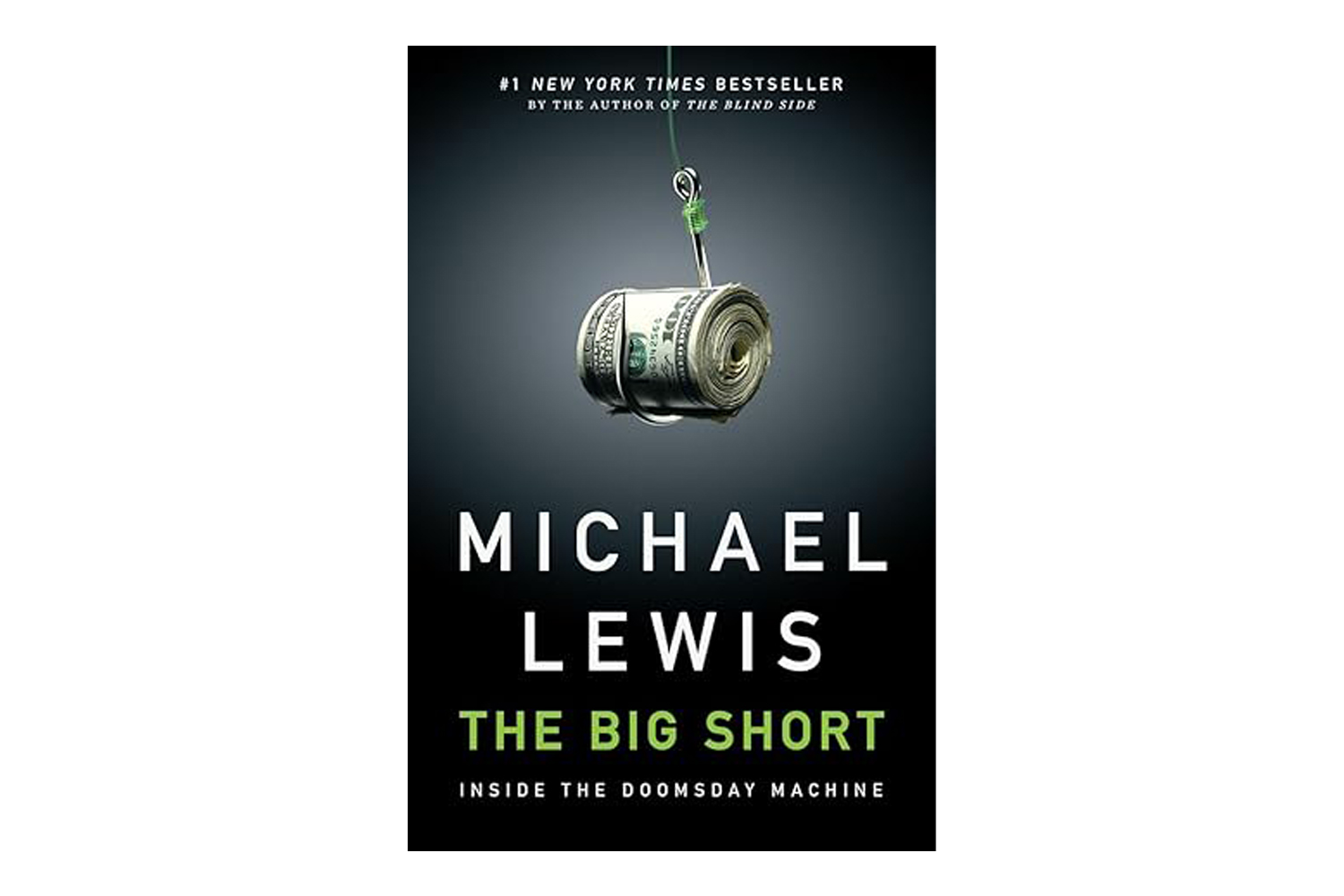
The Big Short: Inside the Doomsday Machine Michael Lewis (2010)
The received wisdom of the 2008 crash suggested it was an abstract cataclysm triggered by faceless financial practices within institutions too big to fail. Michael Lewis dismantled that idea. His compulsive stories of the speculators who made a fortune from predicting those events are an almost uncanny form of journalism; one that revealed the defining scandal of our times to be a tale of individual folly and greed. TA
Human Chain Seamus Heaney (2010)
The Nobel prize winner had a gift for getting under the skin of language: here his wordplay spans the “phantom” tricks of etymology and the “snottery” of a nib’s “deep snorkel” into ink. The “spade-marked” dugout in his poem Wraiths tunnels back to his collection Death of a Naturalist (1966), which used potato-digging as a cipher for writing; in this collection, Seamus Heaney’s last, the metaphor gains special poignancy. These poems contain premonitions of the great poet’s passing (“I’d soon be leaving”), while praising human chains of solidarity. Jade Cuttle
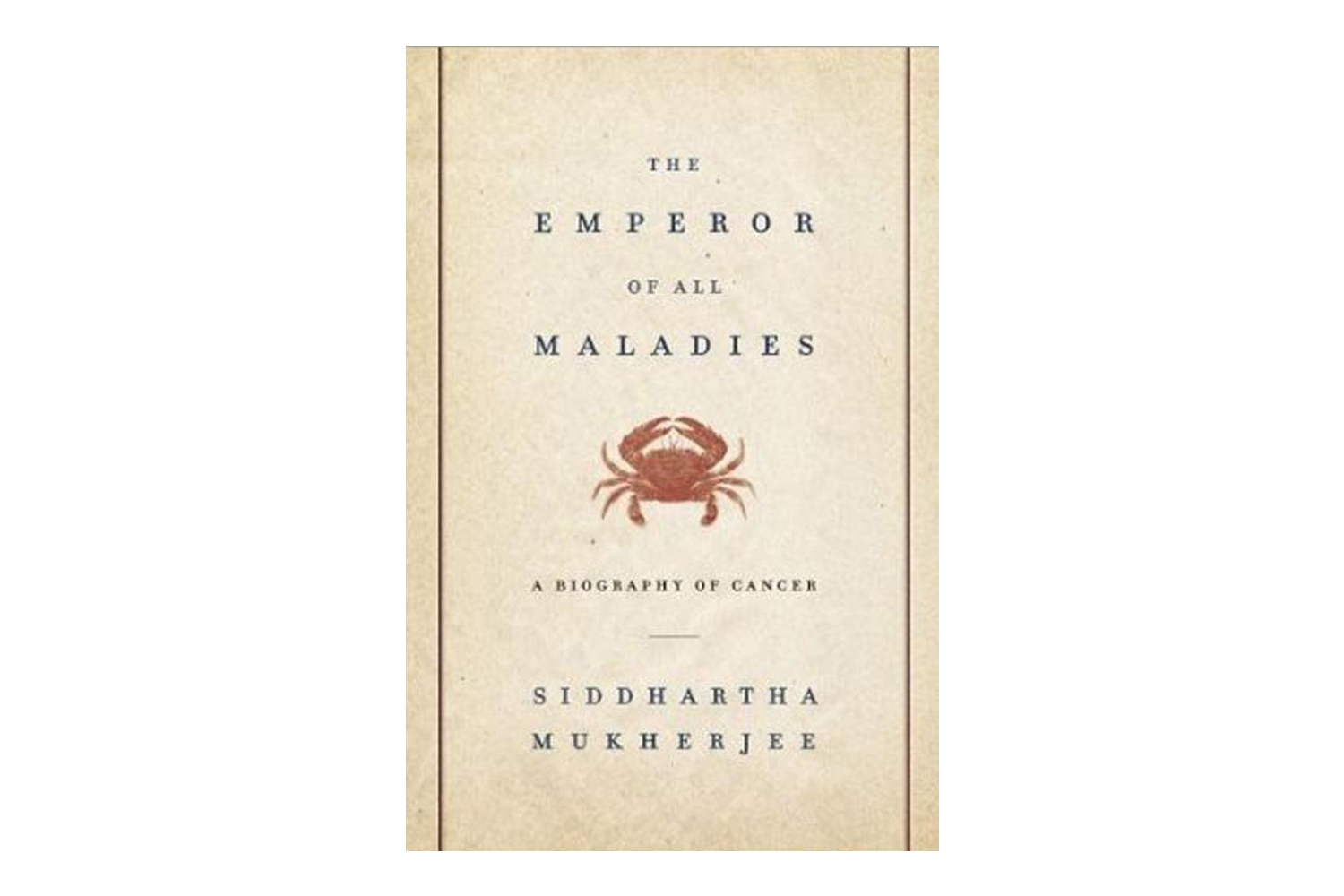
The Emperor of All Maladies: A Biography of Cancer Siddhartha Mukherjee (2010)
This account follows cancer from the palaces of ancient Persia to the R&D campuses of pharmaceutical companies, as its group of diseases remain the greatest public health challenge of the century. Siddhartha Mukherjee, an oncologist, has a storyteller’s flair for placing the reader in whichever lab, ward or cellular process he describes, having us feel every clinical breakthrough and failure – and the terror of unchecked cell growth. Chris Power
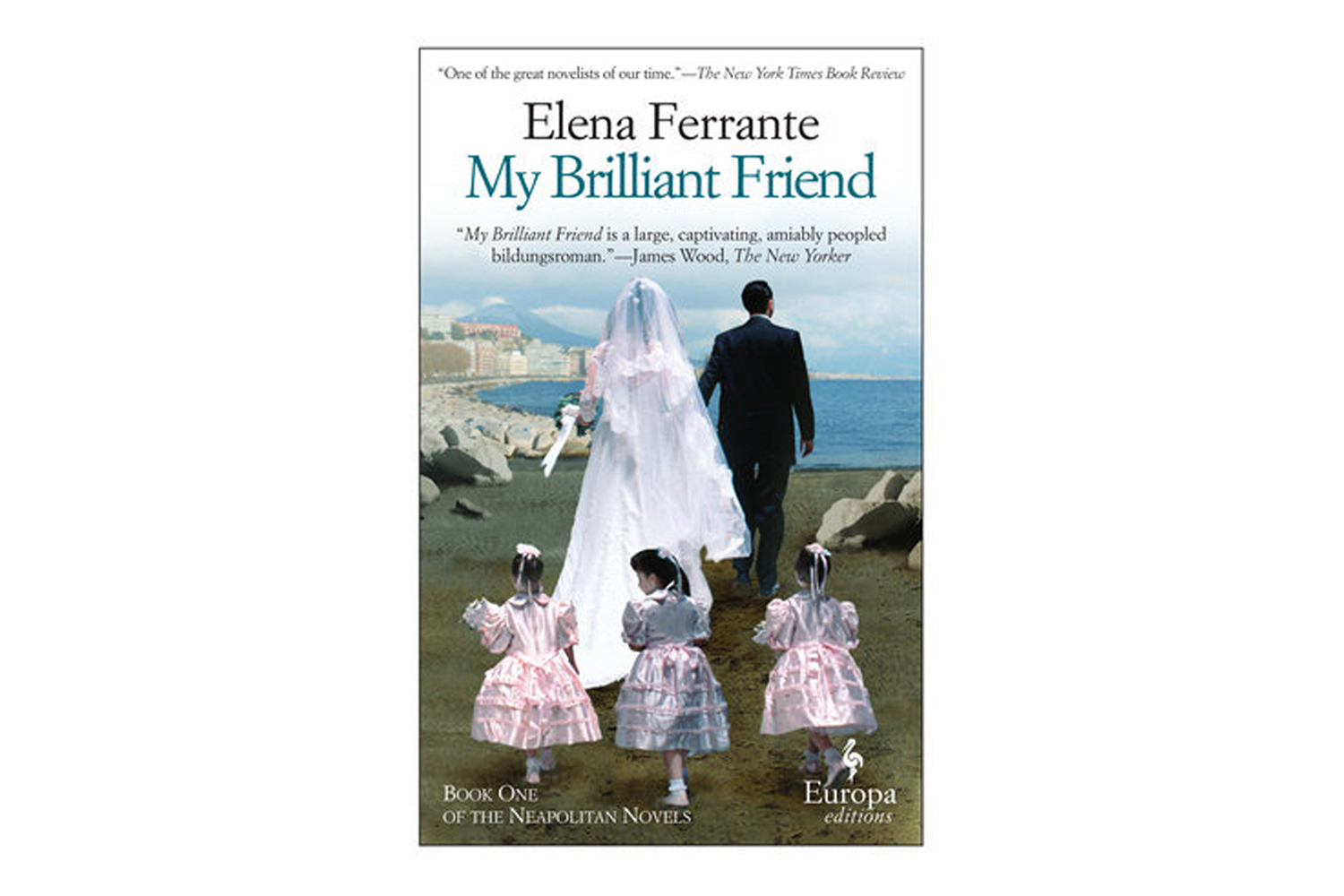
My Brilliant Friend Elena Ferrante, translated by Ann Goldstein (2012)
Nostalgia might persuade us friendships begin innocently and become complicated by adulthood, but the bond between six-year-olds Lila and Lenù in violent, impoverished 1950s Naples sets the stage for decades of competition and comparison. In the first of Elena Ferrante’s intimate, electric Neapolitan quartet, the pseudonymous author brings humanity to a towering portrait of intertwined lives. OO

A Girl Is a Half-Formed Thing Eimear McBride (2013)
The first novel by the Irish writer Eimear McBride lay unpublished for almost a decade before it was taken up by a tiny independent imprint. As its protagonist deals with a childhood interrupted by sexual abuse and her brother's illness, the author’s exhilarating, stream-of-consciousness prose channels James Joyce to capture “the moment before language becomes formatted thought”. The book left an indelible emotional imprint on the reader – and helped usher in a new era of risk-taking in 21st-century fiction. TG
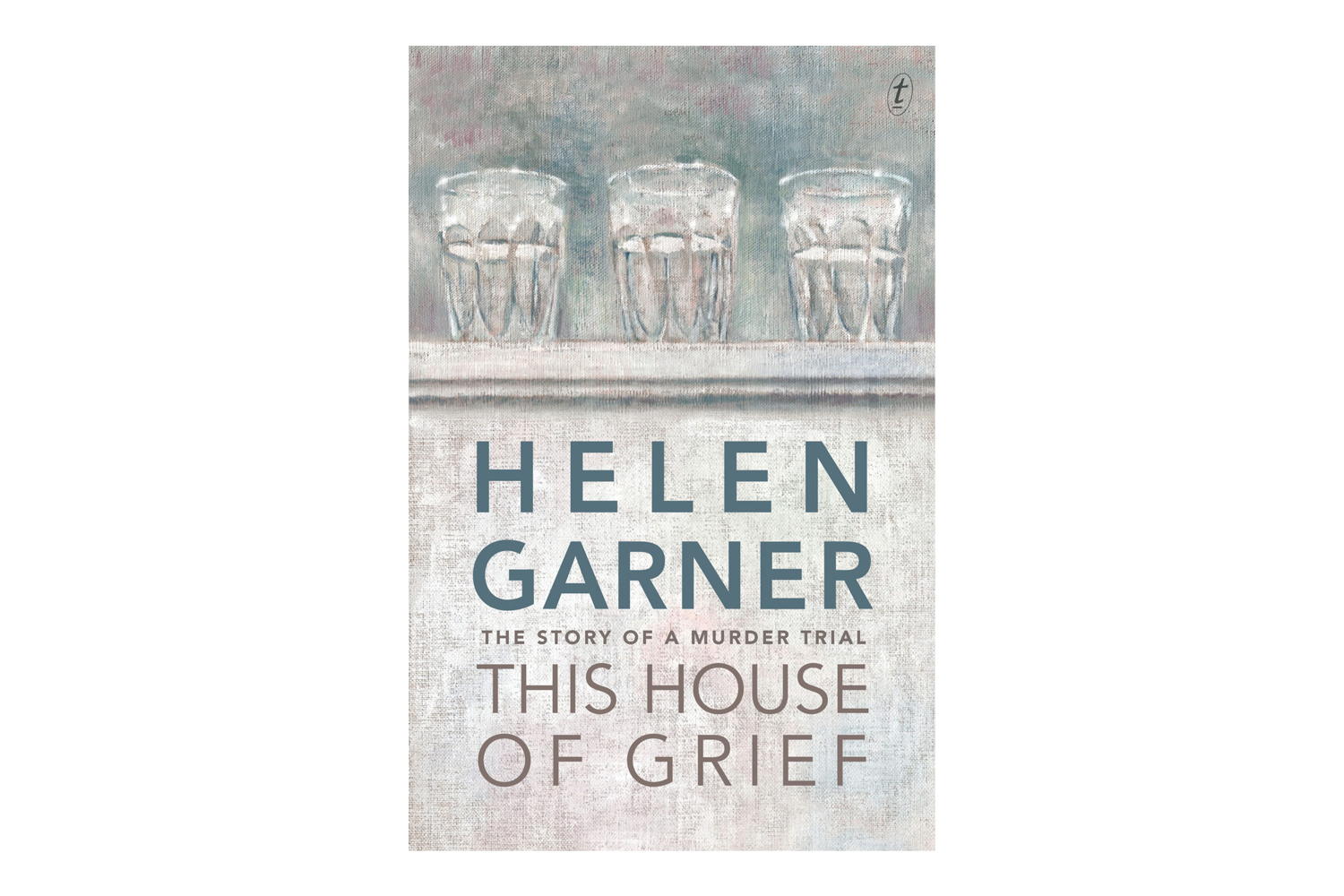
This House of Grief: The Story of a Murder Trial Helen Garner (2014)
One night in 2005, a father drove his three young children into a dam along a country road in Australia, killing everyone apart from himself. The tussle over whether this was a tragic accident that happened to a troubled but otherwise harmless man, or revenge plotted in the wake of marital betrayal, plays out like a five-set grand slam final. Using stark, persuasive courtroom, Helen Garner places the reader by the stand as she argues both sides. True crime as true literature. OO
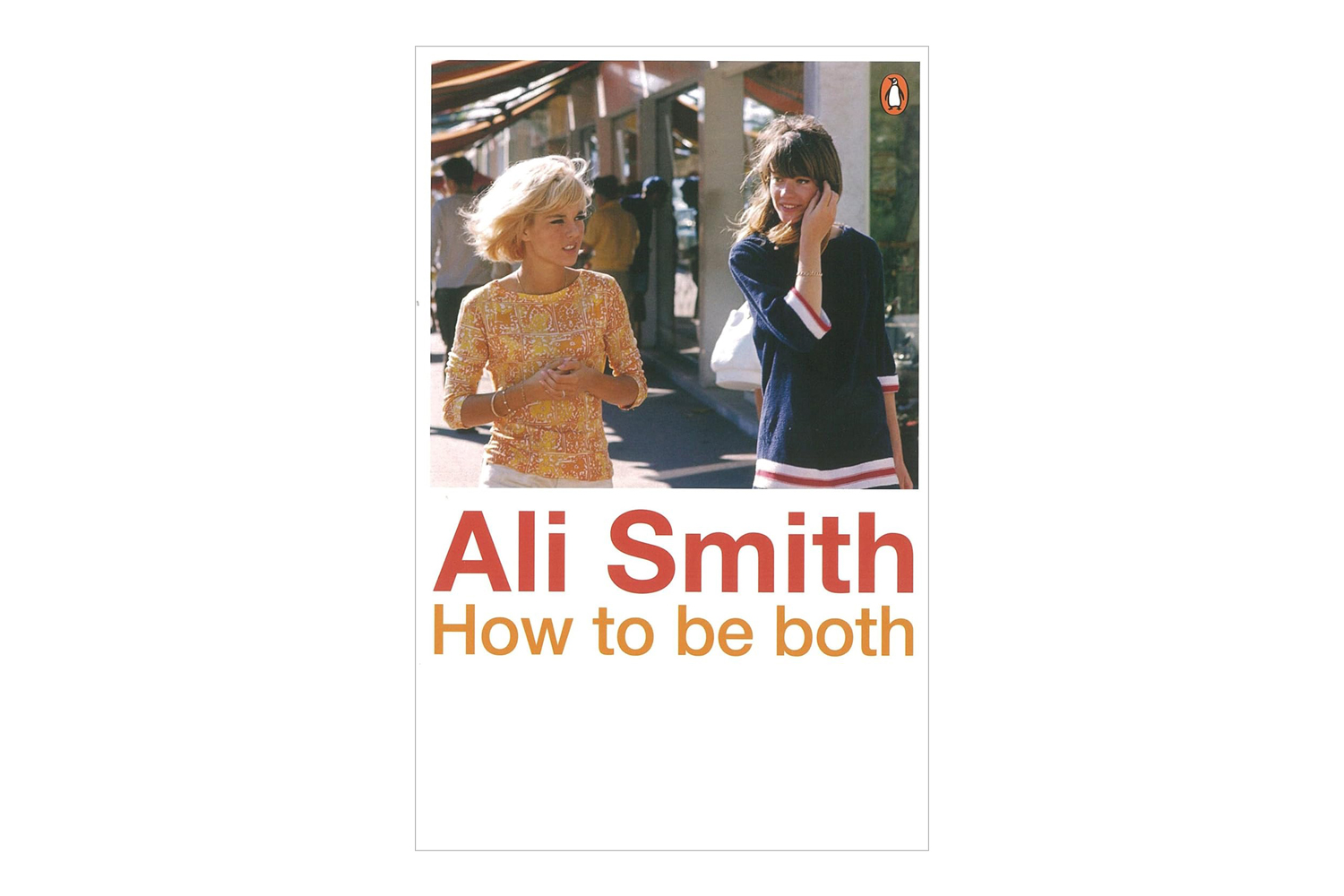
How to Be Both Ali Smith (2014)
Ali Smith’s ambitious seasonal quartet, capturing the divisions of Brexit Britain, turned her into a strong candidate for the role of “national novelist”. But it is this book that perhaps best reflects her extraordinary capacity for playful invention. The novel, which follows a modern-day teenager and Francesco, a Renaissance artist, is published in two versions, beginning with different halves of the story. This experiment in form complements Smith’s glorious, witty treatment of gender, creativity and what Francesco calls the “serious nature of lightness”. TG
Between the World and Me Ta-Nehisi Coates (2015)
Inspired by James Baldwin, this landmark meditation on race, inheritance and survival in America is framed as a letter to Ta-Nehisi Coates’s teenage son. Writing in the wake of the killings of Trayvon Martin and Michael Brown as the Black Lives Matter movement grew, Coates engages in a rigorous, lyrical study of the value of black bodies. Each page charts volcanic peaks of fury and dark valleys in which he is “adamantly, dangerously afraid”; he feels keenly the “profound cruelty” of inequality and seeks to “wield the same old power” that drove Malcolm X. Essential reading for anyone wishing to understand the racial reckoning in the US. JC
The Argonauts Maggie Nelson (2015)
This genre-defying work of “autotheory” became an unlikely bestseller in 2015. It explores questions of gender identity, relationships and the self through Maggie Nelson’s marriage to the trans artist Harry Dodge and her experience of carrying their child. Personally revealing, fragmentary in structure and deeply philosophical, the book changed both queer literature and the personal essay form. AL
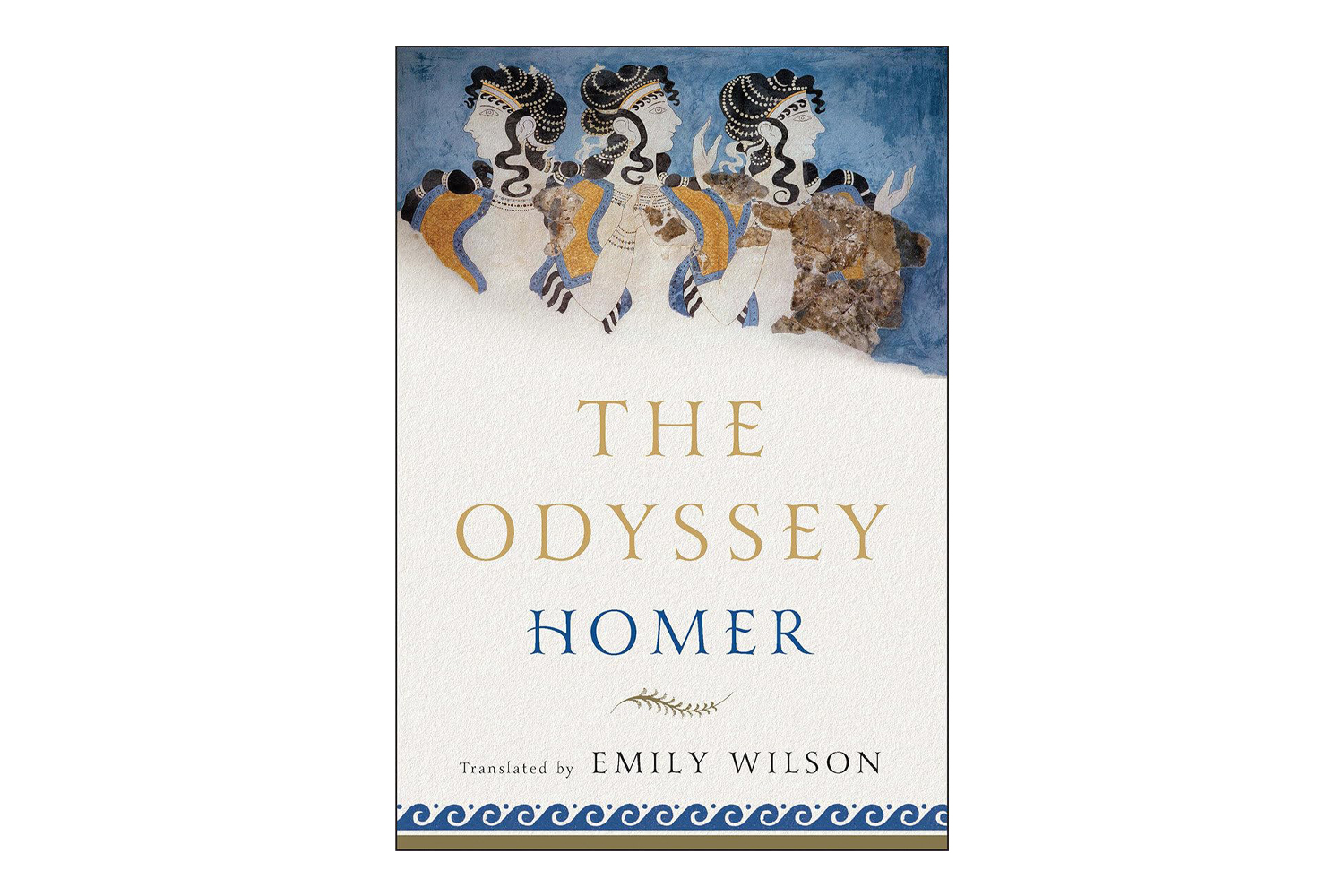
Homer’s Odyssey Translated by Emily Wilson (2017)
“An epic poem is, at its root, simply a tale that is told,” insists Emily Wilson, the first woman to translate Homer’s Odyssey into English. Writing in iambic pentameter with a particular attention to the poem’s investment in male dominance, Wilson takes the bold decision to reject the “stylistic pomposity” of previous translations in favour of clarity and readability, deftly juggling the mundane and the monstrous. This is poetry that opens up a new understanding of western literature’s foundational text. JC
This account frames the digital revolution as a new form of imperialism in which big tech companies have invaded the “last virgin territory” on Earth: “private human experience”. Zuboff sets out in forensic detail the threat that revolution has created, not only for our democracies, but also for our autonomy. Her answers are closely argued over 700 persuasive pages, but also boil down to the word tech bros fear most: regulation. TA
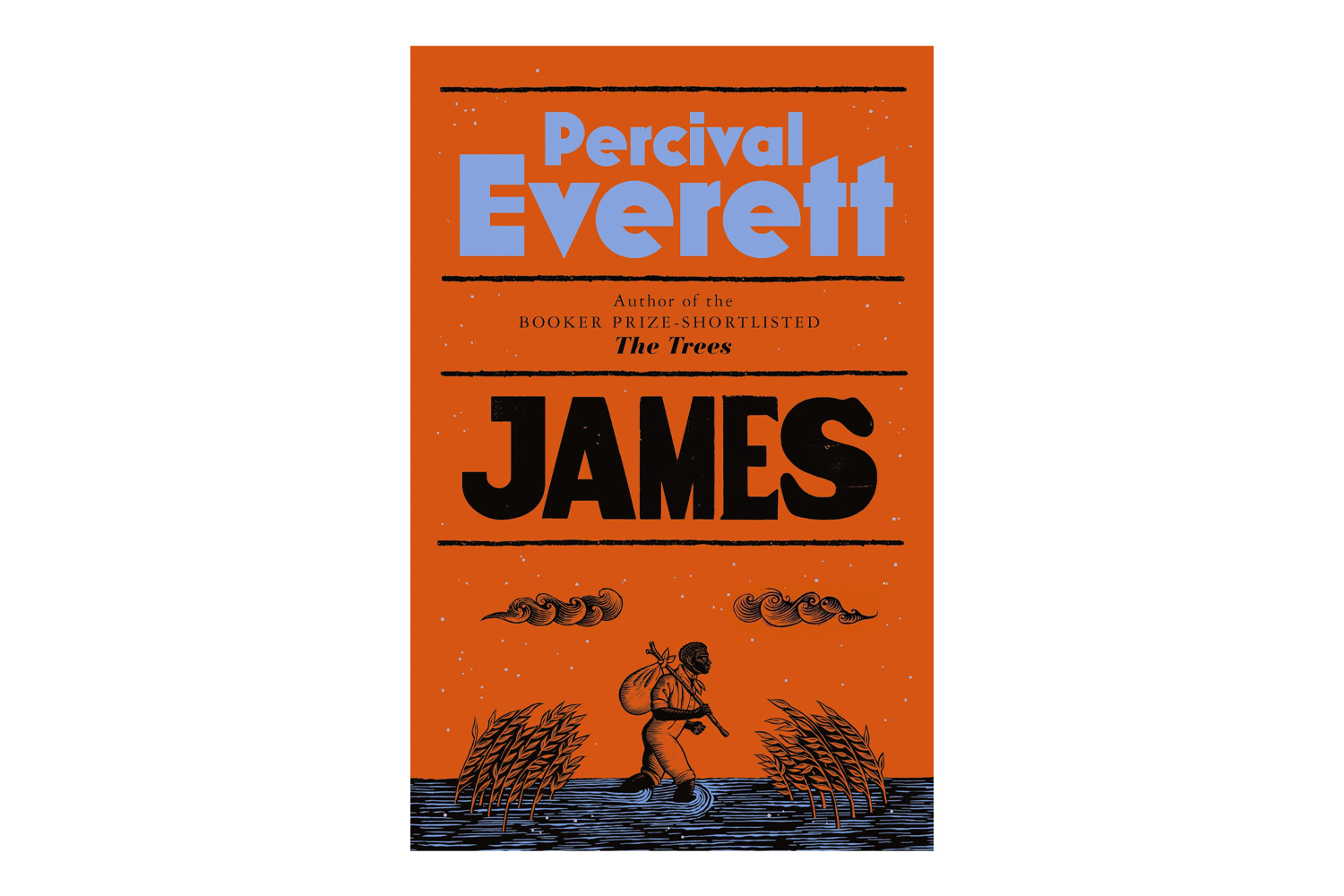
James Percival Everett (2024)
For decades the US author was regarded as a writer’s writer. Then his 2001 novel Erasure became an Oscar-winning film, American Fiction, just as he published this page-turning reboot of The Adventures of Huckleberry Finn, voiced by the enslaved Jim on the run in antebellum Missouri. Gleeful comedy rubs up against brutal horror, as Percival Everett’s hero – a keen reader of philosophy – tailors his own words to meet the expectations of white people: “Da mo’ betta dey feels, da mo’ safer we be.” AC
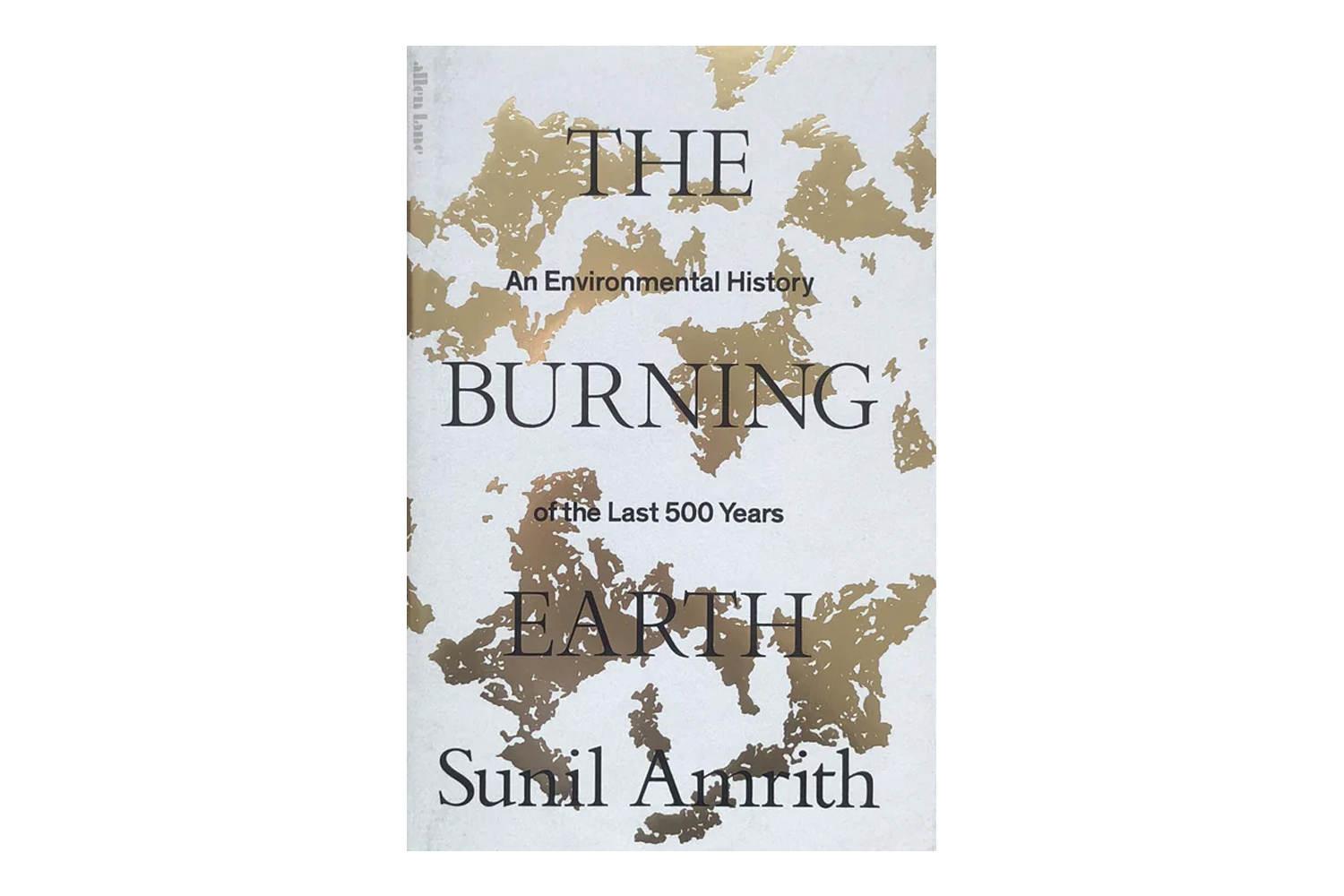
The Burning Earth: An Environmental History of the Last 500 Years Sunil Amrith (2024)
Humans have long attempted to control their environment, mainly to shield themselves from its most destructive effects. But half a millennia ago, something changed: the world’s most privileged people began to believe “the battle against nature could be won”. In this masterful, readable, far-reaching book, Sunil Amrith draws on history, science and literature to show how the quest for wealth and power has destroyed our relationship with the planet – and ourselves – and lodges a plea for new visions of “human flourishing” that may repair it. TG
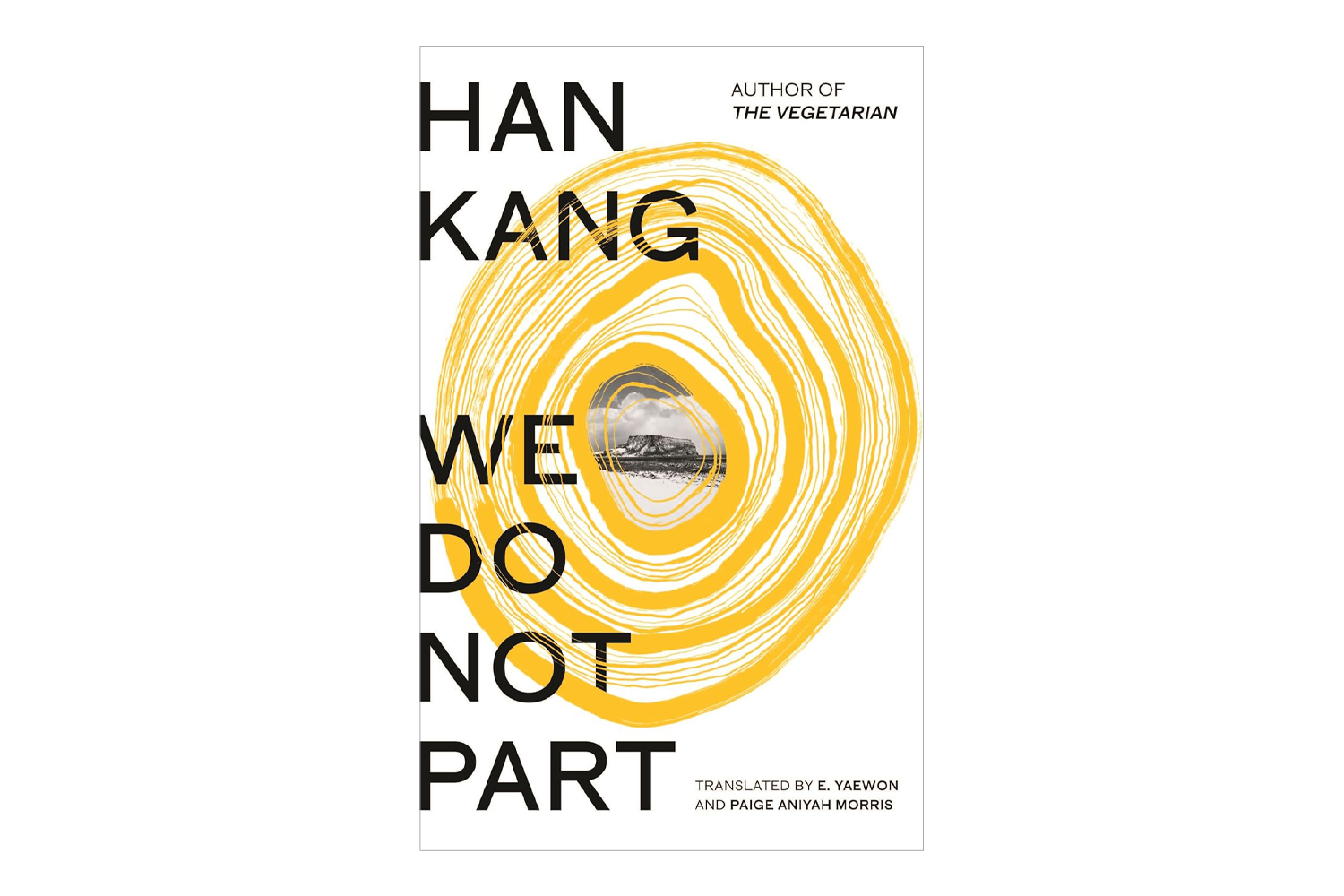
We Do Not Part Han Kang, translated by e yaewon and Paige Aniyah Morris (2025)
Stockholm was urged to take back Han Kang’s Nobel prize when the South Korean novelist said she couldn’t celebrate her win last year amid the continuing wars in Gaza and Ukraine. Few could doubt her honesty after reading this quasi-autobiographical tale about a traumatised writer stalked by the bloody horrors of Korean history. A surreal, relentlessly wrongfooting blend of straight-talking autofiction, tender magical realism and chilling haunted-house mystery. AC
Where a book is in translation the publication date of the first appearance in English has been used.
To browse all titles in this article, visit observershop.co.uk. Delivery charges may apply.