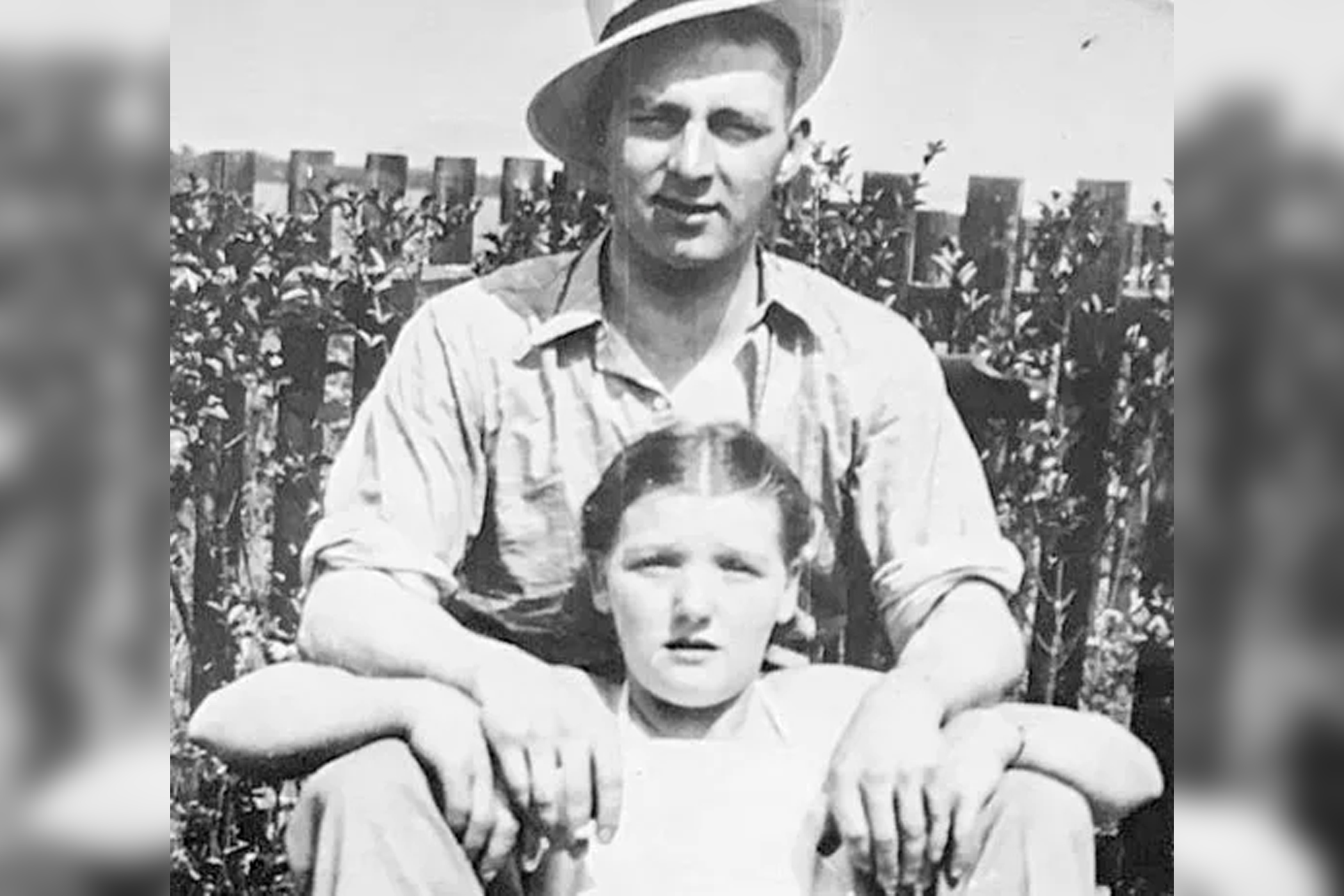



At the end of the second world war, allied prisoner of war camps in Italy were mostly dismantled as the country’s government viewed the barbed-wire world of the Mussolini regime as an embarrassment. For this amalgam of family memoir and history, British historian Malcolm Gaskill decided to seek out every last physical vestige of the PoW camp near Naples where his great-uncle Ralph Corps was interned.
Having fought with the British army in the deserts of North Africa, in 1942 Ralph was captured in Italian-occupied Libya and deported to Camp 65 Gravina, the largest of its kind in Italy.
As well as a fascinating record of Ralph’s time in the camp, The Glass Mountain serves as a corrective to Colditz-like tales of derring-do such as the films The Great Escape and Von Ryan’s Express, which give a false gloss to the hardships faced by allied prisoners. Hungry and lice-ridden, Ralph felt painfully estranged from home; he could receive letters and Red Cross parcels, but the shame of defeat weighed heavily on him. A taciturn “buttoned-up” Yorkshireman, he was “a loner” and standoffish, as a cousin of Gaskill’s mother recalls. In later years, he kept quiet about his wartime experiences.
Ralph climbed the barbed-wire fence and set out for the Swiss border – 600 miles away
Ralph climbed the barbed-wire fence and set out for the Swiss border – 600 miles away
From his great-uncle’s unpublished diary, Gaskill learns that Ralph was made a warrant officer in Camp 65. The position gave him the powers of a police officer, as well as access to foodstuffs and other privileges. One night when the moment was right, Ralph managed to climb over the camp’s barbed-wire perimeter and, with a fellow prisoner, set out in the direction of the Swiss border – an impossible 600 miles away. The two men lasted barely a week before they were returned to the camp as reluctant heroes.
Released from the camp in 1943 following the Italian armistice, Ralph took up arms in an anti-fascist partisan unit in the Italian Alps, before then making his way home to the UK.
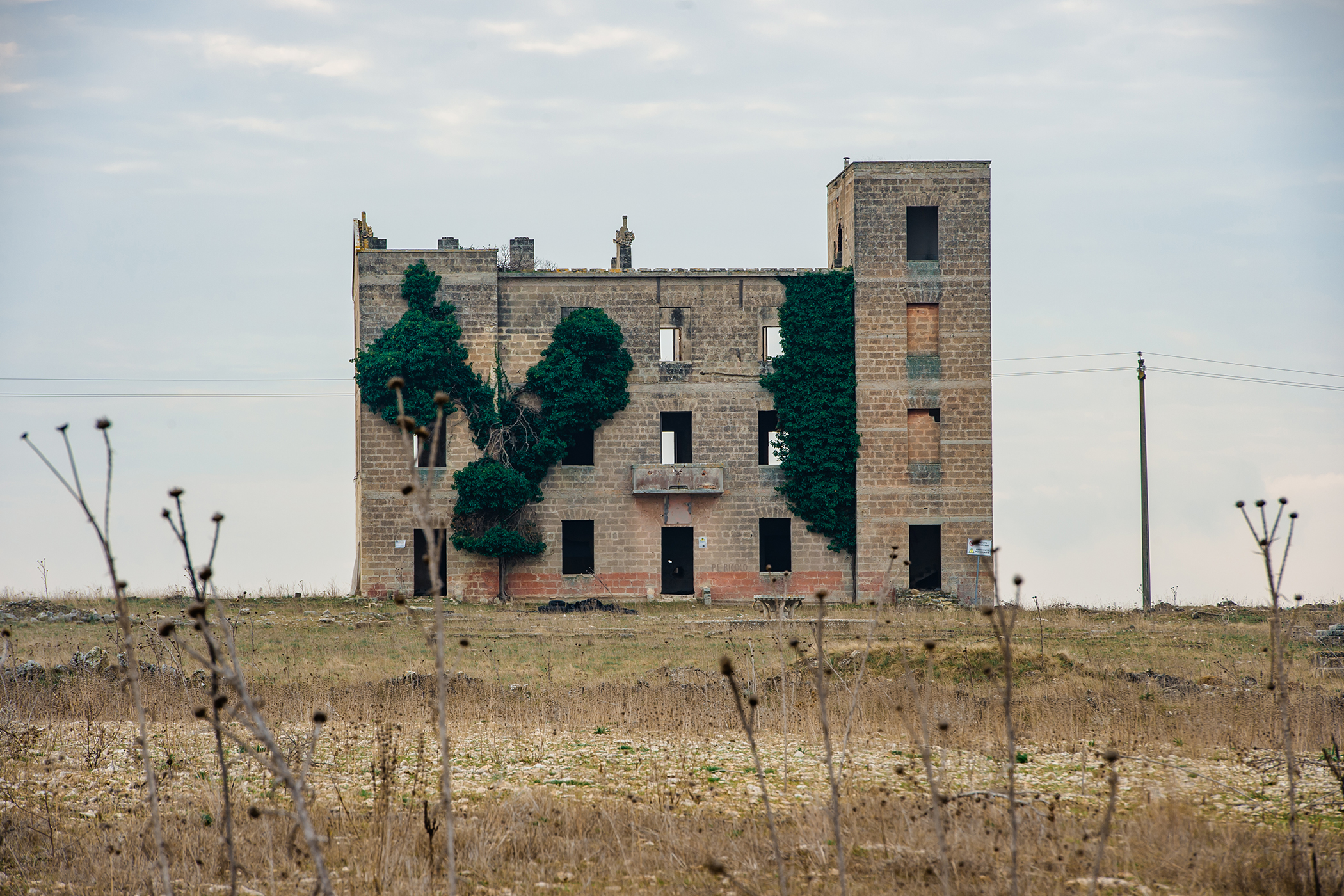
Above: what remains today of the infamous Camp 65 Gravina in Italy; main picture: Ralph Corps and his wife-to-be, Flo.
Life in postwar Britain was initially an ordeal for Ralph. After the intensity of the Italian camp, with its tight-knit friendships and black-market dealings, civilian existence seemed to him flat and at times even false. So he was pleased to get a job in British-ruled Tanganyika as an assistant superintendent of prisons. Tanganyika’s stratified colonial society appealed to the policeman in Ralph. Status-conscious to the last, he died in 1980 at the age of 66 of heart failure while on holiday with his wife Flo on the Costa Brava. It was a bathetic end for the one-time escapee hero.
The Glass Mountain, briskly and efficiently written, is the fruit of seven years of painstaking investigation. In the course of his research, Gaskill visited old barracks and remote farms in Italy, and scoured military archives, libraries and public records in the UK. If the book is occasionally drawn-out with its descriptions of Gaskill’s travels across Italy, it nevertheless demands a wide readership; informed by a spirit of discovery throughout, The Glass Mountain is an important work of PoW historiography.
The Glass Mountain: Escape and Discovery in Wartime Italy by Malcolm Gaskill is published by Allen Lane (£25). Order a copy from The Observer Shop for £22.50. Delivery charges may apply
Editor’s note: our recommendations are chosen independently by our journalists. The Observer may earn a small commission if a reader clicks a link and purchases a recommended product. This revenue helps support Observer journalism.
Photography by Pauline Kendall and Getty
Newsletters
Choose the newsletters you want to receive
View more
For information about how The Observer protects your data, read our Privacy Policy