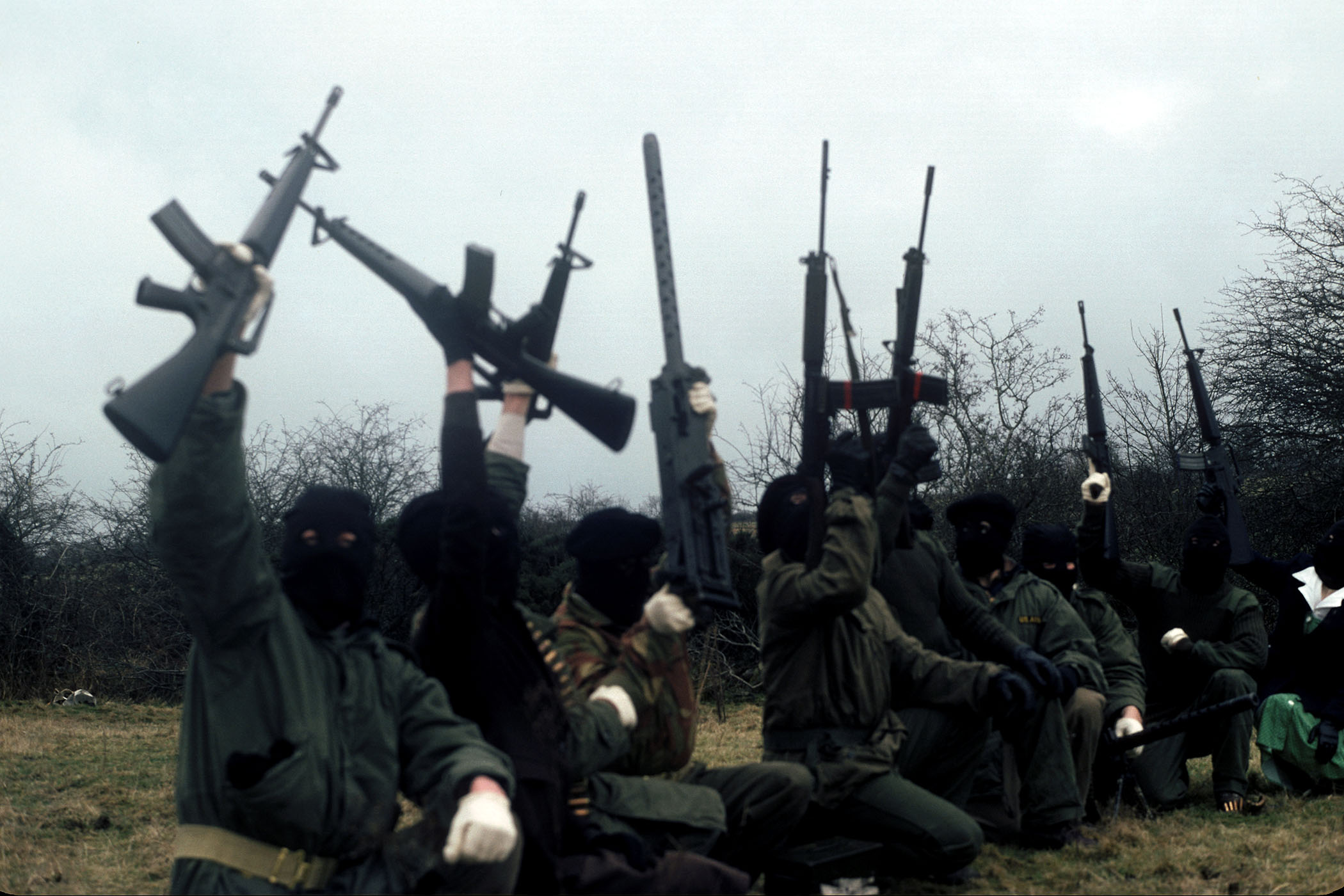


In 1981, Patrick Walker, a senior MI5 counter-terrorism officer, decided that intelligence gathering should henceforth take precedence over criminal justice in Northern Ireland – a secret decision that would have dreadful consequences.
It sucked the security and intelligence services into what John Ware, the veteran BBC investigative journalist who did much to expose the so-called “dirty war”, calls “extremely serious criminality, including murder. Time and again.”
Those services then conspired to thwart multiple investigations into their conduct – compromising ministers, judges and senior law officers in the process. And, 28 years after the Good Friday accord, their continued refusal to come clean prevents Northern Ireland moving toward genuine peace, as opposed to an absence of violence. The injustices fester. Reconciliation remains elusive. Distrust of the state is still widespread. The families of victims enjoy no closure. The only beneficiary is Irish nationalism.
All this is chronicled in compelling and often shocking detail in Ware’s assiduously researched new book, Neither Confirm Nor Deny. The title refers to the mantra deployed by successive British governments to avoid answering awkward intelligence-related questions – ostensibly on national security grounds but in reality to avoid embarrassment.
Ware focuses on two infamous agents run by the British Army’s Force Research Unit (FRU) in the 1980s: number 6126, AKA Fred Scappaticci, better known as Stakeknife; and number 6137, AKA Brian Nelson. Both were extremely valuable assets capable of providing top-grade intelligence. Scappaticci was a leading member of the Provisional IRA’s Internal Security Unit, better known as the “nutting squad”, which was charged with rooting out informers (the army called him its “golden egg”). Nelson, a former British soldier, was chief intelligence officer for the loyalist paramilitary Ulster Defence Association.
Both engaged in hideous activities. Scappaticci, a thug with dubious sexual predilections, abducted, tortured and executed, or had executed, 28 suspected informers – some of whom were British agents like himself, though less valuable ones. Nelson, a man with a “zeal to kill”, was responsible for the murder, or attempted murder, of at least two dozen republicans.
Therein lay the security services’ dilemma. They knew Scappaticci and Nelson were serial killers, but had to let them kill if they were to prevent them from being rumbled. As one special branch officer put it, good intelligence “doesn’t come from milkmaids. If asked to plant a bomb, you can’t say ‘I’ll make the tea, but I don’t do bombs.’”
One moral compromise led to another. Scappaticci and Nelson frequently told their handlers of the killings they were planning, but to protect their agents from discovery the security forces did nothing to stop them. For the same reason they failed to investigate the killings. They arrested no perpetrators. They brought no prosecutions.
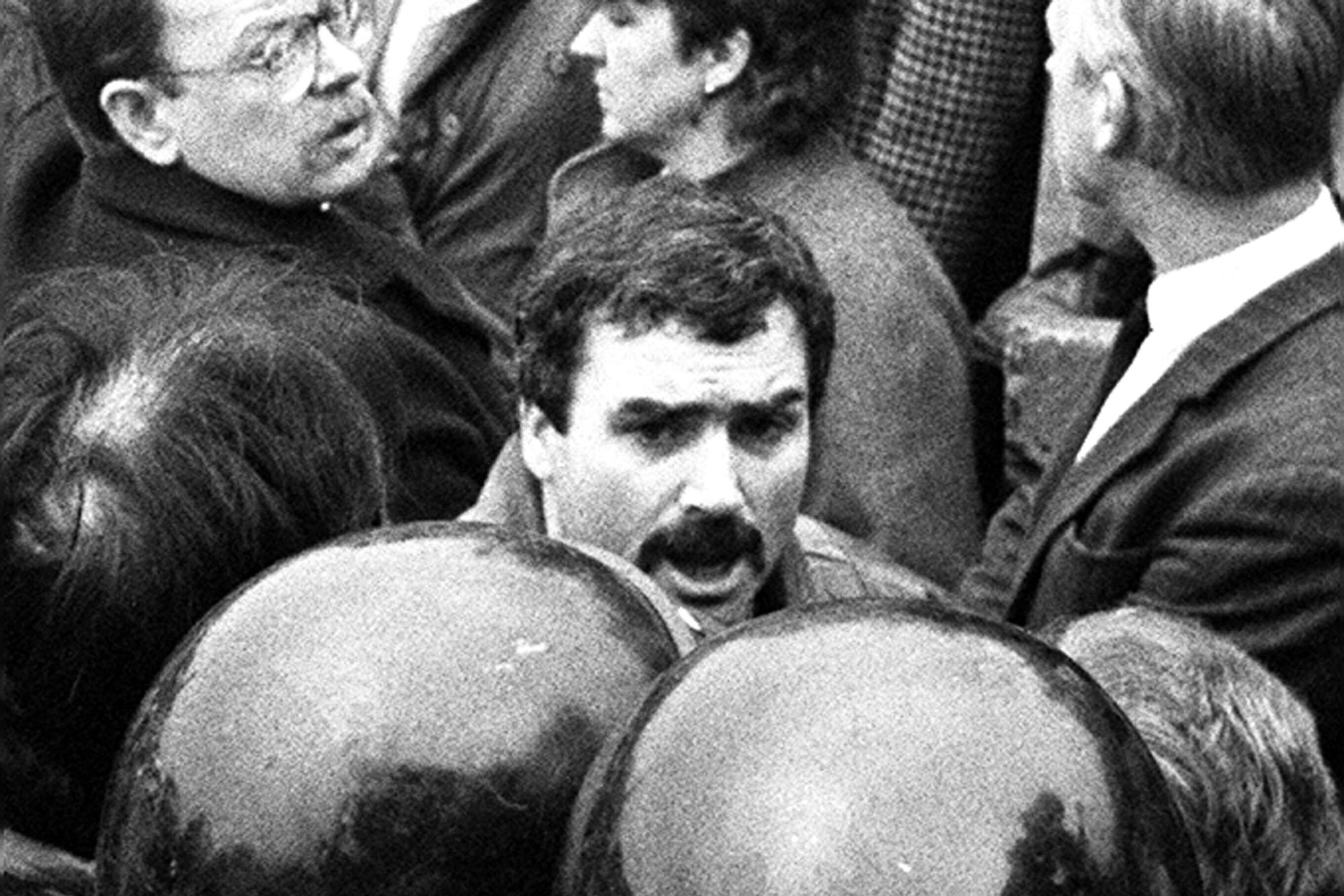
Nor were their sins simply those of omission. Nelson’s handlers gave him information on potential republican targets, and allegedly once suggested he blow up a fuel dump in Cork to encourage the Irish government to extradite IRA fugitives.
Scappaticci’s handlers invented an alibi to explain away his fingerprints on a bug detector discovered at a murder scene. They twice flew him to Britain for a bit of rest and recuperation, replete with prostitutes, while he was a fugitive from justice in Dublin.
Newsletters
Choose the newsletters you want to receive
View more
For information about how The Observer protects your data, read our Privacy Policy
In 1989, Sir John Stevens, the future Metropolitan police commissioner, launched the first of a series of investigations into alleged collusion between the security forces and paramilitaries, and Ware goes on to detail – factually and dispassionately – how the army, special branch and MI5 sought to thwart them.
They procrastinated and prevaricated. They destroyed, withheld or “lost” key documents. They denied investigators access to key officials. They doctored evidence. They lied, perjured themselves and conspired to pervert the course of justice.
They briefed Nelson on what to say – and what not to say – if questioned, and after he was finally arrested as a result of the Stevens inquiry they arranged a plea bargain to prevent him airing their dirty washing in court. “Gone was the spectre that had haunted the securocracy of Nelson calling in his handlers as witnesses for the defence to be cross-examined by his formidable counsel,” Ware writes.
A mysterious fire destroyed documents and computers at Stevens’s headquarters. A safe used by two investigators working at MI5 headquarters for Operation Kenova, the subsequent investigation led by the Bedfordshire chief constable Jon Boutcher, was broken into. Days after Boutcher published his first report, MI5 suddenly “found” a huge cache of relevant documents.
On one occasion the investigators considered pursuing a search warrant against MI5, and on another they debated whether to seek the arrest of the army’s commanding officer in Northern Ireland. Ware was himself threatened with injunctions and prosecution for, he was told, “delving into matters they don’t seem to think you should be delving into”.
This “organised obstruction” peaked after the media exposed Scappaticci in 2003. He denied he was Stakeknife, and embarked on a performative ruse to reinforce that denial. When the government refused to “confirm or deny” the press reports, he had the gall to seek a judicial review demanding that it be made clear he was not Stakeknife – knowing perfectly well that it could not do so.
An extraordinary “legal charade” followed. The government did not want him exposed as Stakeknife. Nor did the IRA, because his decade of undiscovered treachery would have been deeply embarrassing. Thus flowered what Ware calls “an unspoken Faustian pact between Scappaticci, the British government and the IRA”. The attorney general, Lord Goldsmith, got involved. Lord Carswell, the lord chief justice of Northern Ireland, was discreetly informed that the last thing Scappaticci really wanted was for the government to drop its “neither confirm nor deny” policy, and duly rejected his request for a judicial review.
The pantomime continues to this day. The government has never confirmed Scappaticci was Stakeknife, though the world and his wife now know it. Following his death in 2023, it kept his will secret, perhaps so the public could not see how comfortably he had lived on taxpayers’ money after being moved to England and given a new identity. No security or intelligence officials have been prosecuted for the misconduct exposed by the Stevens and Boutcher inquiries. The 2023 Northern Ireland Troubles (Legacy and Reconciliation) Act, enacted by the last Conservative government, makes it unlikely they ever will.
Meanwhile the “neither confirm nor deny” police, which Boutcher described as having “the qualities of a stone wall”, remains in place, and the security forces’ failure to admit their role in the “dirty war” hobbles the pursuit of genuine peace in Northern Ireland.
It breeds distrust in the British government and Police Service of Northern Ireland, the successor to the Royal Ulster Constabulary. It denies the families of Nelson and Scappaticci’s victims closure or justice. It leaves a suppurating wound that makes it all but impossible for the province to put the past behind it and move on.
That, says Ware, is “the legacy of the moral maze in which Britain lost itself for three decades”.
Neither Confirm Nor Deny: British Intelligence, Lawless Agent Running and the Suppression of Truth by John Ware is published by Merrion Press (£18.99). Order a copy from The Observer Shop. Delivery charges may apply
Photograph by Alex Bowie/Getty Images, Pacemaker Press