
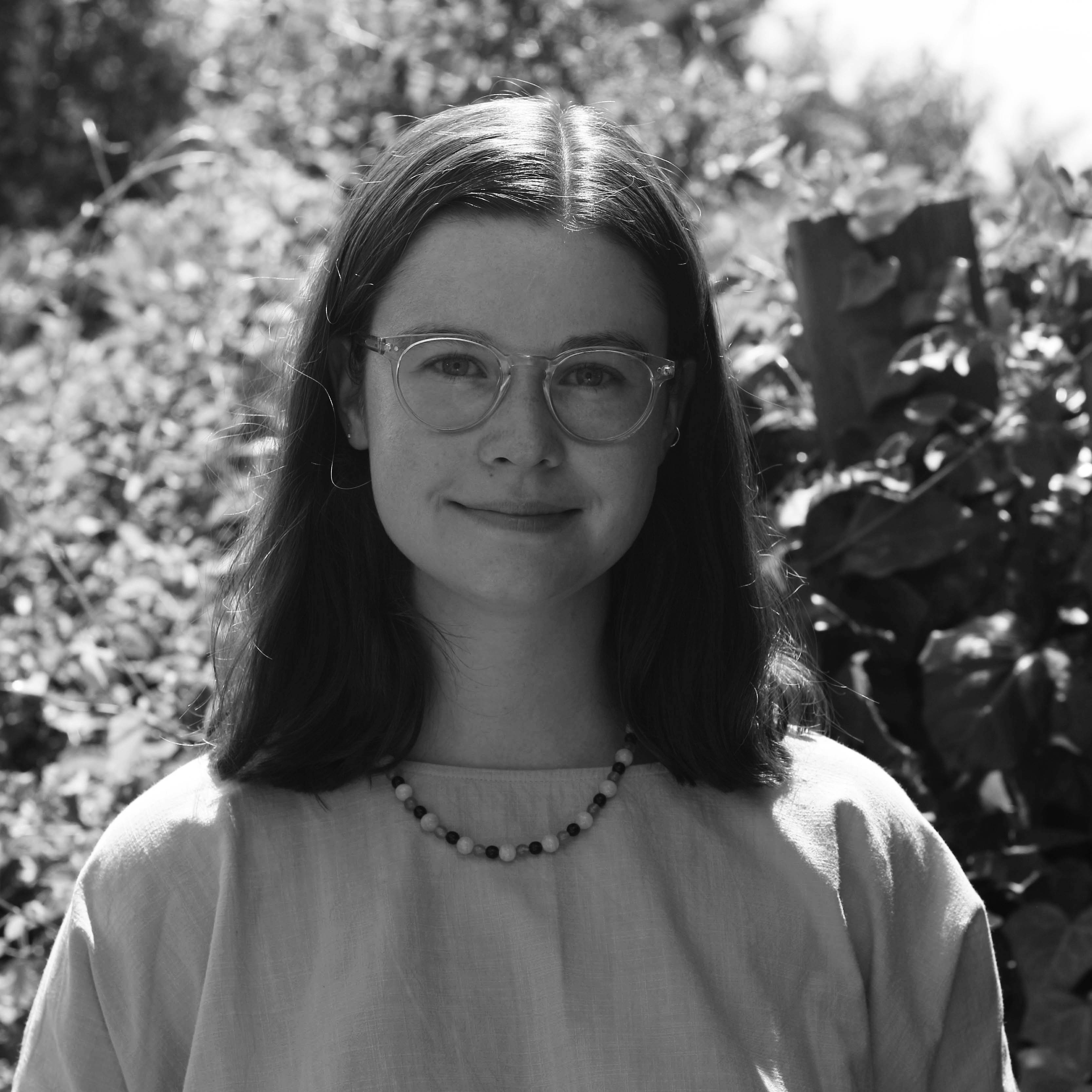
Photograph by Maria Spann for The Observer
Sigrid Nunez, 75, is a bestselling novelist and short story writer who was born in New York City, where she still lives. Although she had been writing for decades, it wasn’t until Nunez was in her early 40s that her first novel, A Feather on the Breath of God (1995) was published. Since then, she has written eight more, including The Friend, winner of the 2018 National Book award, and What Are You Going Through, which film-maker Pedro Almodóvar adapted into The Room Next Door, starring Tilda Swinton and Julianne Moore. It Will Come Back to You is Nunez’s first collection of short stories.
Can you trace a common thread between these stories?
There are certain concerns that are always in there: the people in them are not getting the love and attention that they need, or didn’t get it in the past, and it’s affecting how they live in the present.
What about that interests you so much?
It seems like most of the world’s problems come from people who haven’t been adequately loved or received the kind of attention or care as young people that they need, or if they have troubles, the understanding that would help them get through. A lot of the stories are about family situations, trouble between generations.
Novelists find so much drama in families.
Because it’s there from the beginning! Everyone is born into a family, even if the family is absent, for example in [my story] The Rabbit’s Foot. To have been an abandoned child, to not know why you were abandoned, who your father or mother was, to be found in a stairwell, and to somehow just get on with life… [Family stories] also involve your childhood, where the stakes could not be higher. And then the arbitrariness of it: as an adult you choose your friends, your enemies, your partners. But with a family you’re born into it. It shouldn’t be chance whether you’re born into people who are going to love you or not. We always talk about how much people love their dogs because dogs give unconditional love, and the reason why that is so important to people is because we all know that is not a given among human beings. It should be, but it isn’t. We do not give unconditional love, all of us, all the time, not even to children.
A lot of your characters are writers.
Once you have a first-person narrator, as I do in some of these novels, and you have a certain amount of meditative material, what I refer to as literary thinking, it becomes very obvious that that person is a writer and a reader, and so it would have been impossible to give her a different profession. For the things I wanted to talk about in The Friend, it made sense that I would have a narrator who was very close to myself, at least in the parts where she’s reflecting on certain things – and that is the sensibility of a writer.
Newsletters
Choose the newsletters you want to receive
View more
For information about how The Observer protects your data, read our Privacy Policy
To what extent do you consider your work autofiction?
My work is very much not autofiction. It’s very clear to me why people see it that way, because there are so many things the narrator and the author have in common: gender, age, the fact they write and teach writing. But autofiction, generally, is not fiction, or maybe some bits of it are, but the narrator has the same name as the author, and whatever happens in it is understood to be something that happened. The line between autofiction and memoir is very, very thin. In the books that I write, everything except for those essayistic parts where the writer is doing this literary thinking is all invented. I never had a great Dane. I never had a mentor who committed suicide. I never had a friend who said: “Come away and be with me. I have a terminal illness. I need you to be in the room next door.” Nobody said: “Please take care of my parrot, because I’m stuck in California.” These characters are completely invented. I never met them. The events are all fictional. It’s a faux autofiction. Because the way it’s written, the reader is going to assume that all of this happened, but it didn’t.
Tell me more about “faux autofiction”.
[In fiction] you want to cast this spell, so the reader believes every word of the story. And of course, if it’s going to be in the first person, and there are going to be elements in the narrator’s life that totally match the author’s, that trick works very well. There are some readers who get put out when they learn that you’ve made it up, that this didn’t really happen, that there wasn’t really a dog. They can become indignant. It’s very foolish, but they do.
Are you flattered you’ve written a novel so convincing that readers believe it to be true?
I could feel that way. But I want people to admire my imagination. I don’t want people to think that it’s so easy I just transpose whatever happened in real life to the page. It’s a lot of hard work to imagine characters and situations that I’ve never been in. I would like my imagination to get its due.
Which books have you enjoyed recently?
As an admirer of Tove Ditlevsen’s memoir The Copenhagen Trilogy, I was eager to read more of her work. I’m in the middle of her novel The Faces, which is based on the same harrowing autobiographical material as the trilogy – a writer’s psychotic breakdown – and it’s terrific. I also really enjoyed Deborah Levy’s new book, My Year in Paris With Gertrude Stein. It’s a marvellously original book, a hybrid of fiction and literary portrait. It’s gorgeously written – like all her books – and utterly beguiling. And, being the Virginia Woolf completist that I am, I’m also making my slow way through her uncollected letters.
What can you tell me about your next novel?
My next novel – my 10th – is going to be quite short. The main characters are two women who first meet in drama school, though neither ends up having an acting career. The book is partly about the complexity of their decades-long friendship. It’s also about the consequences of missed chances and the unlived life.
It Will Come Back to You is published by Virago (£20). Order a copy from The Observer Shop for £18 (10% off RRP). Delivery charges may apply