Ahead of the Women’s Prize for nonfiction shortlist, we asked writers to about the books that shaped them
Rachel Clarke
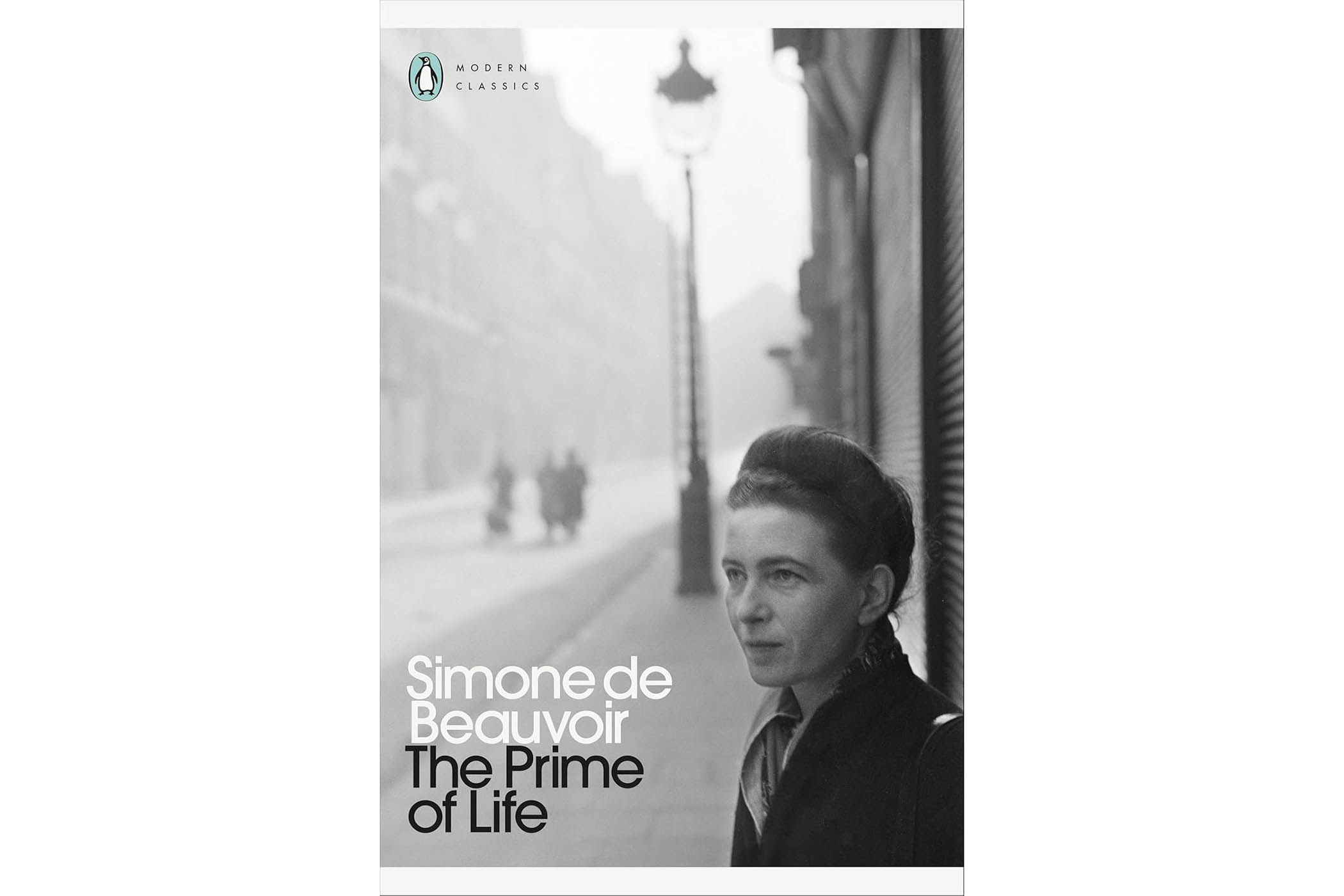
For life-changing nonfiction written by a woman, very little matches for me the electrifying sensation of reading Simone de Beauvoir’s The Prime of Life as an idealistic PPE student just beginning to find her own voice. I wasn’t just captivated; I could hardly breathe as I read this Sorbonne graduate’s fiery account of finding financial, intellectual and sexual freedom in her 20s and 30s.
From passion with Sartre, to austerity and violence against the backdrop of the second world war, to trying to live your life with integrity and idealism in a deeply patriarchal world, De Beauvoir exploded my 18-year-old sense of what was possible. This was literature as gelignite – and the force of her words blew my young, quaint, inexperienced mind.
Clarke’s The Story of a Heart won the 2025 Women’s Prize for nonfiction
Bernardine Evaristo
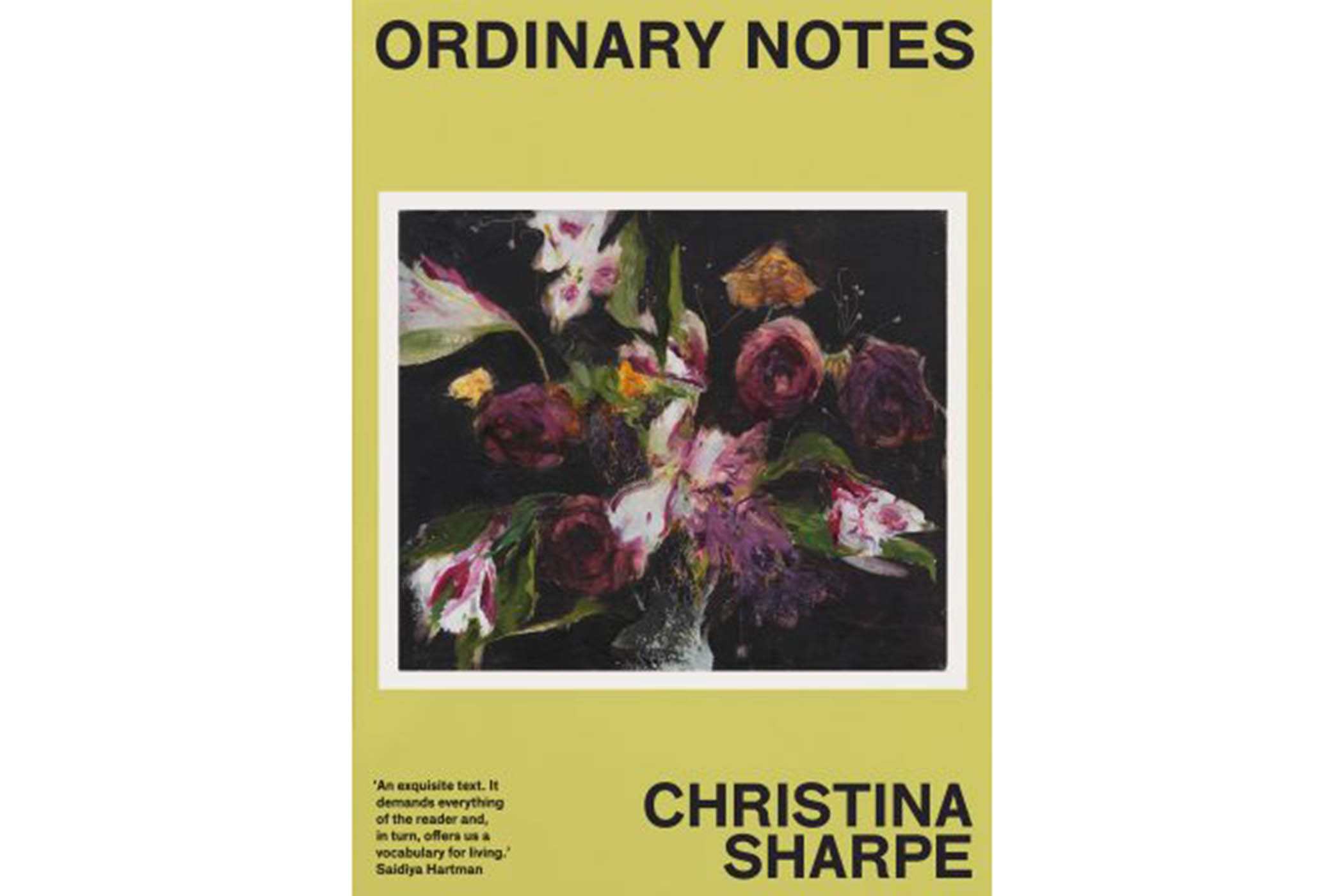
I first read Ordinary Notes by Christina Sharpe when it was fresh off the press, and found it so inspirational I have since reread it twice. It is an outstandingly original, formally inventive, profoundly moving and deliciously readable book in which the author infuses the contemporary with the weight of America’s Black history, from slavery onwards, thereby imaginatively connecting the past to the present. Consisting of 248 notes, ranging from one-liners to several pages, it resembles prose poetry, interspersed with an array of stunning colour photographs of people, places, art and objects.
This is a work that brilliantly juggles multiplicities. It is intimate and collective, intellectual and artistic, anecdotal and observational, political and personal, and I found it offered me wonderful new ways of seeing, thinking and writing about culture, history, society and the self.
Anne Enright
I am often prompted to write on gendered topics about power and injustice, and though this can feel righteous, I long for the freedom men claim so easily to write about anything at all.
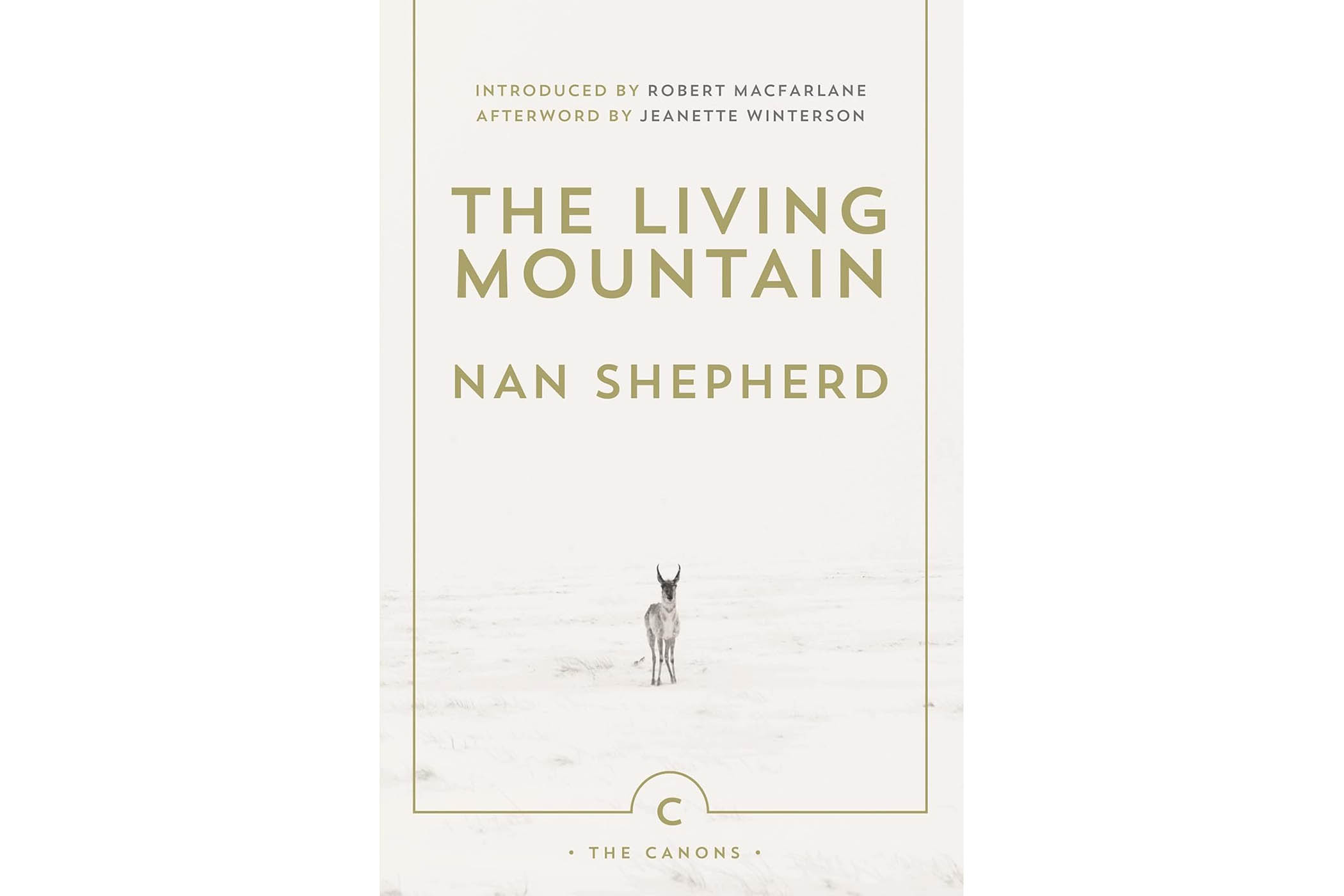
Nan Shepherd’s The Living Mountain is a work of plainsong majesty about the Cairngorms of Scotland and what it is to experience this landscape on foot and over time. The result is small and epic: one hundred pages long and written during the second world war, it lay unpublished in a drawer for 30 years (this may be a gender-related fact, unless it is not). Read it al fresco.
Julia Gillard
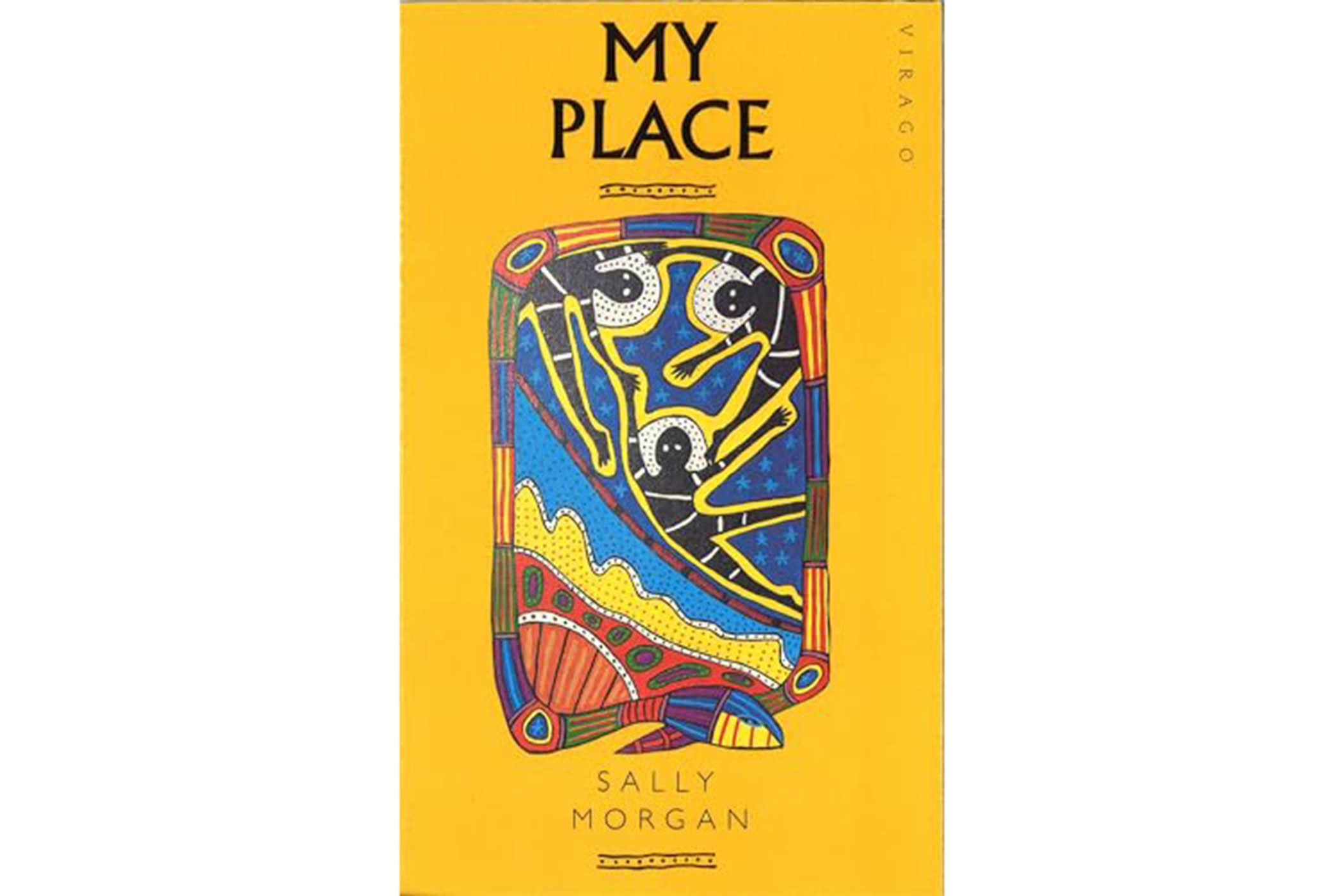
I read the autobiography My Place by Sally Morgan shortly after it was published in the late 1980s. Brought up to think of herself as a woman of Indian origin, as an adult, Sally discovered the truth of her identity: she is an Aboriginal Australian. Told in a warm, personal narrative style, it is a history that emotionally grips.
Sally’s book helped spark the campaign to break the silence and uncover the truth about the Stolen Generations, the Indigenous children who were forcibly removed from their families simply because of racism. In 2008, I sat in the Australian parliament watching then prime minister Kevin Rudd deliver a beautifully worded and emotional apology for all the harm done by these hideously cruel policies. I saw then just how much nonfiction matters and its power to change the world.
Gillard is chair of judges for the 2026 Women’s Prize for fiction. She served as Australian prime minister from 2010 to 2013
Tahmima Anam
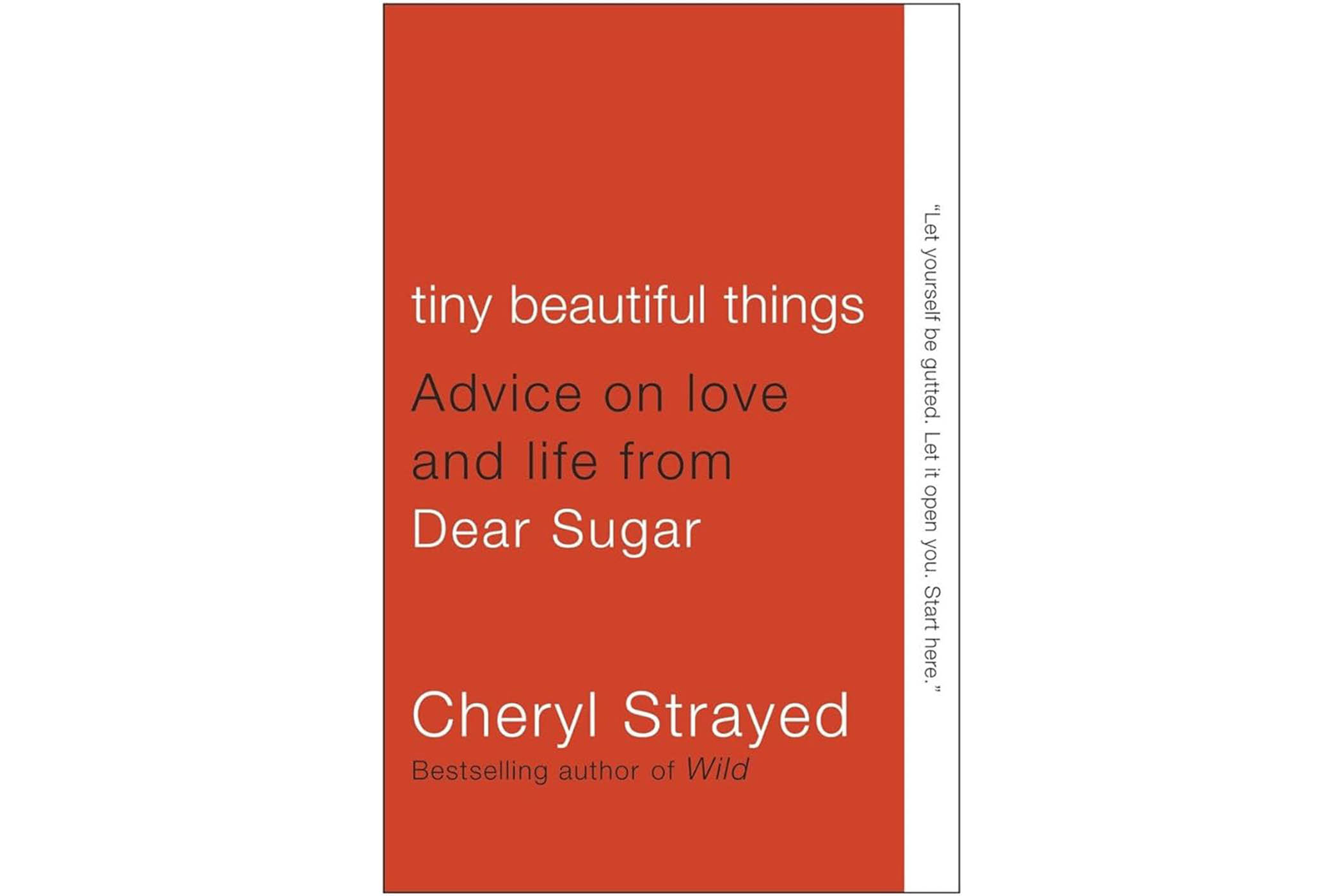
Dipping into Tiny Beautiful Things (a collection of Cheryl Strayed’s advice columns for online literary magazine the Rumpus) is like borrowing an older sister for a few hours – if your older sister was wise, funny and willing to bare her soul. When a letter writer asks Sugar (the pseudonym Strayed used for her column) what the definition of love is, she tells the story of the last thing her mother ever said to her before she died. To a woman who has fallen out of love with her boyfriend and yet is afraid to leave him, she writes of being hungry and looking for coins on the streets of London.
Every essay is a lesson in radical empathy, teaching us that vulnerability is a superpower, that to tell the stories of our own lives, with abandon, without the fear of saying too much or giving too much away, is a precious and rare gift. It is the best argument for storytelling I have ever read.
Erica Wagner
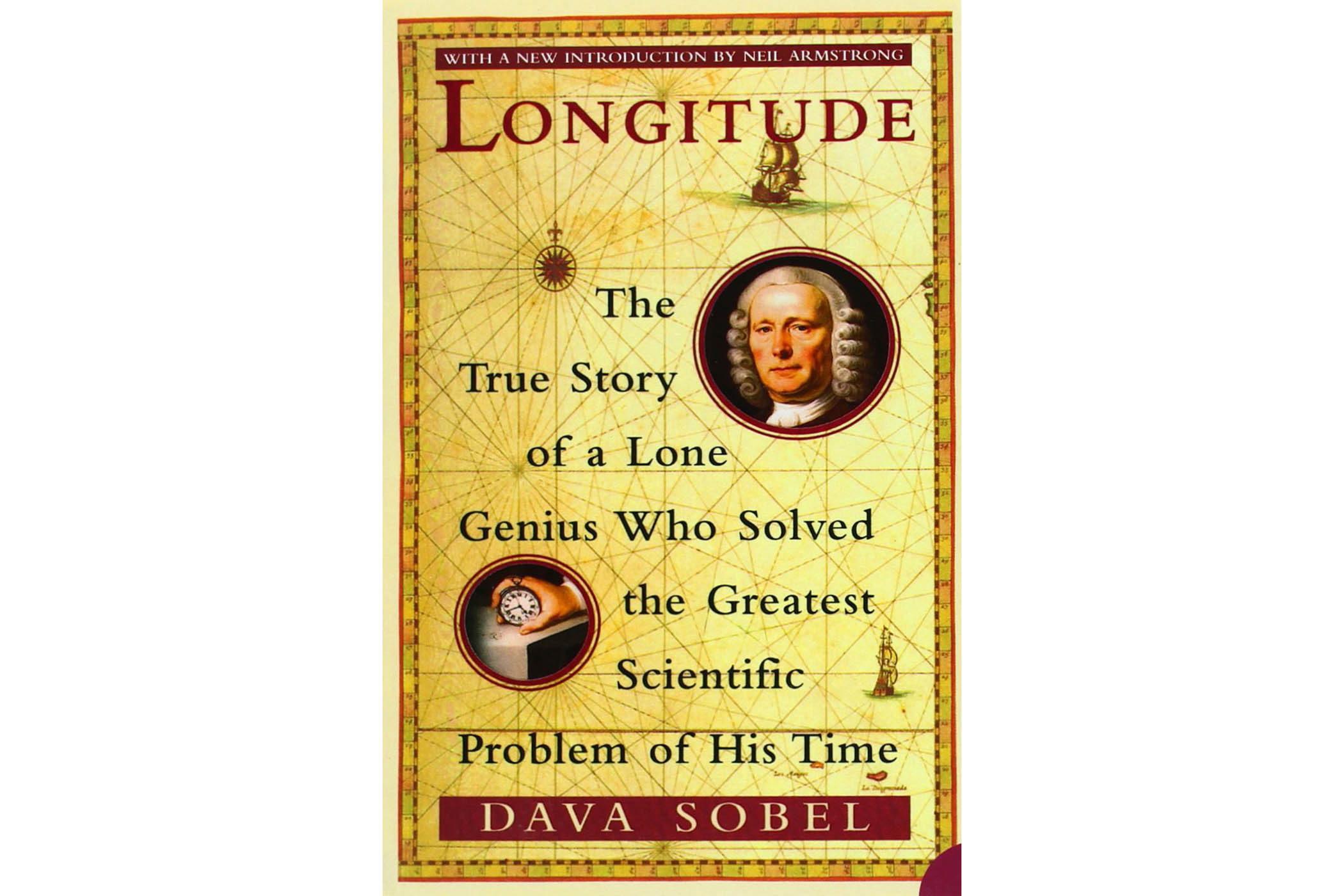
I hadn’t been a literary journalist for long when an energetic publicist told me about a book she knew I would love. It was about a self-taught English inventor whose world-transforming work had somehow gone almost unnoticed. Can you guess? Yes, the book was Dava Sobel’s Longitude, first published in 1995, which told the remarkable story of the clockmaker John Harrison (1693-1776).
Harrison’s marine chronometer meant that – after millennia of desperate wandering and shipwrecks – sailors could truly know where they were at sea. The globalised world flows on from that. Sobel’s book is brief, exciting, scholarly, and paved the way for a brand of nonfiction that has still not lost its appeal.
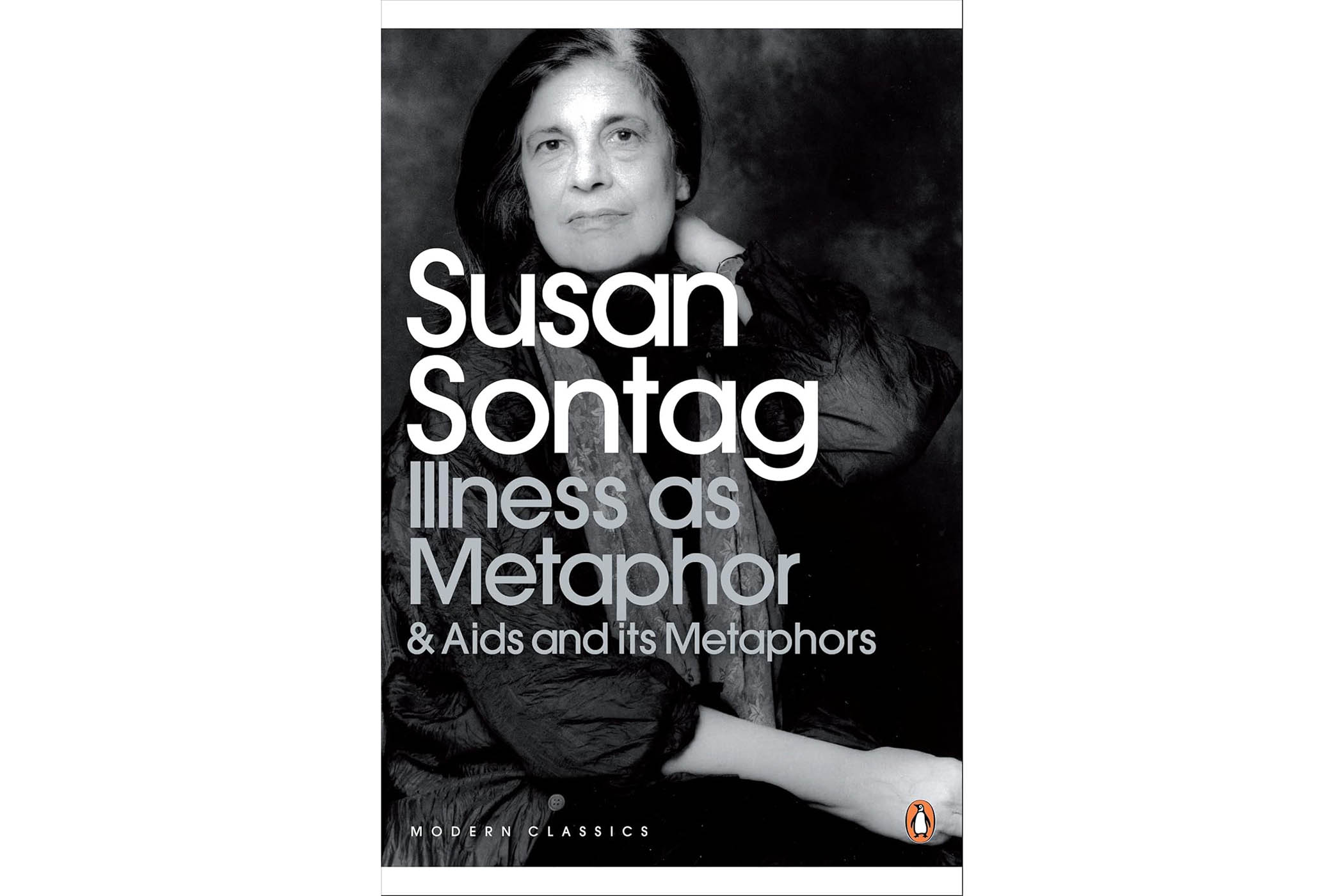
Naomi Alderman
Susan Sontag’s Illness As Metaphor is an extraordinary book. Short and beautifully researched, it lands like a punch to the solar plexus. She traces how often we treat physical illness, if we don’t know its origin, as a sign of mental or moral weakness. We did it with TB, and Sontag includes letters from Kafka and Katherine Mansfield dying in a sanatorium, saying that they only needed to have more discipline and they’d be well. No, they needed penicillin. We believed the same nonsense about cancer, saying that it was a sign of psychological withholding. And of course, as GLP-1 inhibitors are revealing, we have been doing the same with bodies that have extra adipose tissue. It was never a moral failing, a sign of stupidity or laziness.
This is a book that stiffens the spine, sending us into the world with renewed courage and self-respect.
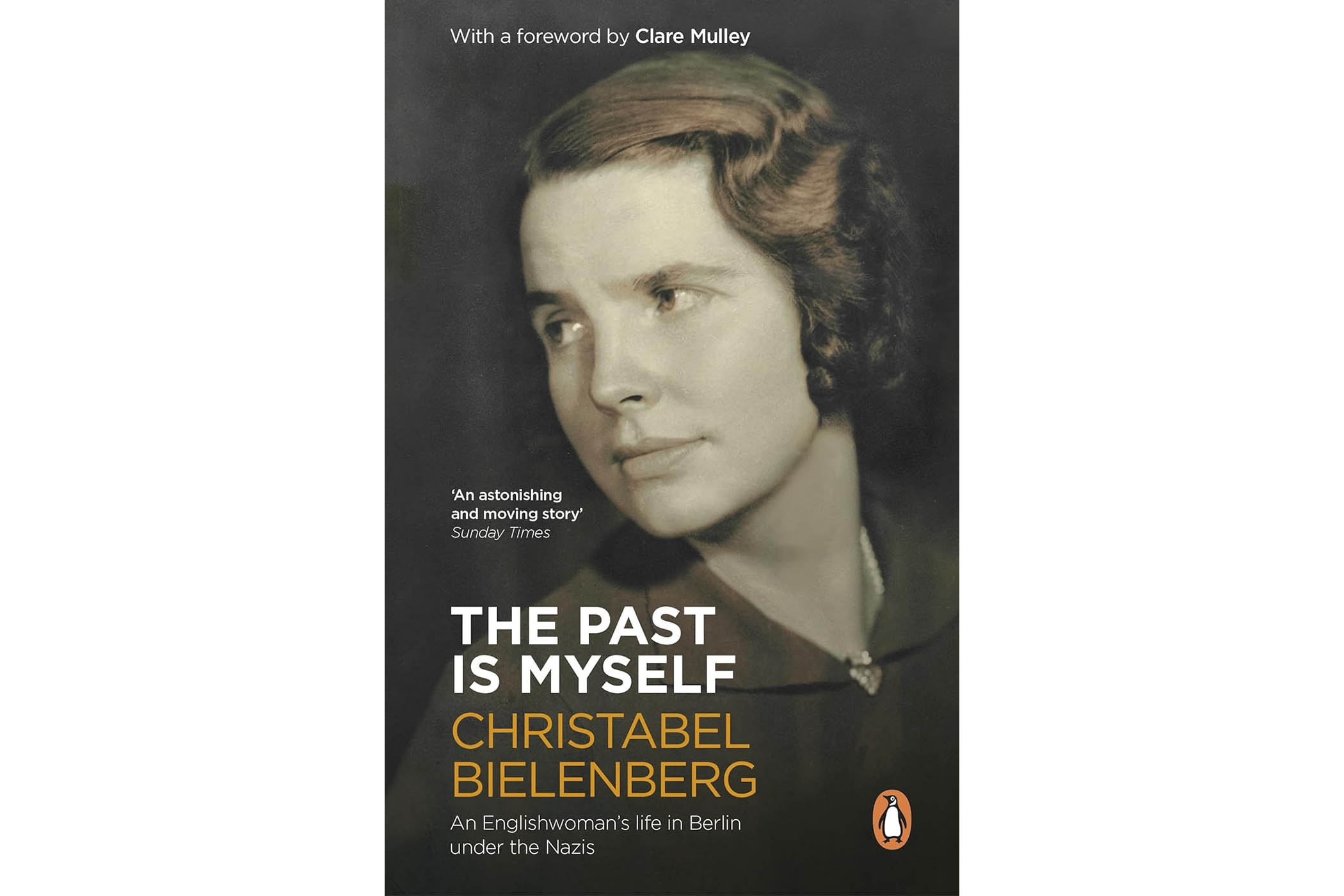
Mishal Husain
I came to The Past is Myself via the BBC TV series it inspired (Christabel, starring Elizabeth Hurley) in 1988, which means I was still a teenager when I read it. It’s a memoir, simply and elegantly written, about Christabel Bielenberg’s life as a young Englishwoman married to a German and living in Germany through the second world war. There is a quiet power and authenticity as she documents the creep of totalitarianism and state terror. While she demonstrates courage by volunteering for Gestapo questioning after her husband is arrested, she is never grandiose.
I can draw a direct thread between reading this and my own family memoir Broken Threads: this is the book that made me realise the stories of individuals, ordinary people living through extreme times, have resonance and value.
Husain is host of The Mishal Husain Show podcast
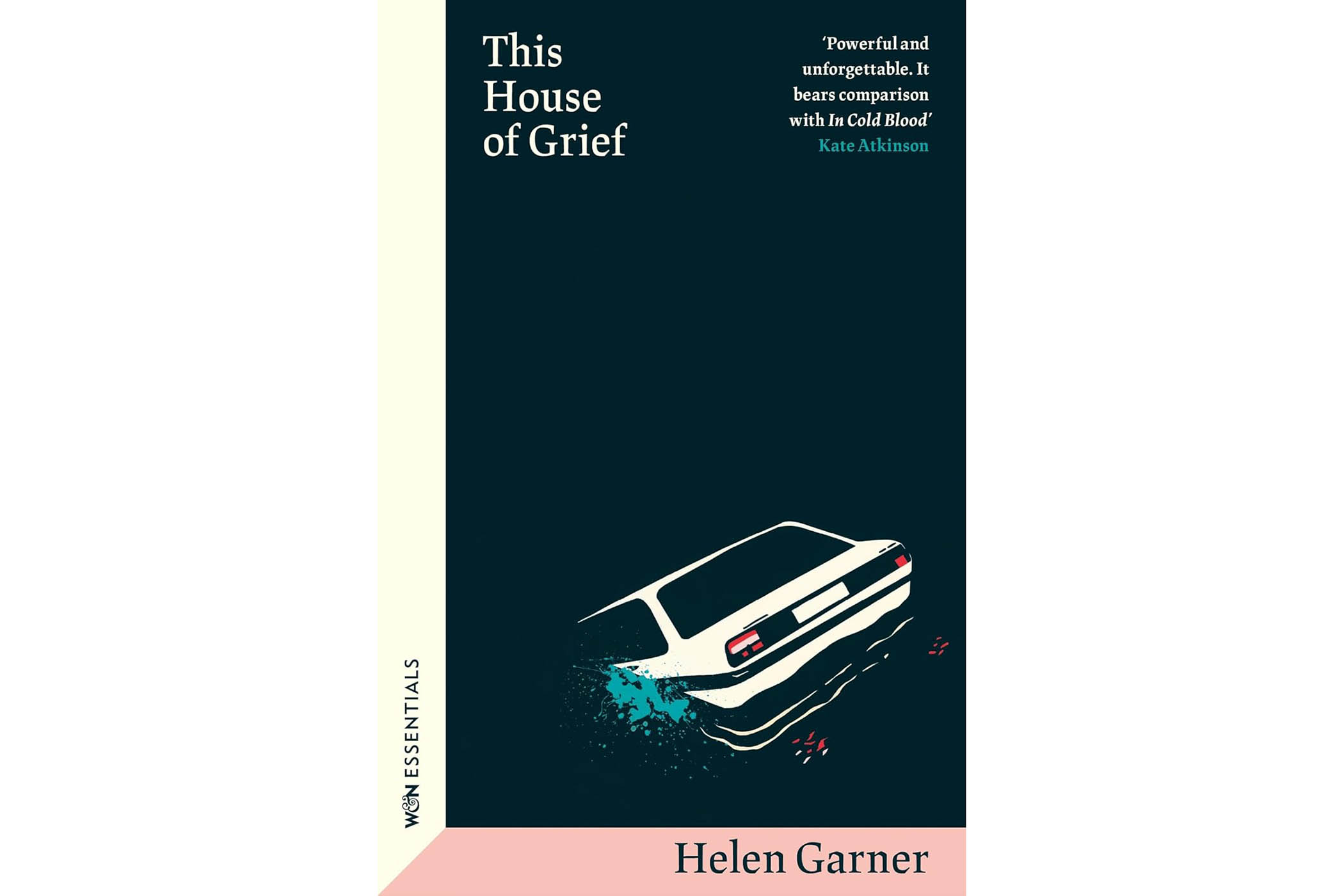
Sophie Elmhirst
An editor recommended I read Helen Garner’s This House of Grief some years ago. I’d never heard of her, proof only of my embarrassing ignorance. Garner has been a revered writer in Australia for nearly 50 years, since the publication of her first novel Monkey Grip. But This House of Grief is nonfiction, an account of the trial of a father accused of murdering his three young sons by driving a car into a dam and letting them drown. I discovered it to be not just a work of meticulous, harrowing journalism born of years in courtrooms, but a kind of personal excavation.
Garner writes with fearless candour. There is no pretension, no avoidance, only a commitment to write exactly what she sees in front of her, and a virtuosic ability to translate her enormous and sympathetic intelligence to the page. I went on to read everything she’d written: fiction, nonfiction, journalism and diaries that made me realise that a singular, honed voice can turn itself to any form, any material, as long as it trusts itself.
Margaret Busby
Women, Race & Class by the iconic activist and academic Angela Davis appeared in a decade of increasing scholarship on the intersecting factors that contribute to discrimination and privilege. This essential, challenging 1981 essay collection interrogated the US women’s liberation movement that had been run since the 1960s by white middle-class women, with abolitionism and suffragism framing the historical picture.
The same year, the feminist theorist bell hooks examined the effects of racism and sexism on Black women in Ain’t I a Woman?, and the Trinidadian historian CLR James gave a notable talk in Brixton entitled Three Black Women Writers: Toni Morrison, Alice Walker, Ntozake Shange. Such welcome focus on powerful African American voices found me yearning for an even more expansive view of Black female wisdom and creativity. Hence my 1992 international, intergenerational anthology Daughters of Africa featured more than 200 women, including the above named. And there was still space for New Daughters of Africa in 2019.
Katherine Rundell
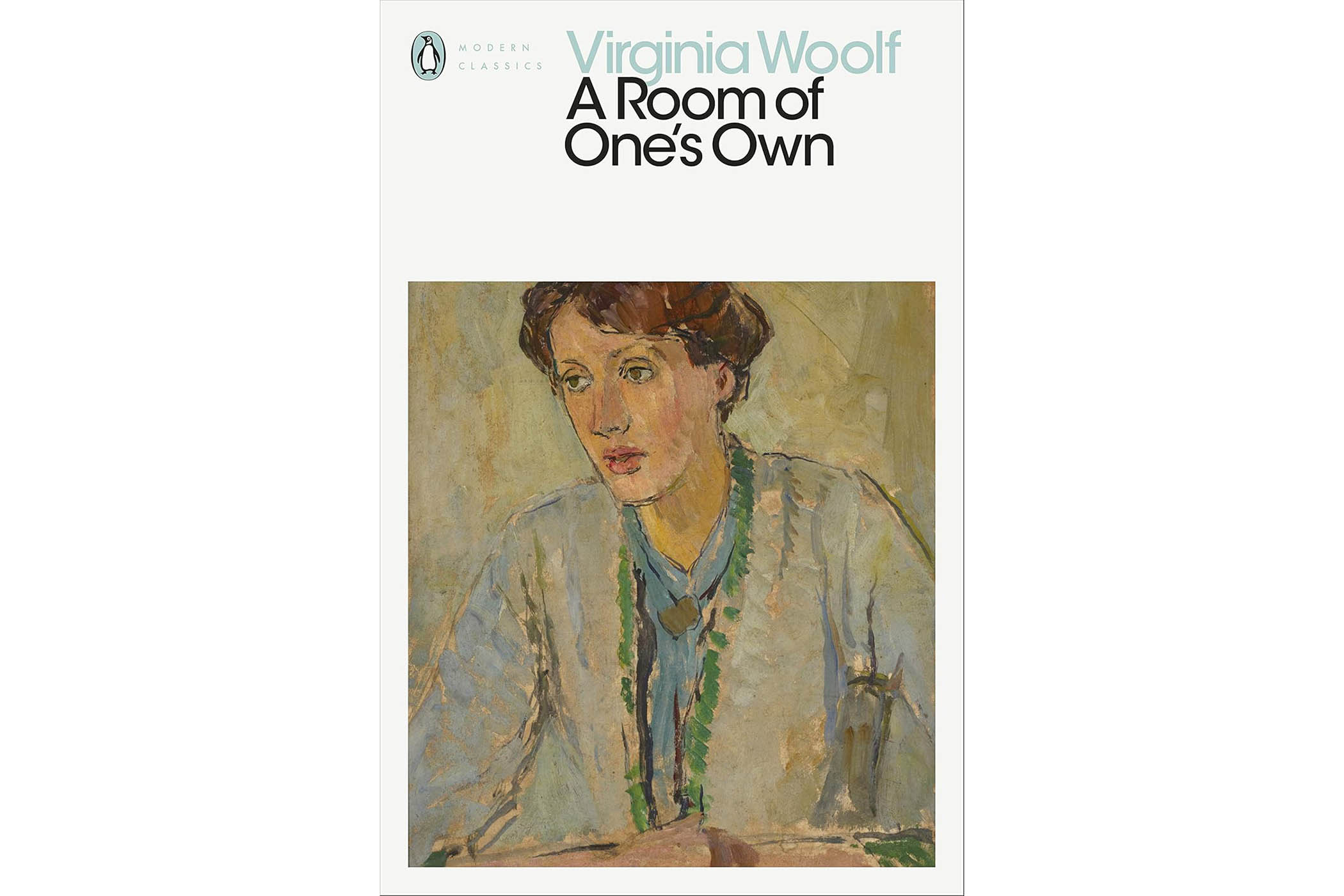
Virginia Woolf published A Room of One’s Own in 1929, and in it her famous line: “A woman must have money and a room of her own if she is to write fiction.”
The book – based on two essays Woolf read to student societies at Cambridge – is, in part, about the ways in which ideas rely on material circumstances to take flight. Woolf writes about women in men’s fiction: “She dominates the lives of kings and conquerors in fiction; in fact she was the slave of any boy whose parents forced a ring upon her finger.” I would give a copy of the book to every young person I meet; it’s our tragedy that we haven’t, a hundred years later, rendered its arguments obsolete. It is worth your time, too, for the beauty of its writing. One of the greatest, most glamorous and most underrated gifts, I think, is clarity. The essay rings with Woolf’s adamantine lucidity, and brings with it its own oxygen.
Mona Arshi
After the poet Denise Riley’s son died, she published the book-length essay Time Lived, Without Its Flow. I encountered this work when my brother died in 2012. In the essay, Riley conjures a new language to describe what happens to time under the pressure of grief, and articulates how we experience it as a rupture: “This curious sense of being pulled right outside of time, as if beached in a clear light.”
Her writing felt like such a radical rethinking in the genre of bereavement literature, which so often embeds a drive to closure and self-possession that is so at odds with the actual experience of living with grief. Riley writes with lyric precision and there are whole passages of this essay that I know off by heart. She uses her loss as an instrument to probe and transmutes it into something so useful. There is such generosity in these pages; it’s an extraordinary gift Riley has given us.
Arshi is a judge for the 2026 Women’s Prize for fiction
Helen Macdonald
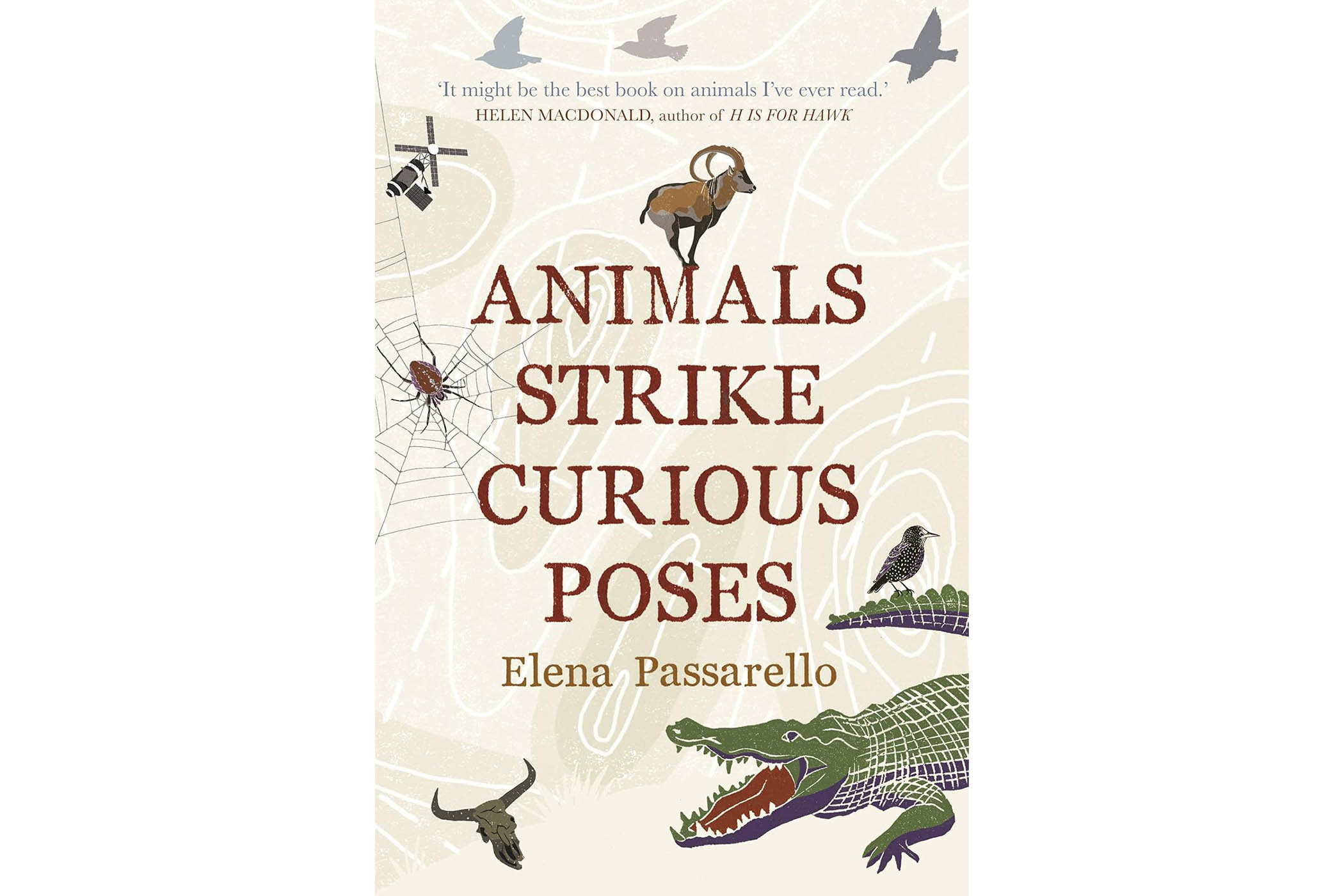
Elena Passarello’s Animals Strike Curious Poses – its title is a line from Prince’s When Doves Cry – is a collection of 16 biographies of famous animals through history: from a mummified mammoth to Dürer’s rhinoceros, Mr Ed the TV horse, Mozart’s starling, Darwin’s tortoise and space station spiders. It is by far my favourite book on animals.
Each essay is a small miracle, its literary style a perfect fit to the animal it describes, each a meditation on the human condition as much as our relationship to the natural world, and none are less than fascinating. Before this, I’d never read a book that spurred so many new thoughts while alternately reducing me to tears and fits of helpless laughter. A work of total genius.
Yuan Yang
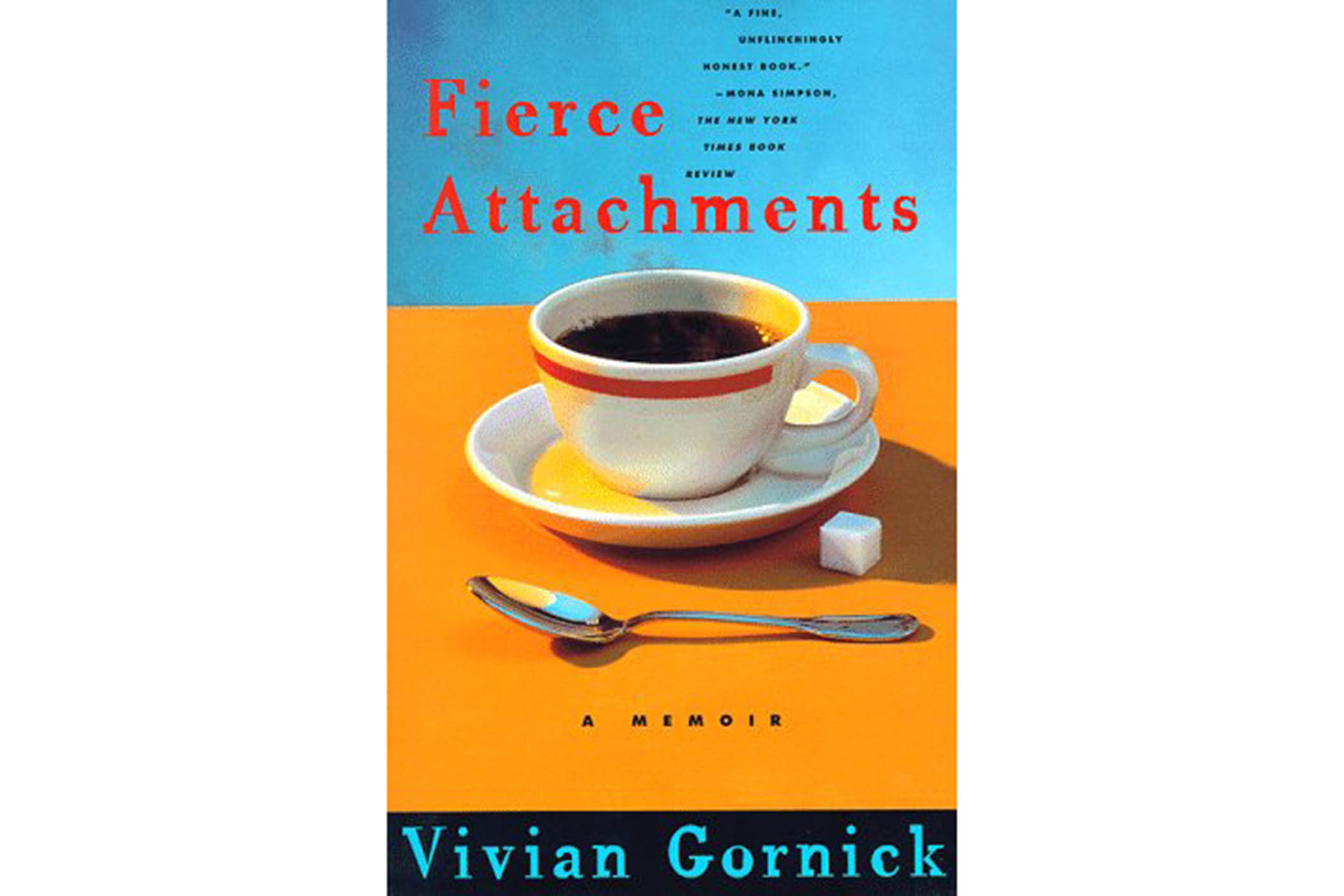
Early in Vivian Gornick’s memoir, Fierce Attachments, she describes going on a walk, as an adult, with her mother through New York City, where they live. Her mother, she writes, is “capable of stopping a stranger out on the street … and saying, ‘This is my daughter. She hates me.’”
Wilful daughters’ relationships with their mothers formed a theme of my own book, Private Revolutions, and from conversations with my female colleagues in parliament, I marvel at how singular mothers tend to bring up strong-minded daughters – the combination leading to explosive kitchen conversations. One of my closest friends recommended Gornick’s memoir to me a few years ago, and it re-established my belief in the literary potential of memoir as a genre. Gornick grew up in a crowded Jewish tenement in the Bronx in the 1960s: “a building full of women”. She captures the relationships between them with astounding emotional precision – and love.
Yang’s Private Revolutions was shortlisted for the 2025 Women’s Prize for nonfiction
Sigrid Rausing
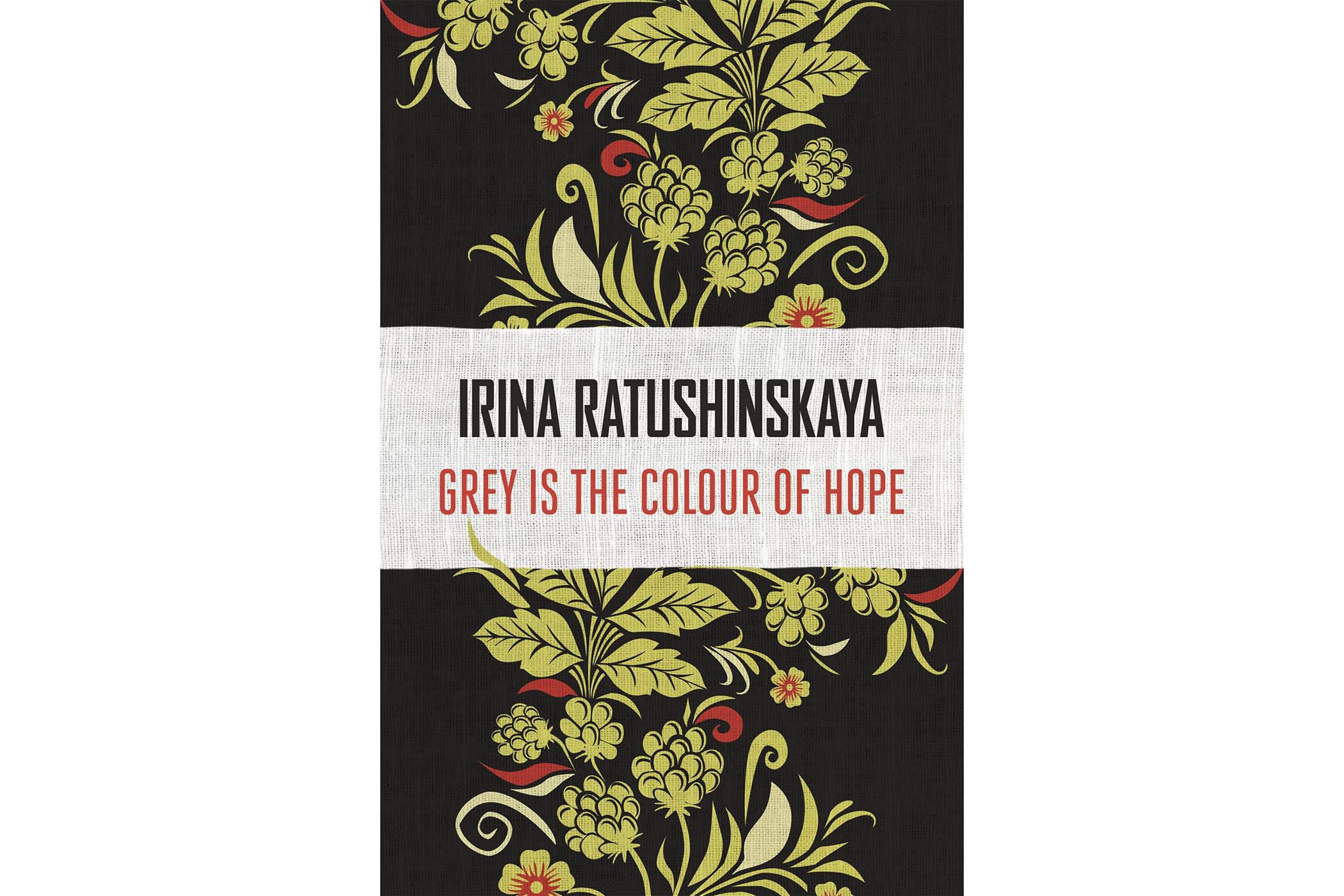
Some time in the early 1990s I went to a reading by Irina Ratushinskaya, the Odesa poet in exile. Listening, I found myself drawn into her world of dissident poetry, much of it composed in Soviet prisons. Most dissidents preferred vivid details over empty abstractions (they had enough of those), and many of Ratushinskaya’s poems are miniature prison scenes of ephemeral beauty, written on soap or cigarette paper, memorised and destroyed.
Her memoir Grey Is the Colour of Hope (1989) describes her experiences, from the friendship between the women prisoners to the feared SHIZO, the dark and freezing punishment cell. Later, I met others like her: people whose experiences in prison or camps were manifested in habits not in words, an aversion to vodka (too many drunk guards) or a passionate interest in birdsong. Narratives were fragmented, marked by watchful silences. Ratushinskaya’s writing made her trauma visible to all – an act of great courage.
Roma Agrawal
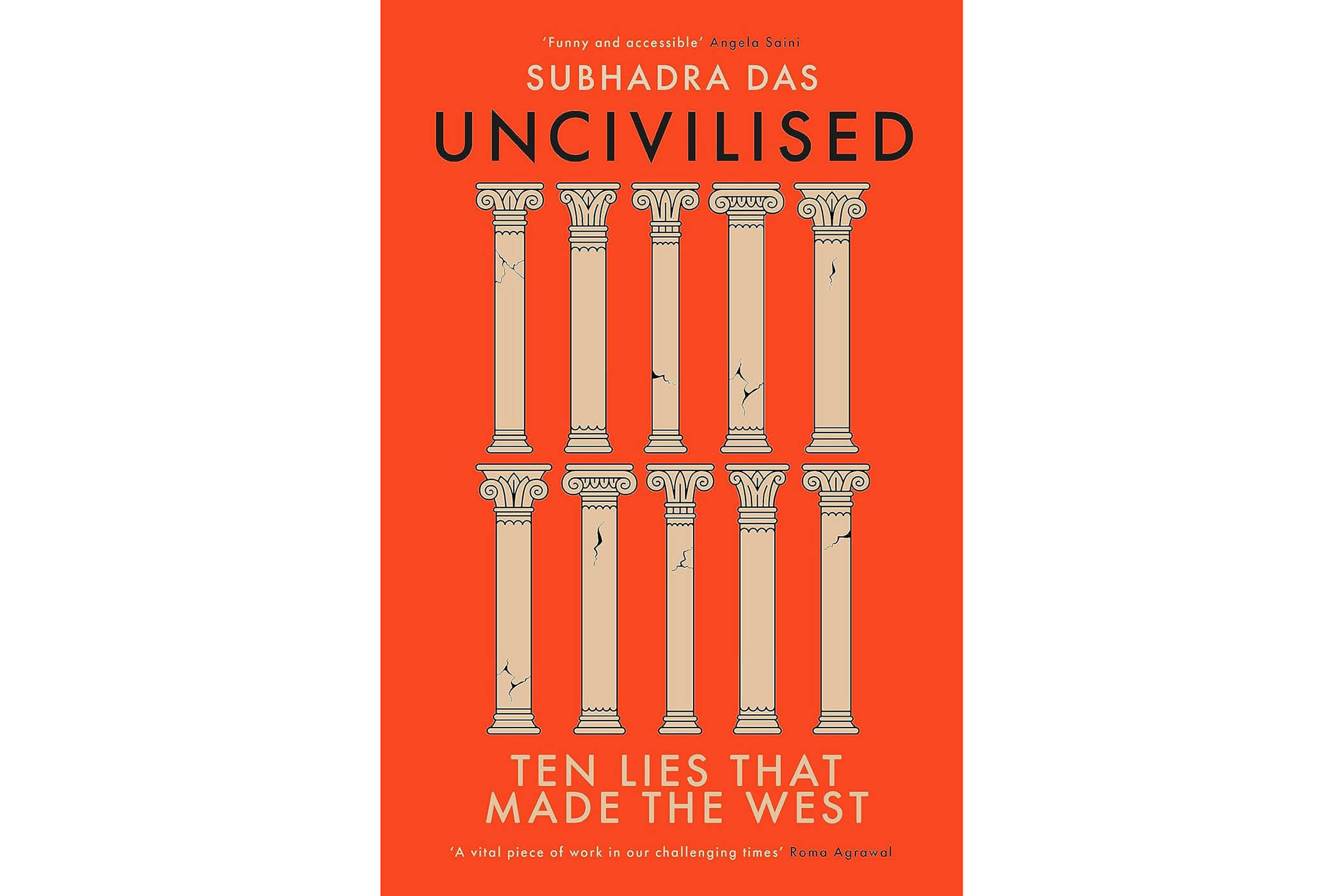
Given the state of the world, I’m always interested in historical, global narratives about how we got here. Uncivilised: Ten Lies That Made the West by Subhadra Das takes topics such as science, death, time and justice, and shatters the idea that the west has been at the forefront of development, creativity and civilisation.
I learned from it so much about the wisdom and knowledge of cultures around the world: cultures that are considered backward – or worse, savage – which leads to their dehumanisation. It’s witty, informative and expertly written.
Agrawal is a judge for the 2026 Women’s Prize for nonfiction
Megan Nolan
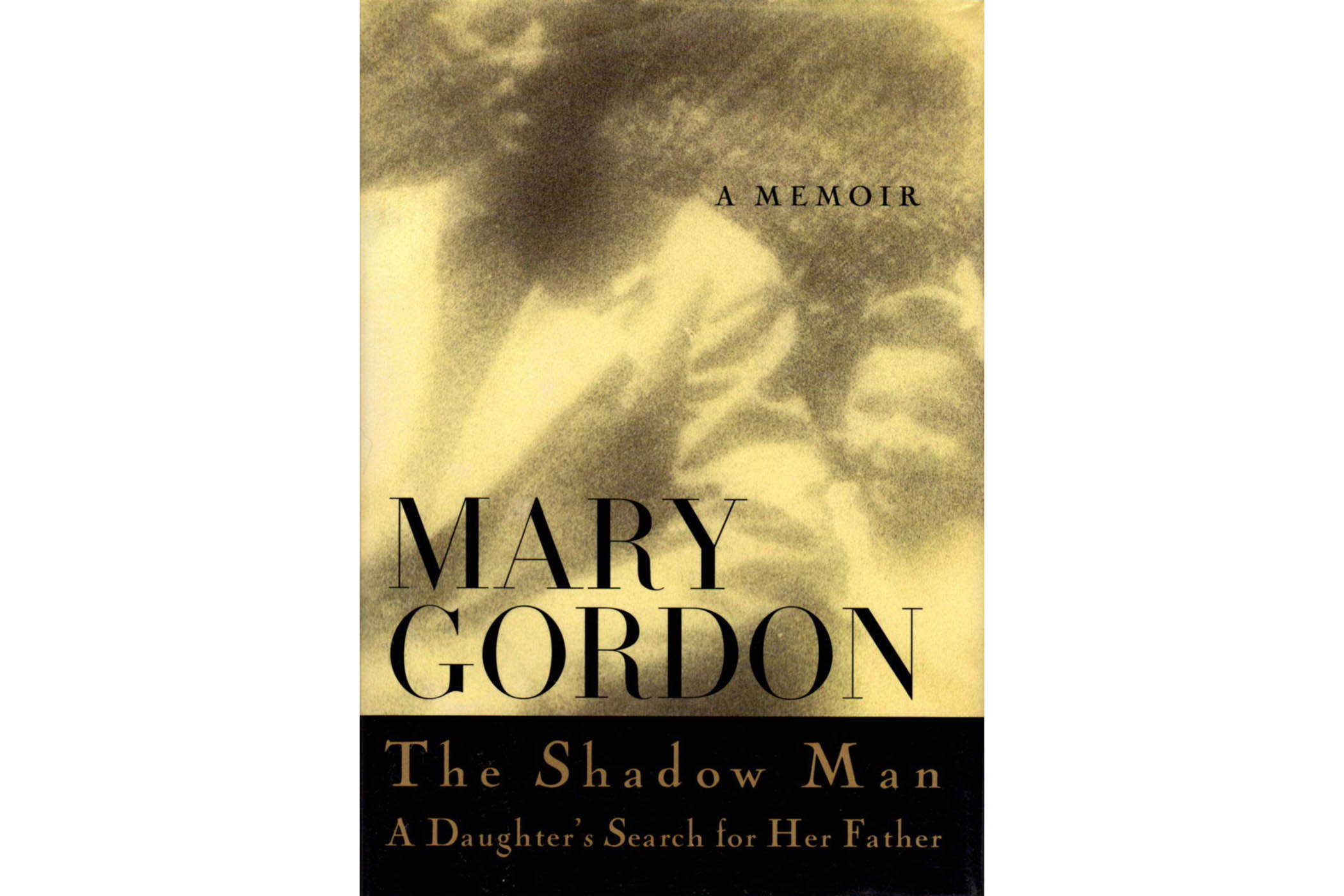
I read The Shadow Man by Mary Gordon last summer amid a slew of other father books. I was researching a project about my own father, reading any memoirs I could get my hands on. While those written by women authors were not totally elusive, most of the big guns in this genre were written by men, their approach often being an attempt to destabilise the totalitarian presence of a father to a son.
Gordon’s book shook me, not least with the intimacy she employs to resurrect her father, who died when she was seven. Ostensibly an attempt to track down the real man who led a life full of fantasy, hubris and double talk, the book functions as an attempt to claim him absolutely in spite of his prodigious deceit. Here is the moving confluence of a writer on top form and the ragged urgency of a hurt child trying to survive.
Julia Samuel
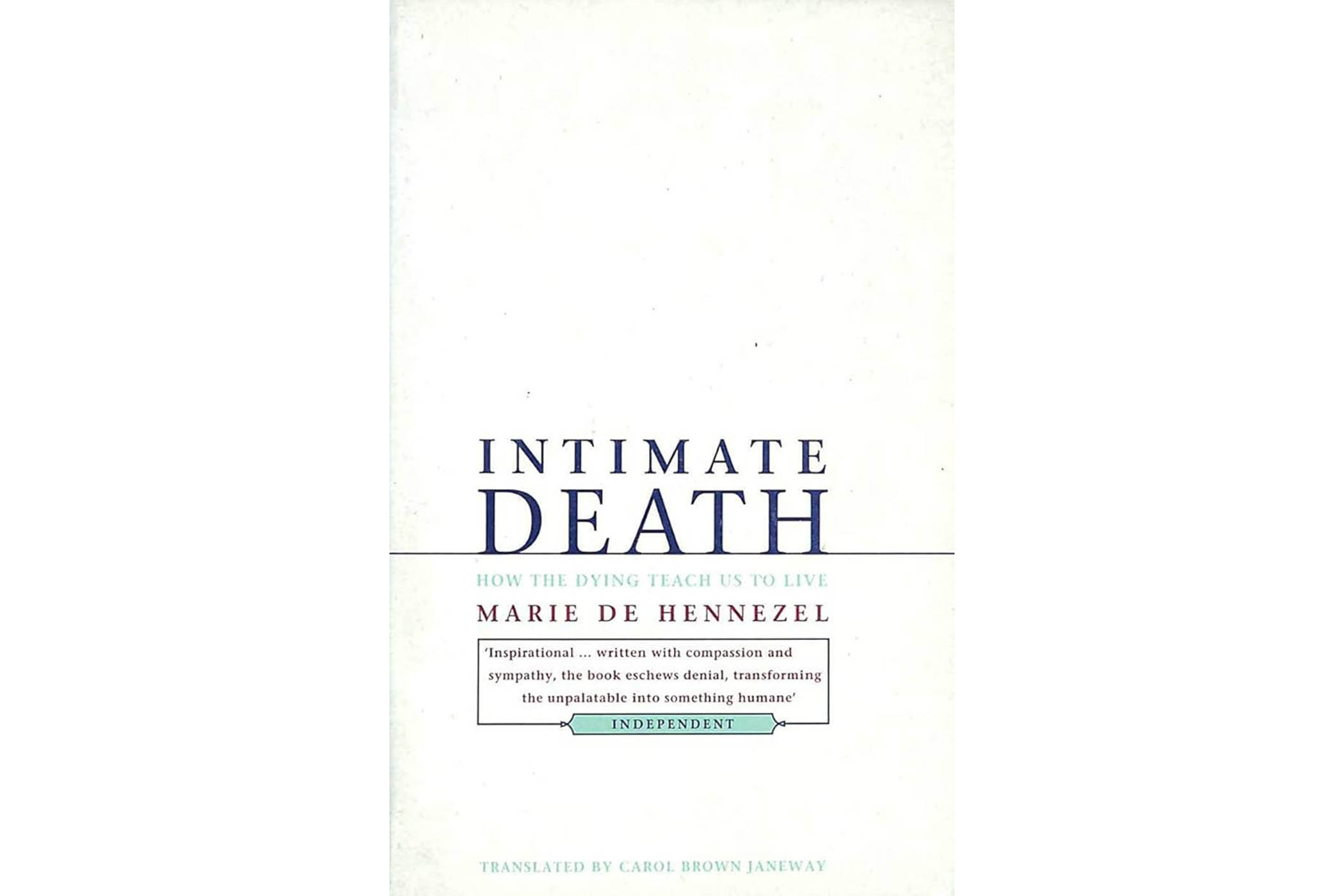
When I was a young trainee therapist, working in the field of grief, I came across Intimate Death by Marie de Hennezel. Until then, much of what I had read about dying was based on theory, using clinical language and psychological models. Her book felt entirely different.
Drawing on her work with the dying in a Paris hospital, she brings us into the emotional and human reality of the end of life with extraordinary tenderness and honesty. She shows how the final stage of life can hold intimacy, meaning and even moments of grace when people are met with love and presence rather than fear. It changed the way I understood death, and therefore the way I understood life. Her work has stayed with me and shaped my thinking ever since. A book can change your view of the world. Sometimes it can even change a life.
Explore the shortlist for the 2026 Women's Prize Non-Fiction and, for a limited time, get all six books for only £85 with free delivery at The Observer Shop
The Women’s Prize live
Join us in The Observer’s newsroom on Thursday 7 May, from 6.30-7.30pm, as prize judges and shortlisted authors celebrate the most exciting women’s voices in fiction and nonfiction. Book your ticket here
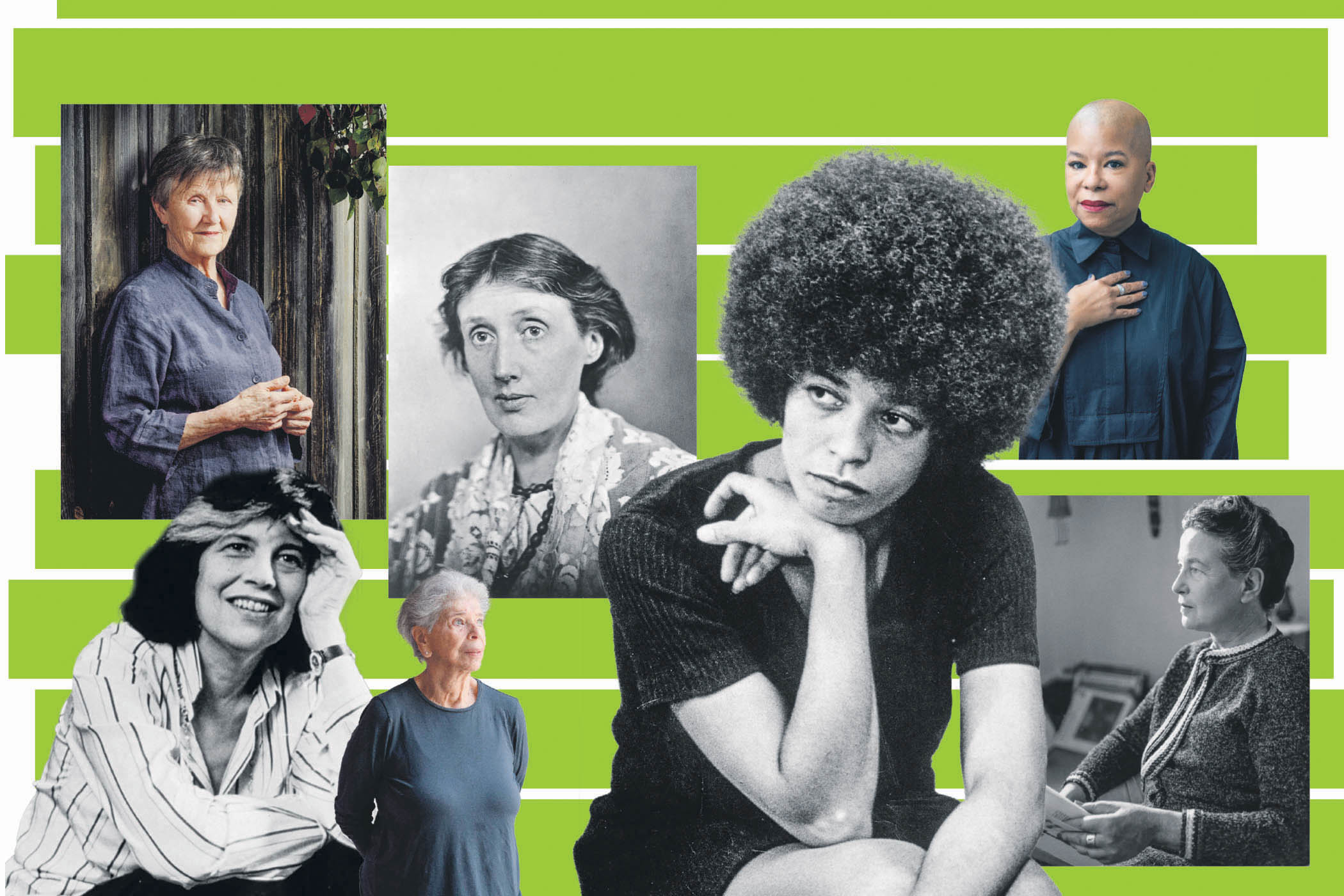
Main picture (clockwise from top left): Helen Garner, Virginia Woolf, Angela Davis, Christina Sharpe, Simone de Beauvoir, Vivian Gornick and Susan Sontag.
Photographs by Darius Bashar, Hulton Archive/Getty Images, Gonzalez Oscar/Alamy, Darren James/Orion Books/AP, Gisele Freund/Getty Images, Edward Hausner/New York Times Co/Getty Images
Newsletters
Choose the newsletters you want to receive
View more
For information about how The Observer protects your data, read our Privacy Policy