

German author and translator Anne Weber won the 2020 German book prize for Epic Annette, a stylistically bold portrait of French resistance fighter Annette Beaumanoir. In Sanderling (first published in Germany in 2015 and now translated into English by Neil Blackadder), she focuses on the life of her great-grandfather, Florens Christian Rang. Tracing four generations, Weber explores German identity, ethics, faith and inherited guilt.
A Protestant cleric, Rang was posted to Poland in 1890 to help “Germanise” the local Catholic population. He lived in Poznań, then a Prussian city known as Posen. Weber gives her great-grandfather the nickname “Sanderling” because he reminds her of the shorebird, darting back and forth, mirroring his restless pursuit of the ideological currents of his time.
In the opening pages, Weber considers the weight of language. She recalls a French radio programme in which a guest, a French Jew, was incensed by the presenter’s pronunciation of “Auschwitz”. Weber reflects that the moment contained “all the difficulties and complexities of the relationship between Jews and non-Jews since”. Throughout, she examines “Deutschtum,” the idea of Germanness, and confesses that she still cannot bring herself to utter the German word for “Jew”.
In this layered meditation, Weber wrestles with the challenge of writing about her ancestors and her family’s potential culpability in Germany’s Nazi past. The book explores the excavation of history as deeply as its subject. She describes a “giant mountain” of dead bodies standing between herself and Sanderling. Weber says she could not have written this book from Germany. But living in Paris for many years gave her the distance to explore her family’s past and what it means to be German – then and now.
Tracing four generations, Weber explores German identity, ethics, faith and inherited guilt
Tracing four generations, Weber explores German identity, ethics, faith and inherited guilt
At the heart of Sanderling lies a troubling question: how could a man who moved in intellectual and utopian circles – a friend of Walter Benjamin, Martin Buber, Hugo von Hofmannsthal – raise a son who became a Nazi? Bernhard Rang, Weber’s grandfather, joined the party between May 1934 and October 1944, during which he was a member of the Sturmabteilung (SA) until June 1938 and a “voluntary cultural correspondent” for the security services of the SS between 1942 and 1944. Weber searches for clues among her great-grandfather’s papers and “autobiographical fragments” and uncovers a chilling account of Sanderling’s visit to a “lunatic asylum”, where he observes “idiotic children, being fed like animals… soiling themselves… creatures whose relatives could no longer tolerate having them close by and whom all of us were too cowardly to eradicate from the face of the earth”. He is struck by “a Rubenesque Hercules”, who yells “Kill me” at the doctor. Shocked, Sanderling asks: “Why don’t you poison these people?” Weber is shaken by the question and what it foreshadows. Yet she acknowledges the “zigzag of contradictions”: that Sanderling could not have known what horrors lay ahead, and that elsewhere she finds evidence of his inherent humanity.
Described by Weber as a “journey through time”, Sanderling is a searing examination of family and historical legacy, of how the past extends into the present. Her search culminates at Miłostowo cemetery during a Day of the Dead celebration. “I approach the hope,” she writes, “that somewhere in these depths of light and shadow there might be a place where all the dead, undivided, are my, our, forebears.”
Sanderling by Anne Weber, translated by Neil Blackadder, is published by Indigo Press (£14.99). Order a copy from The Observer Shop for £13.49. Delivery charges may apply.
Editor’s note: our recommendations are chosen independently by our journalists. The Observer may earn a small commission if a reader clicks a link and purchases a recommended product. This revenue helps support Observer journalism
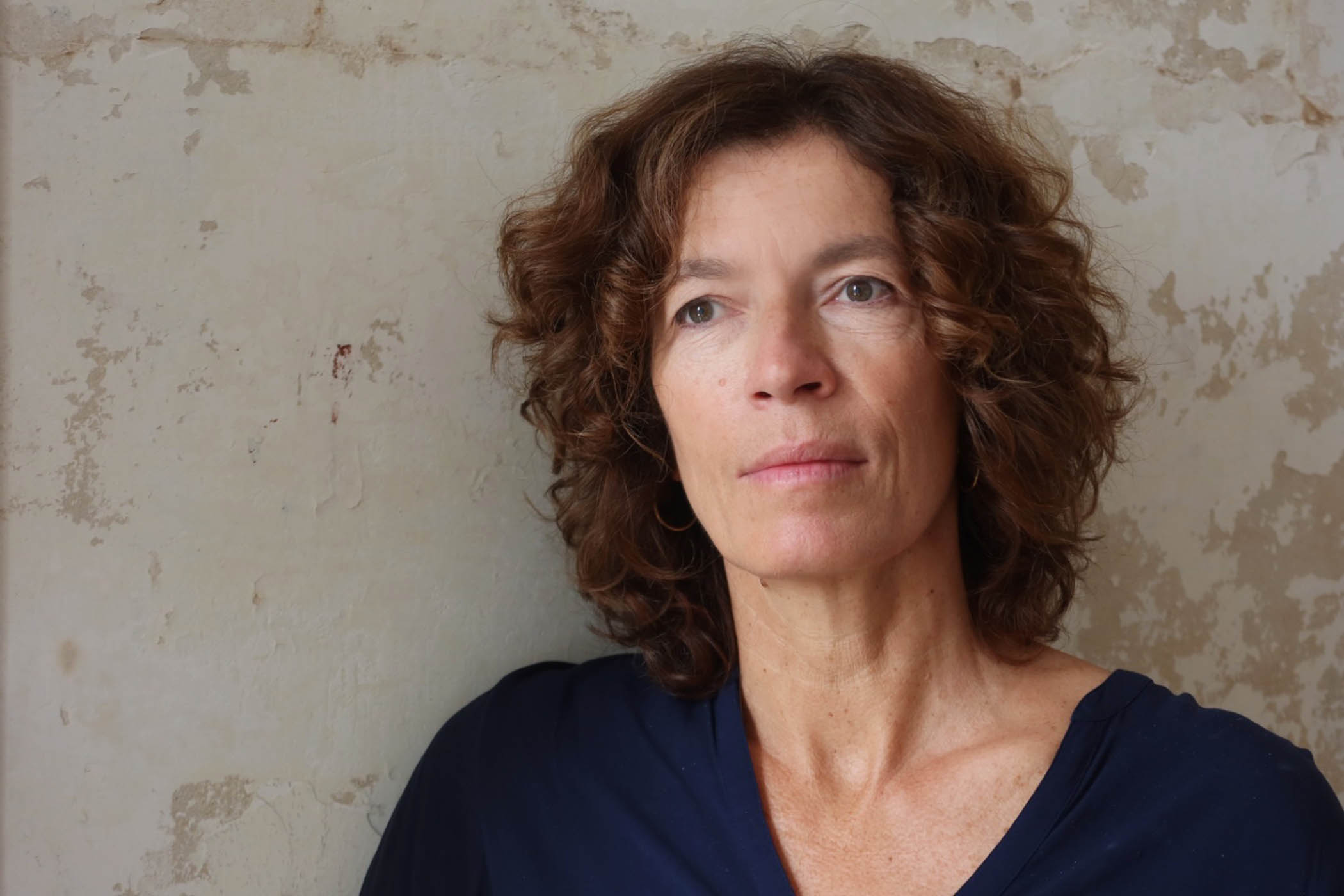
Portrait by Irmeli Jung
Newsletters
Choose the newsletters you want to receive
View more
For information about how The Observer protects your data, read our Privacy Policy