There’s a phrase we’re used to hearing regarding the privacy of the British royal family. It first appeared in 1867 in The English Constitution, an essay by Walter Bagehot that urged society gossips and the raggle-taggle press to keep their distance. “We must not let in daylight upon magic,” Bagehot wrote.
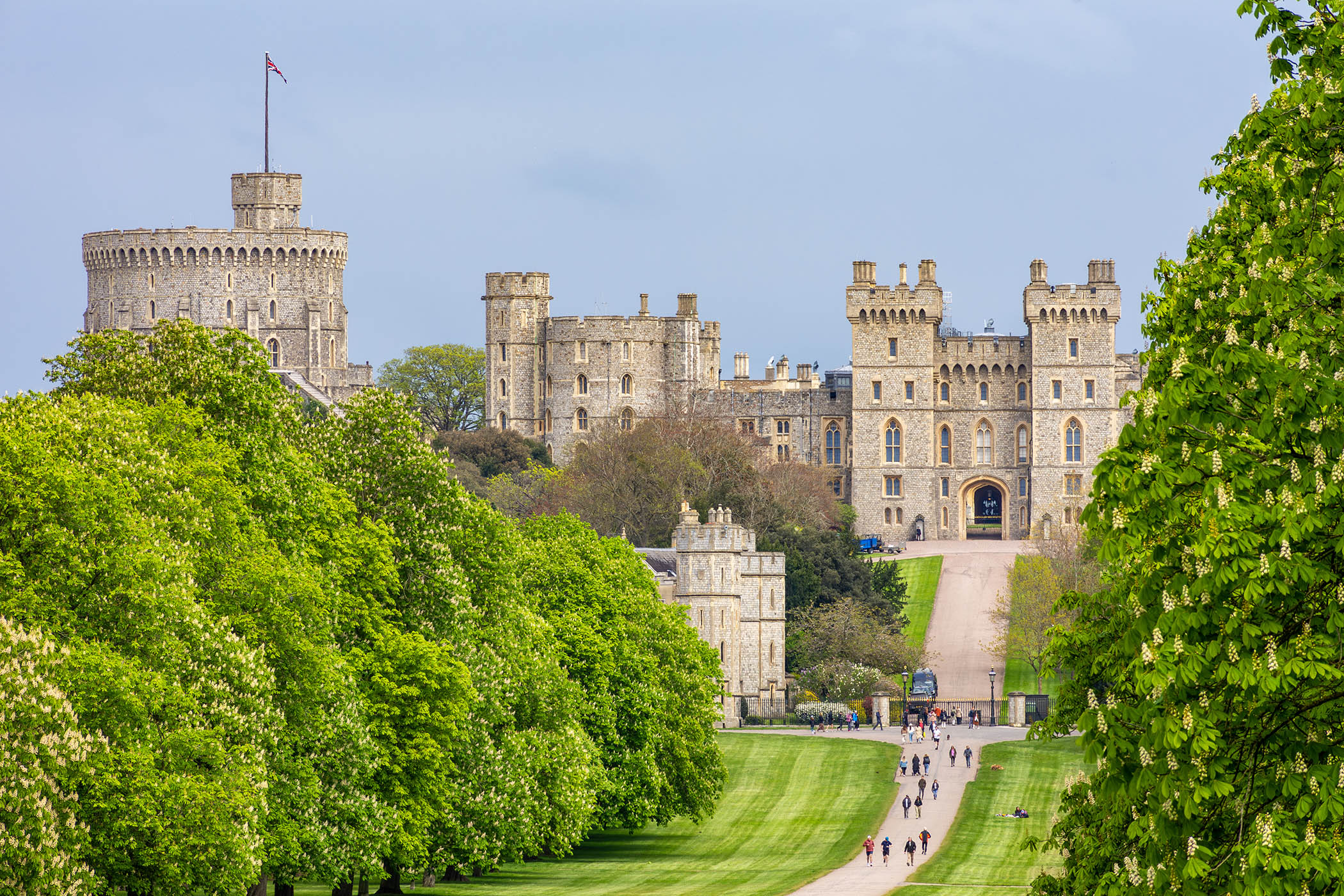
His words have been quoted ever since with reverence by those who happily doff their caps at the monarchy. They are also regularly sneered at by republicans. These days, due to the release of the Epstein files and the allegations dogging Andrew Mountbatten-Windsor, which he denies, many more people see the nature of the problem: if we keep those heavy, tasselled Windsor Castle curtains tightly drawn, we will never know what activities we are all funding.
Now another tiny beam of light has fallen on a corner of the fortress that surrounds the royal family. It illuminates the way they are customarily protected, even if it does not penetrate the structure. It is all set out in an exchange of emails from inside the BBC that have been released as the result of a freedom of information request made by John Wyver, a professor at the University of Westminster, who is part of a broader campaign to get the BBC to reconsider limiting public access to its extensive archive in Caversham. He and his fellow campaigners regard the archive as a crucial tool for developing a more detailed picture of British social history.
The internal BBC messages from 2022 show how attempts to understand the royal PR machine are habitually blocked. Specifically, they relate to BBC management’s decision not to go forwards with a long-planned open-access project, thus preventing the public from reading about historic negotiations with representatives of the royal household – its invisible men, who govern media access to the royals and have been known to cancel interviews if strict red lines are not adhered to.
An apparently innocuous but fateful email comes from Graham Ellis, the BBC’s audio chief and its former royal liaison officer. The subject line reads: “RE: Publication of Written Archives catalogue and listings relating to Royals.” Beneath Ellis writes: “Hi I must admit to a degree of nervousness about this so it would be good to have a discussion about it in my office – will find a moment. Regards.”
Ellis, by the way, was honoured directly by the queen in 2016, becoming a lieutenant of the Royal Victorian Order. He was also appointed as an adviser to the pope in 2017. But this story is not about one person. It is about the way the system works.
A team had been working for months on a comprehensive new catalogue that would allow researchers, academics and historians to access the BBC’s extensive archive at Caversham more easily. The purpose was to lay out the contents in detail, as other important European archives do.
It was a reasonable enough idea, as one BBC executive argued, before he was rebuffed. Writing to Ellis in October 2022, the executive said: “I believe that you may have [been] spoken to at various times about written materials featuring members of the Royal Family being vetted and cleared for use… The aim behind the release is to help open up visibility of the materials and help academics/researchers/historians/writers be able to better ‘self-serve’ and make selections before they visit the Written Archives Centre Reading Rooms to carry out their research.”
In 2023, the BBC decided not to launch the new archive catalogue, even after all the work had been done. The likelihood that the catalogue project would shed light on BBC communications with the House of Windsor and prompt press interest seems to have been a key factor in shelving it.
For Wyver, the documents he eventually got back from the BBC were surprising in several ways. First, the heavy level of redaction, which makes the Epstein files look relatively untouched. Then there is the complete lack of any presumption in favour of releasing material about an organisation that is funded by the license fee. Finally, the revelation of just how opaque censorship processes inside the BBC really are.
Newsletters
Choose the newsletters you want to receive
View more
For information about how The Observer protects your data, read our Privacy Policy
Wyver compares the BBC unfavourably with the clear rules that dictate the availability of documents held at Kew, home of the national archives.
“They are just so closed and so concerned to protect themselves,” Wyver said. “At Kew it is clear. Things are available or simply held back for 20 years. But the BBC are so obdurate. They are so risk-averse. You would think they might now make this whole archive available to the public, as a significant part of Britain’s history, or perhaps even as part of their charter renewal campaign, which emphasises how the BBC belongs to all of us. The core concerns are supposed to be trust and accountability, after all.”
Last year, a BBC spokesperson told The Observer: “We are taking on a new approach to make a wider selection of BBC history accessible and searchable, with an ambition to open up more of the written archive from 30% to 50% over the next five years.” This week the BBC said it had nothing to add to this statement.
In December the BBC released a large tranche of its archive files to the public to some fanfare. Wyver and his fellow campaigners were not appeased. They released a statement arguing: “Today's BBC announcement confirms the release of a limited series of files up to 1962, which have not been vetted owing to their being considered low risk. Crucially, these files have been selected entirely on the BBC’s terms and to serve its own purposes.”
Wyver and the campaigners are about to send a lengthy and detailed charter review submission to the department of culture, media and sport, highlighting the BBC’s failure to listen to their pleas.
Photograph by Luke MacGregor/WPA Pool/Getty Images