

Three books that go beneath the bonnet to shed light on the Regency author's worldview
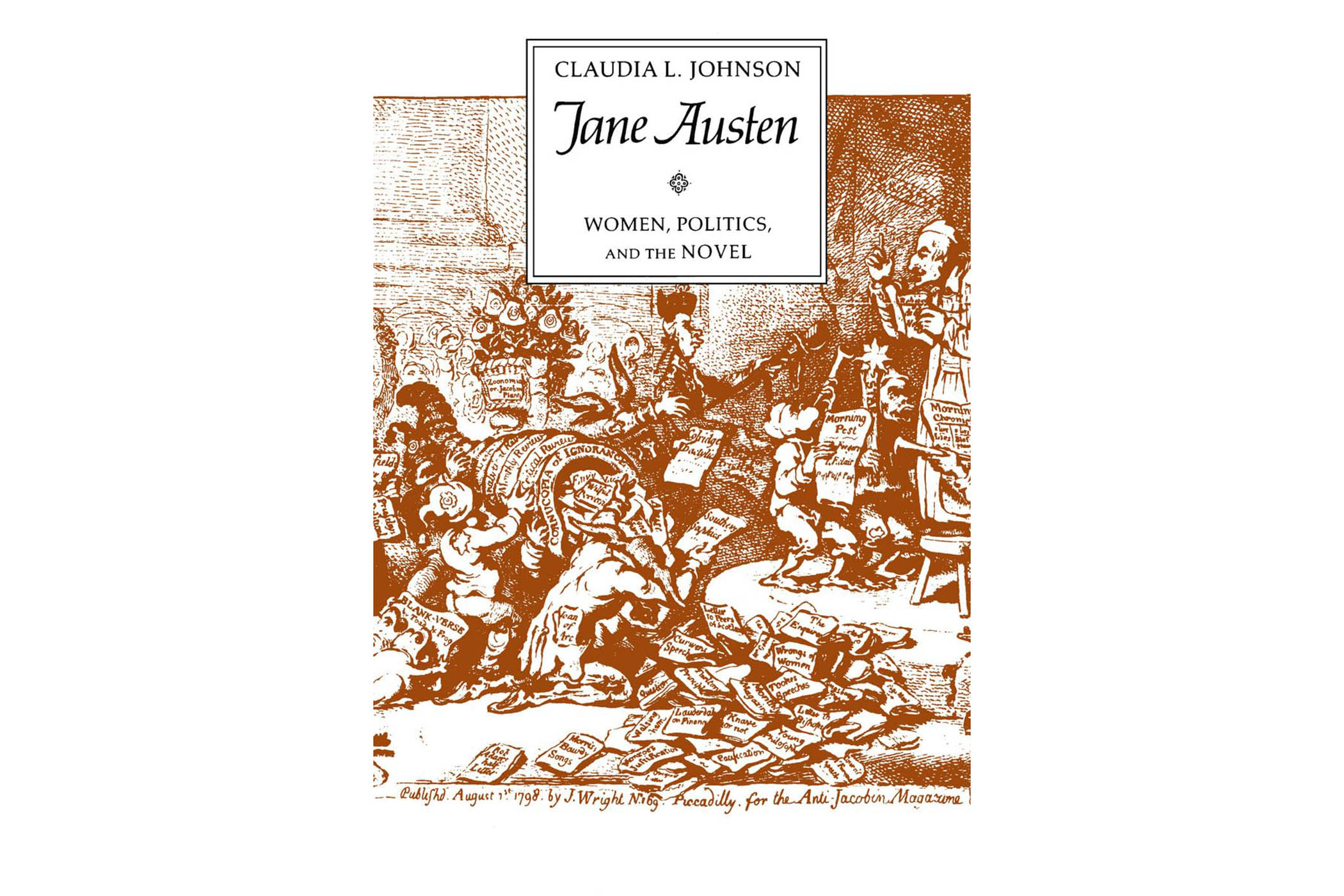
Jane Austen: Women, Politics, and the Novel by Claudia L Johnson (1988)
On 16 December, it will be 250 years since the birth of Jane Austen. Almost three decades ago, this book – one of the most thrilling interventions in Austen studies – deftly rescued the novelist from the lavender-scented realms of domestic triviality. With wit as sharp as Austen’s own, Claudia Johnson reveals a writer far more subversive than her bonnet-laden reputation allows – one who threads a cool, incisive critique of patriarchal authority through every drawing room. Eloquent and intellectually fearless, the book uncovers Austen’s sly manoeuvres against the pompous and the powerful. Johnson’s argument is not just persuasive; it is deliciously compelling, transforming Austen into a radical whose rebellion lies in her restraint.
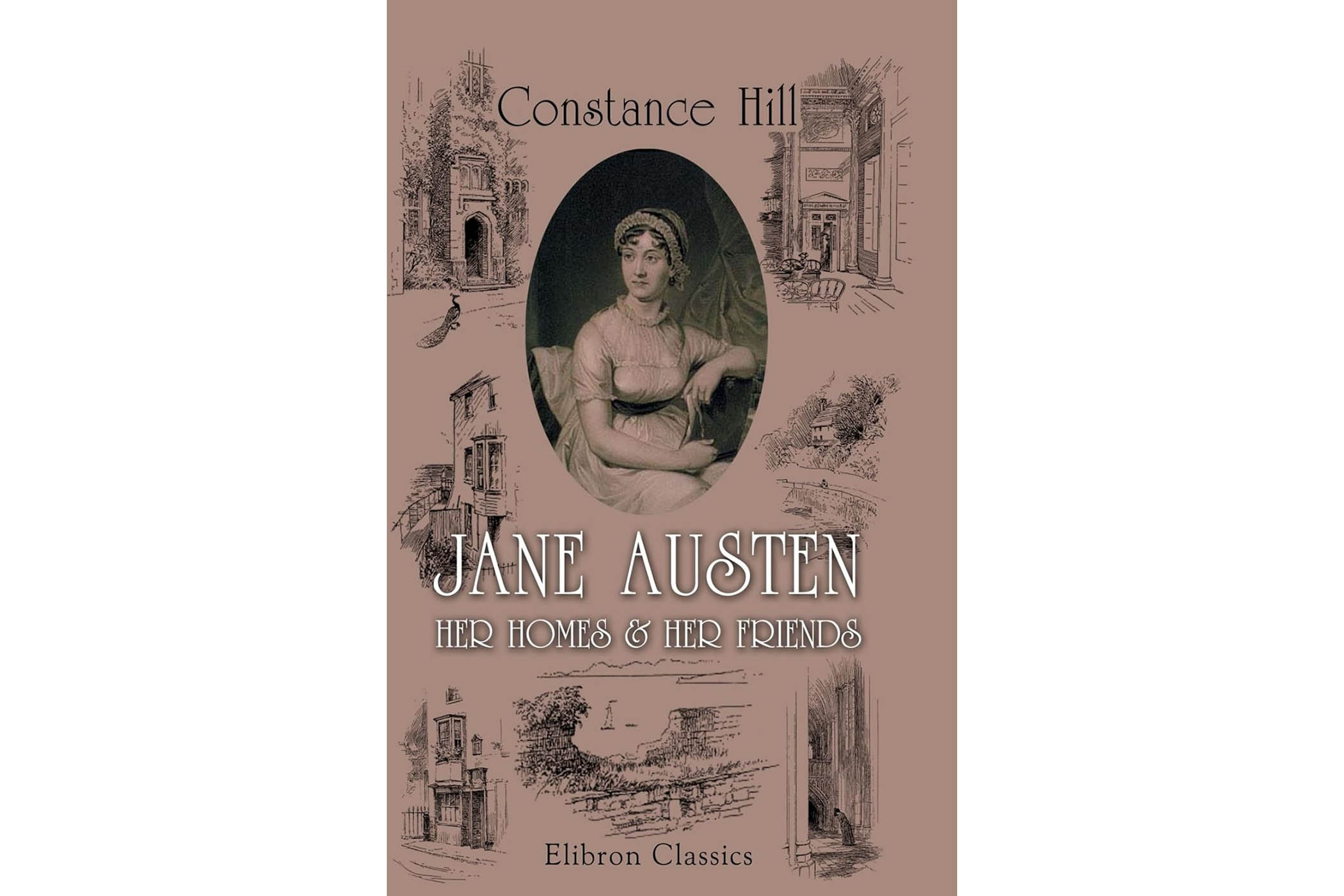
Jane Austen: Her Homes and Her Friends by Constance Hill (1902)
This is one of the earliest – and most utterly beguiling – expeditions into what Constance Hill christened “Austen-land”. With sister Ellen providing delicately observed illustrations, the Hills produced one of the very first pioneering “footstepping” biographies, tramping cheerfully through parsonages, country lanes and ancestral drawing rooms in pursuit of Austen. Constance’s tone, at once scholarly and impishly affectionate, transforms the book into a kind of genteel detective story of place and memory. Evocative, meticulous and irresistibly warm, it remains a foundational invitation into the landscapes that shaped Austen’s imagination.
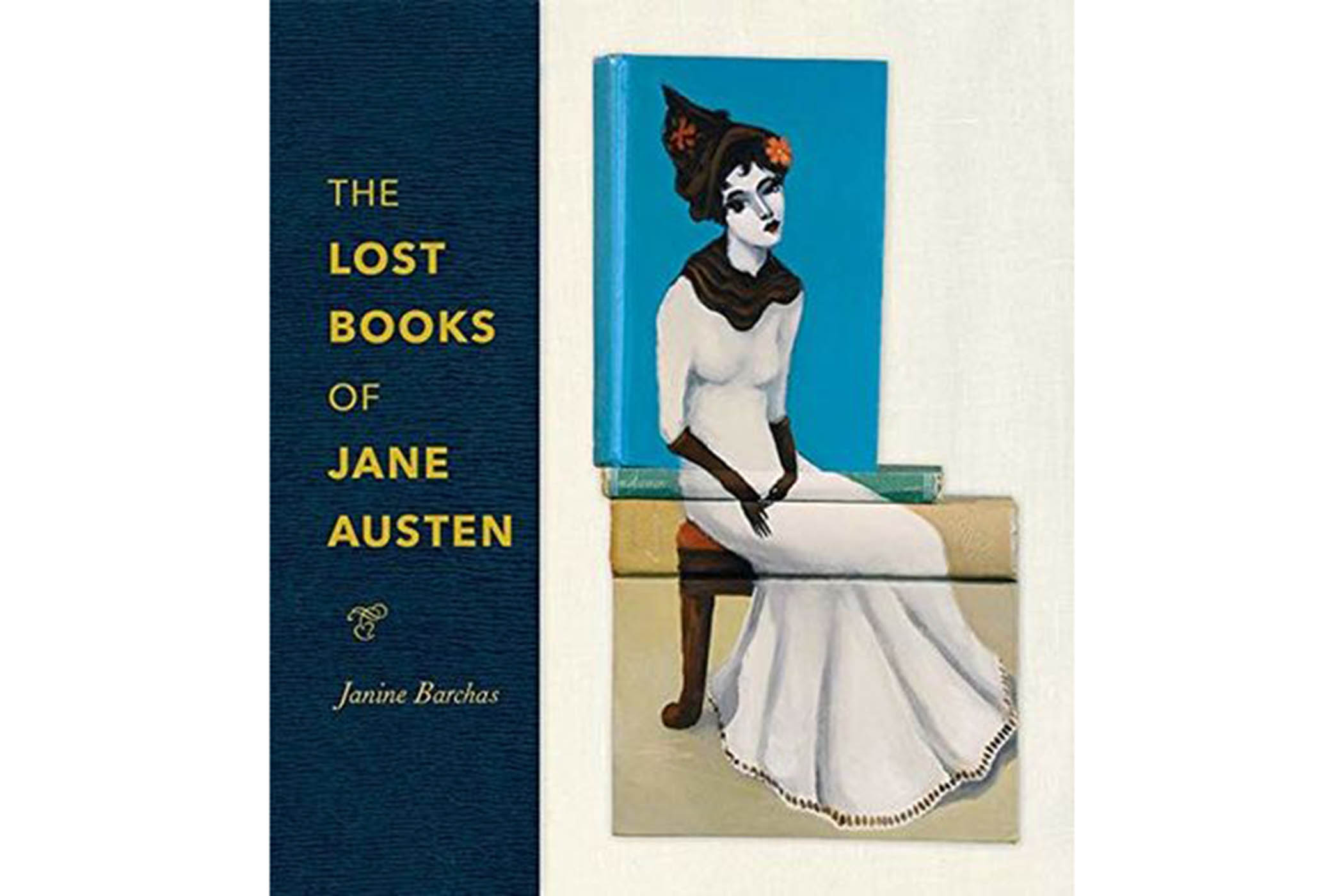
The Lost Books of Jane Austen by Janine Barchas (2019)
A dazzling work of literary archaeology, unearthing the humble, much-handled editions that carried Austen into parlours, classrooms and second-hand shops long before she became a heritage industry. With characteristic wit and scholarly dash, Janine Barchas transforms these battered volumes into vibrant social artefacts, revealing a far less decorous readership than legend suggests – including the glorious fact that a copy of Mansfield Park once served as a prize for coal miners. The result is a wonderfully subversive counter-narrative: Austen not as the darling of elite bibliophiles, but as a democratic writer whose stories circulated wherever cheap print could travel. Illuminating, original and quietly triumphant, Barchas’s book restores Austen to the people who loved her first.
Paula Byrne’s historical novel about Jane Austen, Six Weeks By the Sea, is published by Fontana
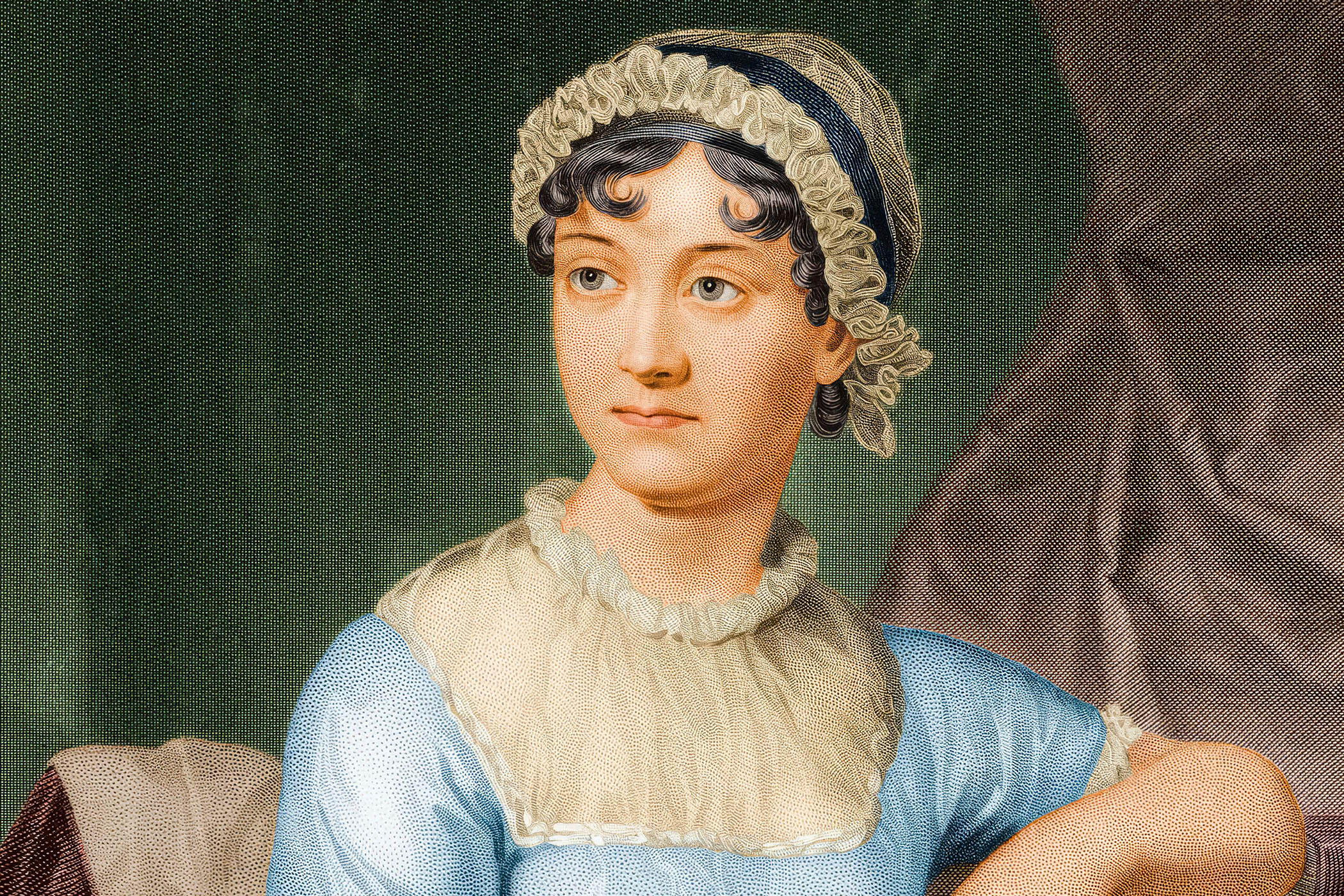
Portrait of Jane Austen by Alamy
Newsletters
Choose the newsletters you want to receive
View more
For information about how The Observer protects your data, read our Privacy Policy