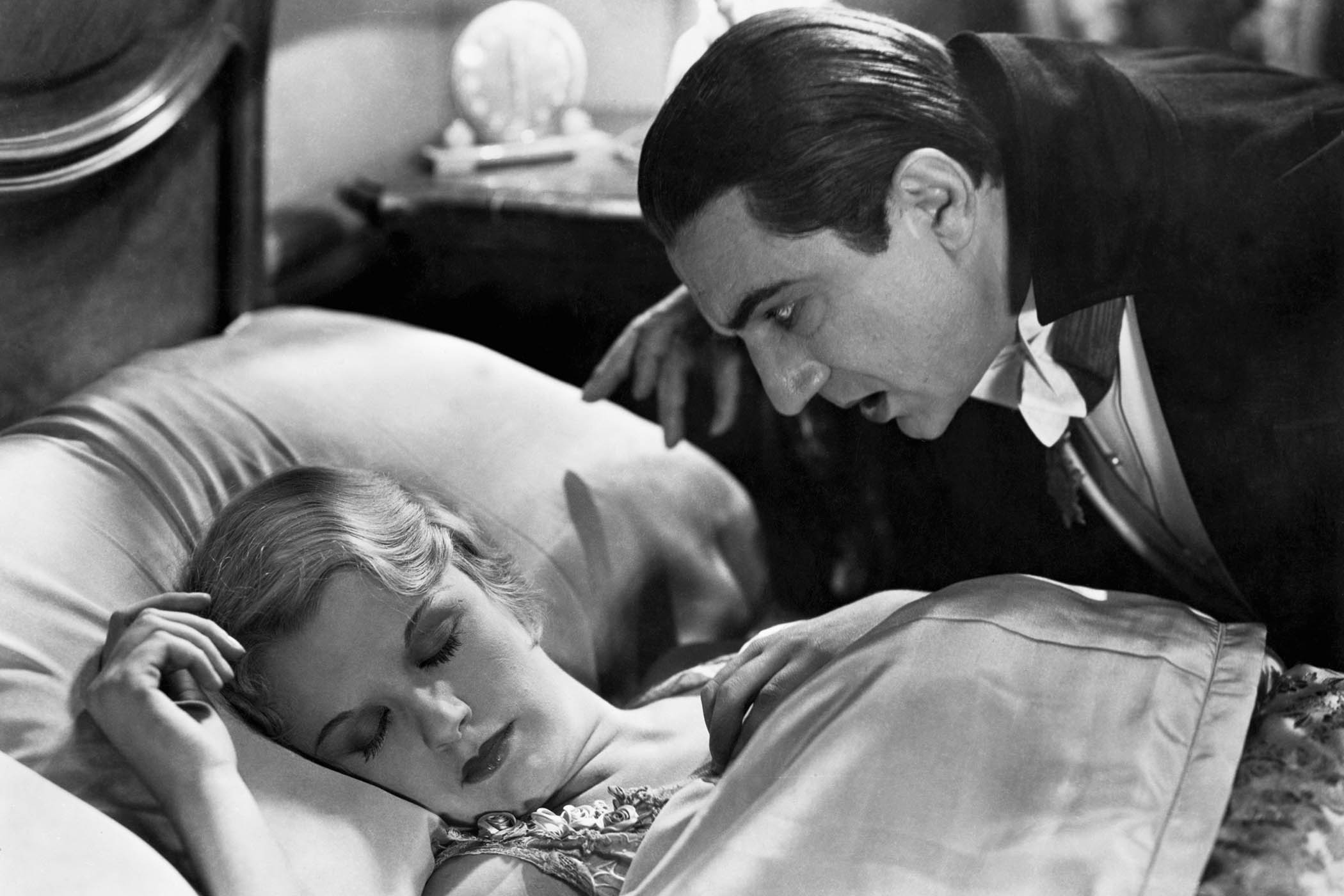


From Bram Stoker’s count to Stephen King’s small-town terrors, here are three books to chill the blood…
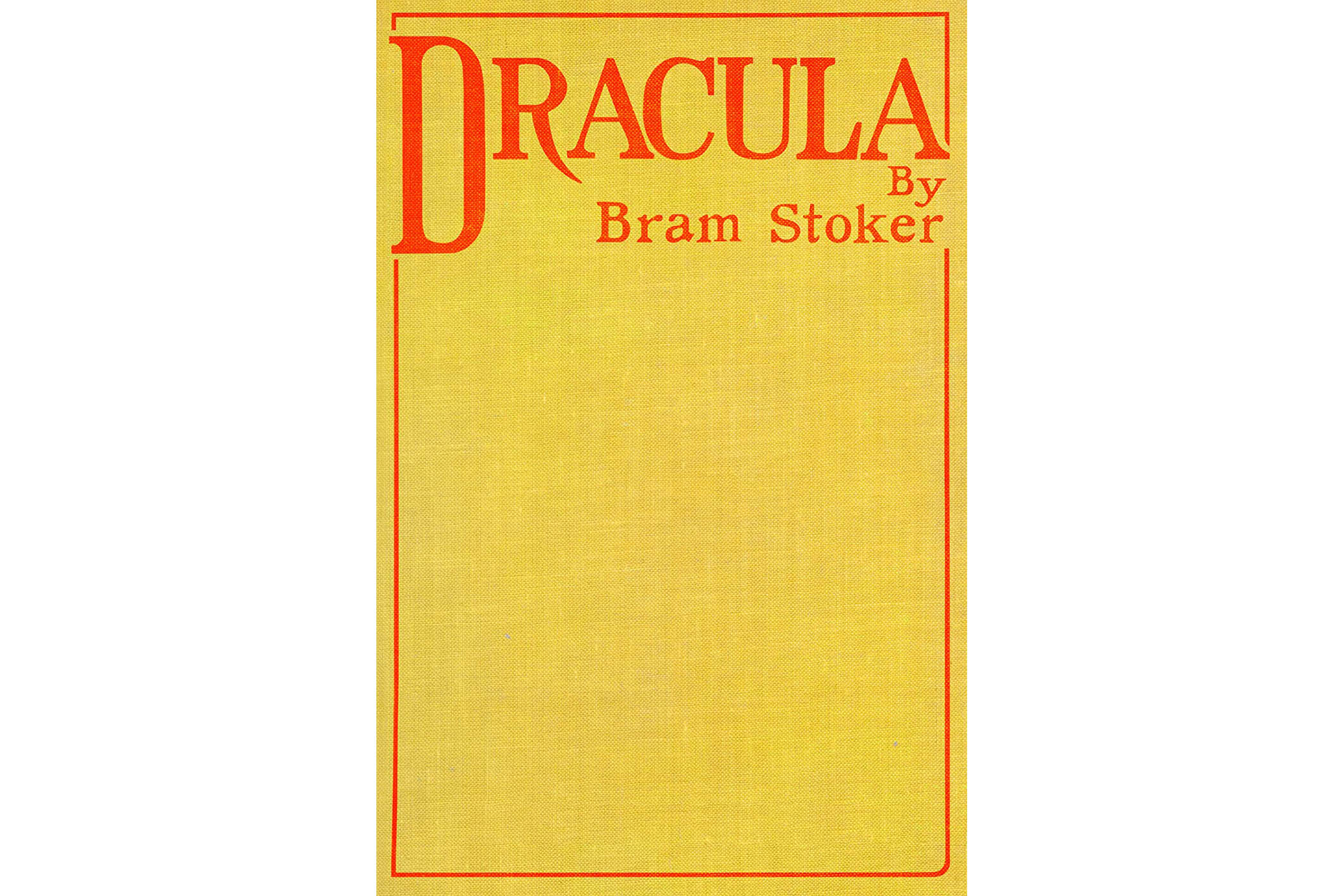
Dracula by Bram Stoker (1897)
The grandfather of all vampire stories, adapted into a new film by Luc Besson, this epistolary novel brings together the three main themes of 19th-century gothic literature: the Byronic vampire (partly based on Lord Byron’s public image), the femme fatale, and the age-old vampire of folklore. Solicitor Jonathan Harker visits charismatic Count Dracula in his crumbling Carpathian castle... and the evil contagion spreads to London via Whitby. The novel was inspired by a revealing nightmare – Dracula and his vampire brides competing for the jugular vein of the hapless Harker/Stoker – and it shows. The prolific Stoker never wrote anything else of remotely this spine-tingling quality.

The Legacy of John Polidori edited by Sam George and Bill Hughes (2024)
This lively collection of essays – written to celebrate the 200th birthday of Dr Polidori’s influential story The Vampyre (1819) – examines the bloodline of the romantic vampire in literature and on screen. There’s plenty for these scholars to get their teeth into. In Anne Rice’s Interview With the Vampire (1976), the vampire develops an inner life as a lovelorn outcast, and shape-shifts from bogeyperson to first-person narrator. In Stephenie Meyer’s Twilight series, the relationship between Bella Swan and Edward Cullen is one of chaste yearning and erotic abstinence, leaving the reader to fantasise about what might happen next: the vampire can be a soulmate, and even a vegetarian.
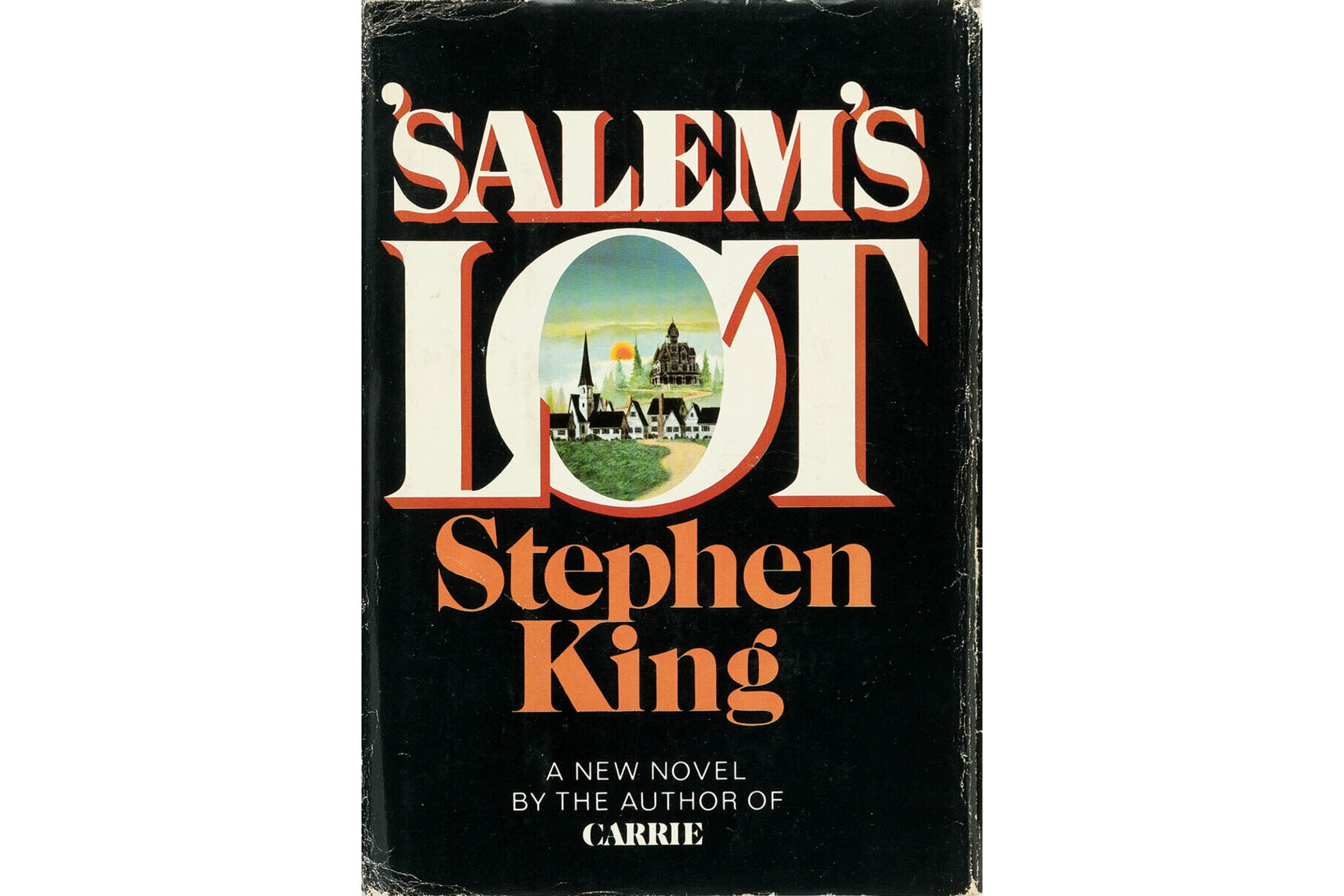
Salem’s Lot by Stephen King (1975)
King’s novel established the small-town America-rather-than-Transylvania trend by setting the story in modern Maine and populating it with a large cast of credible characters who, step by step, become “turned” or “infested”. The author likened the result to “Dracula Meets Peyton Place”. The vampire also transitions, in a more secular age, from soulless predator to metaphor for assorted unmentionables – guilty secrets, addictions, repressions – and in the process definitively sheds the white-tie-and-tails tradition.
Related articles:
Christopher Frayling’s books include Vampyres: A Literary Anthology and Vampire Cinema. His latest book, The Hollywood History of Art, is published by Reel Art Press
Photograph by Bettmann
Newsletters
Choose the newsletters you want to receive
View more
For information about how The Observer protects your data, read our Privacy Policy