

Three books of wonderful wordplay, from Edward Lear’s inspired nonsense to problem-solving posers and quirky joys in the English language
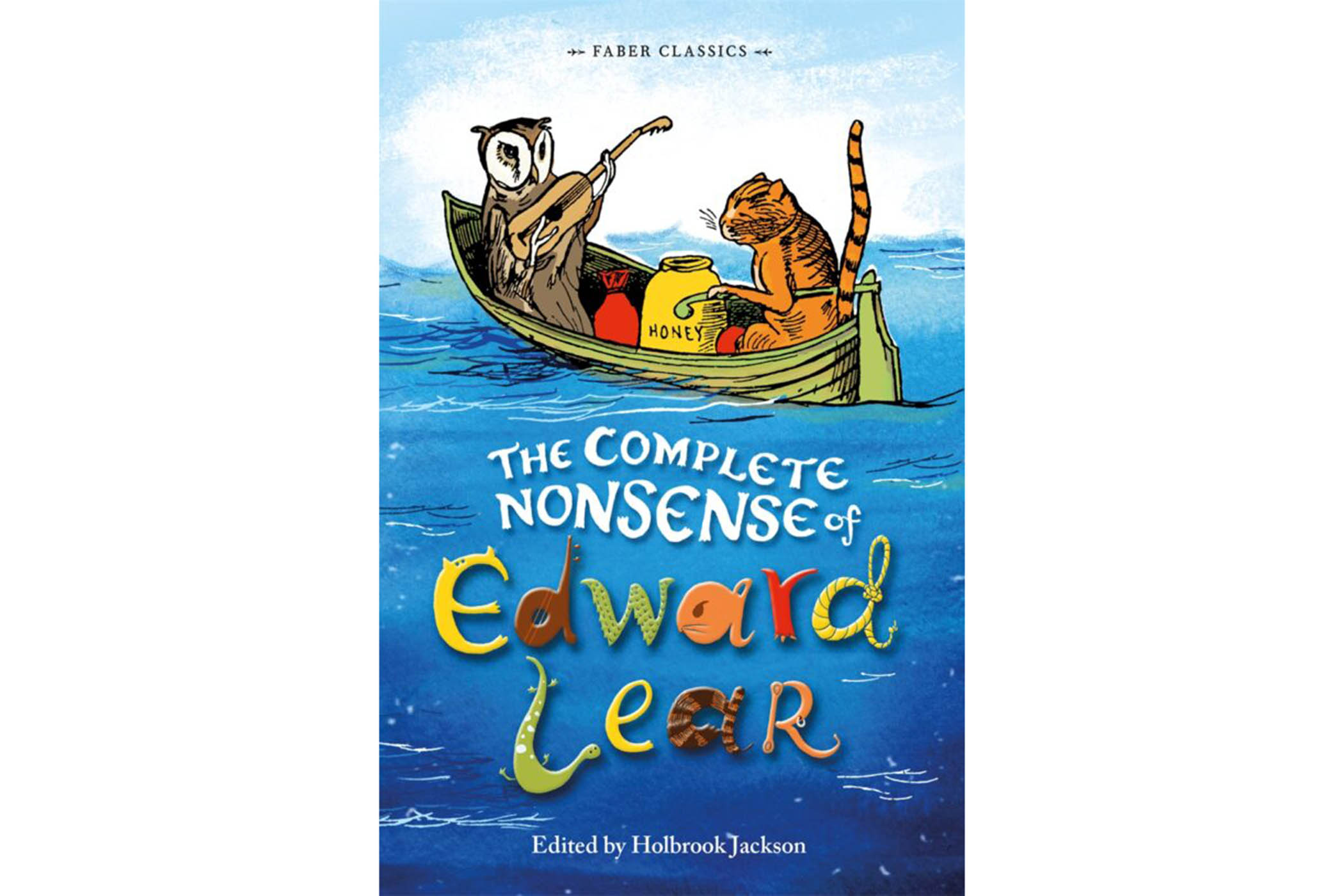
The Complete Nonsense of Edward Lear edited by Holbrook Jackson (1947)
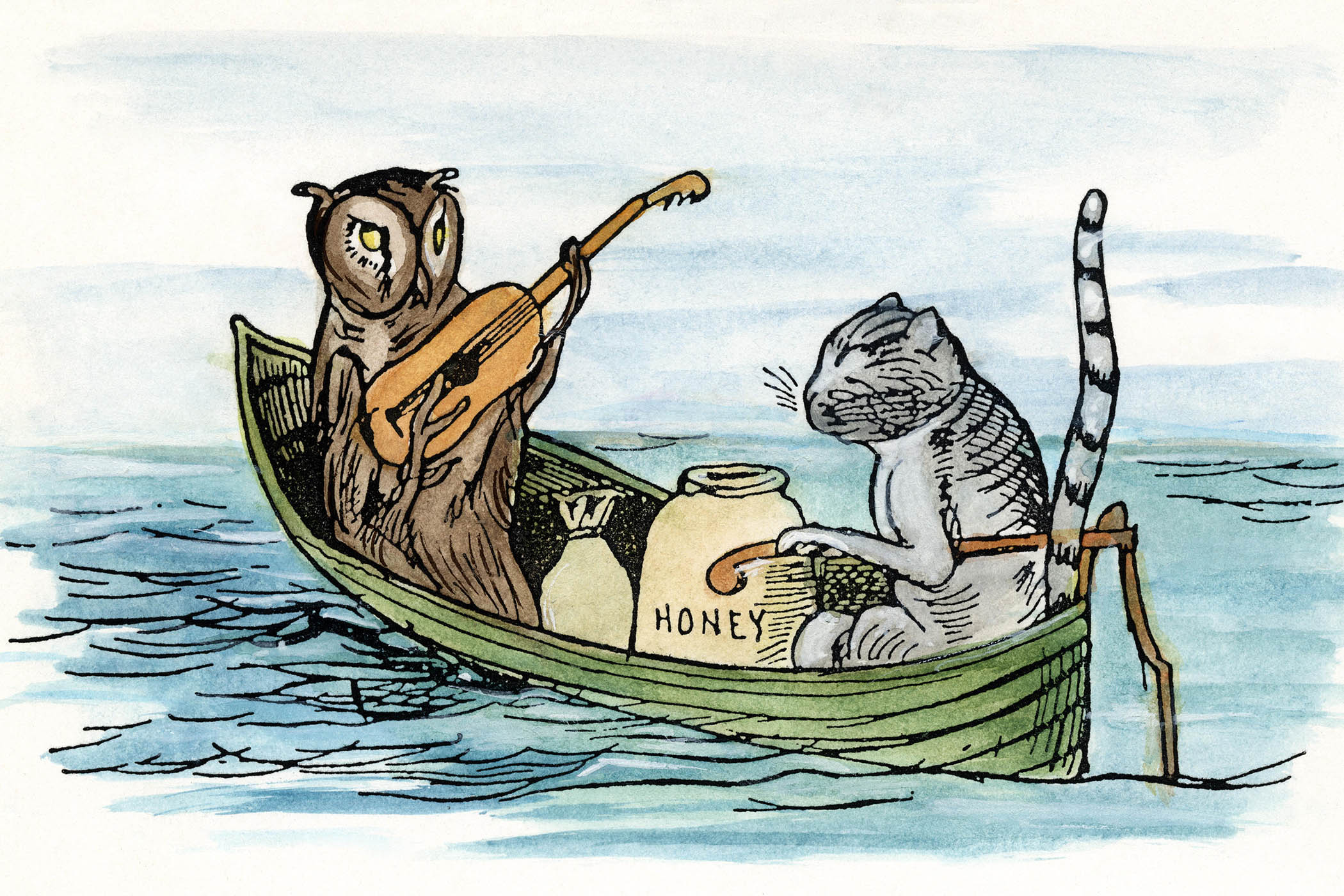
Edward Lear is the undoubted king of the limerick (a young person of Kew destroyed by hot paste, rhythmically perfect even as it is utterly absurd), but his botanical illustrations are equally inspired: beautifully drawn flowers with made-up Latin names that sound completely plausible – a bluebell becomes Jinglia Tinkettlia (look closer: tiny bells), a snapdragon becomes Barkia Howlaloudia (miniature dog heads, naturally). The wit is in how seriously he takes his own nonsense: the owl and the pussycat sail away in a pea-green boat as if this were the most natural thing in the world. Disciplined silliness – and pure joy that works for any age.
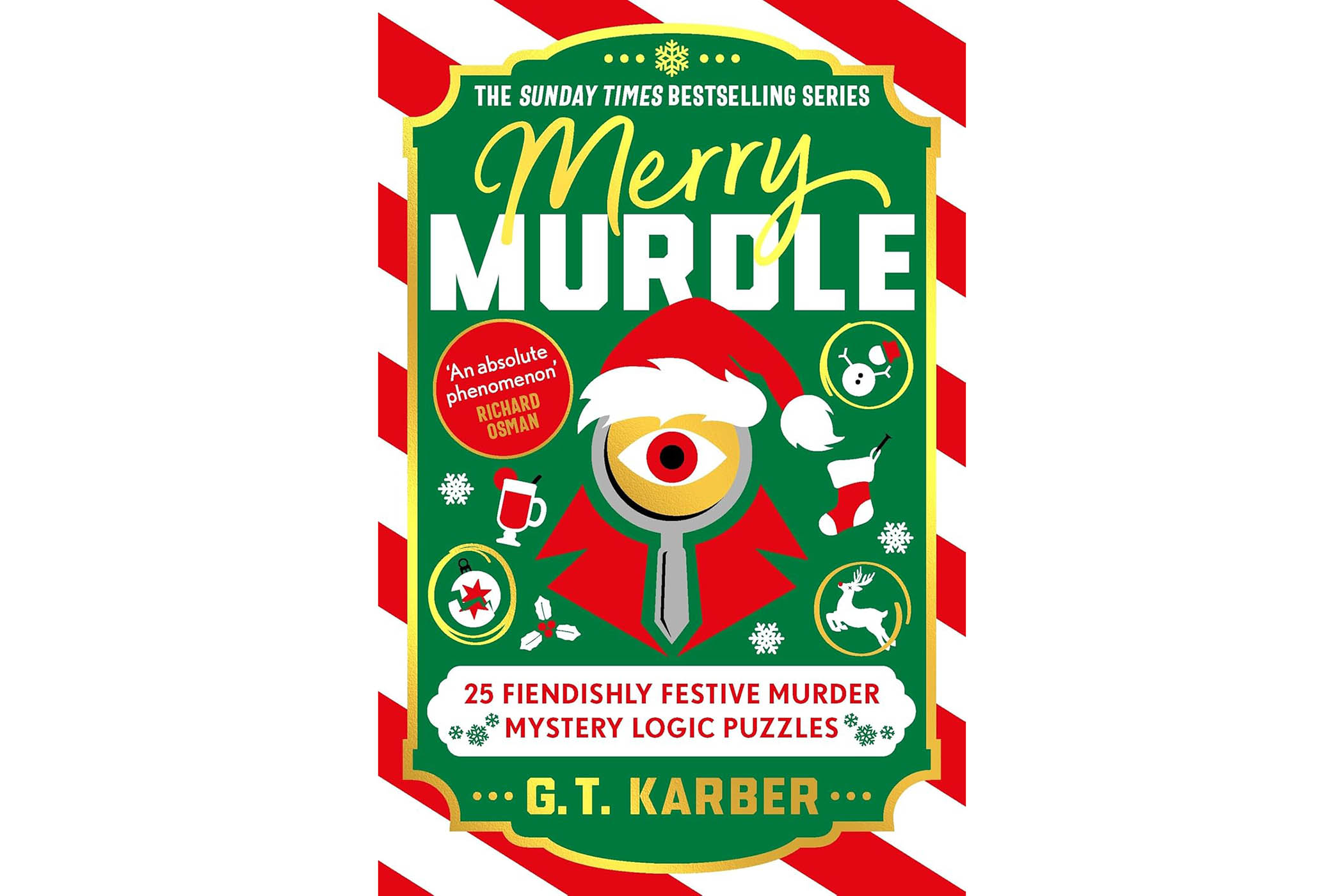
Merry Murdle GT Karber (2025)
Keep your wits about you! Murdle combines Agatha Christie-style storytelling with interactive logic puzzles – tracking each suspect’s location, their weapon, and what they might be concealing as the narrative unfolds. GT Karber writes with a touch of old-world Poirot grandeur, but with playful misdirection: suspects lie, locations from earlier mysteries return, and the overarching storyline means solving one Murdle could lead to the next. This festive edition follows Detuctive Logico as he attempts to find the missing Santa Claus across 25 mysteries – one for each day leading up to Christmas if you’re disciplined, or bingeable during that strange liminal week leading up to new year if you’re not. It’s clever, yes, but it’s Karber’s storytelling that makes it so witty: a narrative that demands deduction, not just speed.
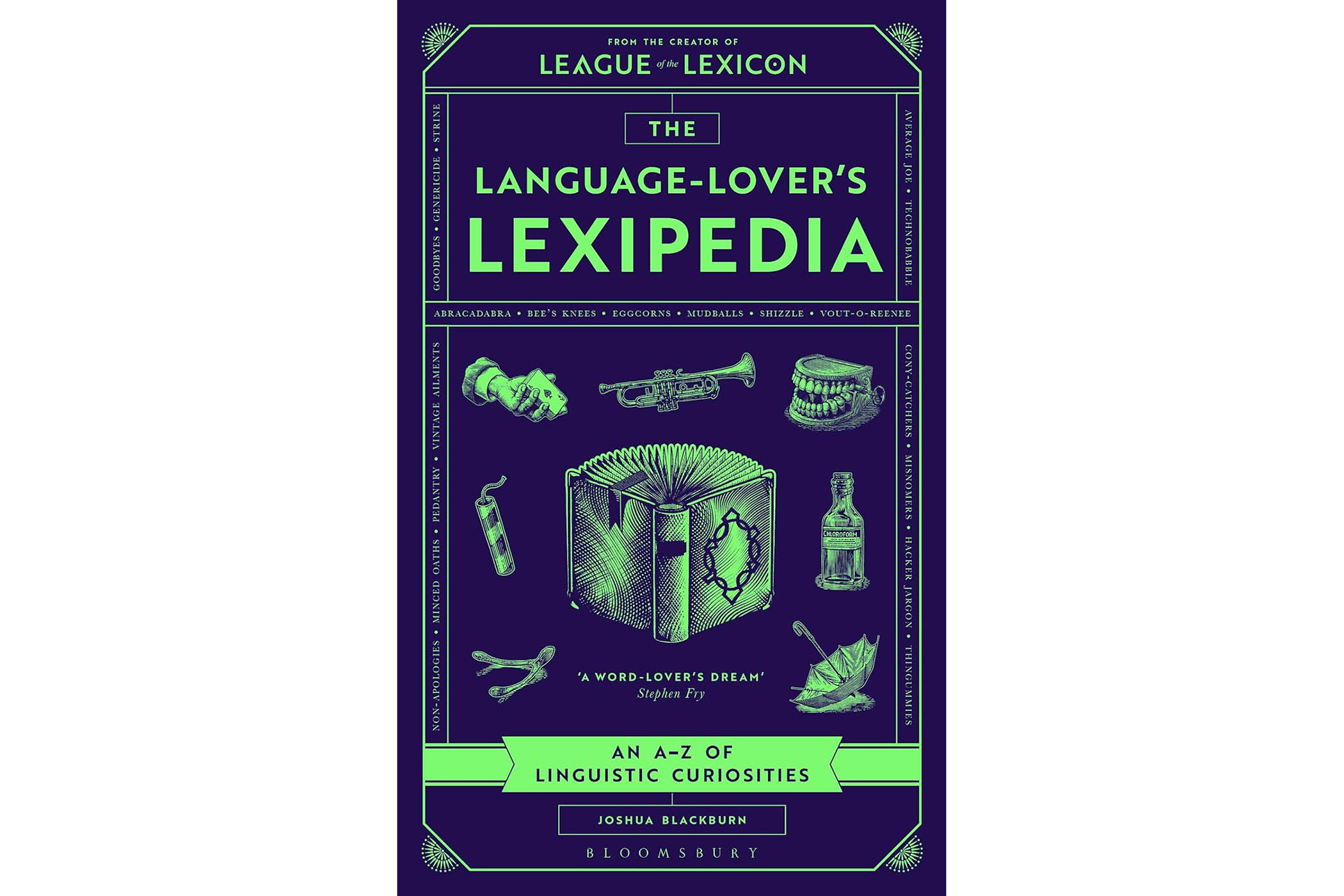
The Language-Lover’s Lexipedia Joshua Blackburn (2025)
Wit here isn’t about jokes, but about the pleasure of precision. Joshua Blackburn’s Lexipedia is a miscellaneous tour; less a dictionary, more a rabbit hole, and written with genuine childlike delight. He’s not an intellectual talking down but a peer sharing discoveries: you dip in for reduplicative words (more than 2,000 in English including hocus-pocus and hanky-panky) and find the first use of “tee-hee” in Chaucer’s Canterbury Tales. The book jumps from advertising slogans in Latin to Simpsons coinages – each page suggesting another direction entirely. Blackburn is funny, warm, and genuinely enthused as he reveals the histories of words and the quirks that have gone unnoticed.
Newsletters
Choose the newsletters you want to receive
View more
For information about how The Observer protects your data, read our Privacy Policy
Caitlin O’Kane is The Observer’s puzzles editor. Subscribe to her weekly puzzles newsletter here
Illustration by The Granger Collection / Alamy Stock Photo, Faber, Souvenir Press, Bloomsbury