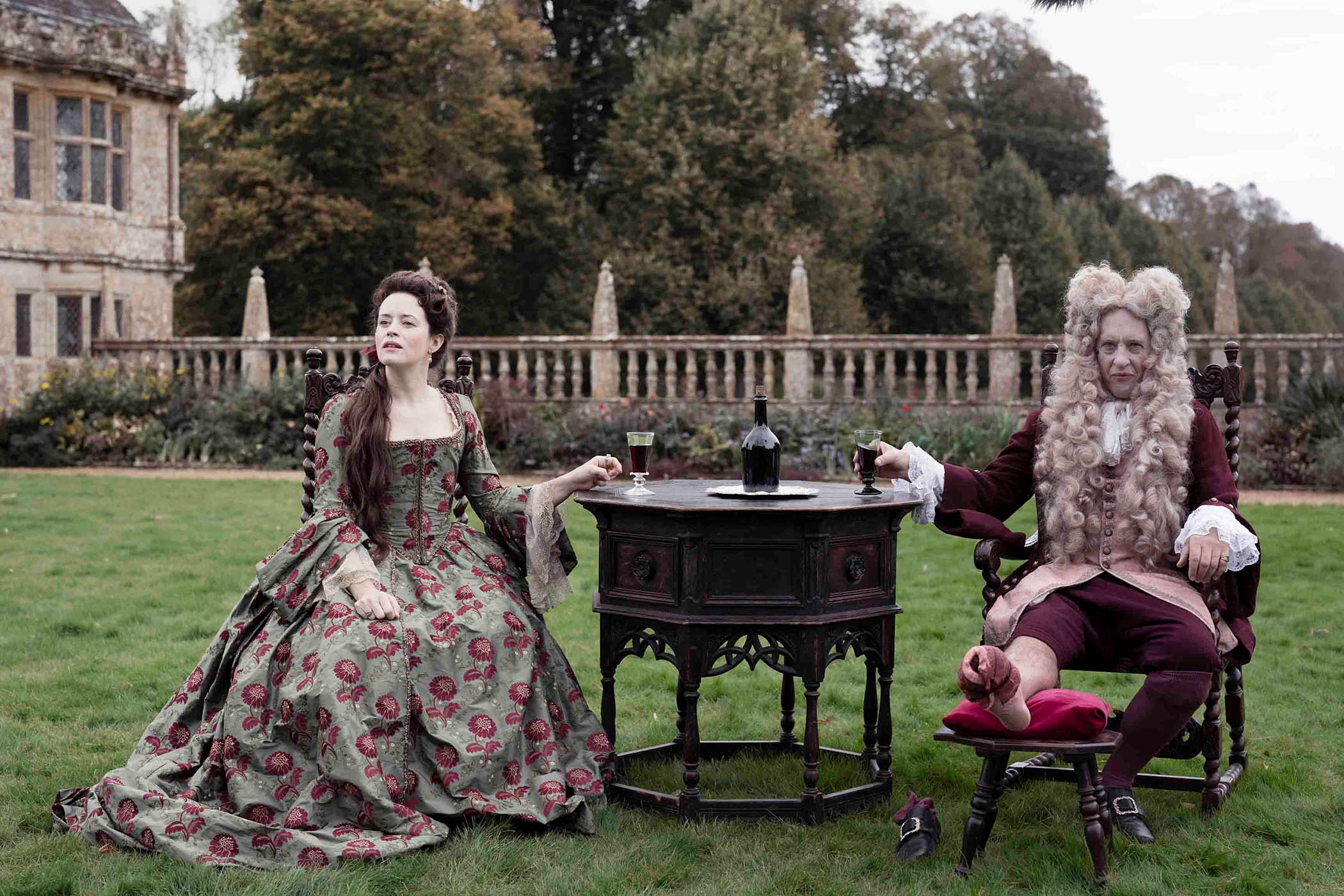


Eighteenth-century England. The Jacobite rebellion is in full swing; a pox outbreak has left the peasants covered in festering pustules. Years of decadence and poor management have brought the estate of Sir Chauncey (Richard E Grant) and Lady Savage (Claire Foy) to its knees. But despite the squalor, Sir Chauncey and his good lady wife are inveterate social climbers who will do anything to grasp the next rung on the ladder.
When they receive a missive from the duke and duchess of Devonshire asking for lodging and hospitality during their tour of the north, the pair spot an opportunity to boost their social standing. They will bask in the reflected glory of their illustrious visitors, or they will die trying.
This satire of minor aristocrats attempting to crawl in from the social wilderness combines the grotesque (brace yourself for a surfeit of maggots and leeches) with a double-or-quits social gamble that is oddly reminiscent of the plot of Campbell Scott and Stanley Tucci’s 1996 restaurant drama Big Night. Here the writer and director Peter Glanz (whose previous work includes his little-seen directorial debut The Longest Week and a writing credit on Captain America: Brave New World) adopts a darkly comic tone that owes a considerable debt to Yorgos Lanthimos’s period comedy The Favourite. But if the screenplay doesn’t match the latter picture for crisp humour, that’s not for want of effort from Grant and Foy, who tackle their characters with clear relish.
The narration, delivered with fruity tones and whisky fumes by Robert Bathurst, swiftly details the reasons for the Savage family’s apparent fall from grace in 18th-century society. Chauncey puts on a good show as the decadent lord of the manor, but in fact his lowly birth means that, until his fortuitous marriage to Lady Savage, he was better acquainted with the stables than the big house. The wealth that Chauncey burns through with his profligate tastes and weakness for gambling is his wife’s. The title, which Chauncey has taken as his own, is also hers. Chauncey might wear the trappings of toffs (including an extravagant but malodorous-looking wig – credit to the hair and makeup team for creating this particular monstrosity) but underneath the moth-eaten silks he’s a shameless upstart with not a drop of blue blood in his veins.
Her Ladyship, now estranged from her relatives, is a notable wit in her own right. The always impressive Foy has a less showy role than Grant’s but she holds her own, a poised, sarcastic counterpoint to Chauncey’s debauched, self-destructive chaos. Against the odds, the affection between husband and wife seems genuine, although slightly complicated by the fact both are sleeping with members of the serving staff.
Meanwhile, the servants are plotting, rather ineptly, to dispatch Chauncey and carve up the Savage estate between them. Not that there’s much of it left. And thanks to a murky colour palette reminiscent of black mould and green teeth, the whole Savage legacy brings with it the stench of decay and disappointment. Discordant strings on the score – featuring violins as instruments of torture – add to the atmosphere of ostentatious hubris beginning to fall apart.
By the final act, the Savages have lost what remains of their fortune, the respect of their neighbours, their silverware and a limb to gangrene, all in a futile quest to impress people they have never met. A cautionary tale about the perils of one-upmanship, Savage House has little new to say about class and social mobility: in a way, Chauncey feels like a messier version of the Barry Keoghan character in Saltburn. But there’s something grubbily compelling about this tale of venal people and their doomed pursuit of power.
Photograph by Dean Rogers/Paramount Pictures
Newsletters
Choose the newsletters you want to receive
View more
For information about how The Observer protects your data, read our Privacy Policy