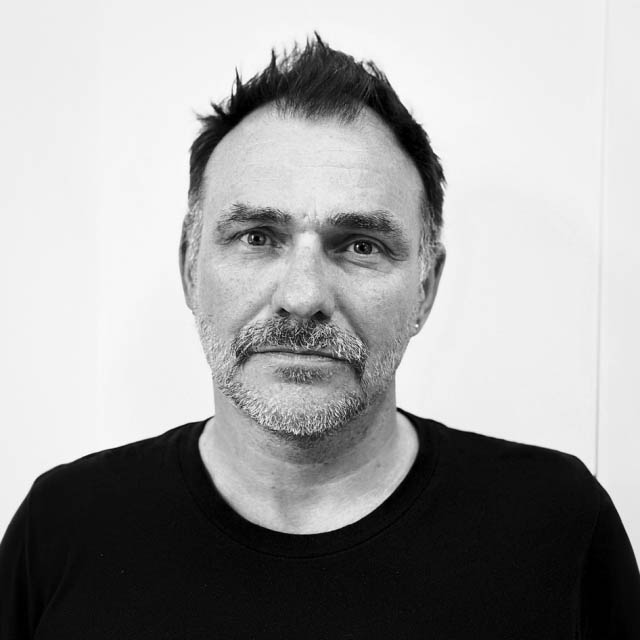
Portraits by Kalpesh Lathigra for The Observer
Friday 26 June 1998. Even on this, its first day, Glastonbury festival is already muddy. As the site swells to its 100,500 capacity, the rain is sheeting down and the sludgy puddles are building up. It’s not a great start, especially for those survivors of Glasto 1997, when Radiohead unveiled OK Computer to a quagmire that resembled the western front. It’s definitely not a great start for those keen to get pitched in time to watch England play Colombia in the World Cup at 8pm.
For the music industry folk in attendance – artists, managers, publicists, record label staff, journalists – a refuge is offered by the backstage tent run by music magazine Select. This is a VIP compound safe(ish) from the vicissitudes of the weather. A sanctuary for gossiping, and catching up, and considering the not-inconsiderable merits of the weekend’s lineup here at the fag-end of Britpop’s imperial years: Pulp, headlining with their comedown album This Is Hardcore; Blur, still touring the previous year’s self-titled fifth album, AKA “the one with Song 2 on”; and Robbie Williams, hitting his solo-career stride after the belated success of Angels.
This is where I am when, through the flaps of the tent, comes Tricky. The Bristol rapper is performing second from the top on the main stage tomorrow night, between Williams and bill-toppers Blur. He seems to spot me immediately. He marches straight up, trailed by an entourage. Finger jabbing, he starts ranting. Then, from out of the throng surrounding me, a fist smacks me in the jaw. I hit the deck like a sack of wellies. Then, when I’m lying on the damp grass, Tricky kicks me in the face.
My immediate recollections thereafter are hazy, but I’m later told that all hell breaks loose in this swampy, sweaty canvas space crowded with the British music biz. Seemingly Tricky and his entourage scarper under the sides of the tent. Or they are thrown out by security. The fist, apparently, belonged to one of Tricky’s uncles, a boxer.
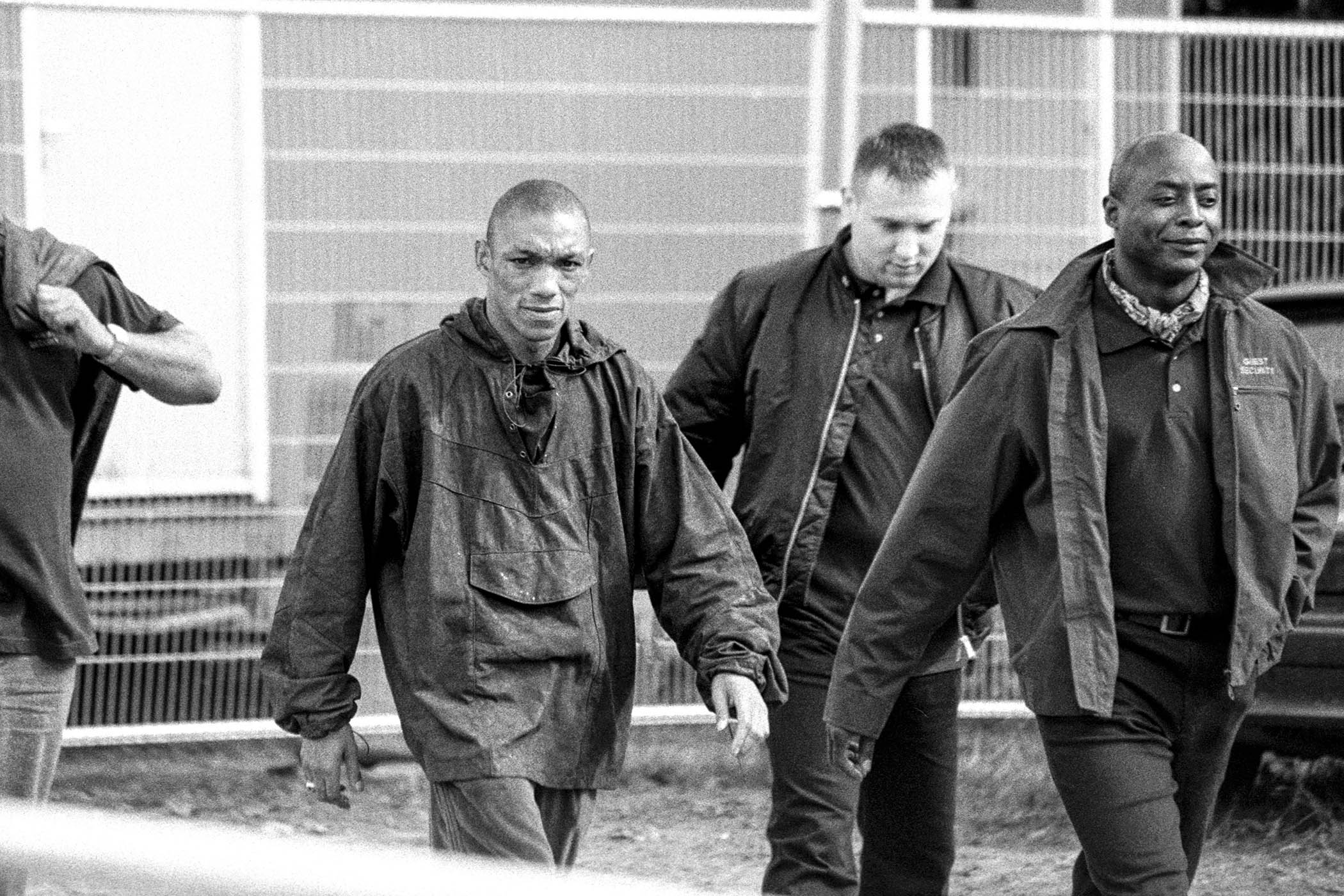
Tricky and his entourage at Glastonbury in 1998
Mercifully, flukily, I’m not too badly hurt. This being the 1990s, I’d taken an ecstasy pill, so there wasn’t a resistant bone in my body, and my rubbery frame cleverly absorbed the punch. Then, when Tricky kicked me, I was clutching my face, so my hands cushioned the blow.
Still, I was in shock. I had known Tricky was pissed off with me: he’d left an angry voicemail for me on my office phone at the Face magazine, where I was features editor. He wasn’t happy with the contents of a story I’d written after I’d interviewed him in Atlanta, published earlier that summer to mark the release of his third album, Angels With Dirty Faces. But by that time I’d talked to him a handful of times. The former member of Massive Attack knew I was a fan, had been since the release of his era-defining 1995 solo debut, Maxinquaye, then on through Nearly God (a 1996 compilation of demos recorded under the pseudonym Nearly God), and Pre-Millennium Tension (also 1996) – a one-two-three that presented a new type of British music. Everyone called it trip-hop, or the “Bristol sound”, but it was bigger, broader, richer than that.
So I was firmly Team Tricky. But still he beat me up.
The incident was hot news in the music press. “Tricky was reportedly shadow boxing as he walked in,” the NME noted. “Security guards told the journalist they would act as witnesses if he wanted to press charges, but the journalist declined.” John Harris, now a Guardian political columnist but then the editor of Select, wrote to the MD of Tricky’s label, Island, demanding that he censure his artist.
But a year later, Tricky was unrepentant about the violence he meted out to a journalist. “It’s the only thing they understand, some of them,” he told the August 1999 issue of Hip Hop Connection. That said, interviewed by a writer friend of mine that same summer, the musician did express regret. “I am sorry, but I could never believe that [saying that] would make Craig feel better. If it’d happened to me, I’d hate him for ever.”
Over the years, I had various requests to write about the incident. I always declined. Then, earlier this year, Alan McGee, the former Creation Records boss who now manages a stable of 90s and 00s artists, got in touch. Would I write the biog (essentially an extended press release) for Tricky’s new album? McGee, the man who discovered Oasis, someone I’ve known for 30 years, was unaware of his new client’s history with me. When I told him, he contacted Tricky and came back with the message: “Tricky wants you to write the biog. And he wants to apologise.”
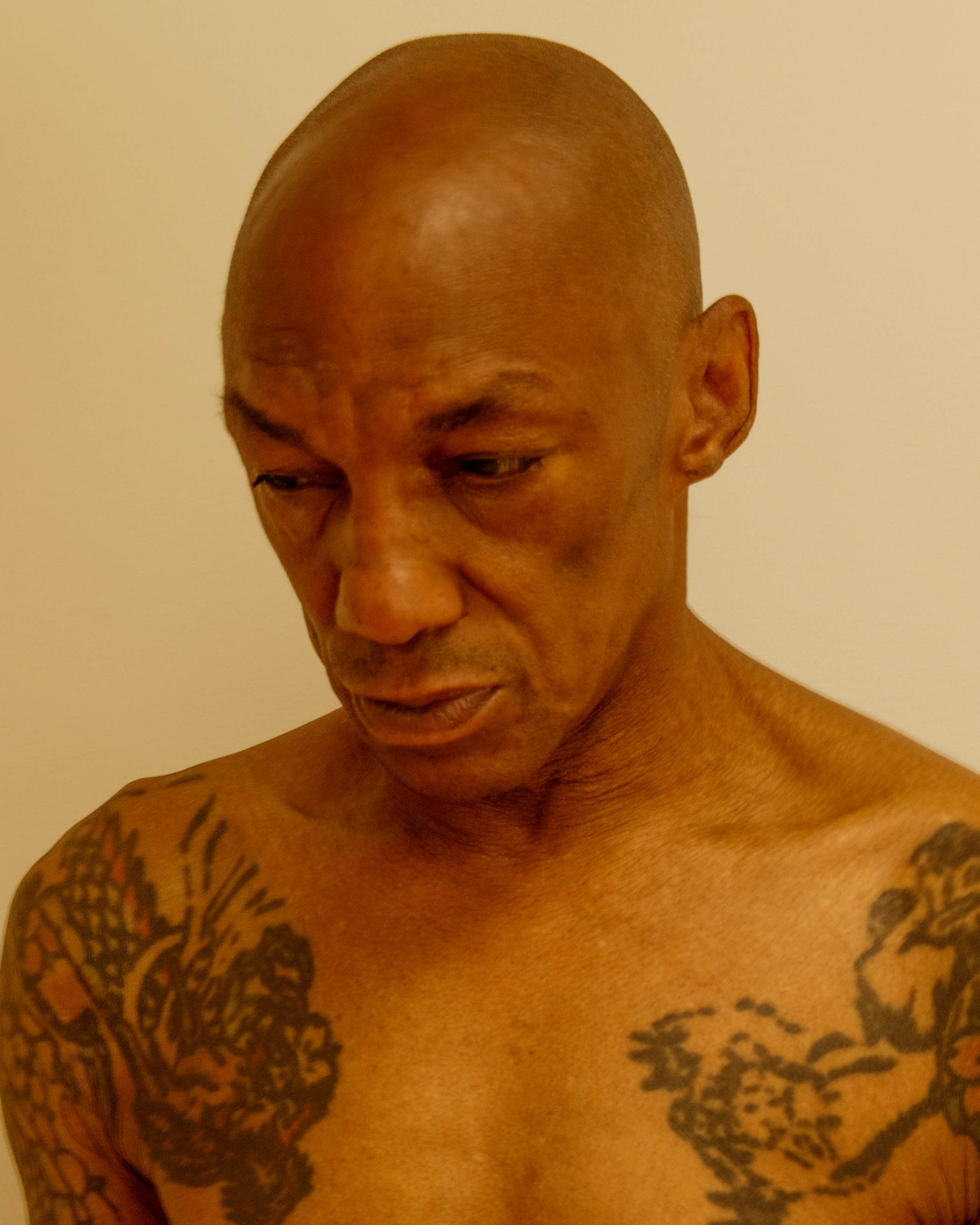
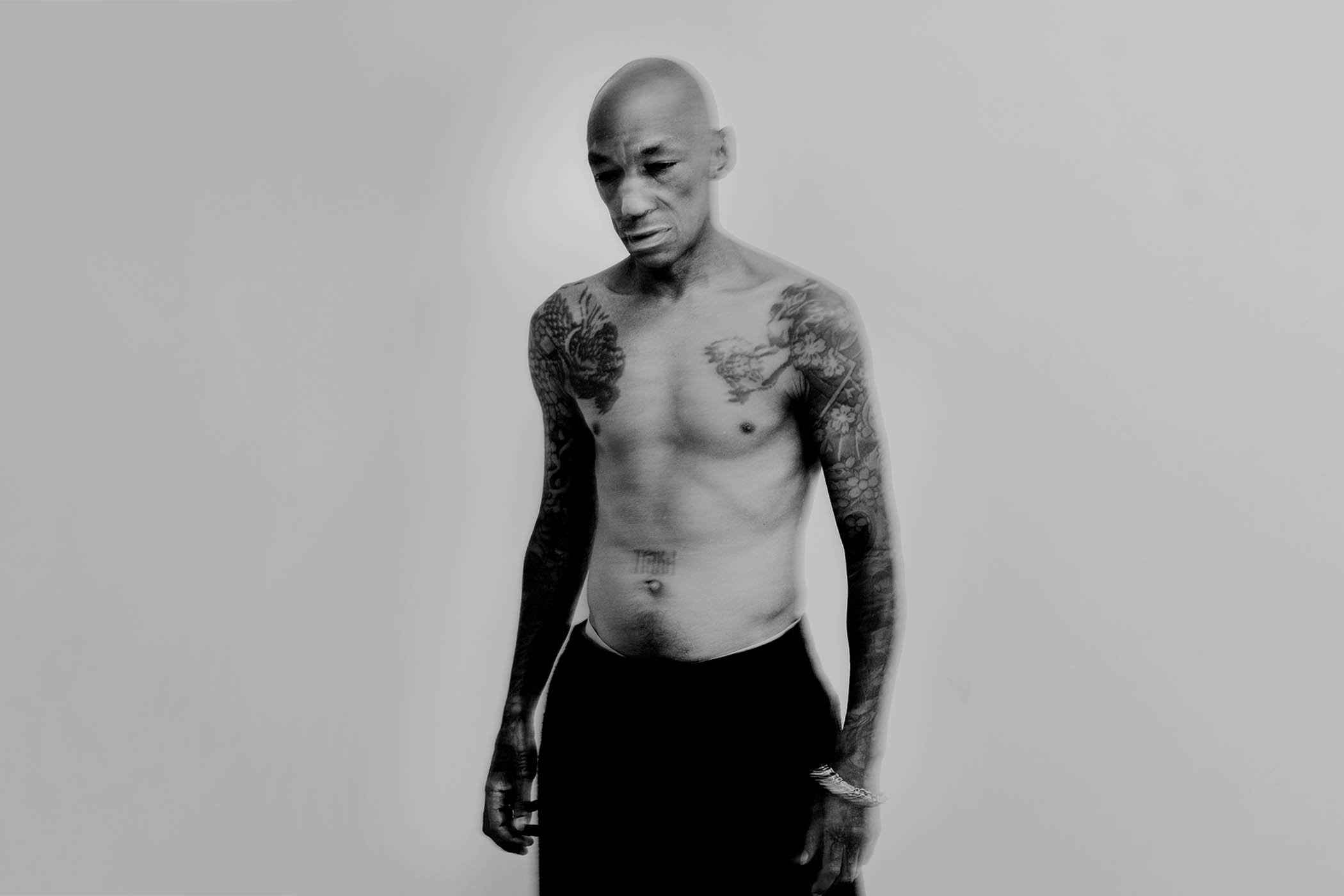
The rapper is now 58
I was hesitant, because that would mean interviewing Tricky. But then I listened to the record. Different When It’s Silent is Tricky’s 14th album and the second under his own name since the 2019 death by suicide of his musician daughter Mina Mazy Topley-Bird, then aged 24. The album is magnificent, its songs shrouded, powered and ultimately invigorated by his terrible loss. I agreed to do the biog.
‘Hello, mate. You’ve aged well! How are you doing? I didn’t know you knew Alan.”
Our Zoom call in March – Tricky strolling round the French city he now calls home, puffing on a spliff – started well. “I’m sorry what happened back there, mate. Things happen though, don’t they? But my apologies to you, mate. I was young and dumb. Young and dumb,” he repeated, chirpily.
It ended well, too. Tricky seemed a wholly different person. Chilled, cheerful, despite everything. So I said I’d be into us discussing our history for a fresh magazine story. “It would be great to meet up in person,” replied Tricky. “To have a coffee and a proper chat.”
And so here we are, in a conference room in Tricky’s east London hotel, the morning of his show at the Troxy, an early gig in an extensive UK and European tour stretching across the summer. First up, I ask the 58-year-old born Adrian Thaws what he remembers of our last encounter, 28 years ago.
“Just going in and knocking you out!” he says brightly. “Went in the tent, saw you, and then you were lying on the floor. That is basically all I remember: my uncle jabbing you, and then you went down, and then we left.”
When I tell him that I wasn’t too badly hurt, and why I think that was, he replies that “Uncle Tony ain’t gonna hit someone like you properly. He would see you as a civilian. He’s a gangster. So he ain’t gonna give you a right hook. It’s just a jab.” If “someone like Tony” had hit me properly, he says, he’d have broken my jaw.
As it happens, the only mention of our Glastonbury incident in Tricky’s 2019 memoir, Hell Is Round the Corner, comes in a quote from Tony: “My job was to make sure nobody mithered Adrian. I knocked a fella out at Minehead, and at Glastonbury.”
“Tony said that?” says Tricky, puzzled. “I can’t remember him knocking out someone at Minehead.”
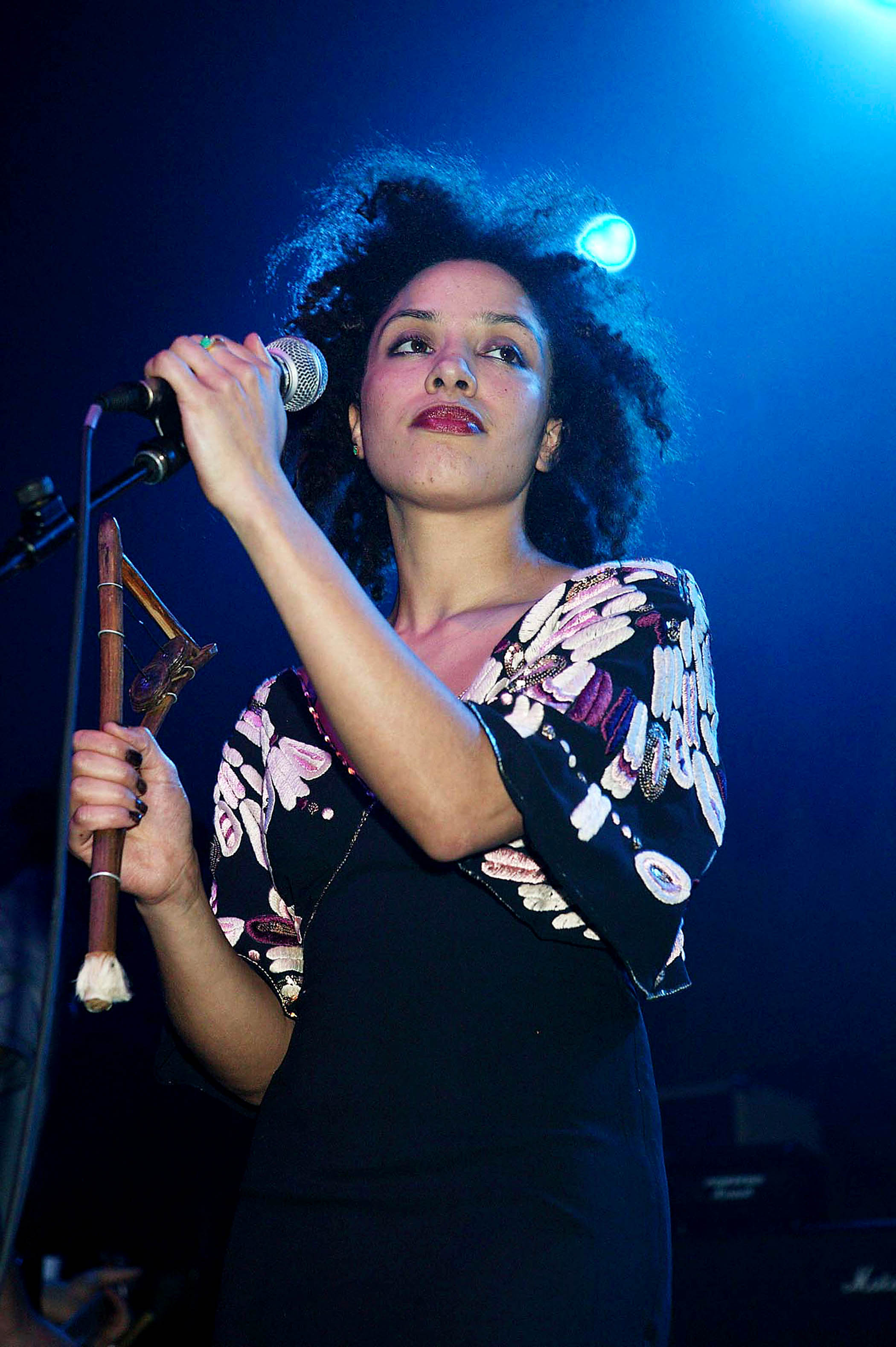
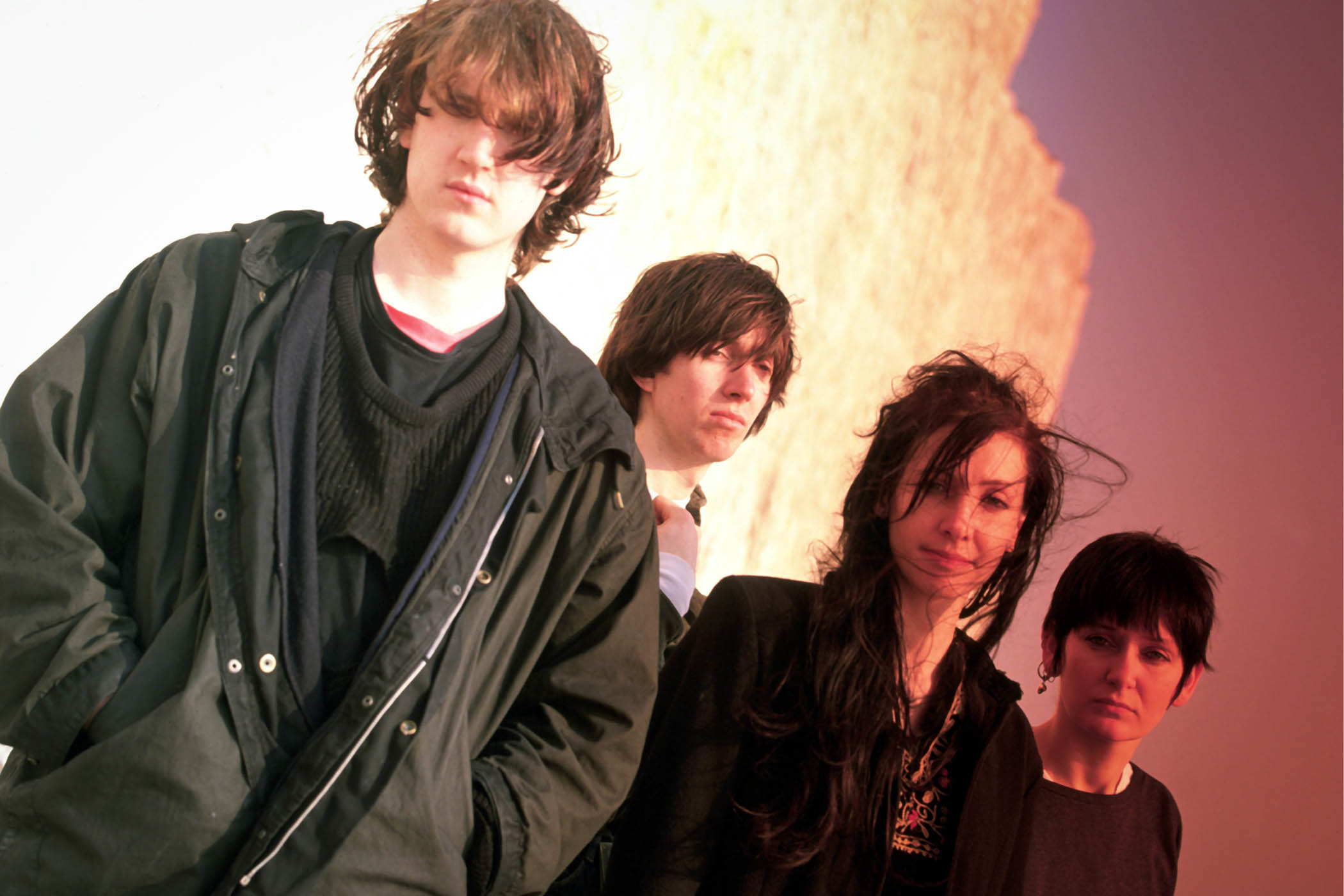
Martina Topley-Bird, the co-vocalist on Tricky’s early albums and his sometime partner
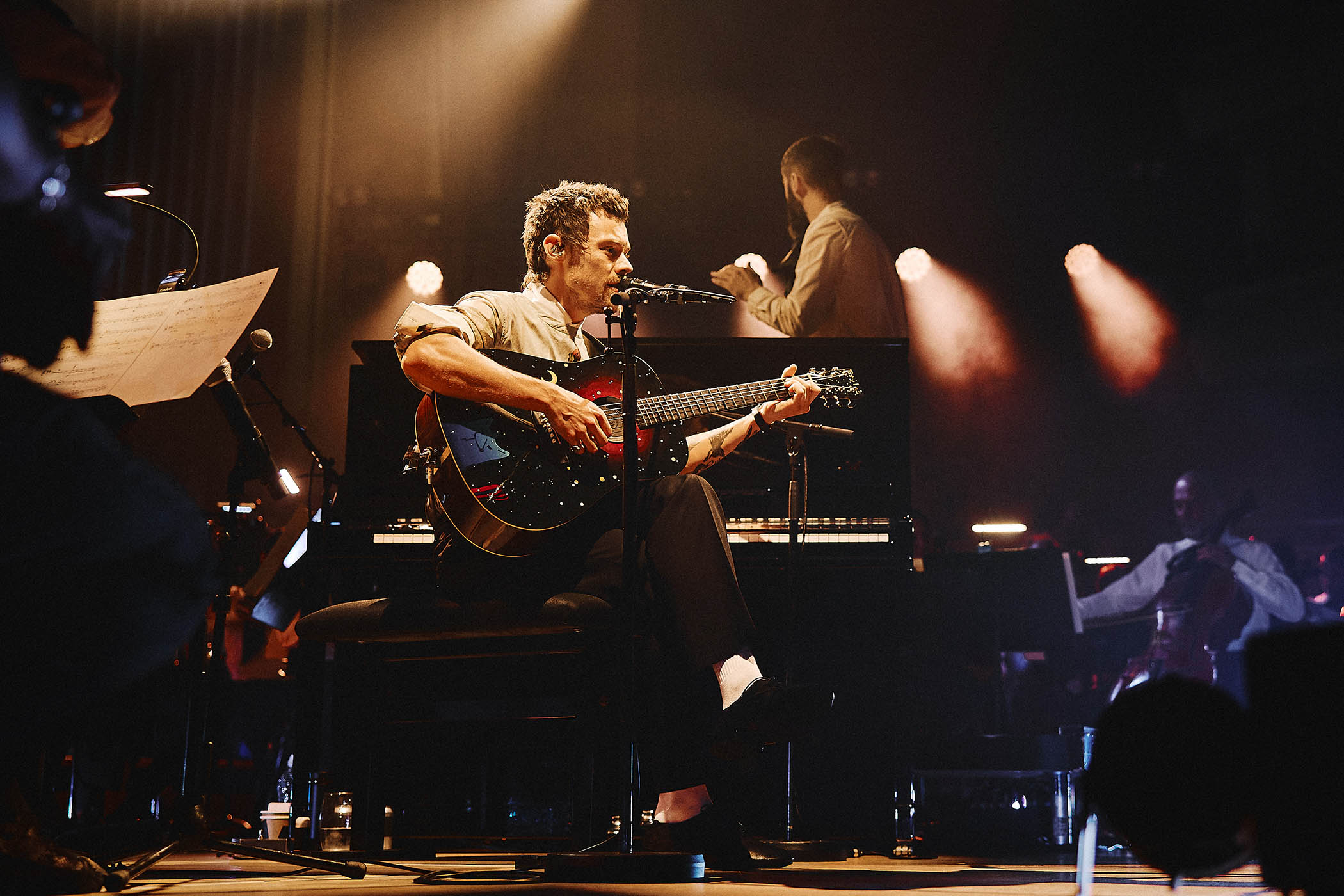
The musician, a lean, wiry, match-fit presence, has asked Mitch Sanders to sit in on the interview. The talented young Bristolian, 27, the son of a friend of Tricky’s best mate, sings most of the vocals on Different When It’s Silent. As it happens, I know the warm, engaging Sanders too: I wrote a biog for him in 2024. But I wonder if Tricky has forgotten the reason for our interview, for a truth-and-reconciliation session.
So I remind him, telling him how I wanted to revisit what was a brilliant but intense time in British pop culture, and our relationship then. That’s my reason, anyway. What’s his reason for wanting to talk to me now?
“You realise the past is bollocks,” he says in his singular, gruff Bristolian burr. “And my ego isn’t big enough to…” Tricky stops. “I know I did stupid things. I did many stupid things. And I’m not a proud man where I [can’t] admit where I fucked up. I think it’s growing up, mate. And like you said: it was the 90s. It’s drink, drugs, fucking partying. It was a mad era. And I fucked up. And I can admit it.”
In my mind, the origin of Tricky’s beef with me had always been that he’d taken umbrage at how I’d described his relationship with Martina Topley-Bird. She was co-vocalist on his early albums, up to and including Angels With Dirty Faces, and the mother of Mina Mazy. As Tricky told my writer mate in 1999 as an explanation for the attack: “[Craig] was saying: ‘Don’t you think you’re holding Martina back?’ That’s the mother of my child – how could I be holding her back? But he kept pushing me and pushing me and I kept getting angrier and angrier.”
But before our meeting last month, when I looked again at the published interview, I couldn’t see any mention of that. What I did see was that I’d reported what another writer, a freelancer who had previously interviewed Tricky for the Face, had written. I wrote: “After Andrew Smith noted that Tricky’s sometime partner Martina looked tired, perhaps because she was bringing up her and Tricky’s daughter Mazy ‘more or less on her own’, Tricky got upset. So he wrote a tune about ‘putting [Smith] in the boot of a car and shooting his face’.”
“Oh, he wrote that?” says Tricky when I relay this to him. “Oh, well, he would have got that [beating]. He still might! Where’s he live?” he adds, laughing, and I laugh too. Such is the genuine change in Tricky, I know he’s joking.
Newsletters
Choose the newsletters you want to receive
View more
For information about how The Observer protects your data, read our Privacy Policy
Still, back then, he wasn’t. I had a track written about me, too. Tricky’s 2003 album, Vulnerable, ended with a wholly menacing song called Search, Search, Survive. I read out some of the lyrics to Tricky: “The editor of Face/We edit this place/Exit without trace after we edit your face.”
Tricky cackles again, and Sanders grins. “I didn’t know about that one!” the younger musician says. “It’s quite good lyrics, actually!” says Tricky, beaming. Full disclosure: I’m finding this funny too. But I didn’t in 2003, thinking that, five years on, he still had beef with me.
“It’s not the beef, it’s lyrics,” counters Tricky. “You figure something what’s happened in your life, and it comes to you [in lyrics]. So it’s not a beef, it’s words, innit.”
Words. I may not have written about the state of Tricky and Topley-Bird’s relationship in the printed article, but I may well have asked him about it during our interview. And what is true is that my Face article is peppered with snarky comments and observations arising from an interview that we conducted in his Atlanta hotel room. Of the new album, I wrote “it blatantly flouts the laws of pop and hip-hop which state that a couple of tunes here and there would be appreciated”. He was also clearly, going through a lot at the time, including various disagreements with record labels and other artists, and it was making him agitated. Our magazine headline billed him The Madfather.
I am, I confess to Tricky, not proud of that stuff.
“You were very arrogant back then, Craig,” Tricky tells me. “You were notoriously arrogant. And, you know, head [sic] of the Face, you played on it a little bit. And the mistake is with me, I don’t care what you’re the head of. I don’t submit to stuff like that. I don’t care whether [you’re] Chris Blackwell,” he says of the Island Records founder, a longtime fan of Tricky and an executive Tricky admires. “If Chris Blackwell disrespects me, I’ll be saying to Chris Blackwell, ‘Fuck you’.
“So,” he concludes, “you were cool to be with. But you could be very arrogant.”
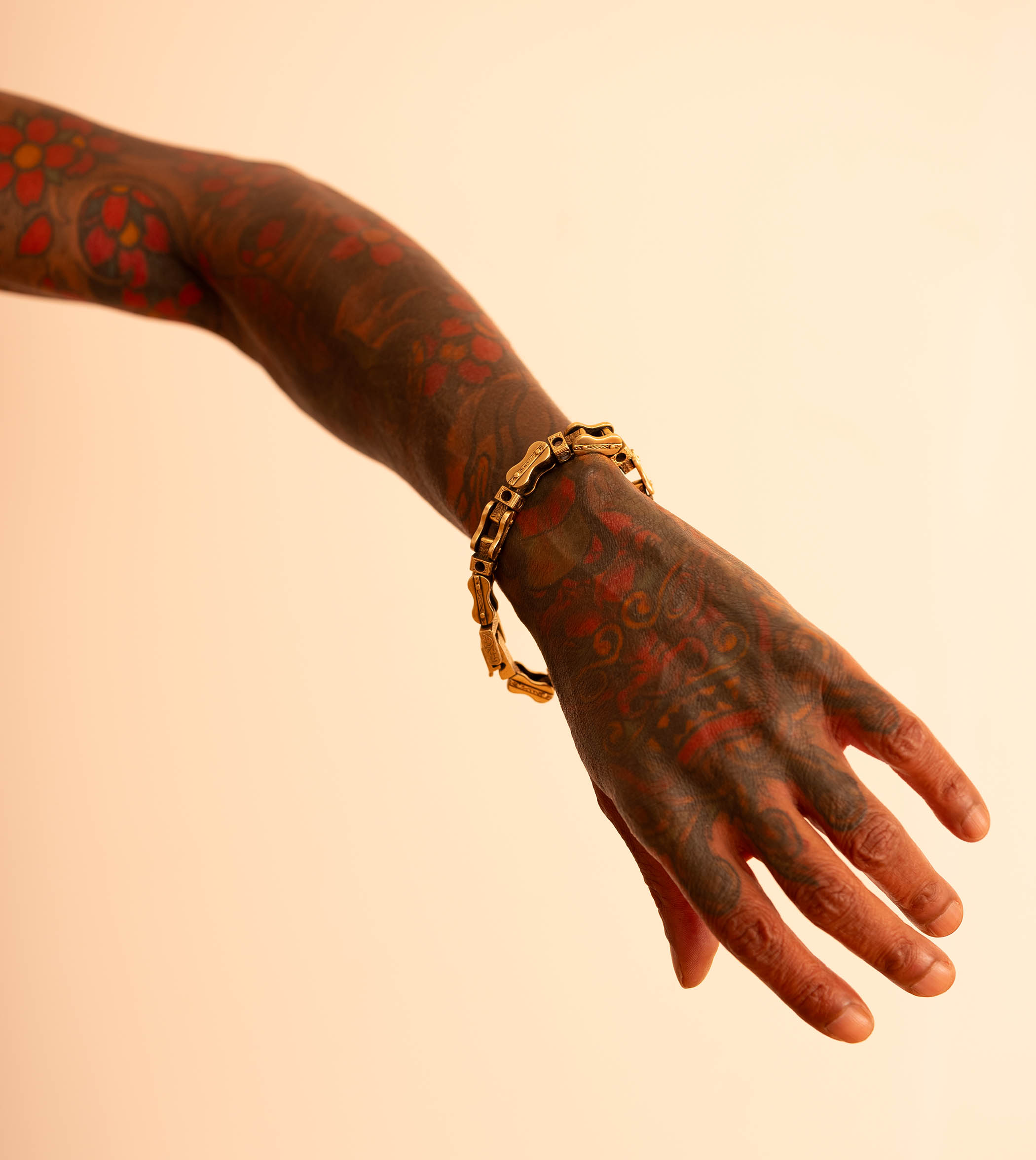
Tricky’s new album is out next month
That may well be true. I was also, he agrees, in the wrong place at the wrong time. In 1998, he was three years into a chart-friendly career he never expected. “Martina said this very interesting thing to me a couple of years ago. I said: ‘I’m trying to stop weed, it just makes me paranoid.’ She goes: ‘You got paranoid when Maxinquaye came out.’
“I thought Maxinquaye was going to be an underground album,” he says of the record named after the mother he lost when he was little more than a toddler. “Then it went straight in at No 3. Then I’m on front of covers and magazines and flying around the world… That’s what fucked me up as well. I come from no money to [being] worth four million quid. I’ve never had no one to show me how to do it.”
Then there were the accolades. David Bowie wrote a surreal short story about him for music magazine Q. At dinner with Blackwell and Rita Marley, Bob Marley’s widow said to him: “You remind me of Bob, you know.” That, Tricky says, “fucked my head up. Bob Marley is up here, I’m down there. Steve McQueen, the director, said to me: ‘Miles Davis changed music four times. You’ve changed it three times. Do you think you could do it again?’”
Tricky shakes his head. “This is all stuff I didn’t understand, mate. It was all too much. The success consumed me.”
Meanwhile, the press – mea culpa – were calling him things like The Madfather. Or, in other, racist stories, The Dark Prince. Or “the Suge Knight of England”, referring to the Los Angeles music boss who co-founded Death Row records with Dr Dre and was imprisoned in 2018 after killing a man in a hit-and-run. Little wonder that Tricky felt “too much pressure, yeah”.
In 1998 he was also in dire straits financially, “spending beyond my means” while a “fucking useless” manager failed to do his job. He owed £80,000 to HMRC, £200,000 to the IRS. He was also battling with what he belatedly discovered was candida overgrowth, a yeast-related condition that can cause gut, skin, breathing and other physical and mental challenges. When we had flown back from Atlanta together – then based in New York, he was returning to the UK for Mazy’s third birthday party – I remember him telling me about the recent diagnosis.
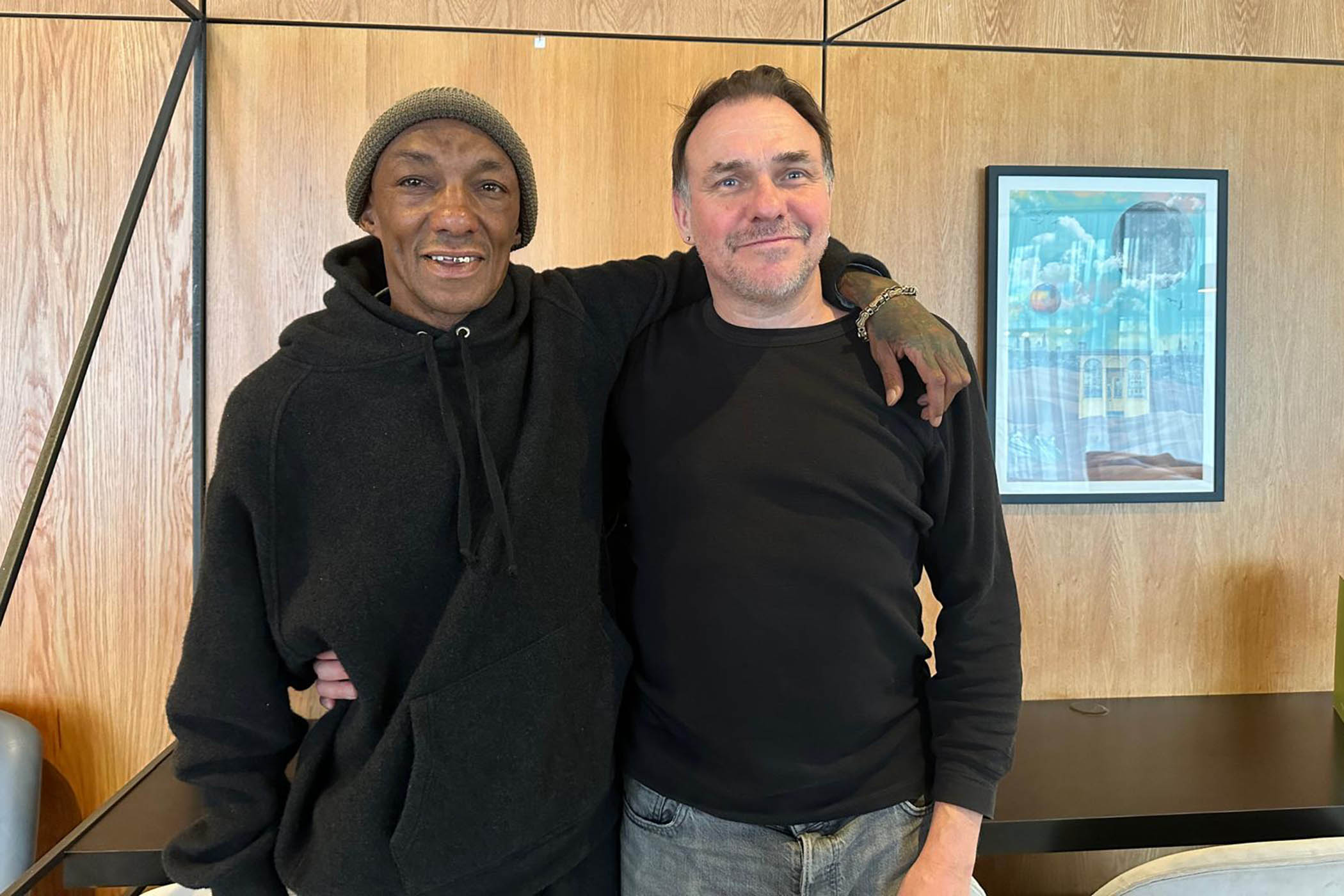
Tricky with Craig McLean last month
He did, though, eventually get things under control, mainly by taking better care of himself. “For instance, we’ve just been in Bradford, and I was eating chocolate biscuits – digestives. I never eat that shit any more. I could feel it in me. I could feel it in my skin. I could feel it in my asthma. So now I just watch what I eat. So I haven’t ate out of a cereal box for 30 years. I don’t eat out of cans. And I train three times a day. It’s basically looking after yourself.”
For the past three years, Tricky has been in therapy. “I needed to do that years ago,” he admits – which is undoubtedly true given that he grew up with no father, saw his mother in her coffin when he was four and, as a child, regularly witnessed raw violence between family members. “I’ve seen my uncle try to bite my [other] uncle’s ear off. I’ve grown up with this. I thought it’s normal. But it’s definitely affected my mind.”
But since the death of his daughter, he’s finally taken charge of his mental health. “In some ways, my daughter’s loss has helped me grow up a little bit. Because I am very immature. That’s not having a mum or dad and being passed around. So I’ve never been disciplined. I’ve never been taught how to do anything. So I’m emotionally numb, that’s what Björk called me,” he says – the pair were briefly a couple in the 1990s. “And I’m not a grownup.”
On Out of Place, the urgent, pulsing final track on Different When It’s Silent, Tricky sings: “I sing for my daughter.” I say to Tricky: that sentiment – simple, strong, unadorned – is the album in a nutshell, isn’t it?
“Yeah,” he replies. “That’s the only thing I could give her: everything. You’ll never get over losing a daughter. But this album has definitely helped me, as in: all right, the pain’s never [going to] go. But I can’t keep wallowing in it. It’s time to move on. This album has helped me grow. And for the first time, I’m looking forward to the future.”
Our time is up; Tricky and Sanders have to head to the Troxy for soundcheck. Tricky and I reach across the table and clasp hands. He apologises for beating me up; I apologise for being arrogant.
“Beautiful!” exclaims Tricky, visibly relaxing. “I was nervous today as well. I was sweating!”
“That was really nice,” says Sanders, and I see now why Tricky invited him: for support, not distraction. “I loved listening to that.”
Then Tricky asks: “Do you want a cup of tea, Craig?”
Different When It’s Silent (False Idols) is out 17 July
Grooming by Britta Dicke at Carol Hayes Management
Additional photographs by Edd Westmacott/Alamy, Jo Hale/Getty Images