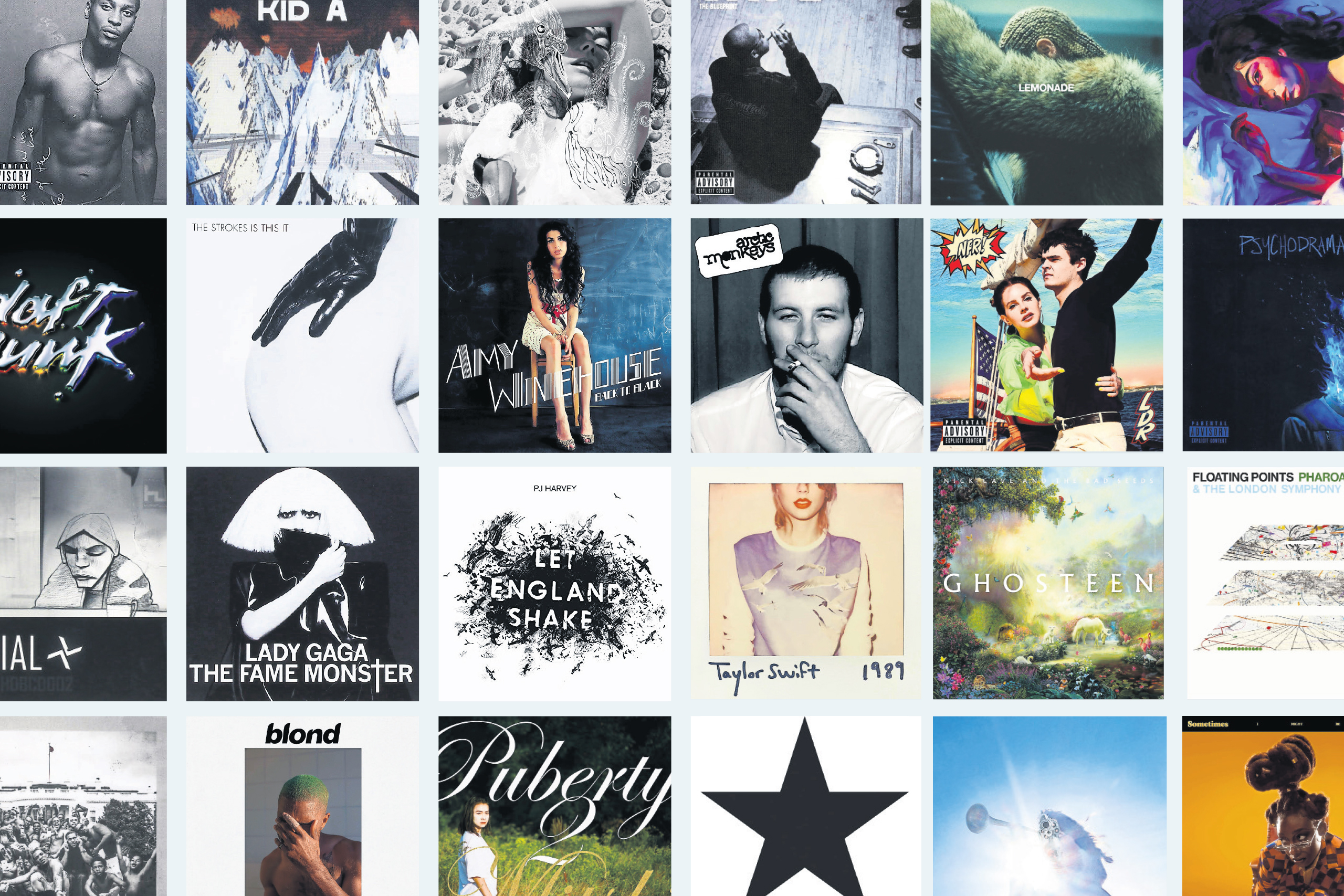


Beauty is, of course, in the eye of the beholder. The ear, though, seems to excite even more passionately held opinions. Compiling this list of the 25 most significant albums of the past 25 years, The Observer’s music and culture writers took care to balance their own tastes against a frankly dizzying number of other considerations.
Did an album come out of nowhere and change the culture? Which to favour: the debut that heralded an emerging talent, or the record produced at the peak of an artist’s powers? That was a continuing conundrum for acts as different as Arctic Monkeys and Kendrick Lamar.
The email chains were long and lively; the arguments for and against artists, from Taylor Swift to Kanye West, nuanced and emotive. We weighed up consensus picks and formally daring excursions, stadium names and cult favourites.
We’ve finally arrived at a list that feels genuine, but vivid, authoritative and nimble – one that has room for both Lady Gaga and a collaboration from Floating Points, Pharoah Sanders and the London Symphony Orchestra (LSO).
We’re often said to be in a post-genre era, but categories remain meaningful. You could easily reel off 25 pop stars, 25 rappers or 25 guitar bands that dominated this quarter-century and still have a lush spread of sounds. Genres such as country, reggae and any number of non-anglophone musical cultures each deserve their own rankings.
We welcomed a generous span of styles and artists, and still there are inevitable absences (the runners-up could have made a really great list in itself, from Billie Eilish’s When We All Fall Asleep, Where Do We Go? to Madlib and MF Doom’s Madvillainy).
But here we present, in chronological order, our best albums of the century so far. You will obviously have notes. We would love to hear them.
Which of these albums do you think is the best of the century so far? Vote on your personal top three here – and tell us what we missed
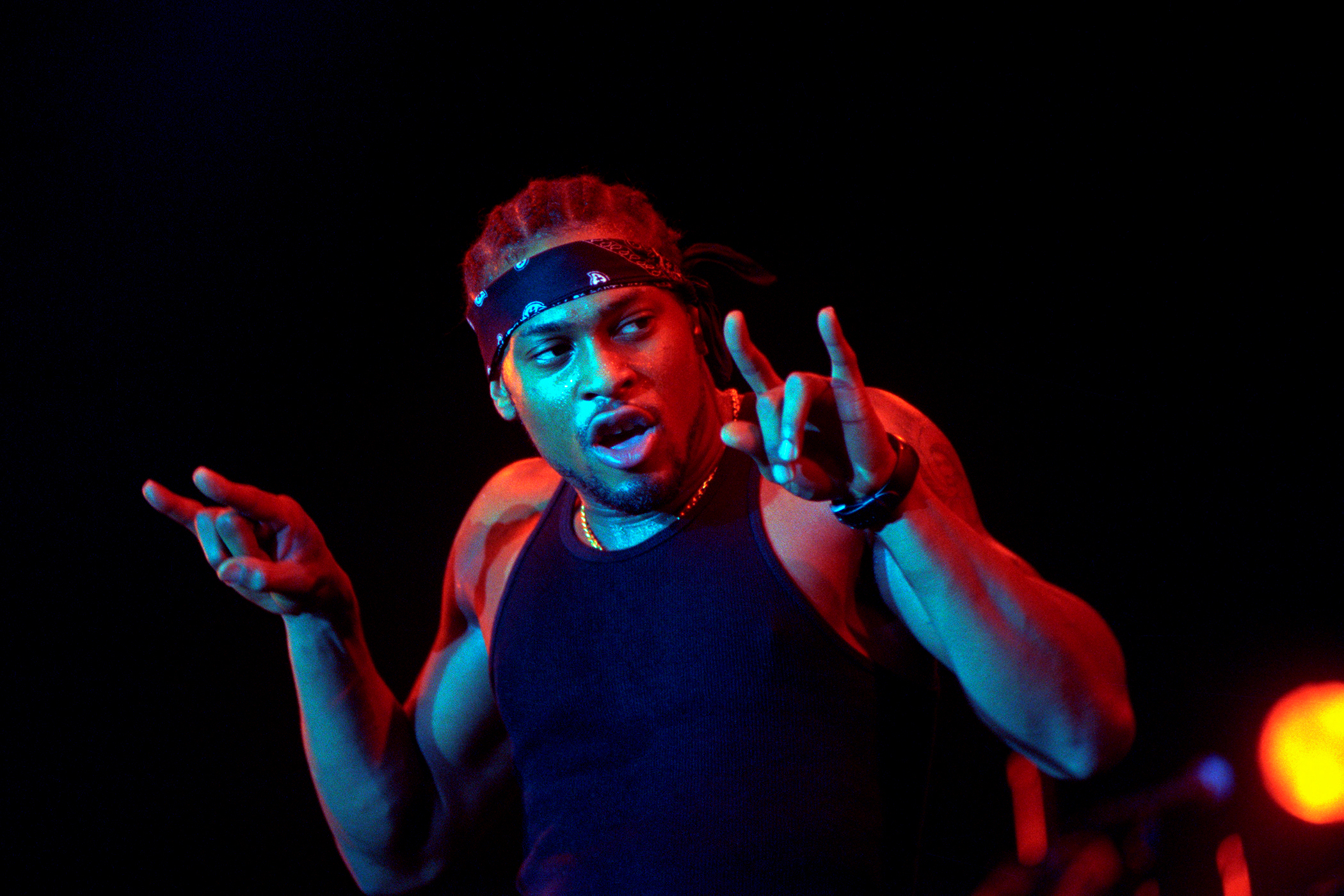
Voodoo (D’Angelo, 2000)
The template for the ensuing neo-soul movement, the second album from singer-songwriter D’Angelo is a masterclass in deep-swinging grooves, sensual melodics and sultry vocals. Encompassing the swagger of Devil’s Pie, the steamy balladry of Untitled (How Does It Feel) and the infectious groove of Spanish Joint, the LP proved D’Angelo to be a 21st-century distillation of Prince’s funk and Marvin Gaye’s soul. Ammar Kalia
Newsletters
Choose the newsletters you want to receive
View more
For information about how The Observer protects your data, read our Privacy Policy
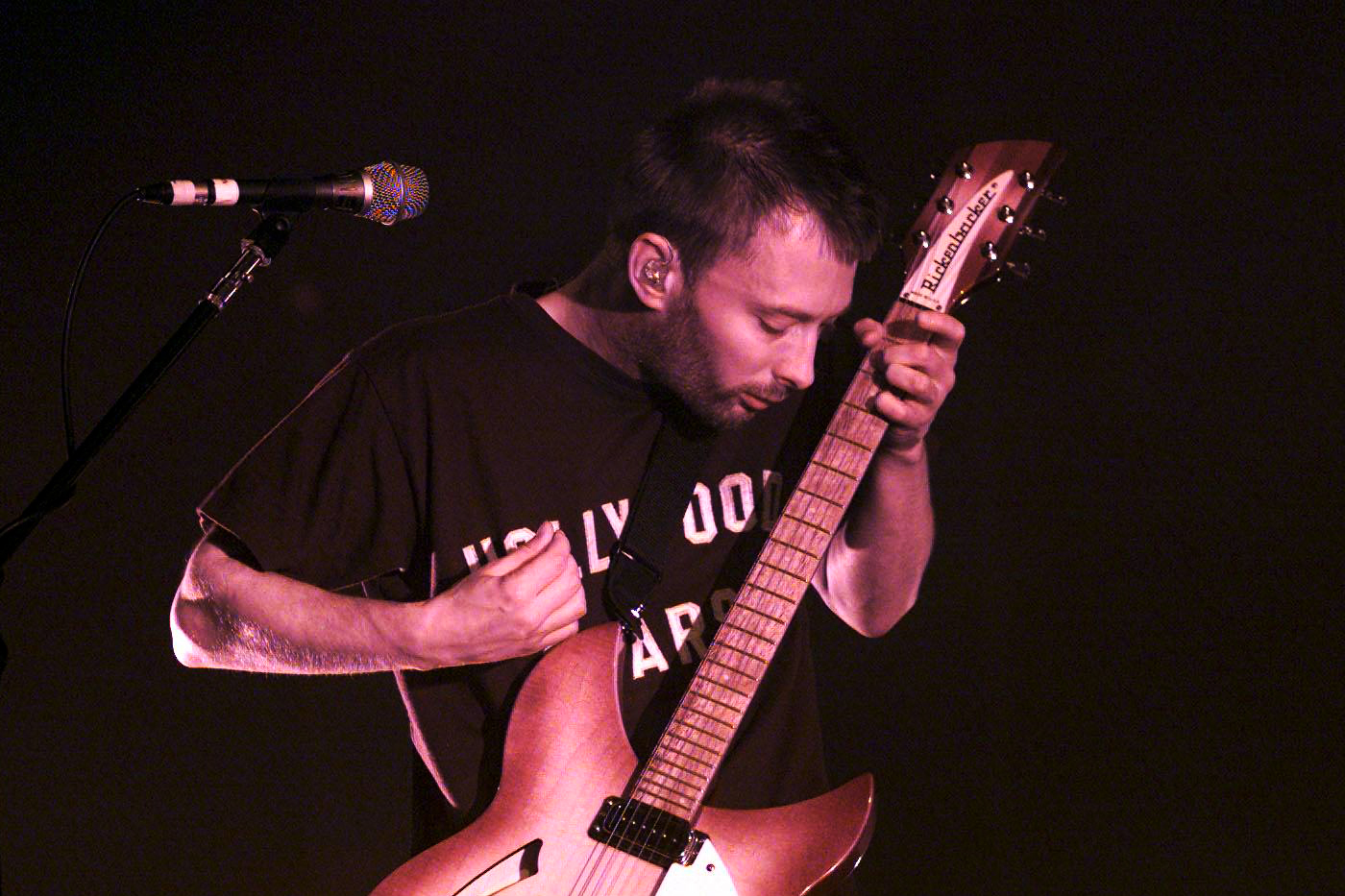
Kid A (Radiohead, 2000)
Although you didn’t have to look much beyond the title of 1997’s OK Computer to see where Thom Yorke’s band was headed, the indie rock fraternity still had a “Judas” moment when Radiohead’s fourth album ditched the grand rock balladry in favour of warped electronics, Krautrock grooves and migrainous jazz horns. Kid A paired millennial dread with drum machines, turned a generation of guitar kids into Aphex Twin fans and formed a mission statement for the most restlessly inventive band of the century so far. Tom Gatti
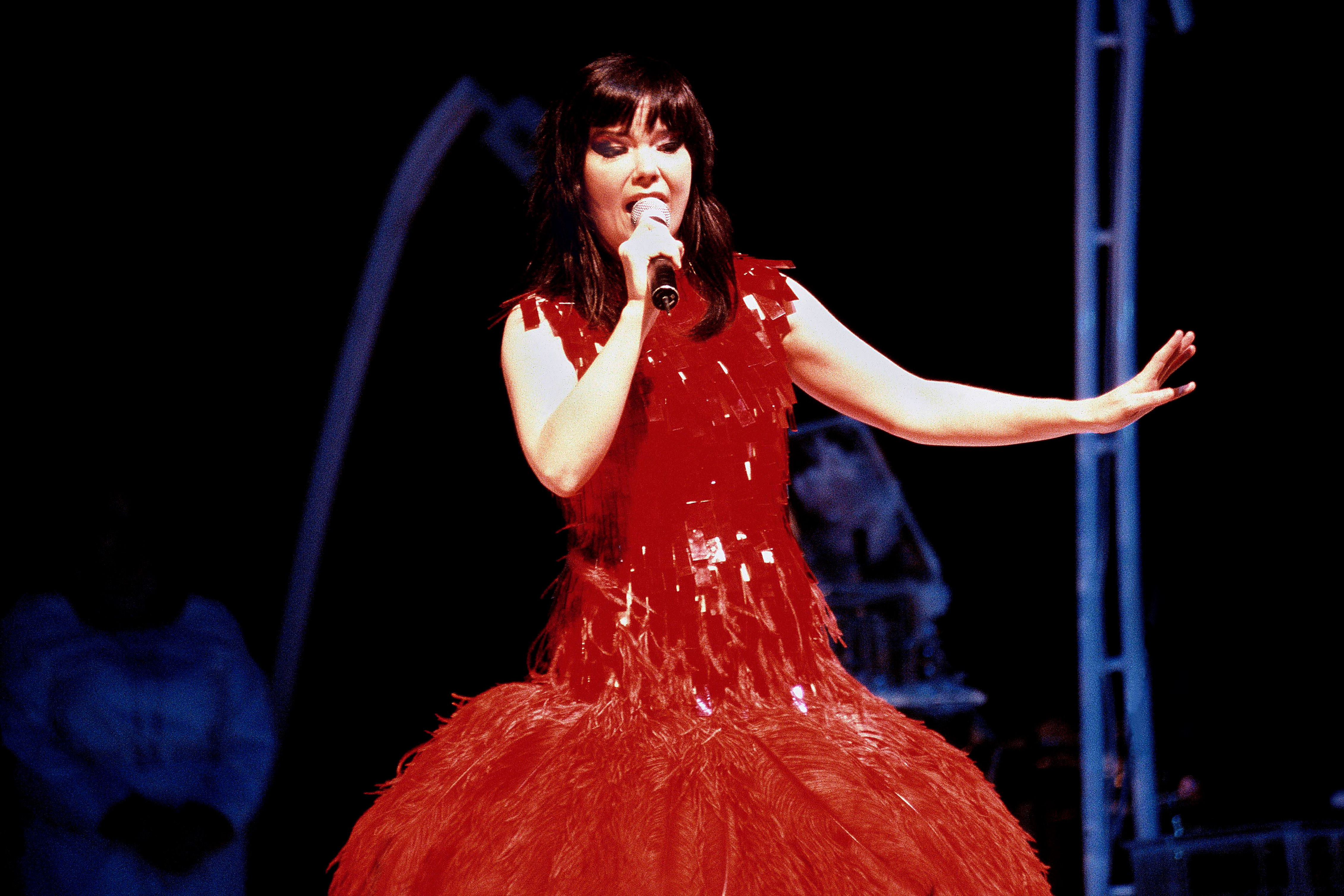
Vespertine (Björk, 2001)
A laptop creation best heard in headphones, Vespertine (“of the evening”) took years for Björk to craft: decorating delicate electronic “microbeats” with celeste, harp and strings, then adorning that skeletal structure with the heart-stopping coloratura of the Icelandic singer-songwriter’s choral arrangements. As wintry and beautiful as a Reykjavík sunset, it brings evensongs about sleepy sex (Cocoon), healing (Undo) and surrender (It’s Not Up to You) to a climax in Unison, a euphoric hymn to unexpected happiness. Damien Morris
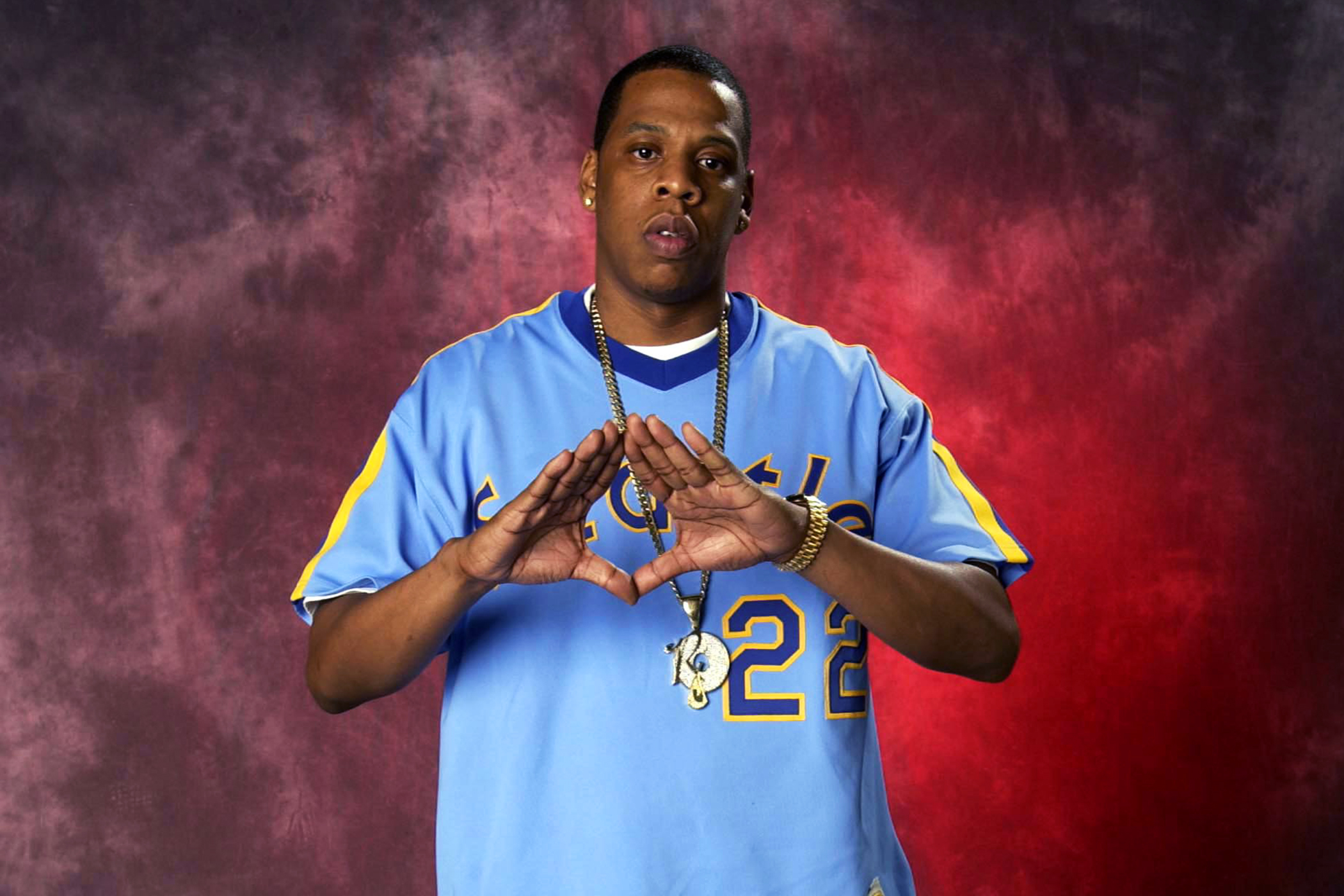
The Blueprint (Jay-Z, 2001)
Four tracks by a hungry young Kanye West, alongside sample-heavy production turns by Just Blaze and Timbaland. Plus, a smash hit in Izzo (HOVA) – the “Hova” being short for Jehovah, a reference to Shawn Carter’s preternatural ability to improvise witty, audacious street rhymes. Released on his co-owned Roc-A-Fella label, The Blueprint saw Jay-Z manifest a future in which his lyrical nous and dealer’s acumen would make this auteur the first hip-hop billionaire. KE
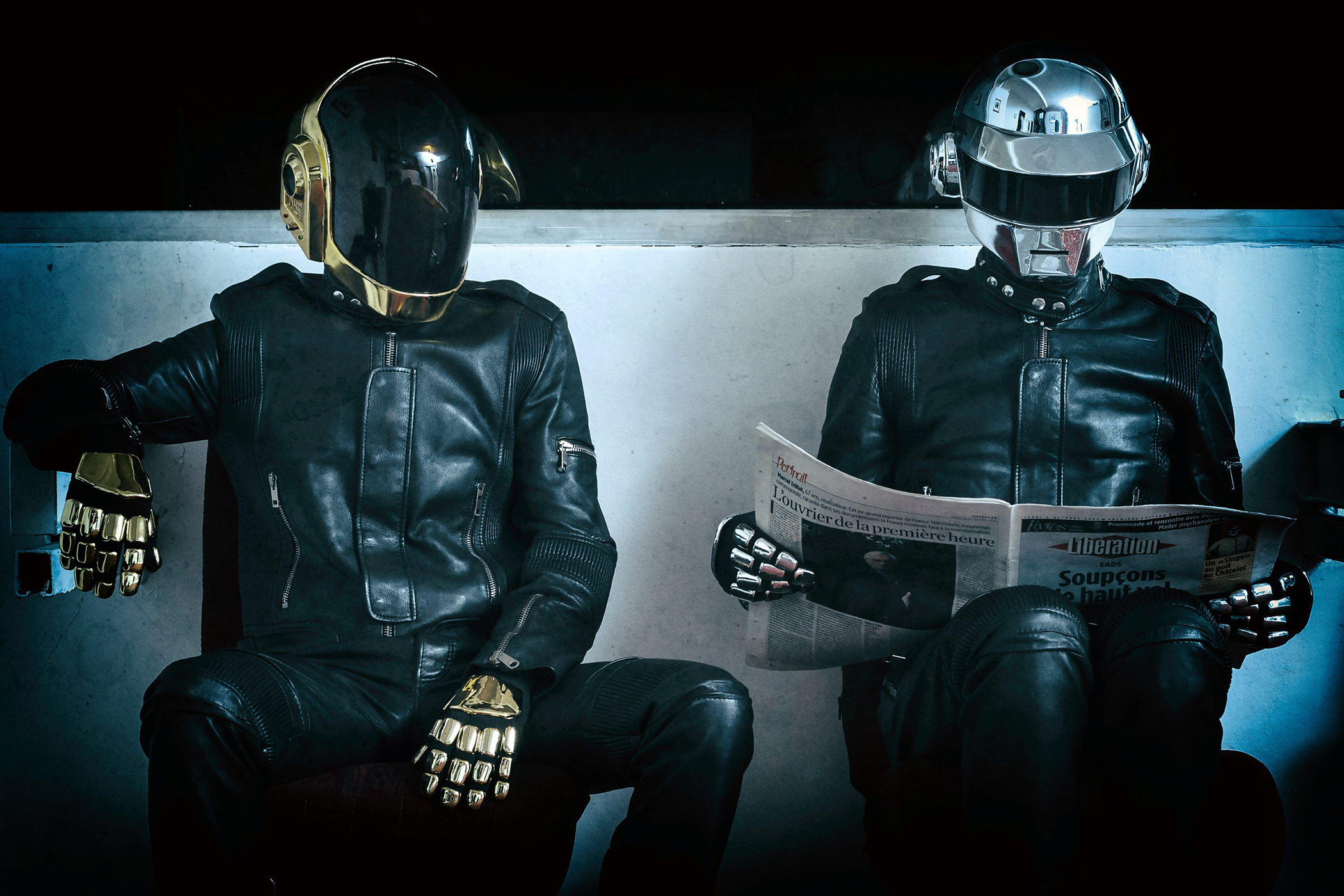
Discovery (Daft Punk, 2001)
The final decades of the 20th century hurtled towards a future of infinite possibility. And the soundtrack to that boundless optimism was provided by two Parisian DJs dressed as robots, whose music stripped away all pretence of humanity, other than our urge to dance. Events just months after the album’s release brought the world to a standstill – but if ever there was an album that revelled in irresistible momentum, this is surely it. Lewis Huxley
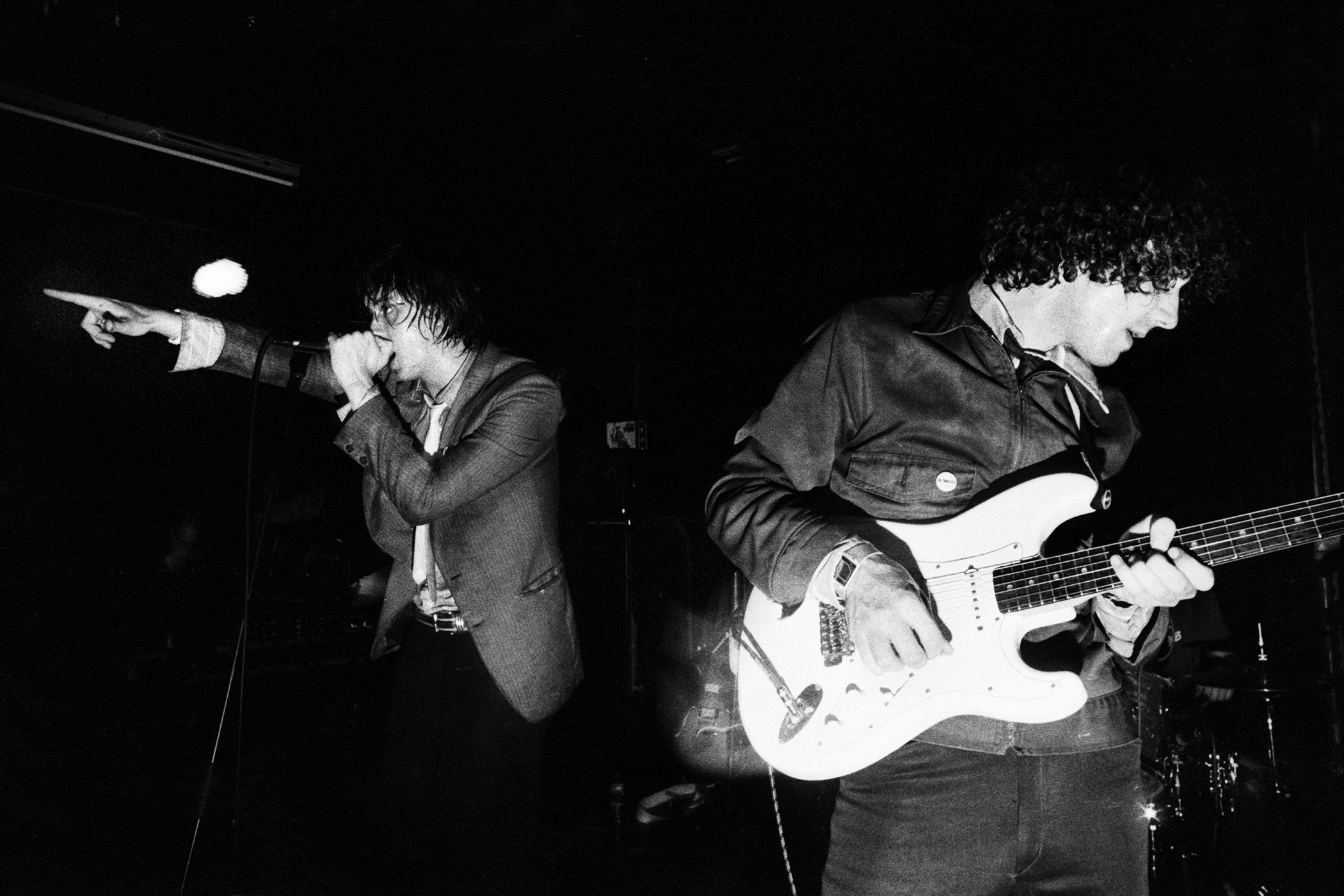
Is This It (The Strokes, 2001)
In 11 perfect jolts of rock’n’roll, Is This It changed the musical temperature of an entire decade, reinstating guitars as the youth’s instrument of choice, narrowing jean widths by 50% and turning Julian Casablancas and his bandmates into the insouciant new messiahs of cool. Channelling the spirit of their New York forebears for a post-millennium generation seeking escapism and fun, the Strokes were sexy, stupidly exciting and effortlessly, undoubtedly “it”. Lisa Wright
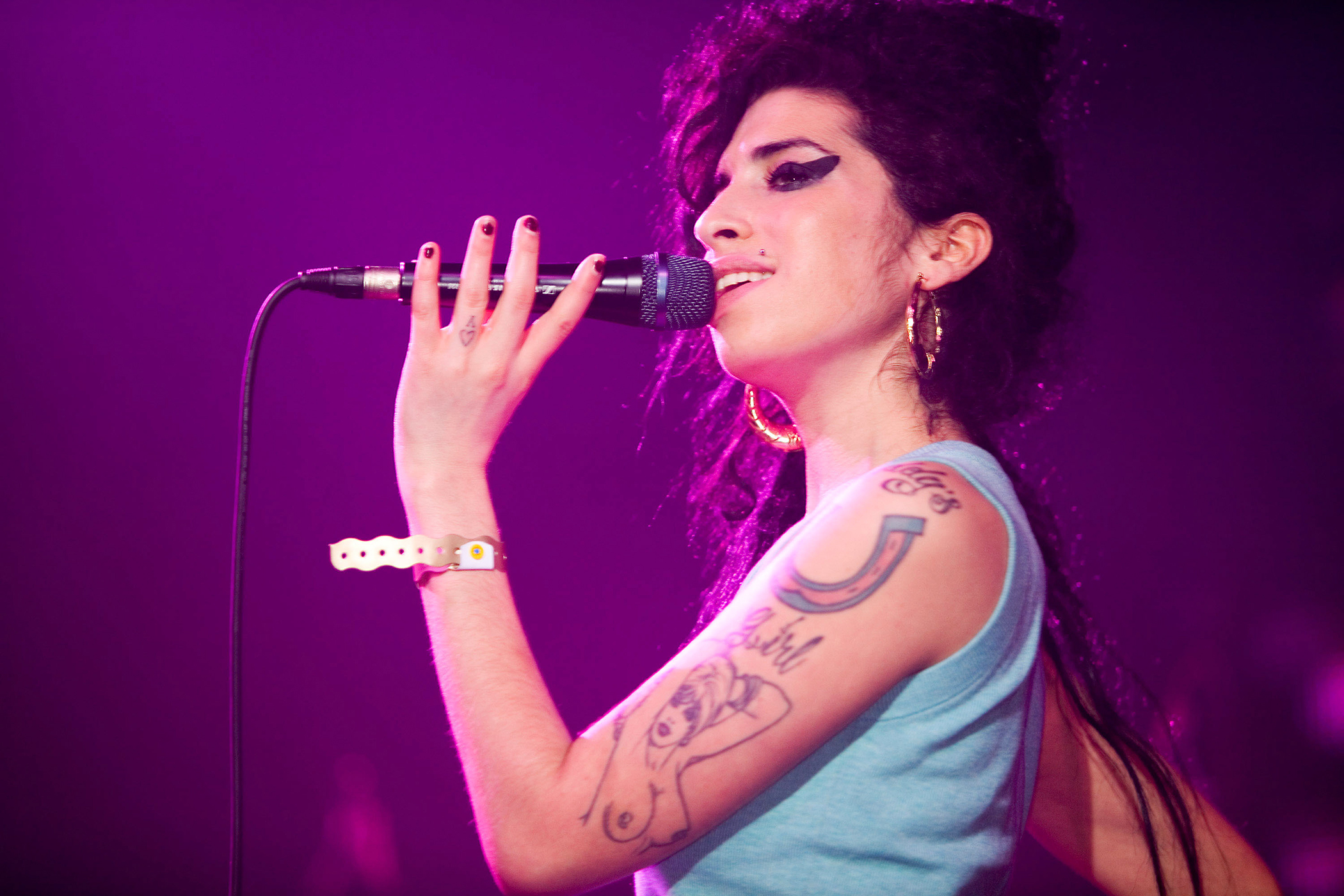
Back to Black (Amy Winehouse, 2006)
A 21st-century girl blowing up her life in sound: you hear the echoes crackling in the breakbeats, ringing in the girl-group tambourines. Imitators came quickly, but Back to Black’s startling lyrics are Amy Whitehouse’s alone: the young woman as a tiny penny rolling inside a pipe, getting sniffed out “like Tanqueray”, knowing she’ll become “some next man’s other woman soon”. That voice – Camden Town via Motown and Miami – still stuns. Jude Rogers
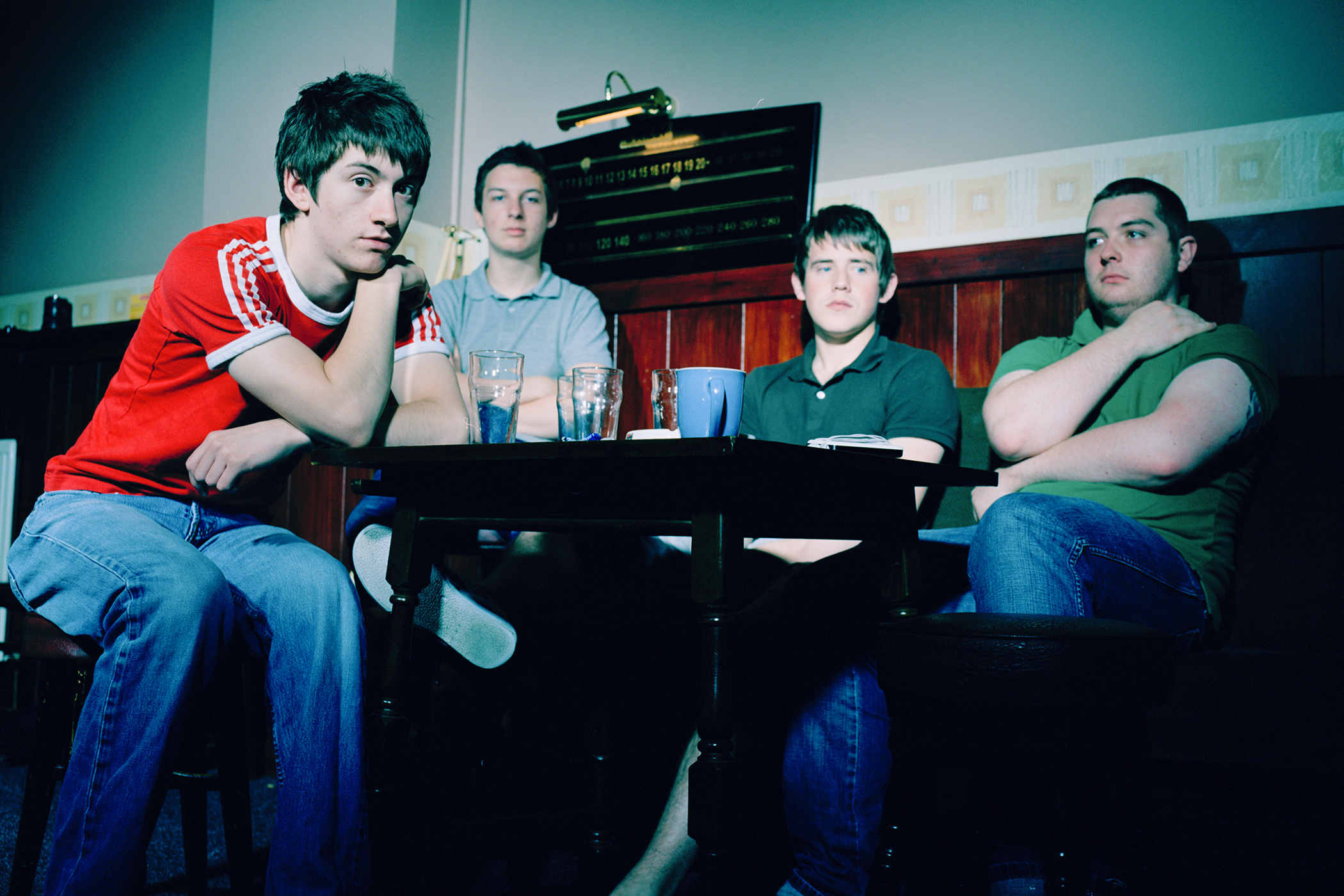
Whatever People Say I Am, That’s What I’m Not (Arctic Monkeys, 2006)
A document from the trenches of youth, the album – made when the band were all barely out of their teens – turned tales of bar brawls and scummy men into observational poetry. A lightning-in-a-bottle record that swiftly became the fastest-selling debut LP in British history, it introduced Arctic Monkeys as the band of their generation – a title they’ve upheld ever since. LW
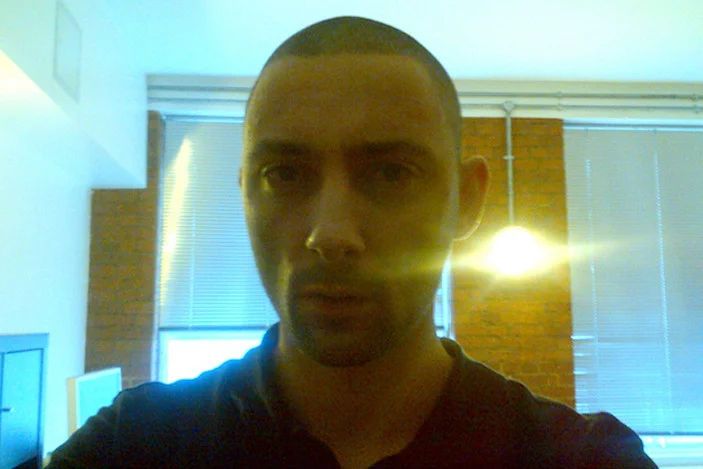
Untrue (Burial, 2007)
Just as Goldie’s Inner City Life scored pre-New Labour urban Britain, Burial’s second album became the soundtrack to the decaying 21st-century metropolis. Forging a new musical language out of the two-step garage and drum’n’bass that he grew up with, the publicity-shy producer added vinyl crackle, snippets of dialogue and manipulated vocals. The claustrophobic soundscape of Untrue influenced almost every electronic musician in its wake. TG
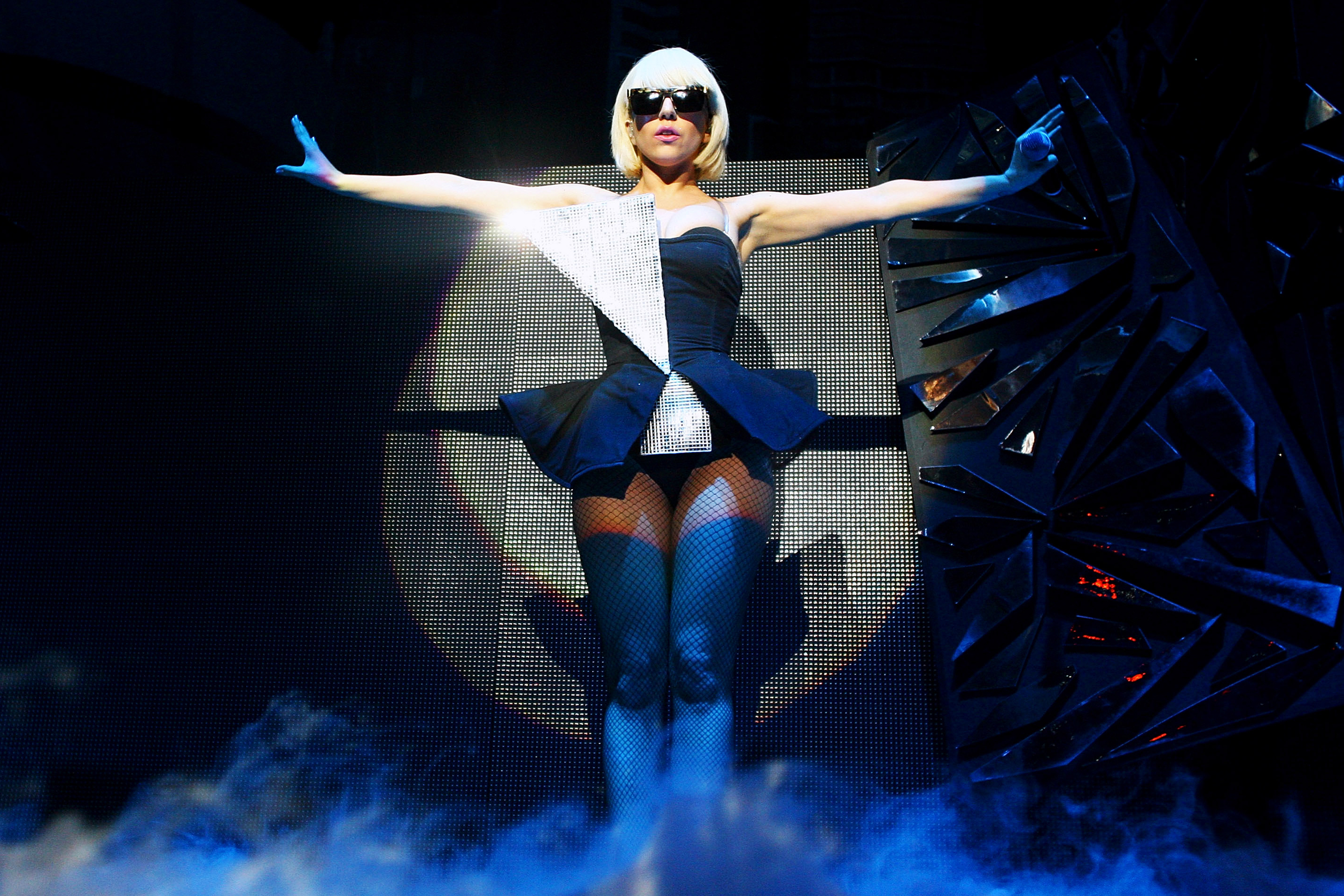
The Fame Monster (Lady Gaga, 2009)
This album isn’t just an extension of Lady Gaga’s debut, The Fame – it’s a bolstering. The record sharpened her vision and amplified her ambition; arriving just after her controversial, blood-soaked performance of Paparazzi at the MTV VMAs, it ended Madonna comparisons, as Gaga embraced a compellingly grotesque pop persona. Channelling her fears of sudden fame into monster metaphors, tracks such as Bad Romance and Speechless twist anxiety into dancefloor catharsis: high voltage, hyper-camp, yet unmistakably human. Georgia Evans
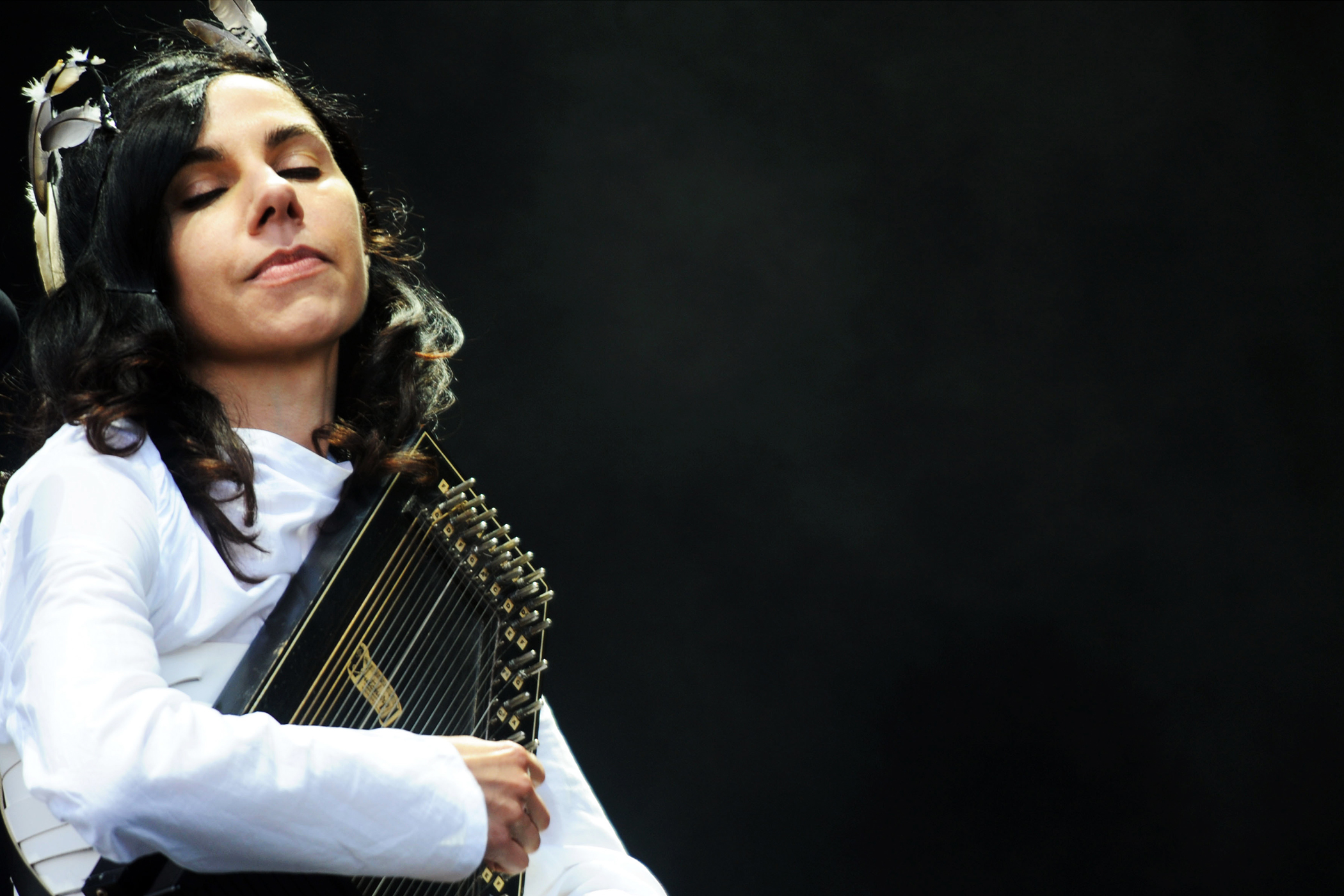
Let England Shake (PJ Harvey, 2011)
The Dorset singer-songwriter has always found poetry in the personal and political, but never intertwined them as cleverly as on her masterpiece. It’s a time-shifting, hallucinatory roam through memories, reveries and histories of England, detailing how a land fattened on myths of glory also floats in seas of blood. Harvey’s eerie lyrics and elemental folk are unforgettable. DM
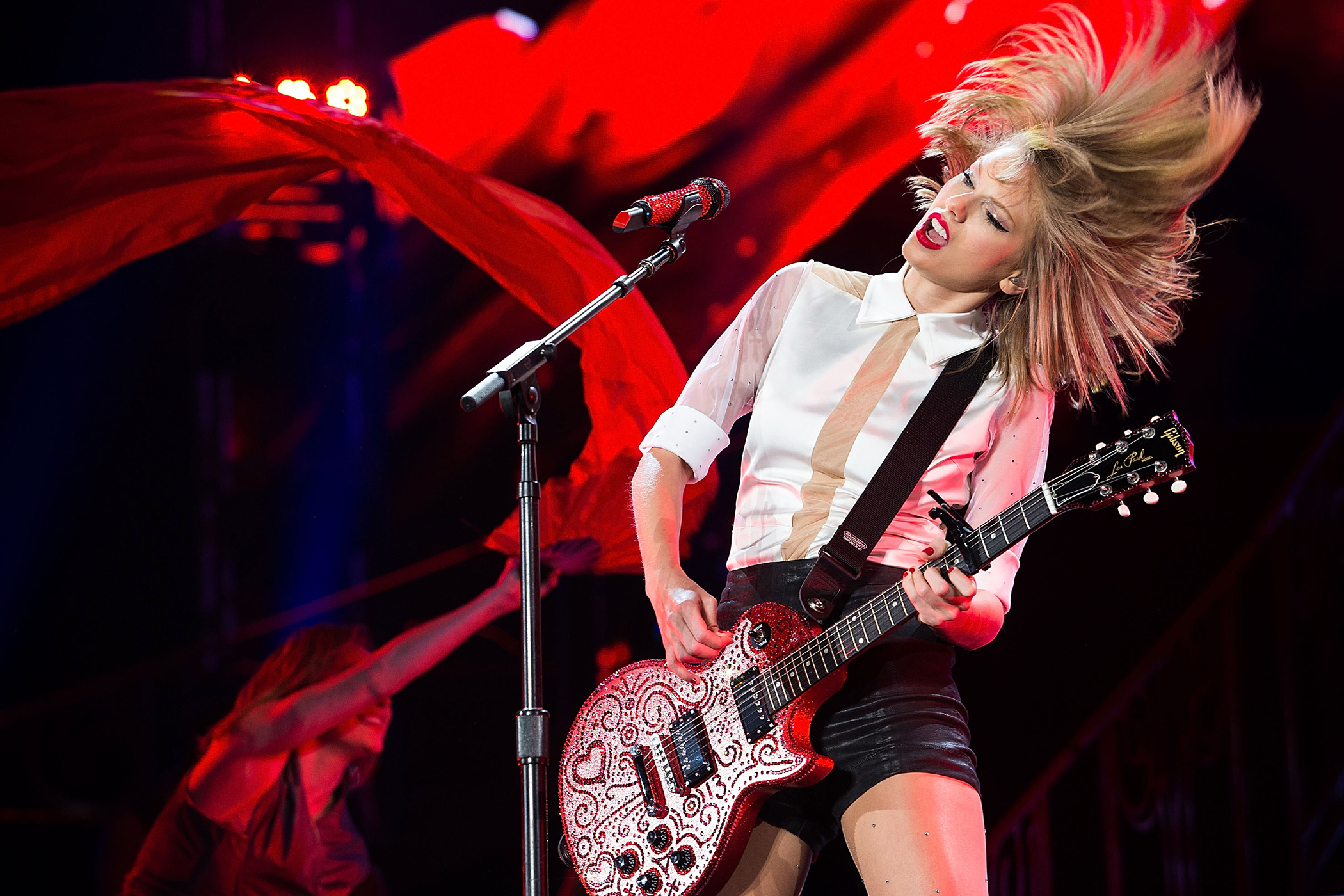
1989 (Taylor Swift, 2014)
Red was the album that turned a Nashville country prodigy into a pop star. Named after the year of her birth, 1989 sent Swift stratospheric. Its three killer singles – Shake It Off, Blank Space and Bad Blood – and no-filler tracklist capture the giddy highs of twentysomething love. The roman à clef reinvented for a 21st-century pop audience. KE
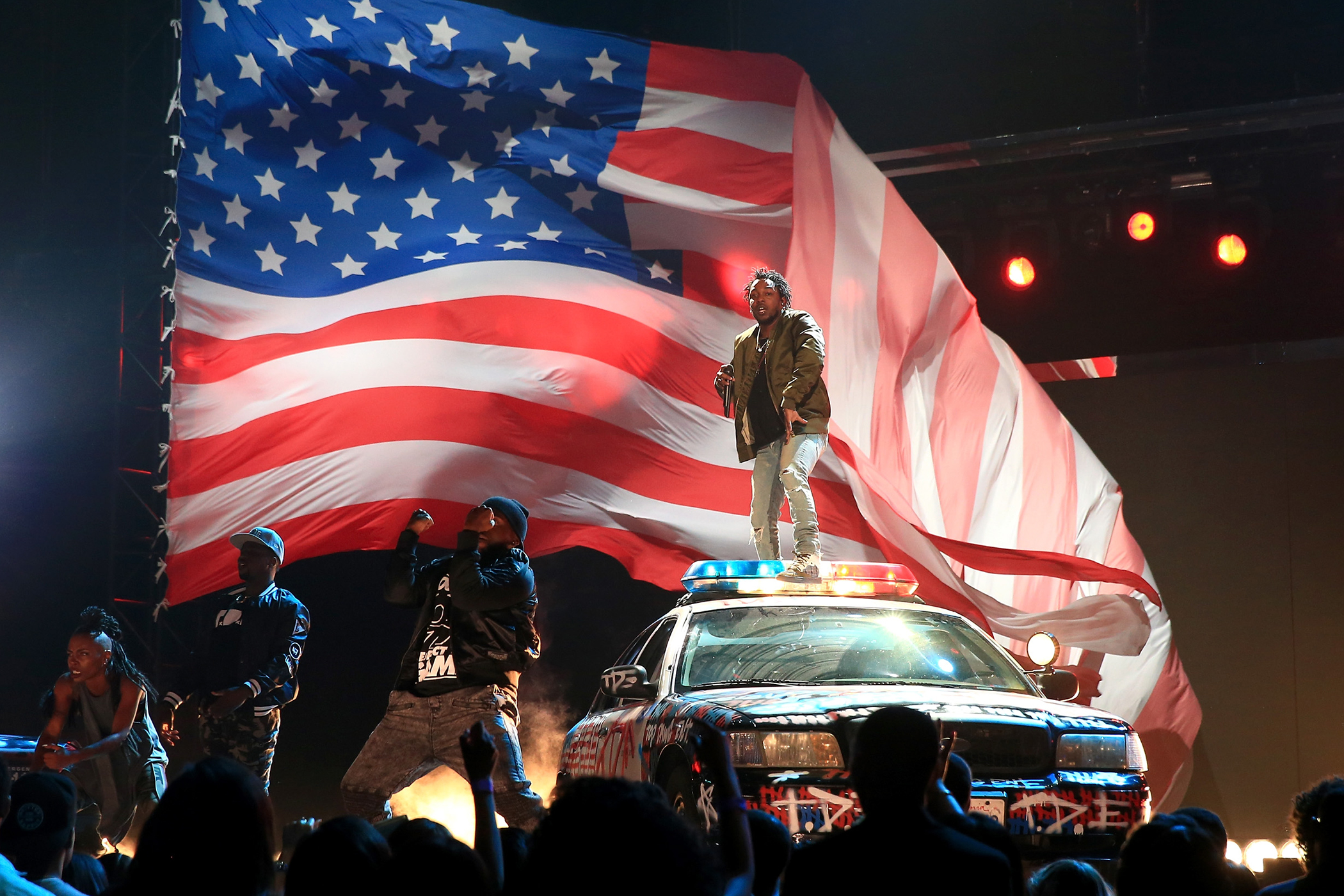
To Pimp a Butterfly (Kendrick Lamar, 2015)
A hip-hop masterpiece overflowing with influences and ideas, Kendrick Lamar’s third album brought a jazz sensibility and fierce intelligence to the rap charts. Inspired by a trip to South Africa, the artist anatomises the realities of racial struggle on tracks such as King Kunta – a homage to James Brown, George Clinton and the enslaved rebel from Alex Haley’s novel Roots – and the anthemic Alright. This is a record of dark humour, political urgency and breathtaking eloquence. TG
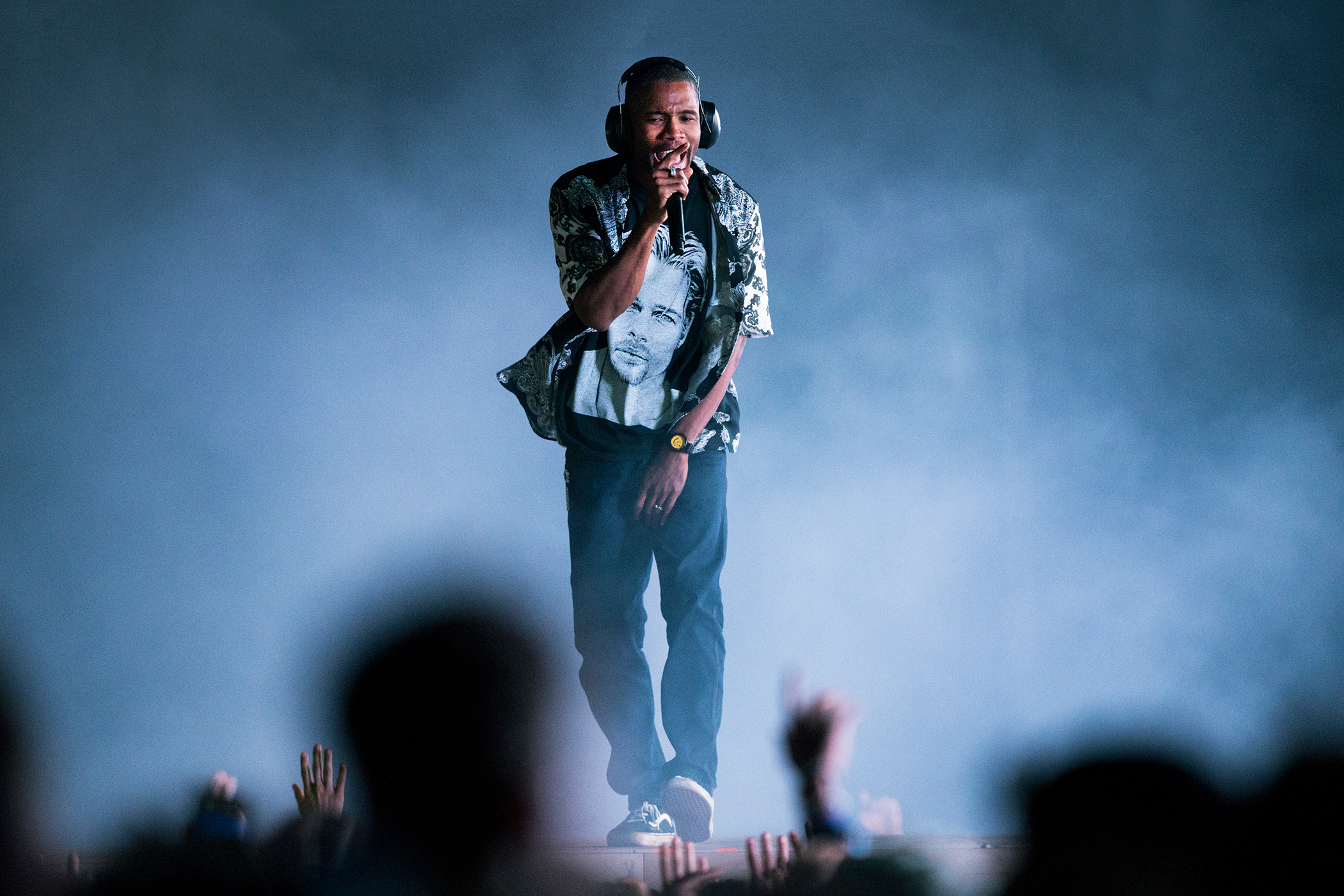
Blonde (Frank Ocean, 2016)
The hour-long running time of Ocean’s second album proper contains multitudes. There is the meandering, chatty interlude of Facebook Story, the haranguing voicemail of Be Yourself and the blistering shoegaze of Pretty Sweet. It might be considered an incoherent mess if it didn’t include some of the most beautiful and well-crafted R&B ever made: the heartbreaking melodies of Pink + White and the soul-searching guitar strumming of Seigfried. A deeply human opus. AK
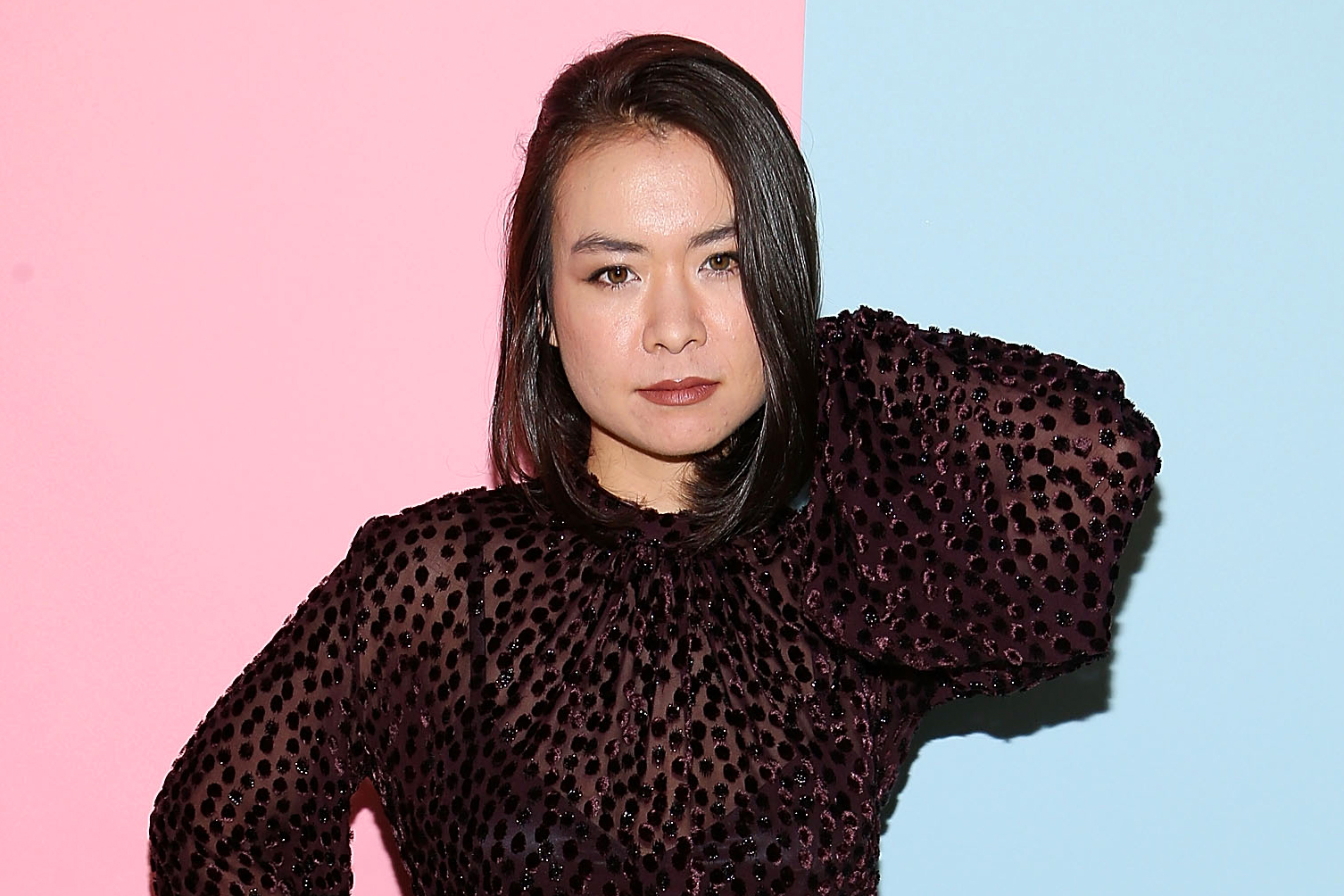
Puberty 2 (Mitski, 2016)
Is this the 21st century’s great record of yearning? In these taut, sparse, bruising songs, Mitski evokes pure longing: for love, for belonging and for something more existential. Your Best American Girl captures a desire to be desired so acute it is painful. On Thursday Girl, three words – “Tell me no” – are a prayer expressing a deeply contemporary ache. And on the final track, A Burning Hill, she catches the nature of romantic obsession, a force so powerful that it outburns its own love object: “I’ve been a forest fire ... I am the fire, and I am the forest / And I am a witness watching it … And you’re not there at all.” Anna Leszkiewicz
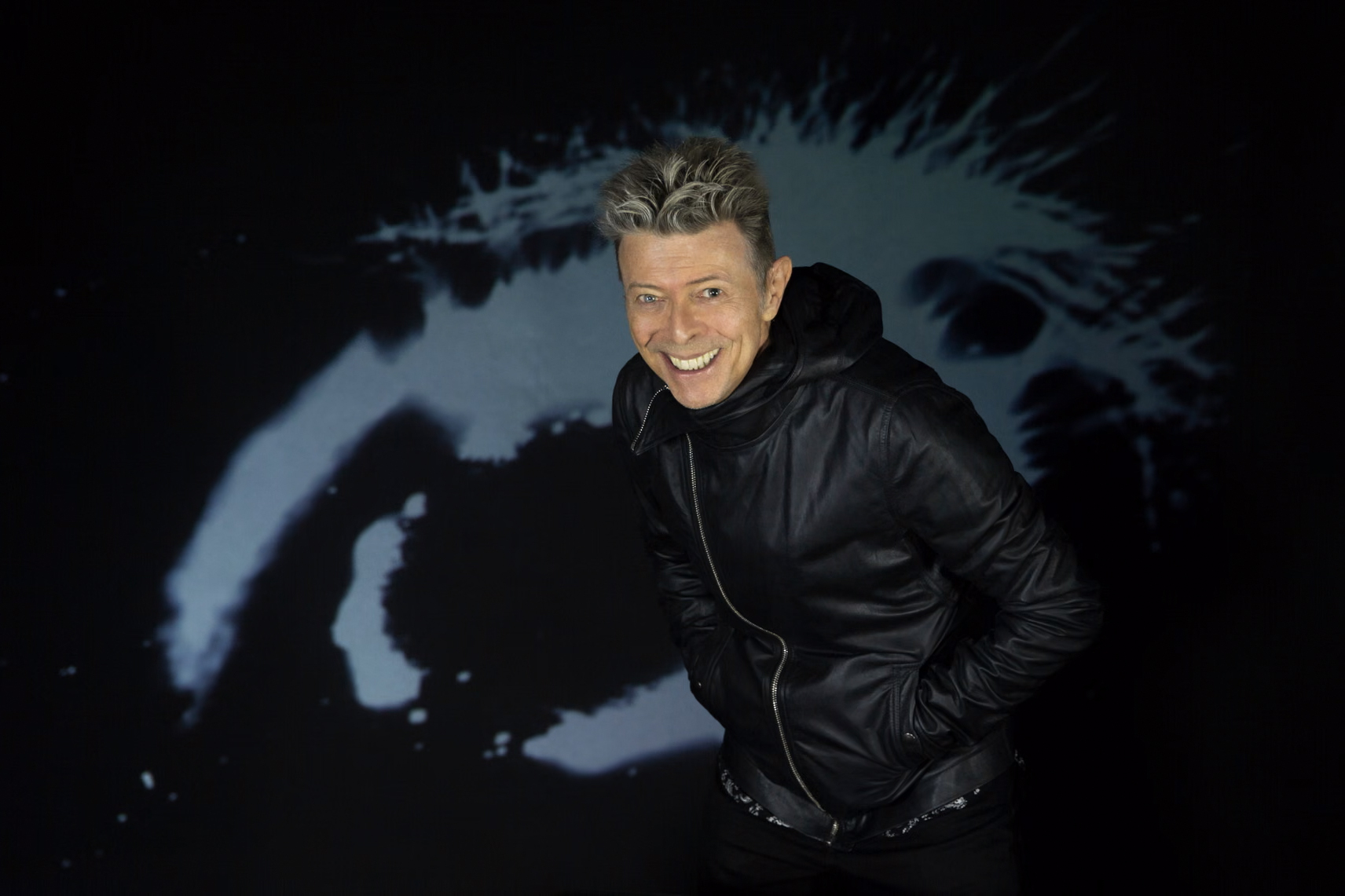
Blackstar (David Bowie, 2016)
A shadowy beauty – released only three days before news of the singer’s death broke – Blackstar fed the end of life into art. Within this album’s gnarly jazz, twitchy rock and glitchy electronics, you hear so much: halted breaths, references to old girlfriends and the soaring harmonica line from Bowie’s 1977 song A New Career in a New Town returning in the stunning I Can’t Give Everything Away. Here is a genius “seeing more” as his body is “feeling less”. JR
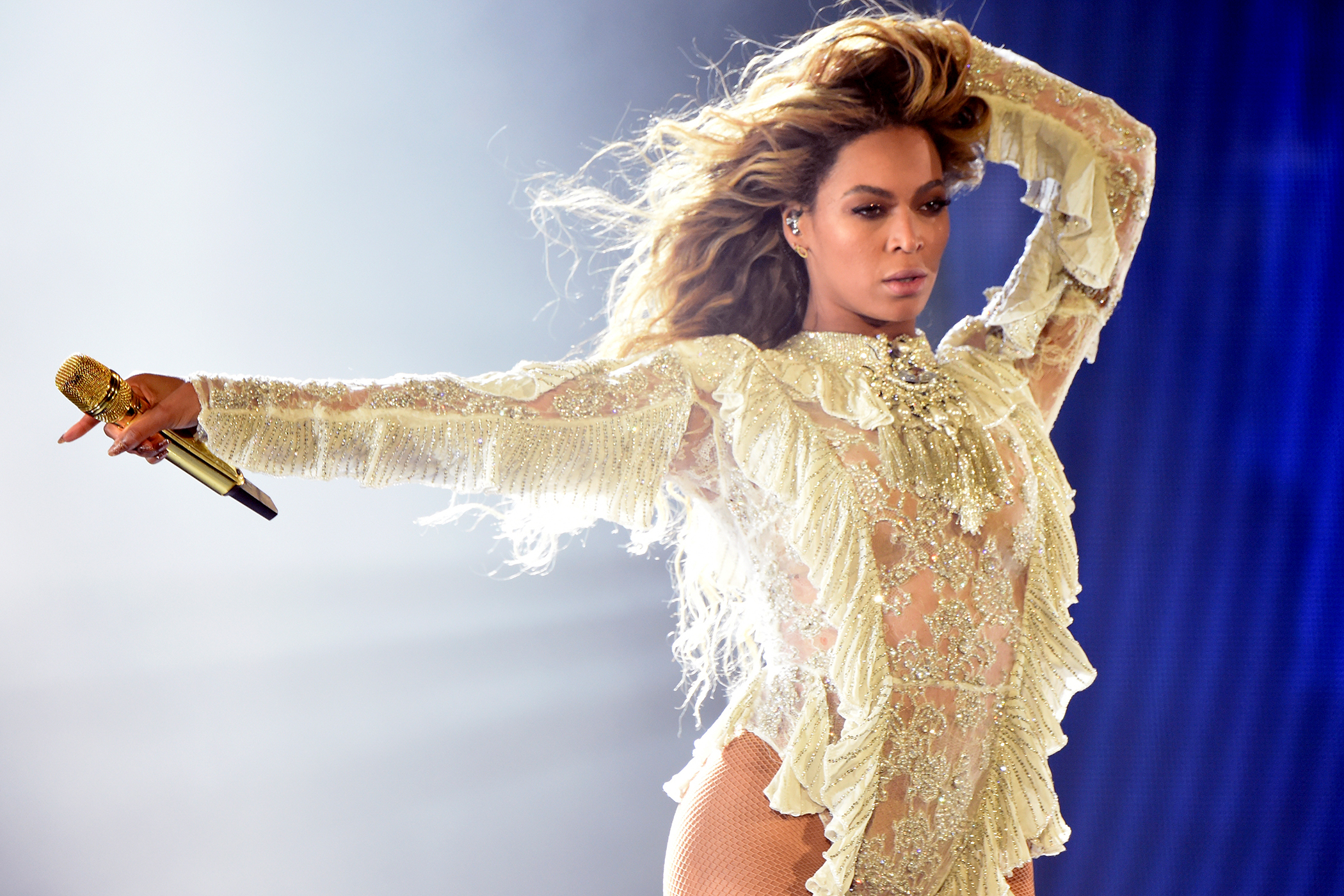
Lemonade (Beyoncé, 2016)
The singer’s sixth album could have been subtitled: Why My Sister Attacked My Husband in a Lift. Instead, she turned her marital woes into a broad and brilliant PhD on the generational causes of Black male infidelity – with digressions on feminism, racial inequity and southern pride. At once musically eclectic and instantly recognisable as a Beyoncé record, Lemonade marked the vast distance travelled by the former girl group singer, from pop star to thought leader. KE
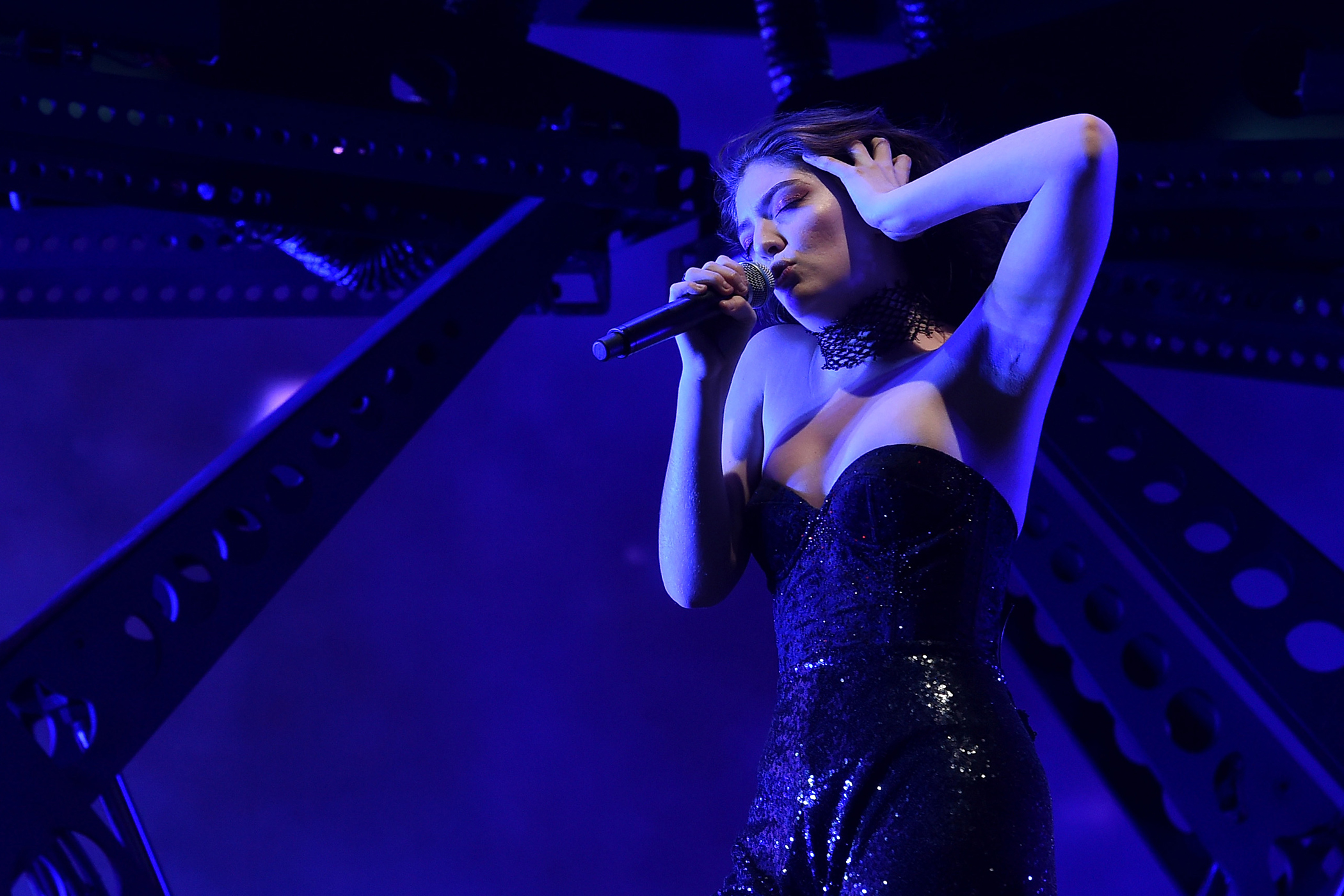
Melodrama (Lorde, 2017)
On her fluorescent second album, Lorde shone a neon light over the dark, hip-hop-influenced beats of her debut. Melodrama brought a kaleidoscopic range of electropop textures to the moody undertones of Pure Heroine, with deeply felt lyrics. Here are nine – or 11 if you count the reprises – bulletproof songs of heartache and hedonism, from Supercut’s nostalgic depiction of a relationship glimpsed in retrospect to Green Light’s thrillingly abrupt tonal shift from melancholy to euphoria. Hang it in the Louvre. AL
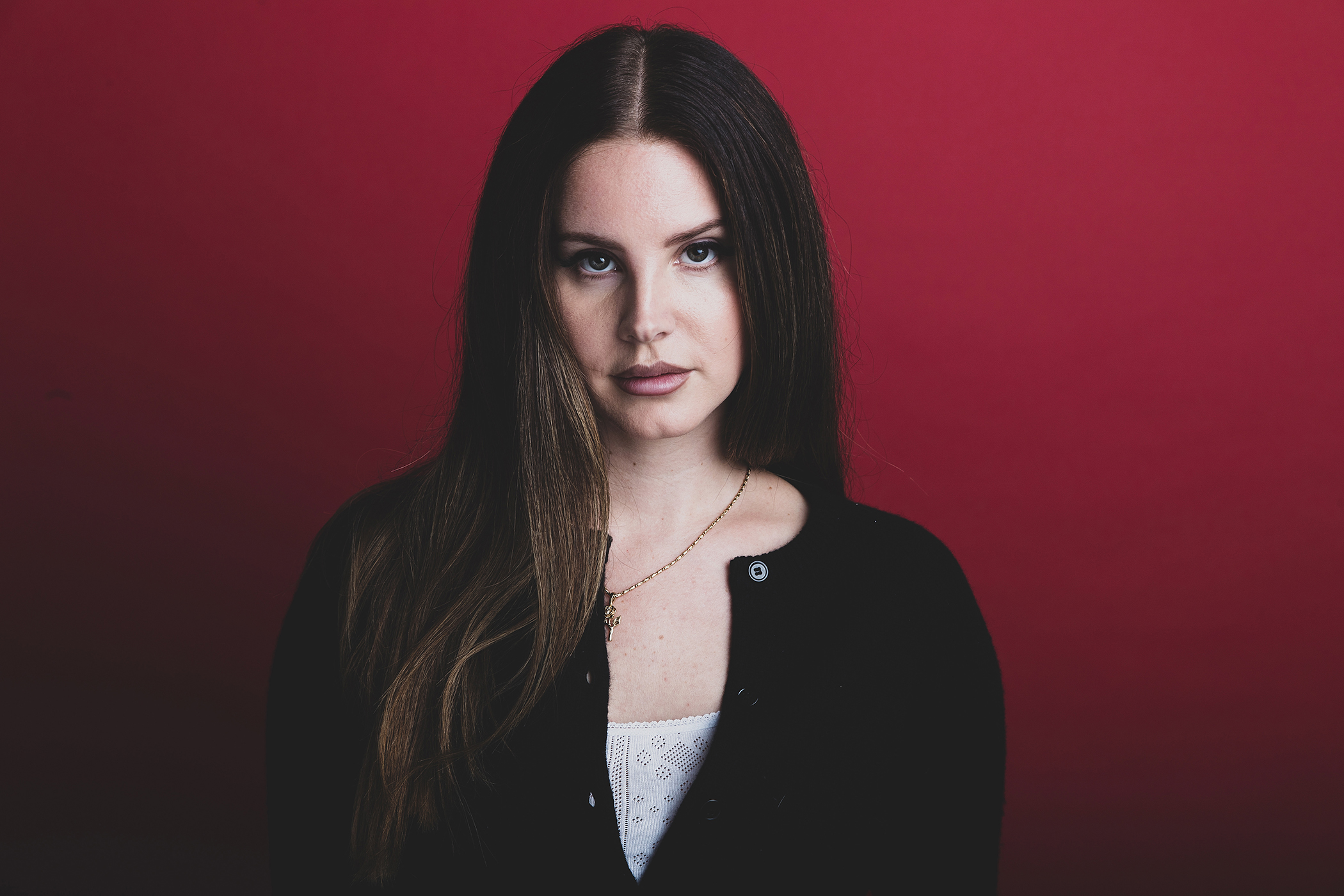
Norman Fucking Rockwell! (Lana Del Rey, 2019)
This is a slow-burning masterpiece that confirmed Del Rey as one of the greatest living American songwriters. Its opening line – “Goddamn, man-child” – contains both cinematic tension and wry self-awareness, framing the songwriter as an incisive narrator of emotional and cultural disillusionment. The album unfurls into a diary of heartache and national elegy, its sun-bleached, vintage rock-leaning production underscoring the singer’s most devastating insights on masculinity, abiding love and quiet longing. GE
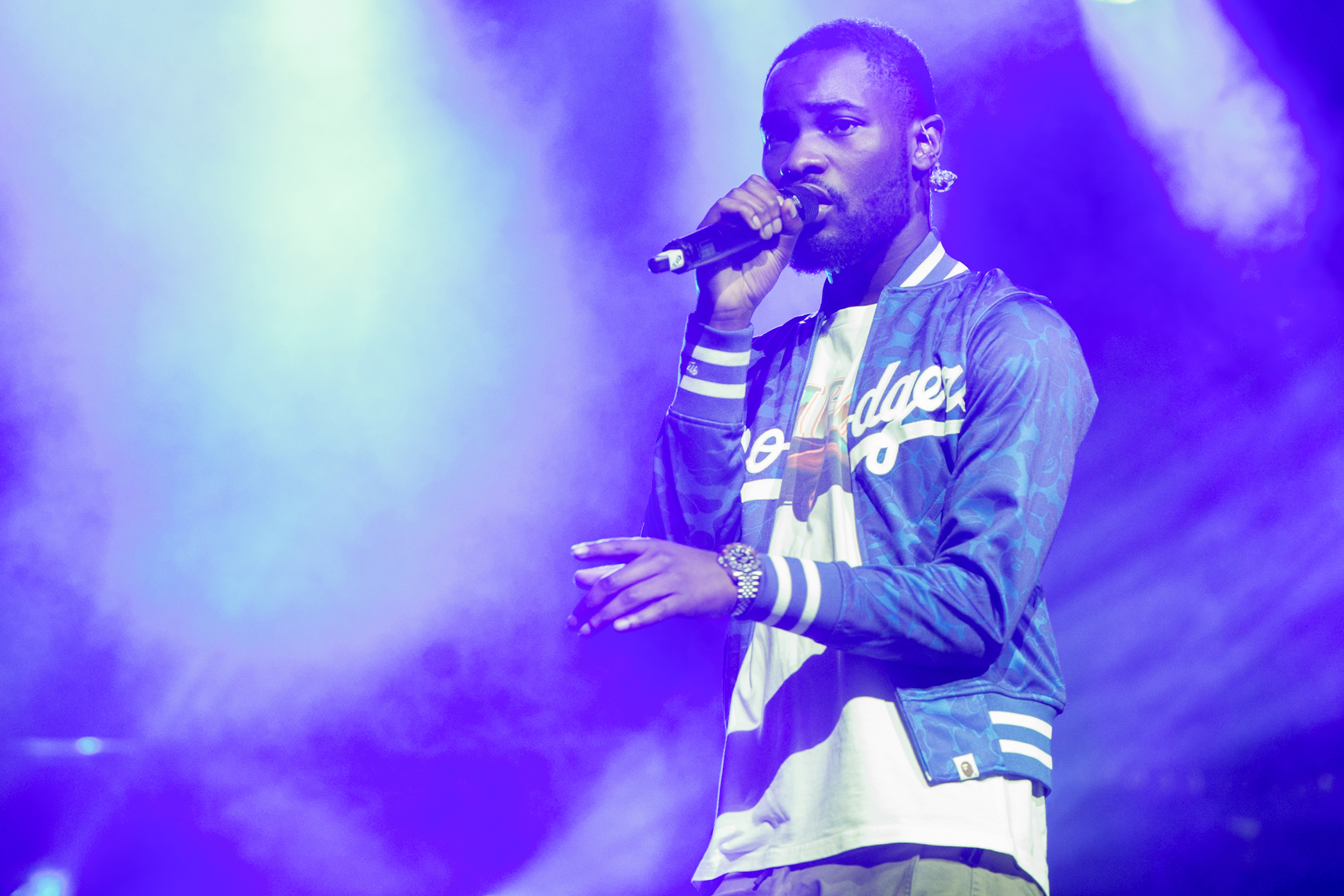
Psychodrama (Dave, 2019)
A critical and commercial smash, Dave’s debut album capitalised on the south London rapper’s white-hot lyrical reputation with a record that went hard and deep. Structured like an extended therapy session, Psychodrama detailed the repercussions of his elder brother’s incarceration, but also found room for feelgood party tracks such as Location, and the hard-hitting, state-of-the-nation address Black. Gifted with self-reflection, compassionate storytelling and nimble musicianship, Dave here cemented his status as an all-round generational talent. KE
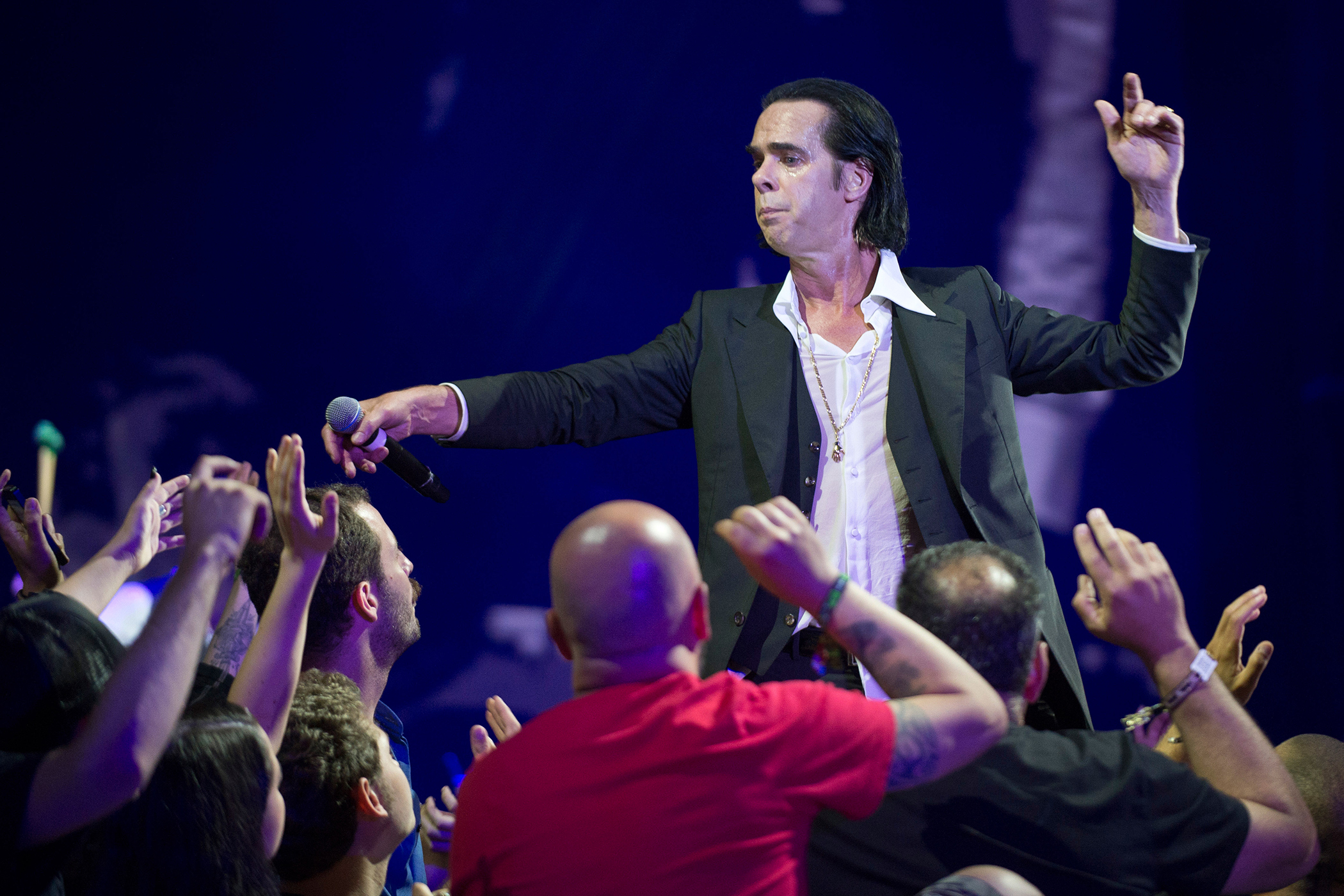
Ghosteen (Nick Cave, 2019)
In 2015, Nick Cave’s 15-year-old son died after falling from a cliff in Brighton. Four years later came this record: an unbearably beautiful meditation on loss. A modern hymn cycle – sparely scored with piano, strings and ambient washes of synth, and with Cave’s singing voice at its most vulnerable – the album combines mythic, biblical imagery with poignant moments of domesticity. It’s unlike anything else in his back catalogue – or anyone else’s. TG
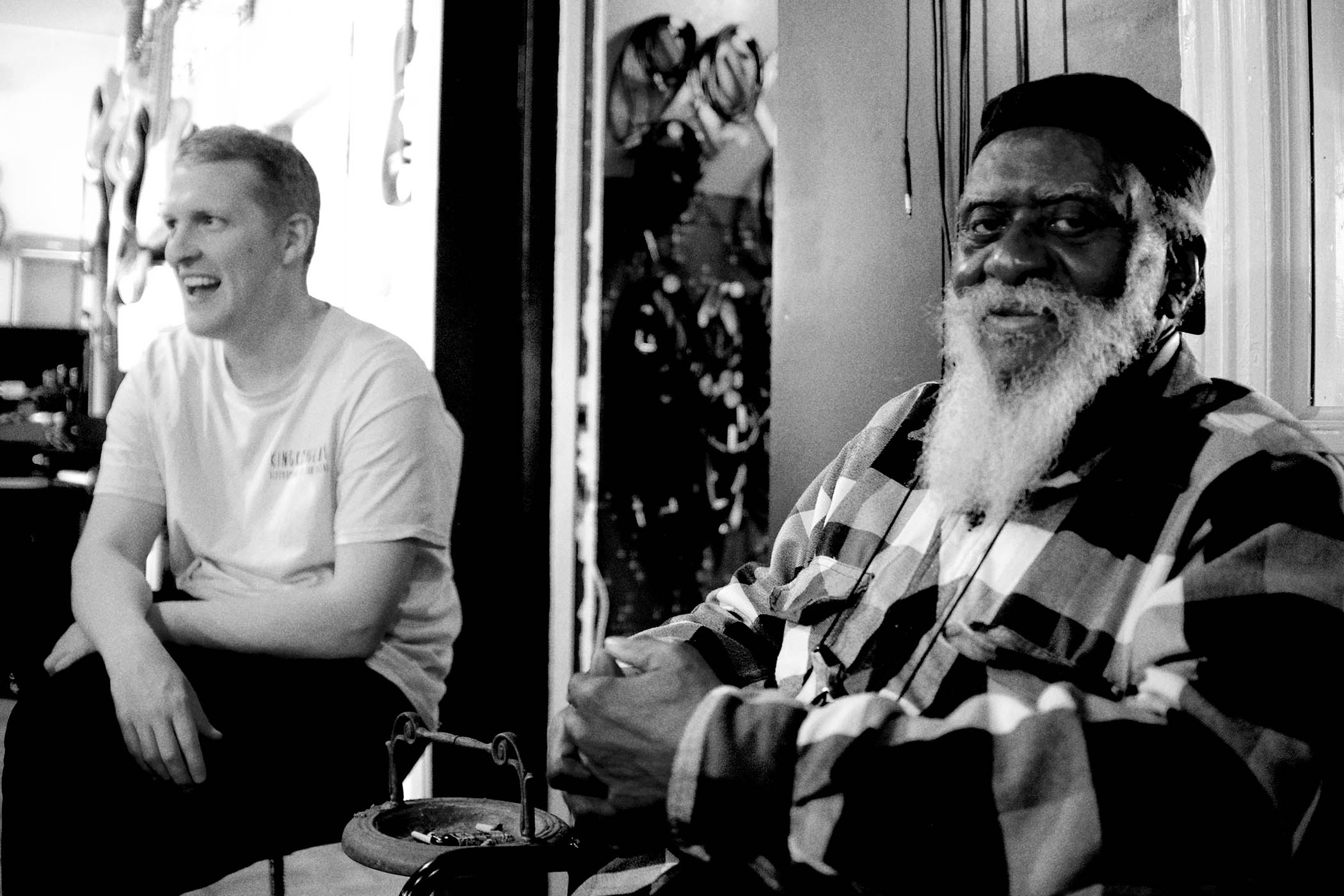
Promises (Floating Points, Pharoah Sanders and the London Symphony Orchestra, 2021)
The cosmic seven-note motif that opens this album, repeated throughout, is soon joined by the mellifluous saxophone of the avant garde jazz great Pharoah Sanders, whose improvisations take the piece on a voyage into the unknown. Producer and neuroscientist Sam Shepherd, AKA Floating Points, spent five years making this beguiling composition, combining vintage synthesisers with Sanders’s accompaniment and orchestral flourishes to conjure thoughts of celestial exploration. A totally singular record. LH
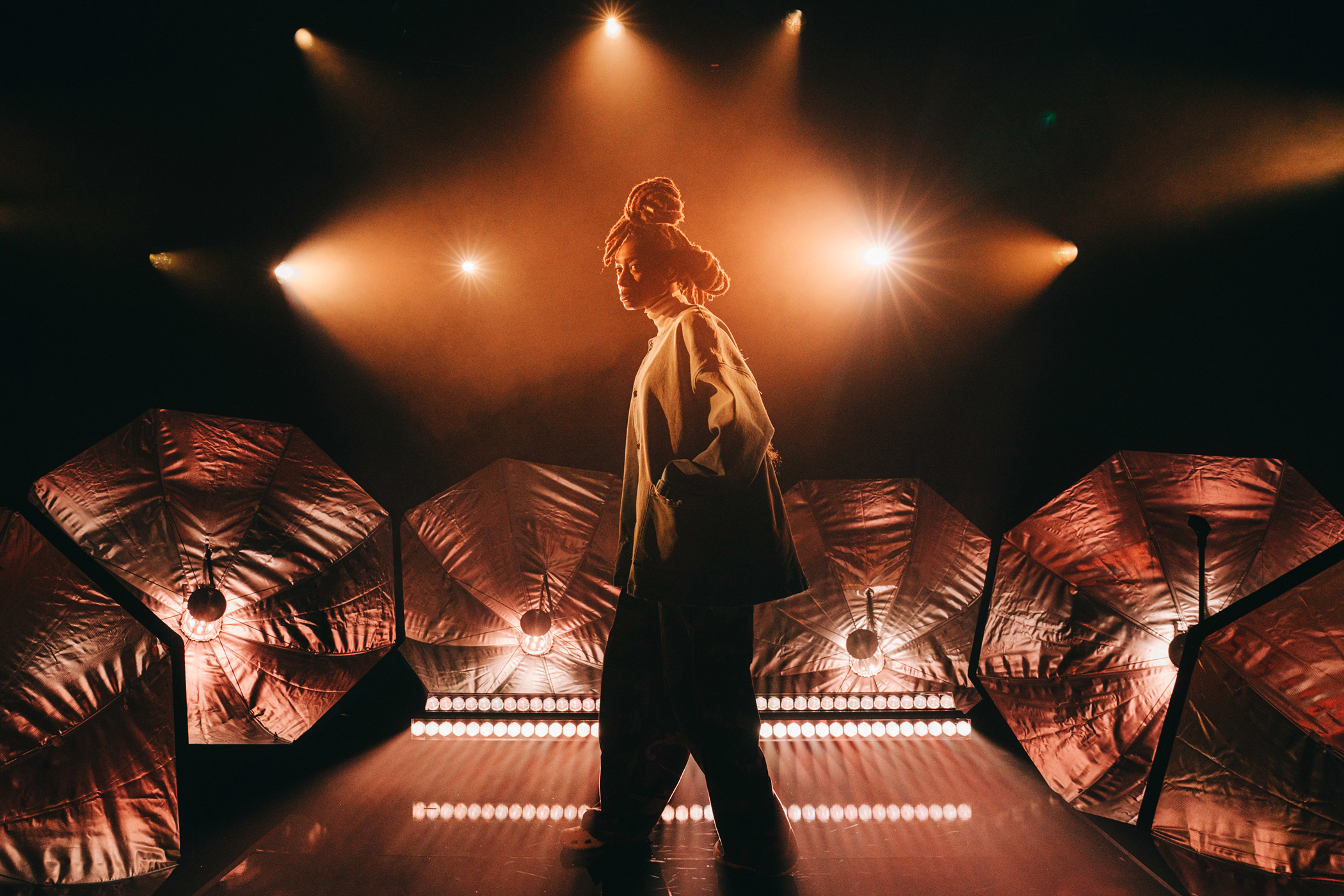
Sometimes I Might Be Introvert (Little Simz, 2021)
There is a paradox at the heart of Little Simz’s Mercury prize-winning magnum opus: the London rapper offers a torrent of wordplay, only to declare: “Total silence is my therapy.” Although this is an artist who finds strength from within, the music here – with revelatory production from Inflo – is cinematic, bombastic and supremely confident. Simbi Ajikawo might have made her name with her earlier album Grey Area, but here she is cast in glorious technicolour. LH
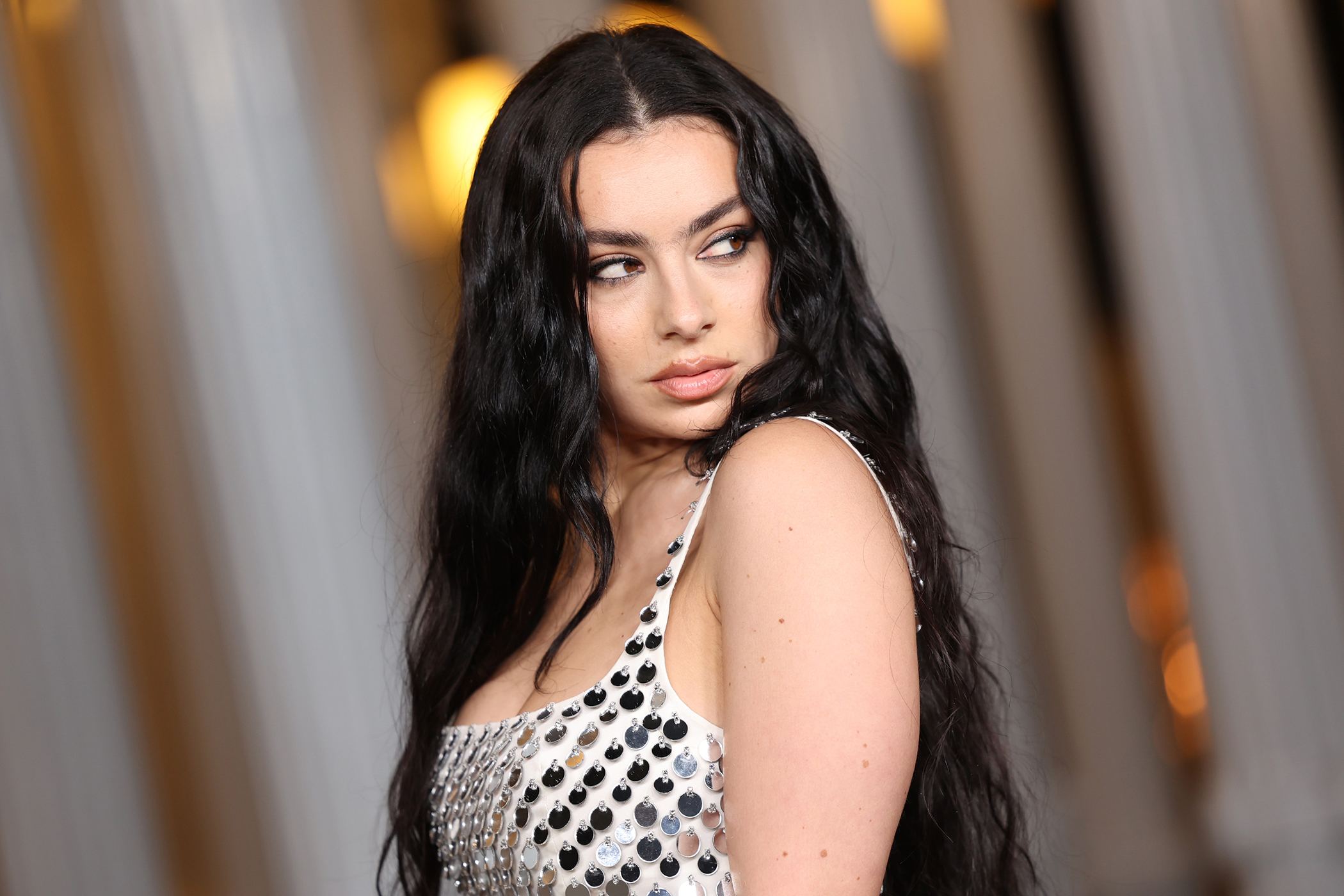
Brat (Charli XCX, 2024)
In an age of infinite choice and short attention spans, it is rare that a record can dominate the cultural conversation, but Charli XCX’s sixth album stepped defiantly into its centre. This superlative LP was a total takeover, proving the singer to be a pop iconoclast perpetually one step ahead. Lime green will never look the same again. LW
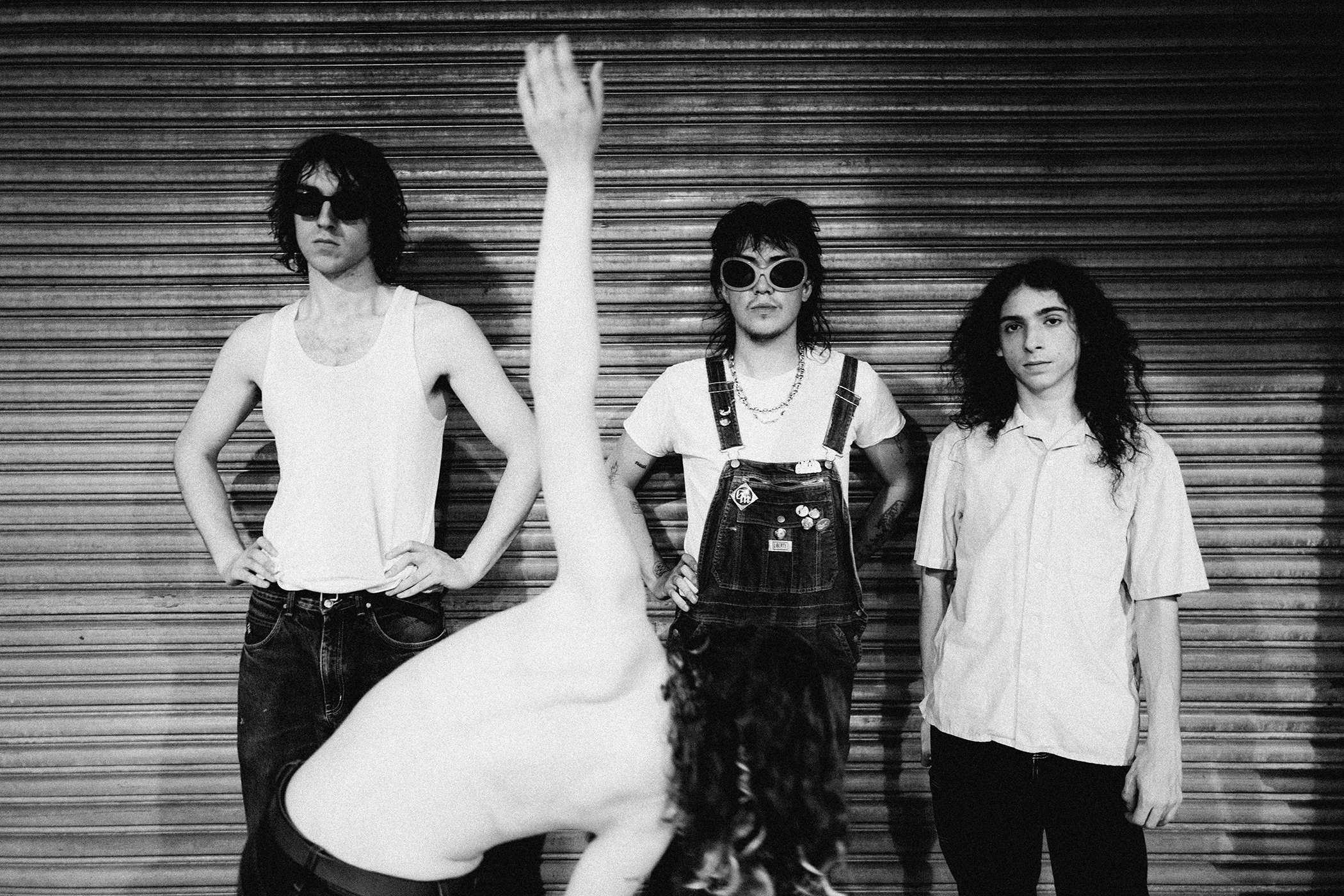
Getting Killed (Geese, 2025)
Rock bands – and albums, for that matter – are supposed to be long dead in an era of short-form, algorithm-friendly content. Yet one of the most exciting outings of recent memory comes courtesy of four unkempt Brooklyn musicians, levelling up their noisier, more idiosyncratic instincts. Singer Cameron Winter’s 2024 debut solo LP, Heavy Metal, ignited further excitement for his main outlet, whose sprawling jams come studded with handbrake turns, quotable lyrics and passion to burn. KE
Which of these albums do you think is the best of the century so far? Vote on your personal top three here – and tell us what we missed
Photographs by Redferns, Getty Images, WireImage, Rob Watkins, Nicolas Landemard