Related articles:

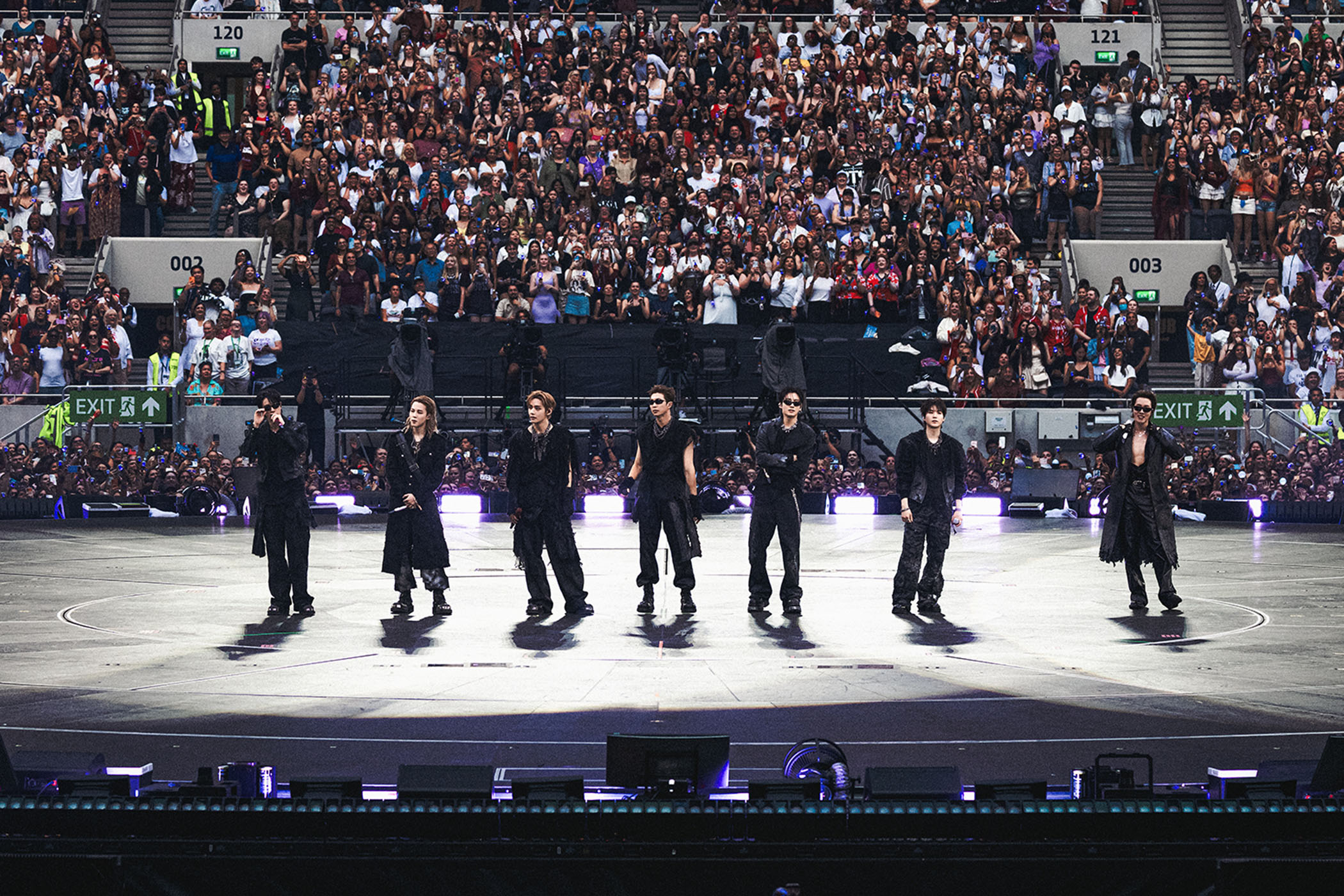
It was supposed to be all about Manchester. But despite the Brit awards travelling north for the first time in nearly 50 years, artists from London dominated on the night, taking home 10 of the 18 available awards between them.
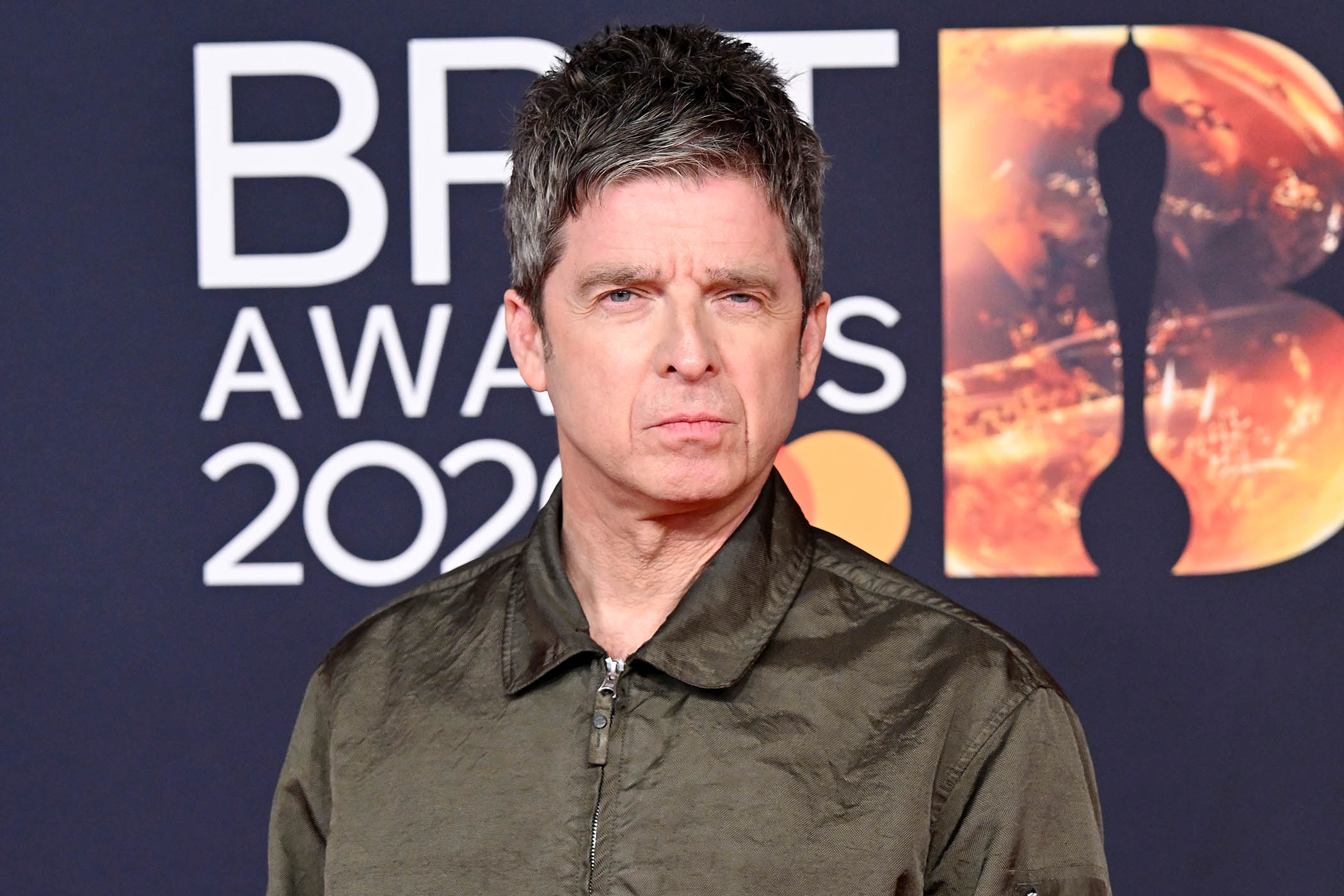
The only homegrown winner was Noel Gallagher, who won best songwriter. Yet even he wasn’t offered a pure moment of glory. Robbie Williams, who closed the show and was given the honour of awarding the first award of the evening to Olivia Dean and Sam Fender, had enjoyed himself in the run-up to the ceremony, vandalising Gallagher’s triumph by plastering posters around Manchester mocking the Oasis star. They featured a quote from a review of his latest album praising its “sing-along choruses to make Noel Gallagher question whether he ever needs to bother writing another song”.
There was no sign of Hannah Spencer, newly elected MP for Gorton and Denton, but Manchester Mayor Andy Burnham was spotted sitting next to culture minister Lisa Nandy.
The awards opened with a raucous, high-production performance by Harry Styles of his new single Aperture, surrounded by dancers and with a full live band, ahead of the release this week of his fourth studio album, Kiss All the Time. Disco, Occasional.
But really the night belonged to Olivia Dean, who swept the floor with the awards and performed her chart topping single Man I Need – while waving to students from her Alma mater, the Brit school, who are given the privilege of attending the ceremony each year.
The event was held at Co-Op Live arena – the first time the awards haven’t been held at London’s O2 arena since 2011 – and hosted for the sixth time by comedian Jack Whitehall, who joked that Styles’ performance was the “musical equivalent on sitting on the washing machine for a couple of minutes.”
The north Londoner Olivia Dean was the standout of the night, sweeping the floor on the back of her chart-topping second album The Art of Loving, heading home with statuettes for album of the year, artist of the year and best pop act.
The 26-year-old singer-songwriter also picked up best song of the year, one of the two awards decided by public vote, for her feature on Sam Fender’s Rein Me In. North Shields-born Fender, who picked up the Brit for best alternative/rock act to add to his 2025 Mercury prize win, was one of the few other winners from outside the capital.
Related articles:
The event was held at Co-Op Live arena – the first time the awards haven’t been held at London’s O2 arena since 2011. It was opened by Harry Styles ahead of the release this week of his fourth studio album, Kiss All the Time. Disco, Occasionally.
In 2020 Styles invested £365m in the Co-op Live arena, and although he was raised in Holmes Chapel in Cheshire, he has often referred to Manchester as his “home” in the north.
Newsletters
Choose the newsletters you want to receive
View more
For information about how The Observer protects your data, read our Privacy Policy
When it was announced last summer that Manchester would be the new home of the Brits for the 2026 and 2027 awards, Jo Twist, CEO of the British Phonographic Institute (BPI), said it was in recognition of the city’s “exceptional musical heritage and its status as a powerhouse of British creativity”.
In her acceptance speech for Group of the Year, Ellie Rowsell, lead singer of the band Wolf Alice, criticised the increasing closure of independent music venues across the UK, but ended by saying “big up Manchester”.
In the build-up to the main event at the Co-Op Live, music charity Brighter Sound put on a series of Fringe events across Manchester, including a showcase at New Century Hall.
“Manchester is finally getting the light it deserves,” Meduulla, a jazz-inspired hip-hop artist who was invited to perform, said. “There’s so much talent going on here, so it’s nice to feel like we’re breaking through to the wider UK scene.”
Yelena Yashimba, vocalist and producer for Manchester-based rock rap trio Third Kulture, said: the Brits is “an amazing opportunity, because the infrastructure in this city is severely lacking.
“A lot of the music industry is concentrated in London, so it’s a bit of an echo chamber. To have the Brits here means we get to cross paths with people who actually have access to the opportunities and the resources we need to grow,” she said.
Photograph by Gareth Cattermole/Getty Images