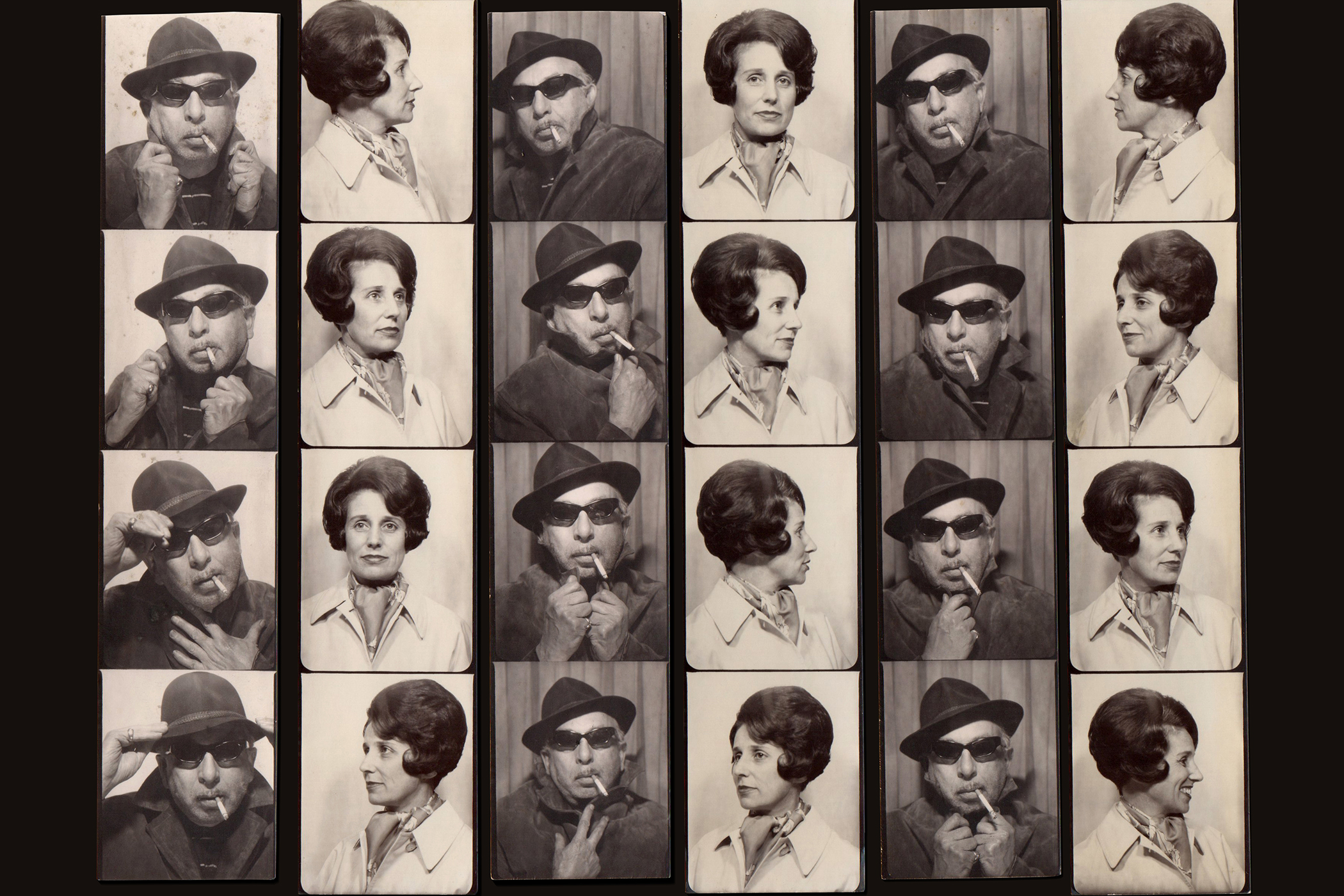

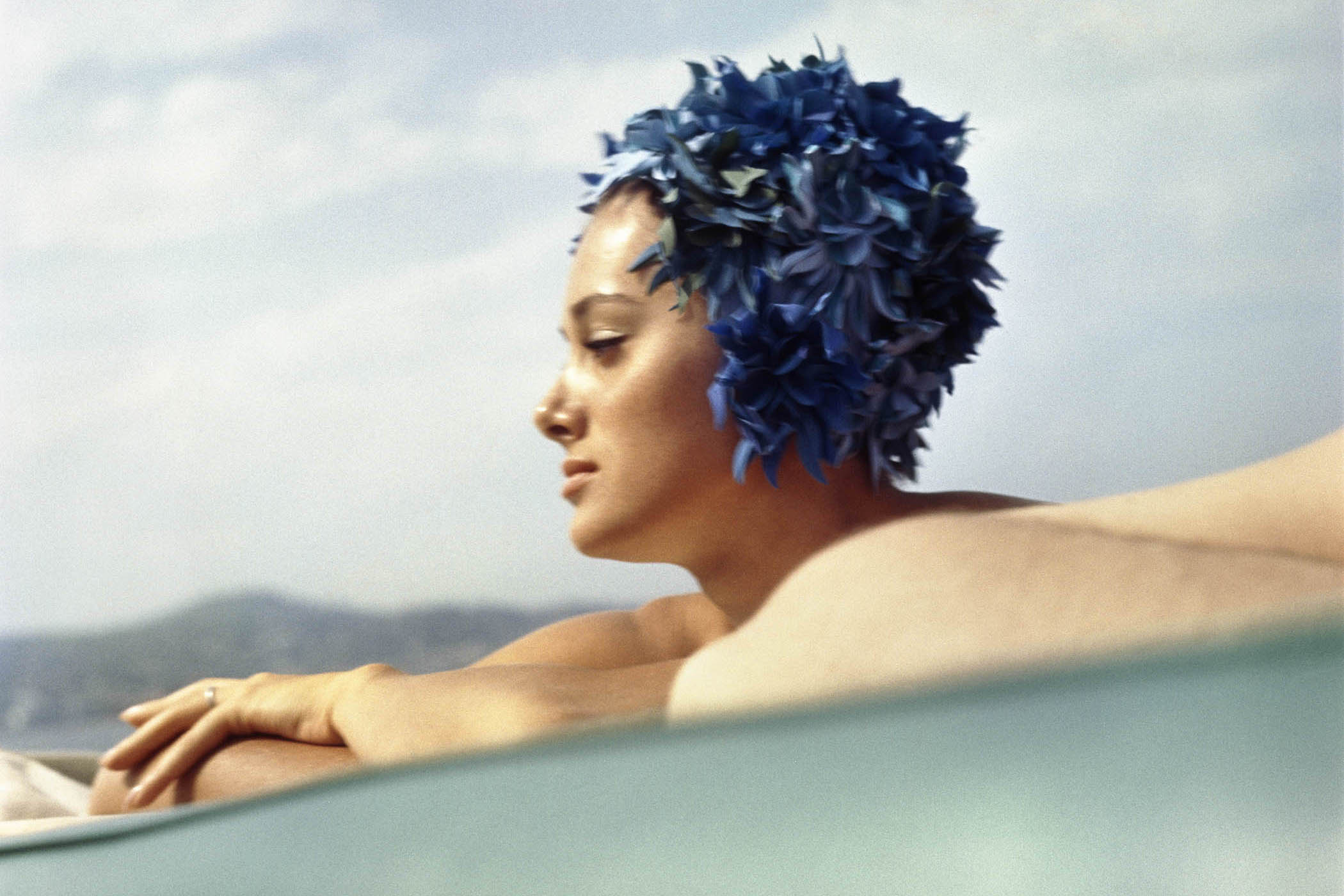
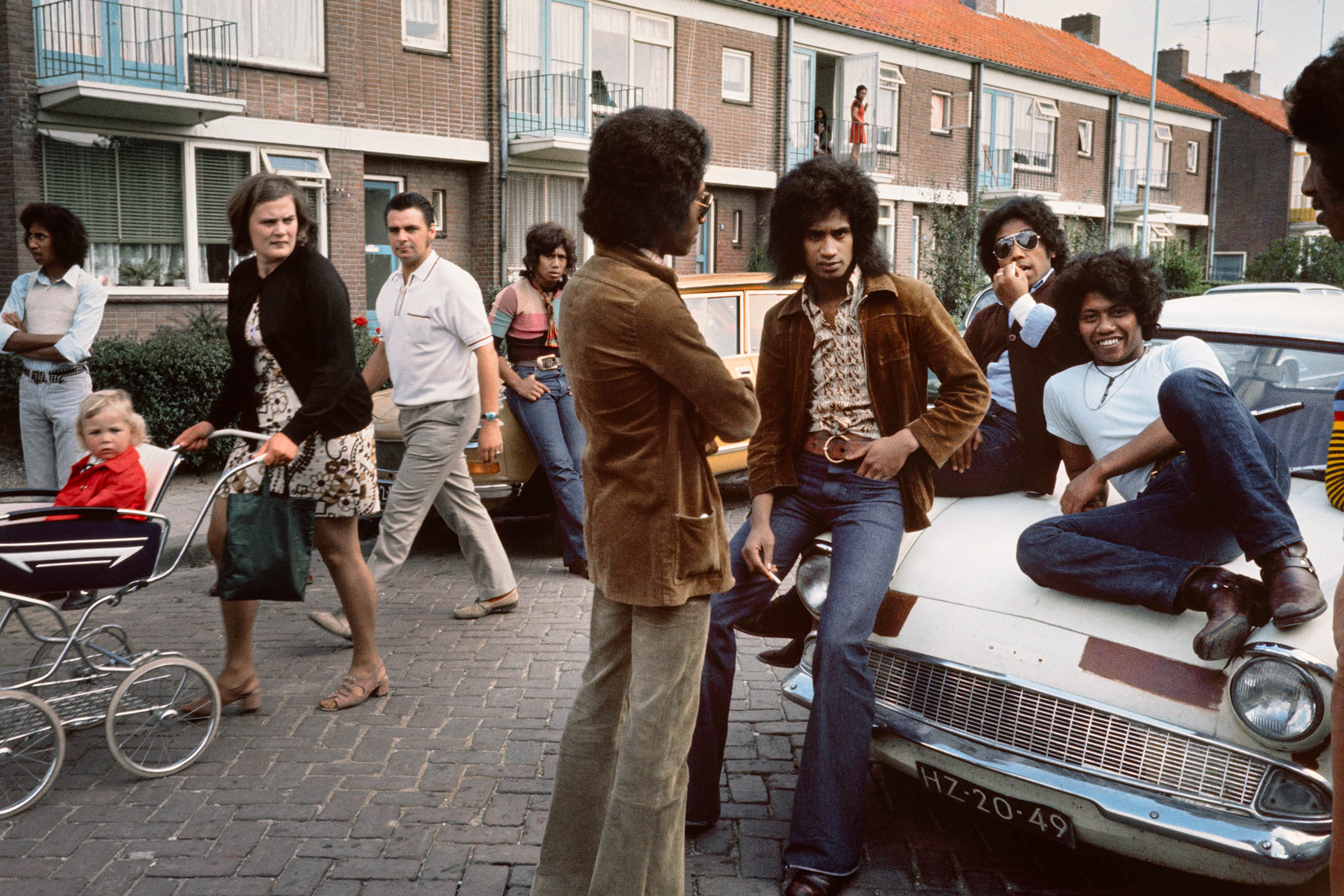
Before the arrival of the first photo booth in New York in 1925, the only reason anyone would sit in a small box behind a curtain would be to open their soul to a priest. Russian immigrant Anatol Josepho’s invention offered New Yorkers, who immediately queued around the block with their dimes, a different kind of confessional: you could shut yourself off from the noise and clamour of Broadway for a few seconds, and let a machine see you for who you really were.
Josepho’s magic boxes quickly colonised corners of train stations, dive bars, Woolworths stores and post offices across the world. There was a utility about them – the photo booth made standardised passport photos (no smiling for strangers!) a possibility – but from the beginning, true to those theatreland origins, the space behind the curtain became a stage for self-expression. Individuals could share secrets with the neutral eye of the camera that they would never expose to the world.
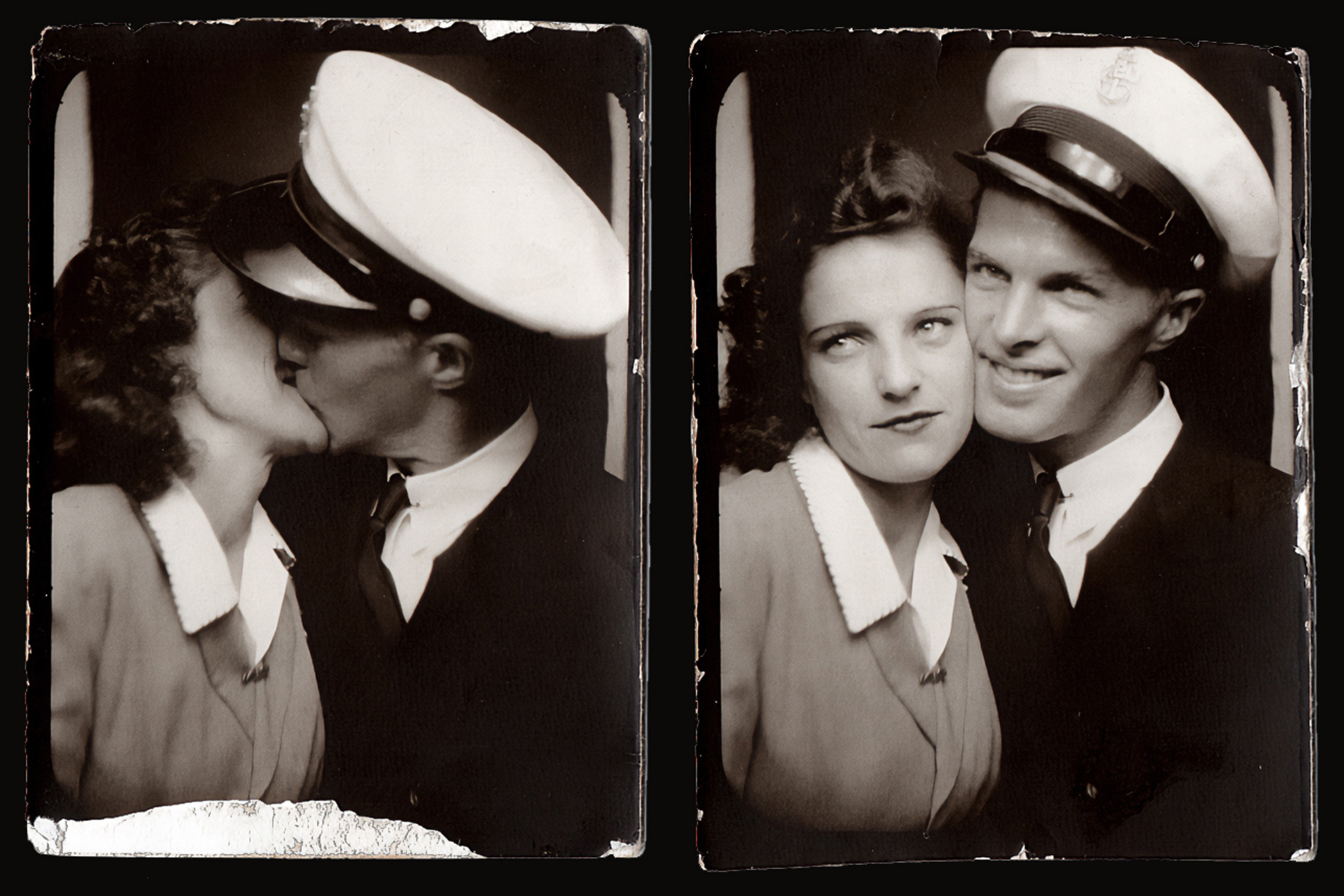
Postwar lovebirds fill the frame
As the booths were designed for one, there was always a slight transgressive intimacy about filling the frame as a couple. First dates could check out how they looked together. Departing soldiers could capture a last few seconds of closeness. Gay partners found a small public space to celebrate relationships that had to be conducted in private. And there was never a colour bar in a photo booth.
For all of these reasons, as the pictures on these pages from an ongoing exhibition at the Photographers’ gallery in London show, booth photos offer a unique kind of social history – a record of discreet moments free from inhibition. The exhibition marks a century of Josepho’s invention and it comes at a moment when photo booths, which seemed to have been erased from towns and cities, eclipsed by the iPhone and the selfie stick, are making something of a comeback.
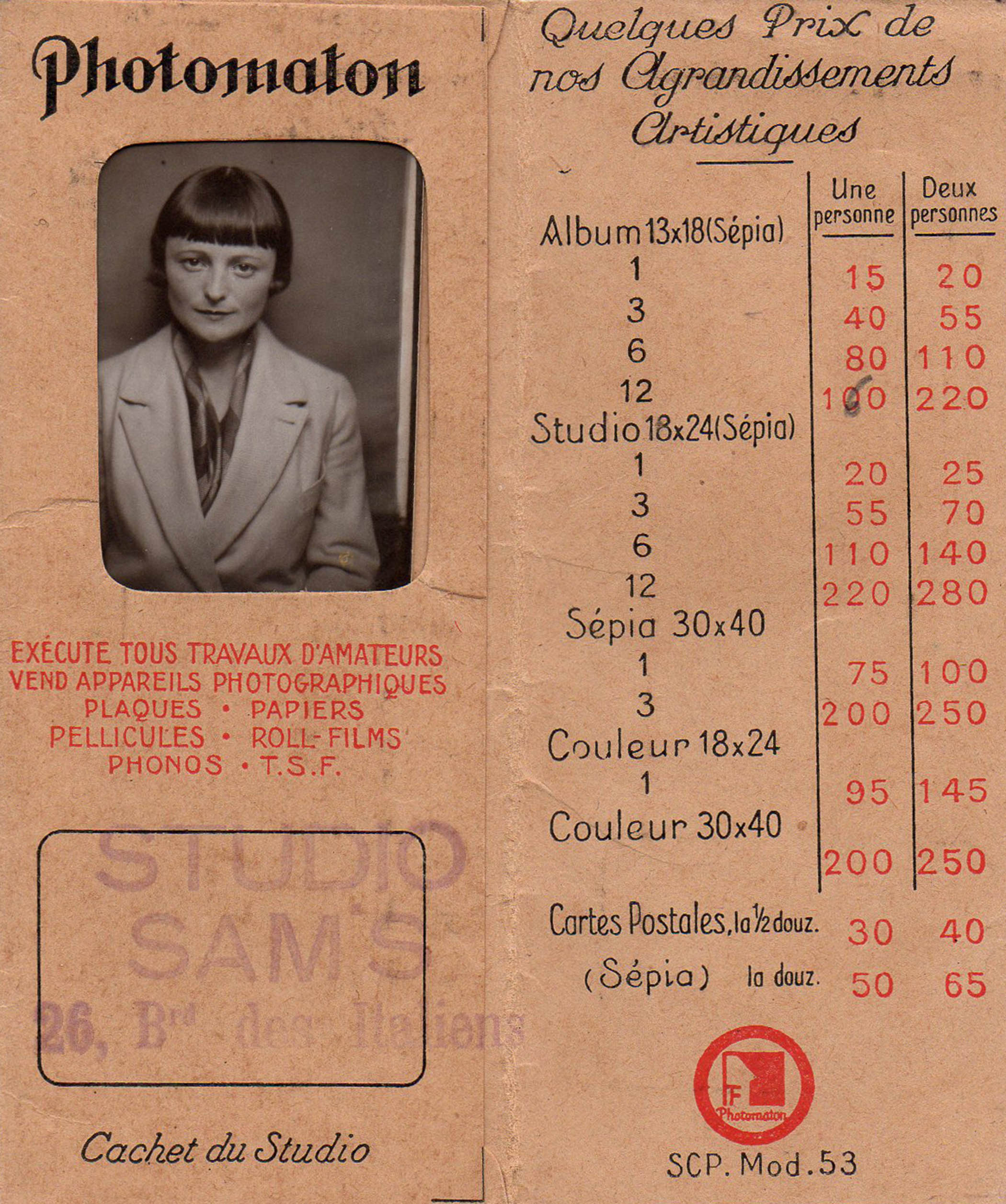
Photo booth pictures had a utilitarian purpose...
Helped by a preservation movement – you can find maps of the spread of photo booths across continents – a new generation has discovered the special mechanical magic of booths: the rotating stool for height adjustment, the countdown for getting your expression in order, the four-fold opportunity to come up with a winning grin, and the moments of expectation before the pictures are delivered. As with many mechanical inventions, what seemed obsolete again seems alive – photo booths on street corners once again encouraging a night-time queue. There is a retro appeal to the resulting pictures, but also an indelible quality; as Andy Warhol, the master of the cool vocabulary of photo booth images, observed: “The best thing about a picture is that it never changes even though the people in it do.”
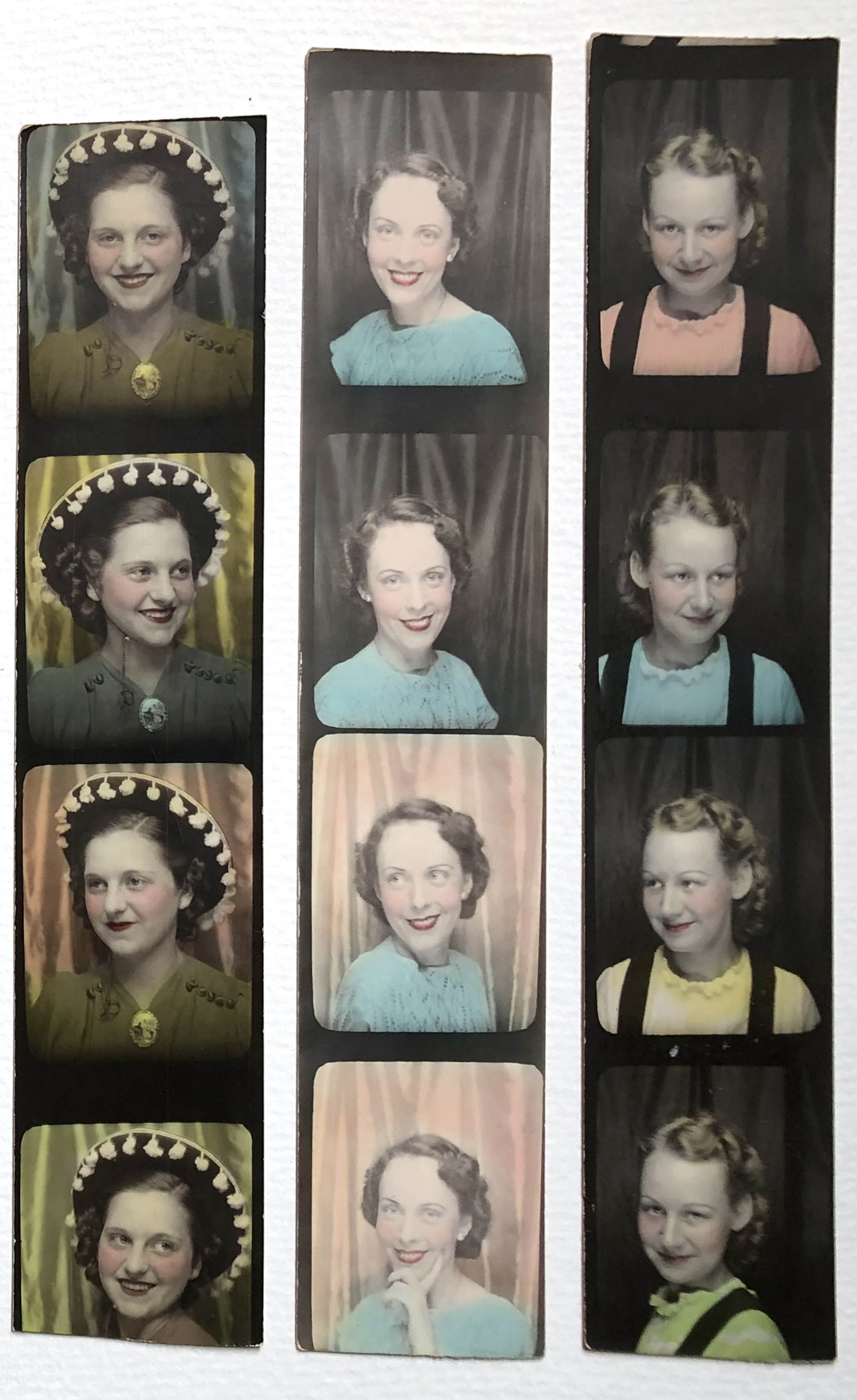
... but they were often a stage for fun
Endless digital reels of portraits have blurred that distinction. In a world of vapid control – the other day, I watched a young couple set up a tripod and some lights to capture a spontaneous cuddle on a bench over the course of 20 minutes – the photo booth retains the appeal of surrender: no lights, no alternative angles, no retouching. As with a slot machine, you pay your money and you take your chances.
Strike a Pose! A Hundred Years of the Photo Booth is at the Photographers’ gallery until 22 February. The exhibition is part of a year-long programme of centenary celebrations, in partnership with Autofoto.
Photographs courtesy of Raynal Pellicer