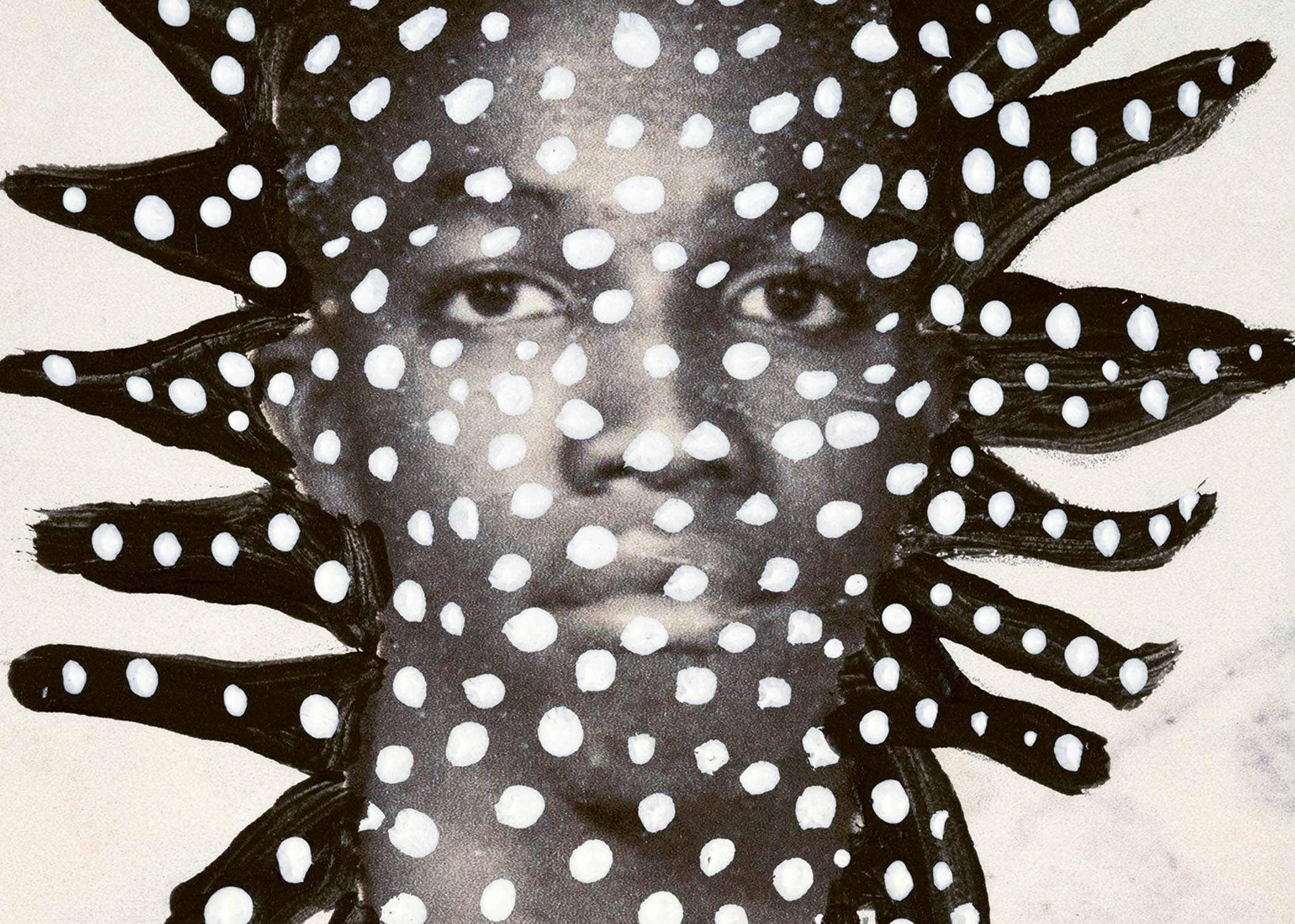


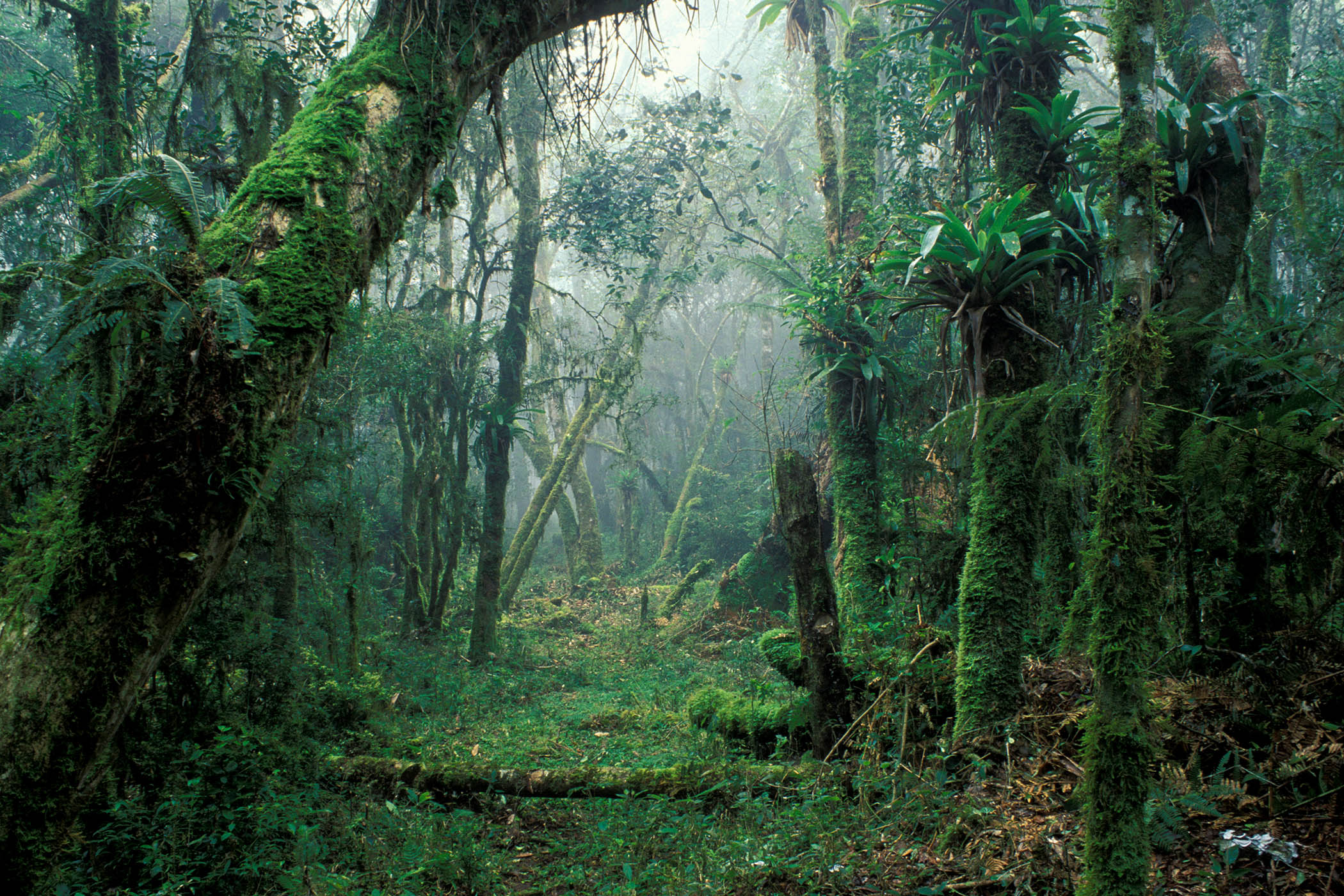
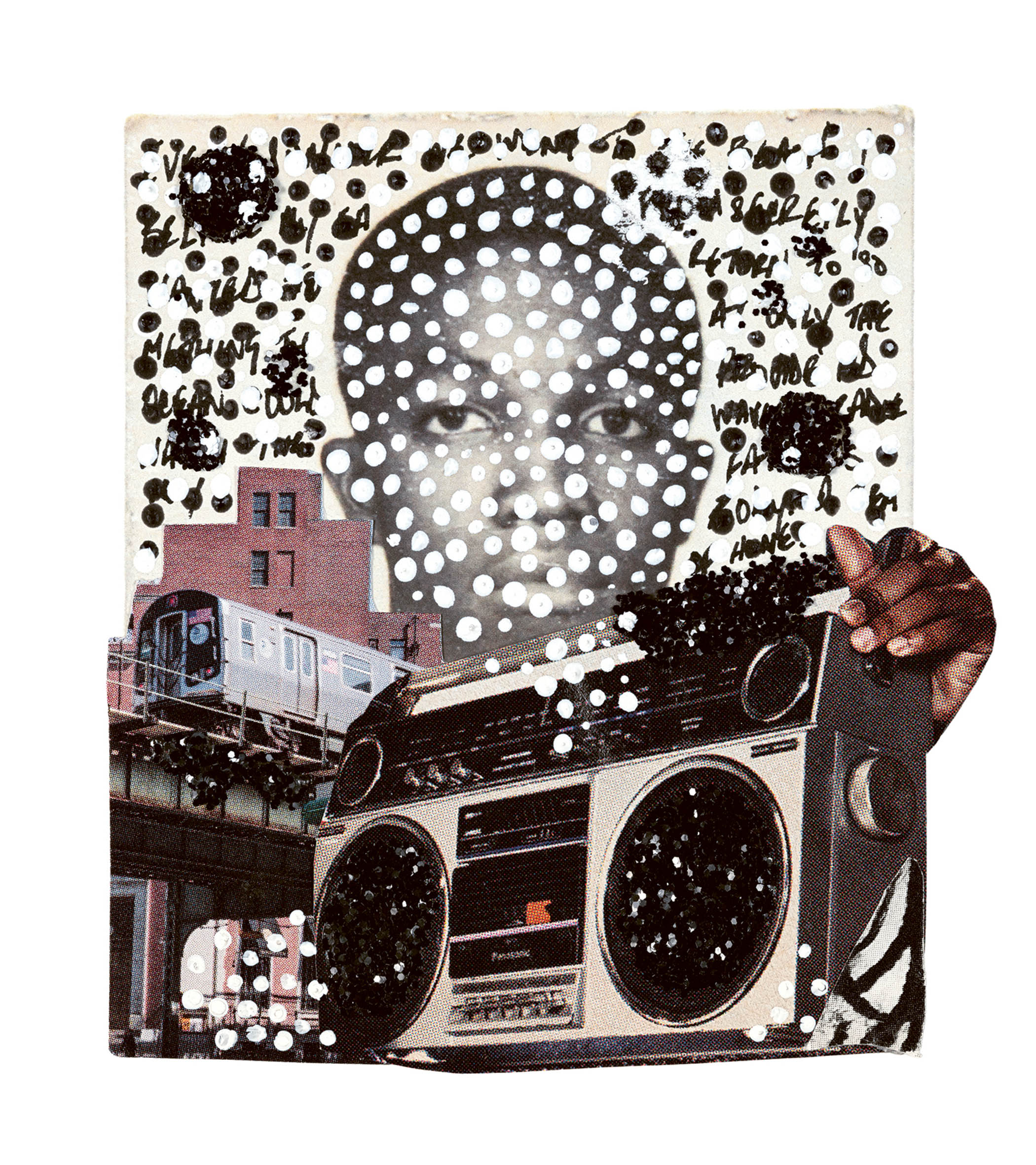
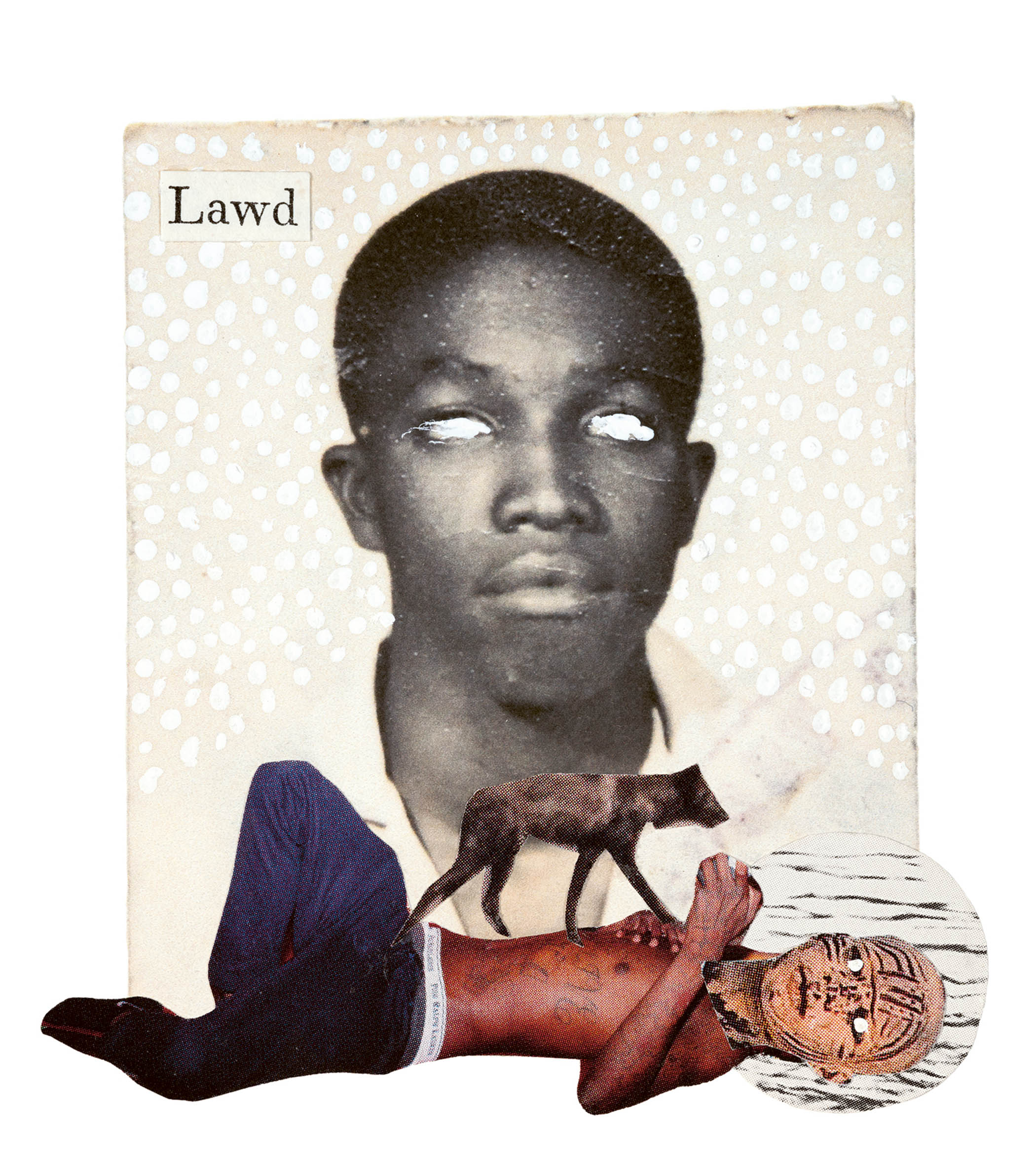
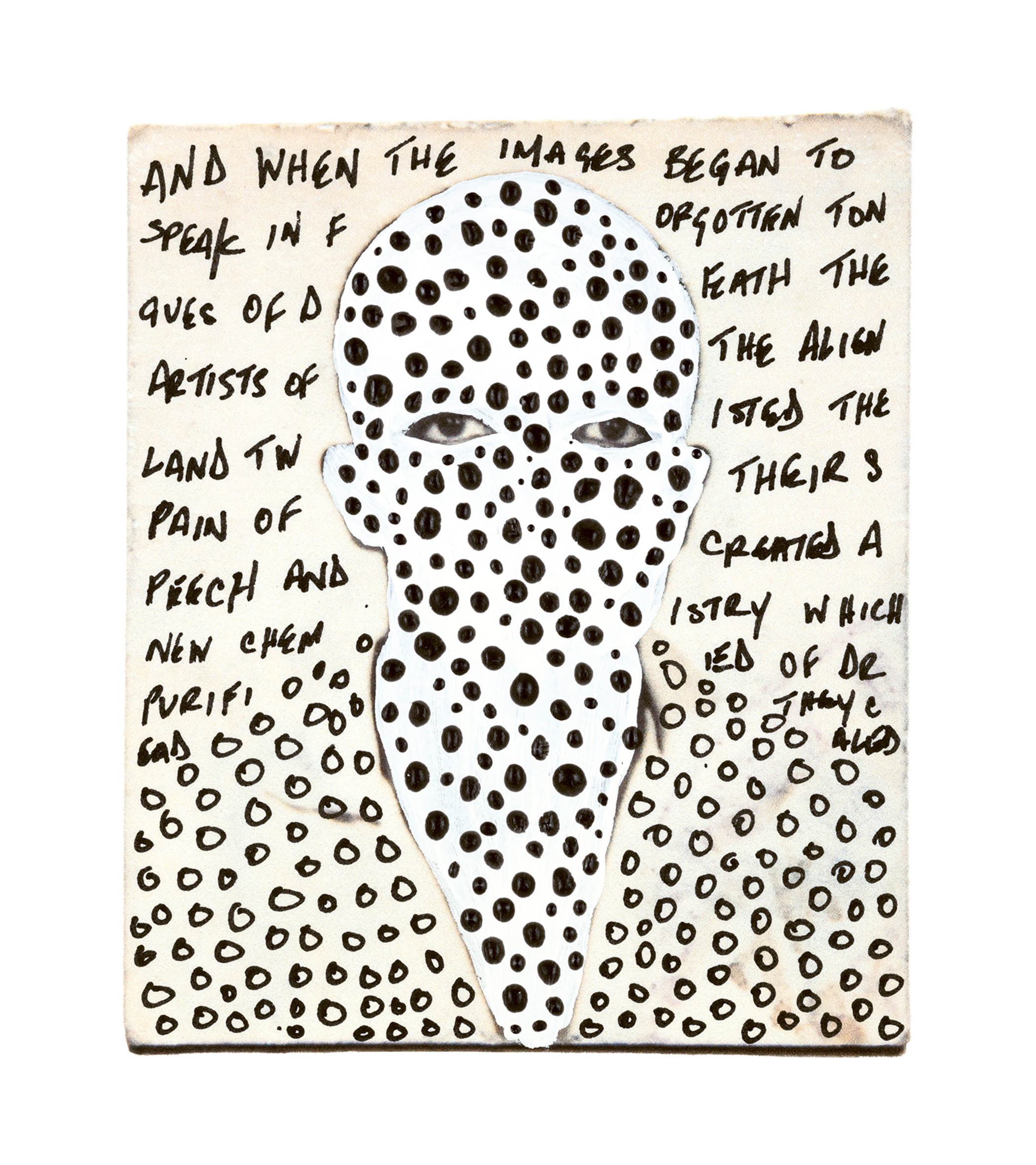
“What does it mean to claim a land as one’s identity?” is the central question guiding Passports, the stunning iterative project from Brooklyn photographer Keisha Scarville. Now released as a book, the series finds Scarville revisiting her father’s first ever passport photo, a black and white portrait taken for his 1967 immigration to the US from Guyana.
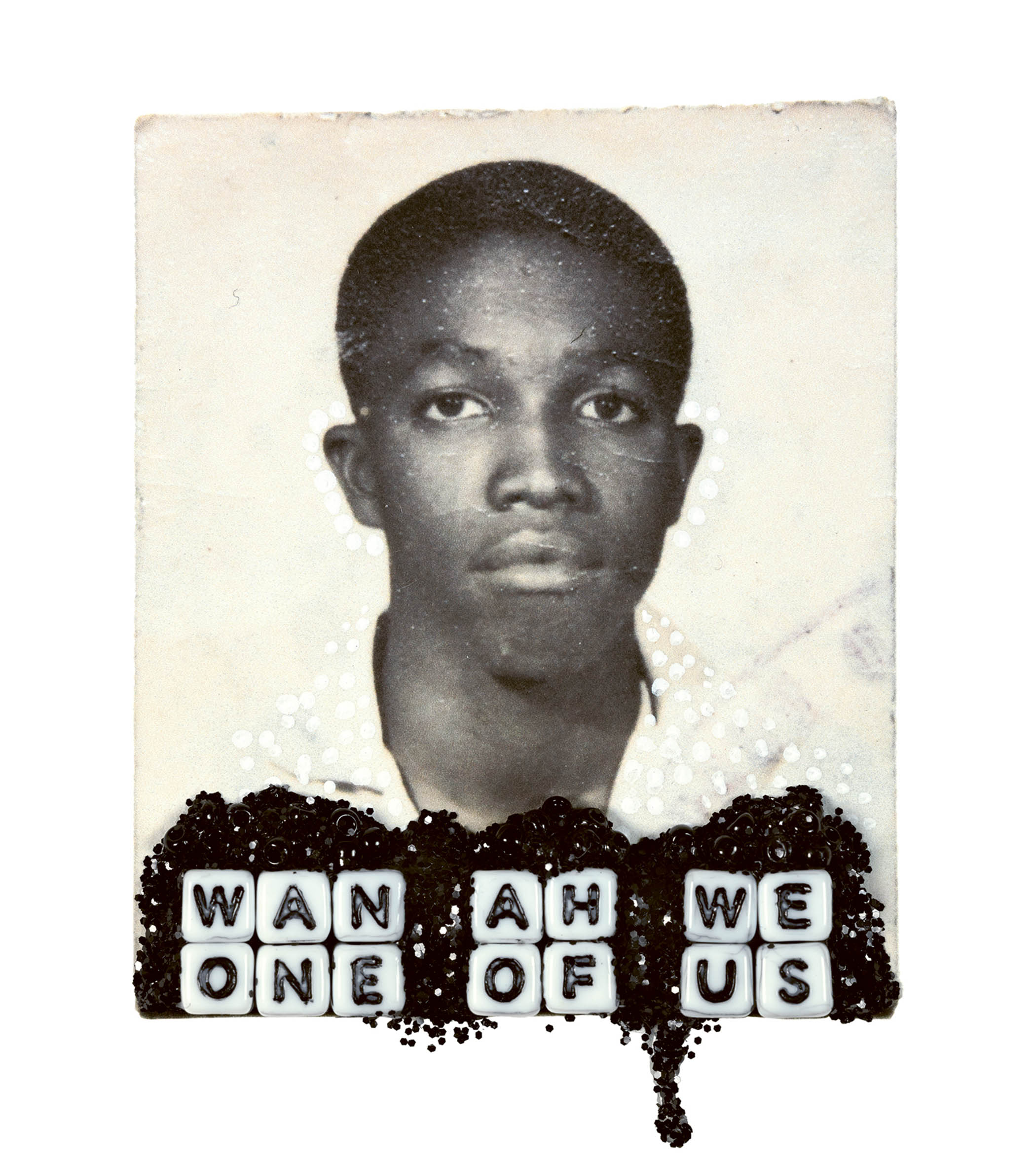
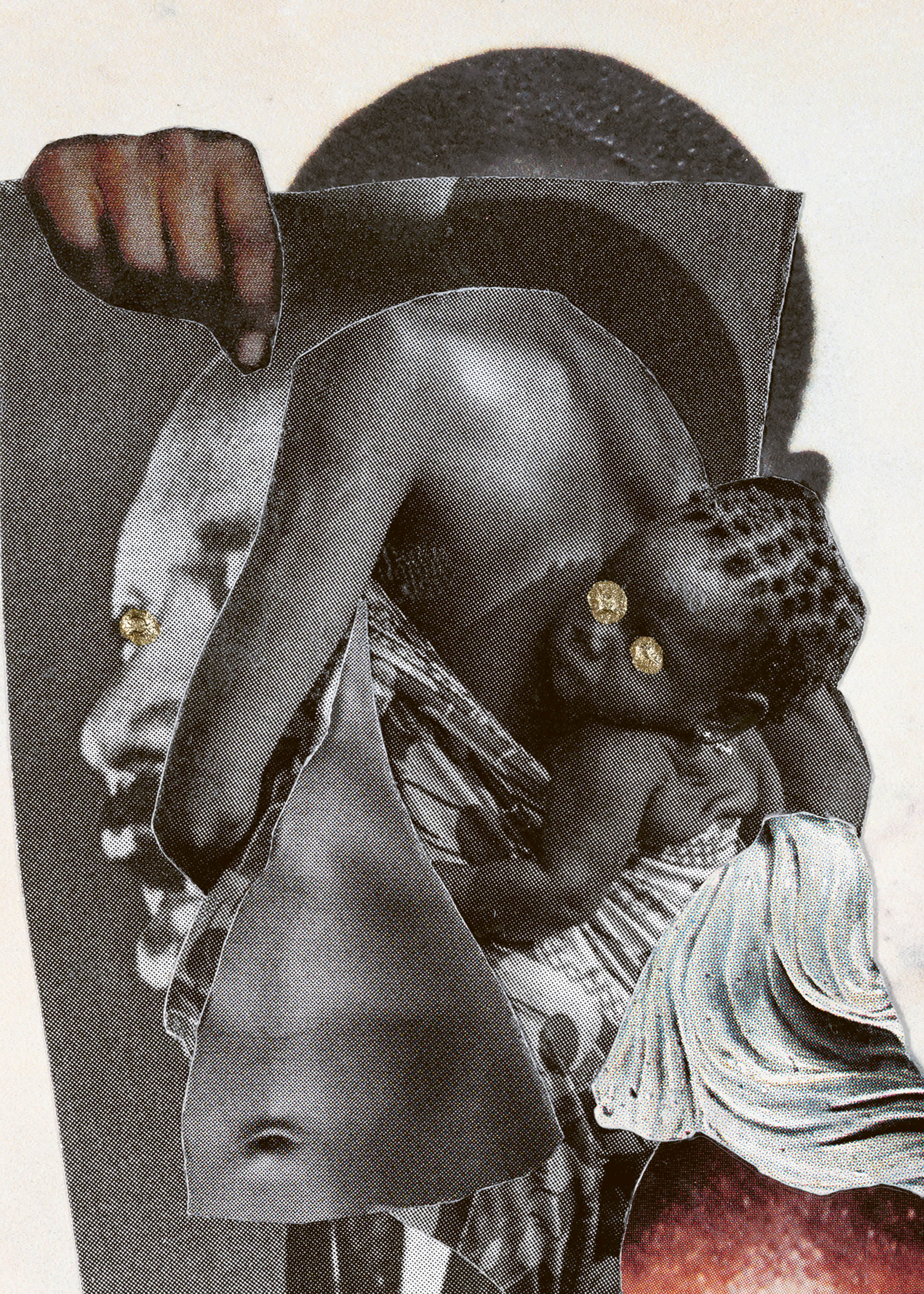
“For me, my dad’s passport photo is significant in that it shows how personal archives can hold histories of migration, identity, belonging, memory, and the emotional weight of inheritance,” Scarville explains. In practice, that means interrogating the purported neutrality of a bureaucratic image and reimagining what it might represent, embellishing it over and over again through mediums such as paint, collage, gold leaf, beads and glitter.
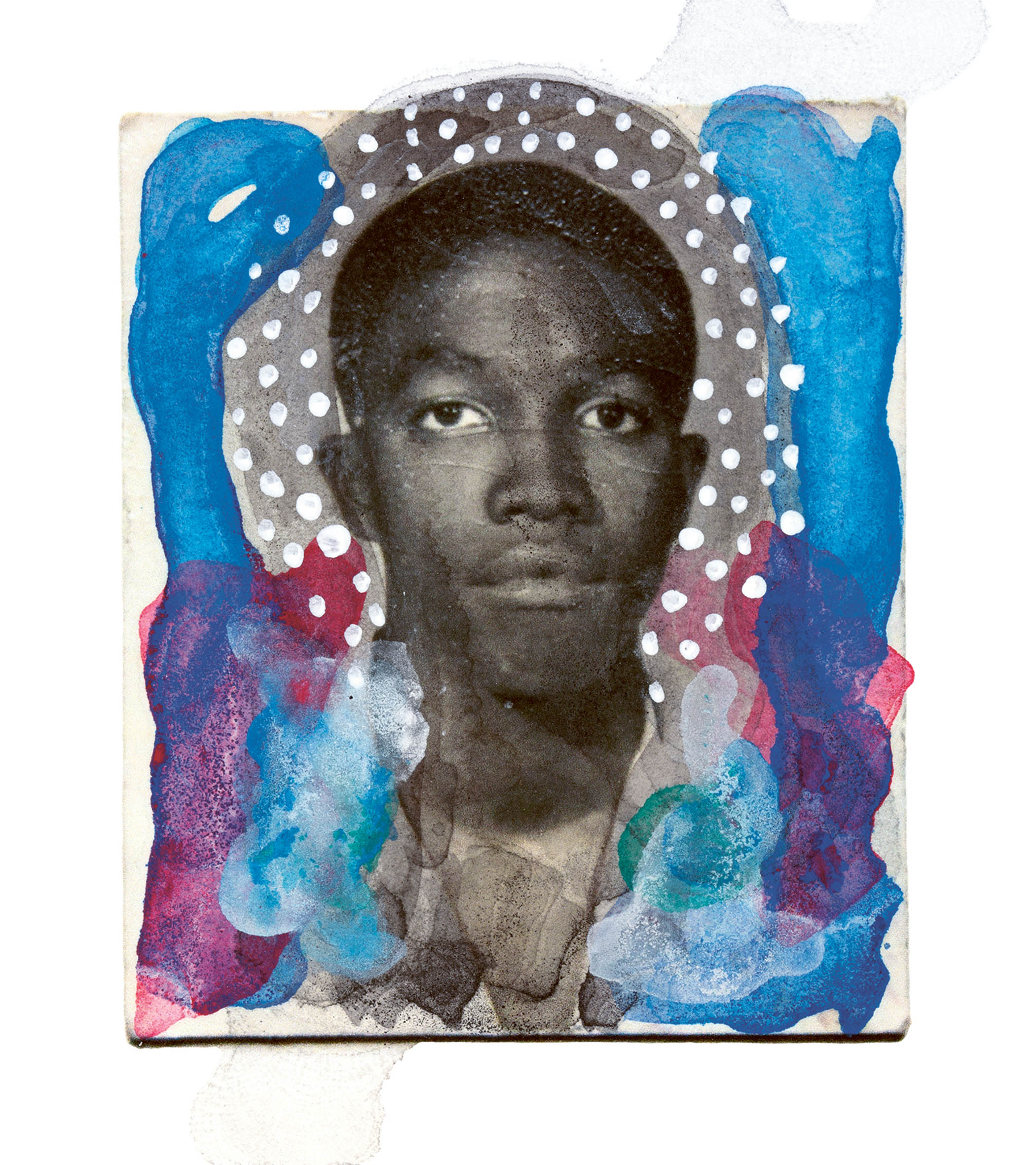
Hence we find her father’s passport photo placed in the nostalgia of a Guyanese landscape, or else buried in collages comprising fragments of Black figures such as Martin Luther King, even drenched in heady watercolour or peering out beneath polka dots. “I wanted to understand his experience while exploring how the passport photo functions as an emblem of territorial subjecthood,” says Scarville.
It’s a bold excavation, tacitly asking questions about personhood, diasporas and how much we can ever really know about our loved ones. The project is ongoing, Scarville adds: “The repeated ritual of returning to this image has become a means of understanding my father during a period of his life that would otherwise remain inaccessible to me. My engagement with the image remains defined by deep curiosity and profound tenderness.”
Newsletters
Choose the newsletters you want to receive
View more
For information about how The Observer protects your data, read our Privacy Policy