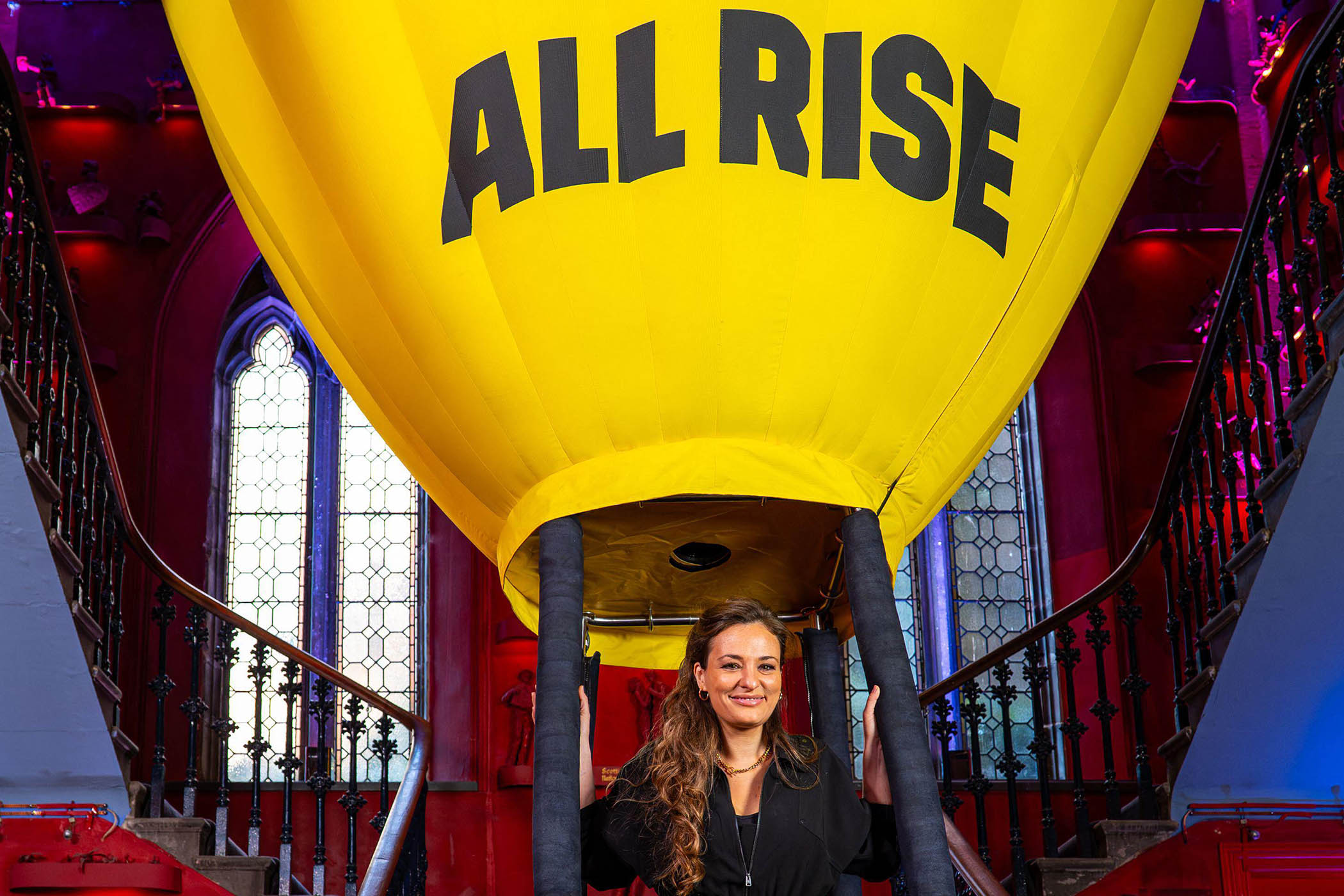
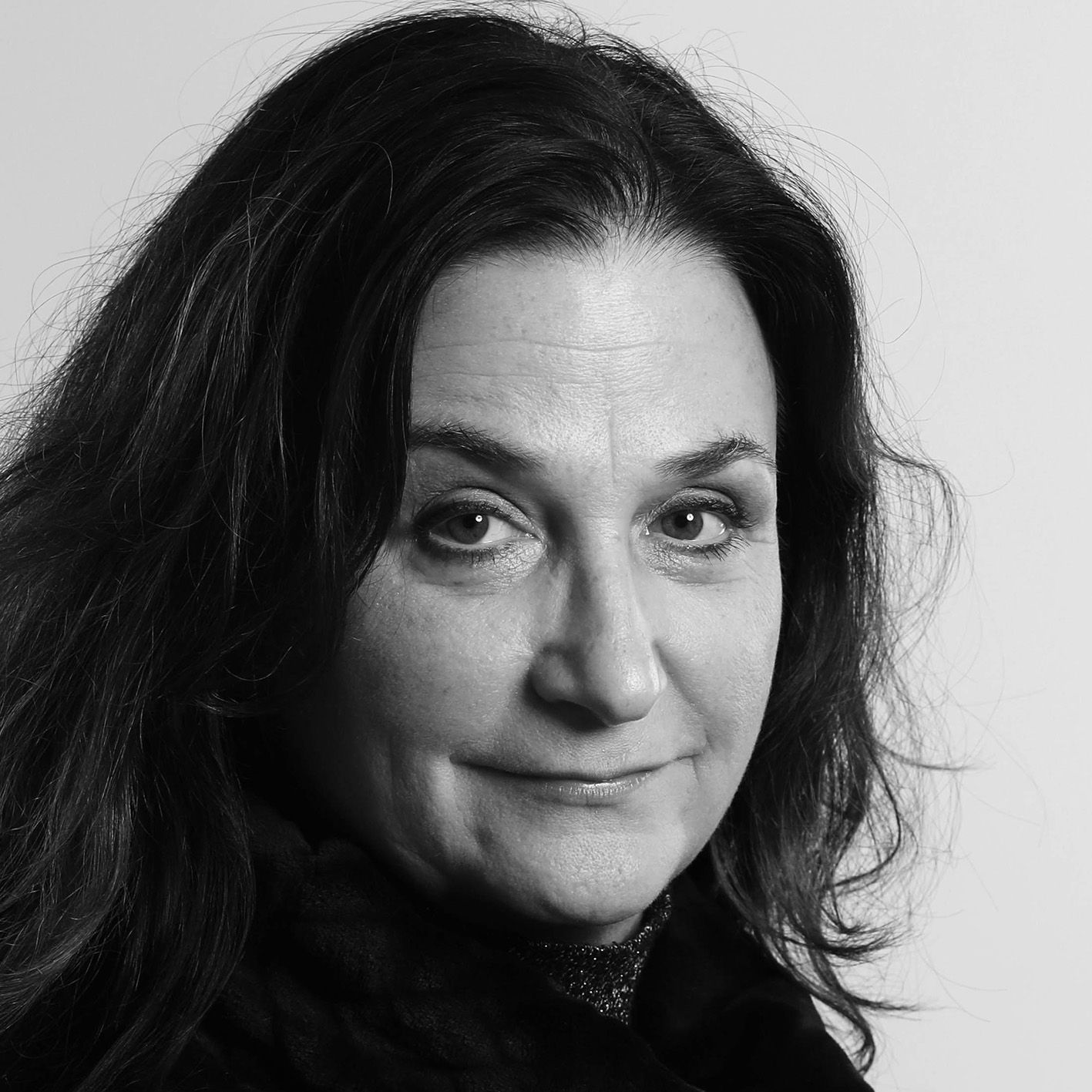
Nicola Benedetti, director of the Edinburgh International Festival, is a supremely disciplined and rigorous thinker – and braced for battle. “I am not fearful of protest,” the virtuoso violinist assured me this week after announcing her festival programme in the face of some double-barrelled attacks. ”All of this has been very deliberately thought through.”
Critics have queried both the festival’s chosen American theme and its continued sponsorship from controversial asset managers, Baillie Gifford. The Edinburgh-based finance company has been censured for its alleged connections with Israel and the fossil fuel industry, and in 2024 some festival workers complained about the company’s “significant investments in companies linked to unethical practices, including those involved in the Israeli occupation and arms trade”.
Benedetti’s lines of defence are well honed. Talking to me on a (briefly) sunny rooftop bar in London’s theatreland, she said she has faith that the arts can offer real solutions to world problems and should not be seen as the cause of them.
“We all need to make judgement calls,” she explained. “And if we are to stand by what we go to Edinburgh to do, which is not only to put on one of the world’s greatest festivals of all the arts, but to grow it and deepen it and make it even more outstanding, and also to inspire artists and let them see it is a place where you can do exactly what you want to do, well then, all that costs money.”
Her festival leadership team, she added, decided to keep the partnership with Baillie Gifford because it judged that public focus is moving away from monitoring corporate sponsorship of a cultural sector that is already under severe financial strain.
The investment firm has already withdrawn its support for other UK cultural events, including the Hay Festival and the Edinburgh International Book Festival, due to accusations of "greenwashing" and "artwashing" by activists like Fossil Free Books. However Baillie Gifford is continuing to fund its prestigious literary prize for non-fiction, once known as the Samuel Johnson Prize, and it has called suggestions that it is unethical “seriously misleading”.
Benedetti, 38, has a bullish response to the idea that the arts are tainted by sponsorship and ought to strive to be purer. “Any notion that the arts are separate from politics is the beginning of a futile conversation. Politics and the arts both deal with the lives people live and they are inextricably linked.
“What I would say, though, is that the arts community and the people we put on our stages and present to the public have been at the forefront of protest across time. We support anybody’s individual right to say what they believe as individuals and art comes out of that - and always has done.”
Benedetti, who is married to the American composer and trumpeter Wynton Marsalis, sees her apparently untimely choice of an American theme for her fourth festival as entirely justifiable when the country “is so topically burning in everyone’s mind”.
“We are presenting this programme as part of the American story that we really want to lean into. I don't shy away from this theme. It is part of what is almost our “calling” at the EIF. We try at every turn and with every decision to do the difficult things. That includes bringing the entirety of the San Francisco Ballet over to give people a proper shake-up with its production about the story of the birth of AI.”
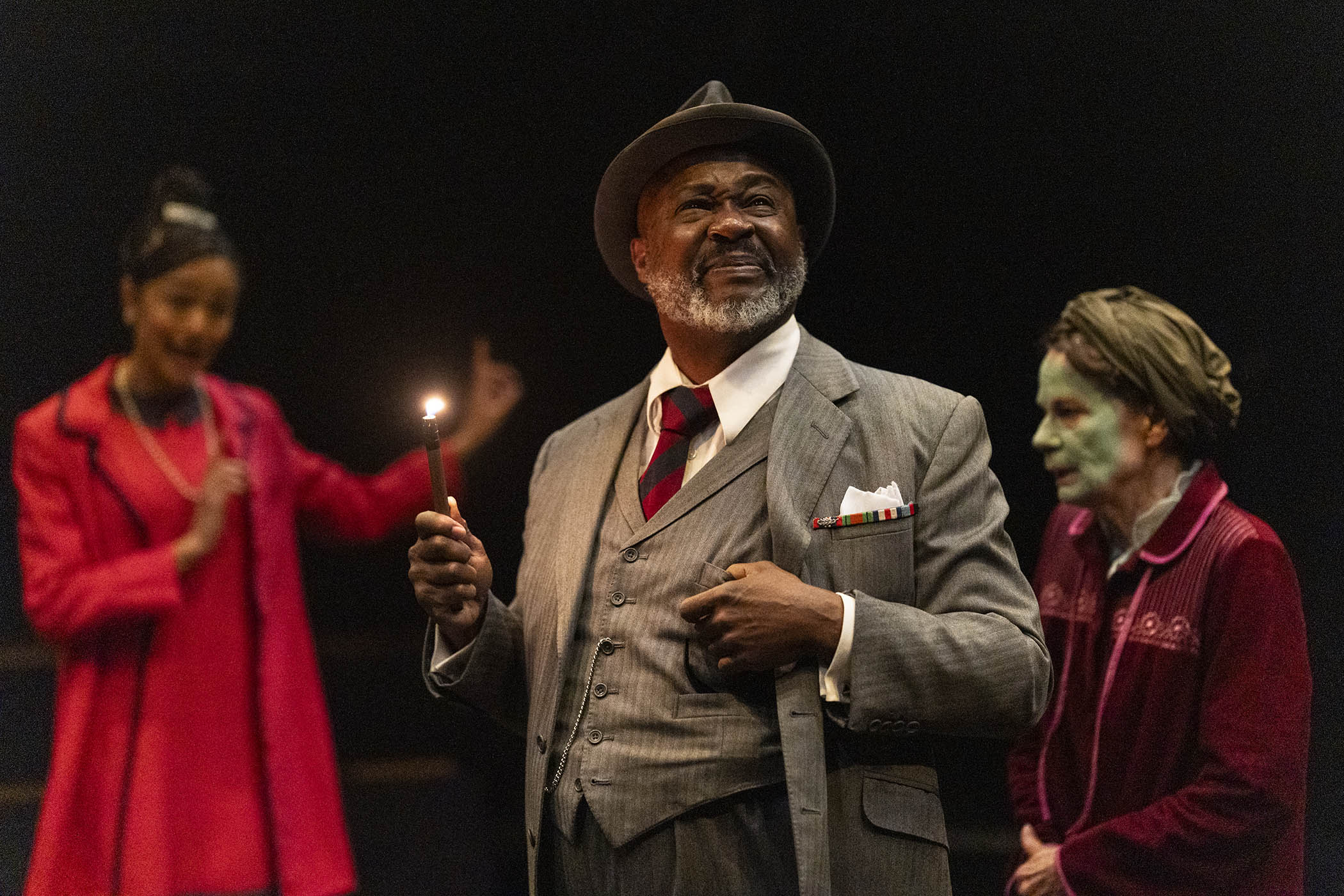
Her festival, which runs from August 7 to August 30 and which is, as ever, surrounded by a month-long anarchic Fringe Festival, will also feature a new opera about the American opioid crisis, The Galloping Cure, and the Oscar-nominated Wagner Mouro, who will star in a modern day sequel to Henrik Ibsen’s Enemy of the People, called The Trial. Internationaal Theater Amsterdam is also bringing a five-hour staging of the Aids-era epic, Angels in America.
It is what Benedetti, who grew up in West Kilbride, described to me as a “bold” programme rather than a risky one. And it is this bravery that the concert soloist hopes will prove the performance arts are the true antidote to the encroaching impact of AI.
A survey of 2,000 music-loving adults just released by the Royal Philharmonic Orchestra shows that 78% of them, although worried, still believe that the theatre and the concert hall will be safe from threats from AI technology for at least another 25 years.
Benedetti has the same view: “The human will and desire to feel an interaction with another person is very strong,” she said. “It may be that we have a hiatus, and perhaps live arts will be less exercised for a while, but the experience of watching something together, coupled with the very excitement and unpredictability of theatre and live music, where you know that all kinds of things could go wrong on stage, cannot be beaten.”
Photograph by Sally Anderson News / Alamy
More from The Observer
Newsletters
Choose the newsletters you want to receive
View more
For information about how The Observer protects your data, read our Privacy Policy