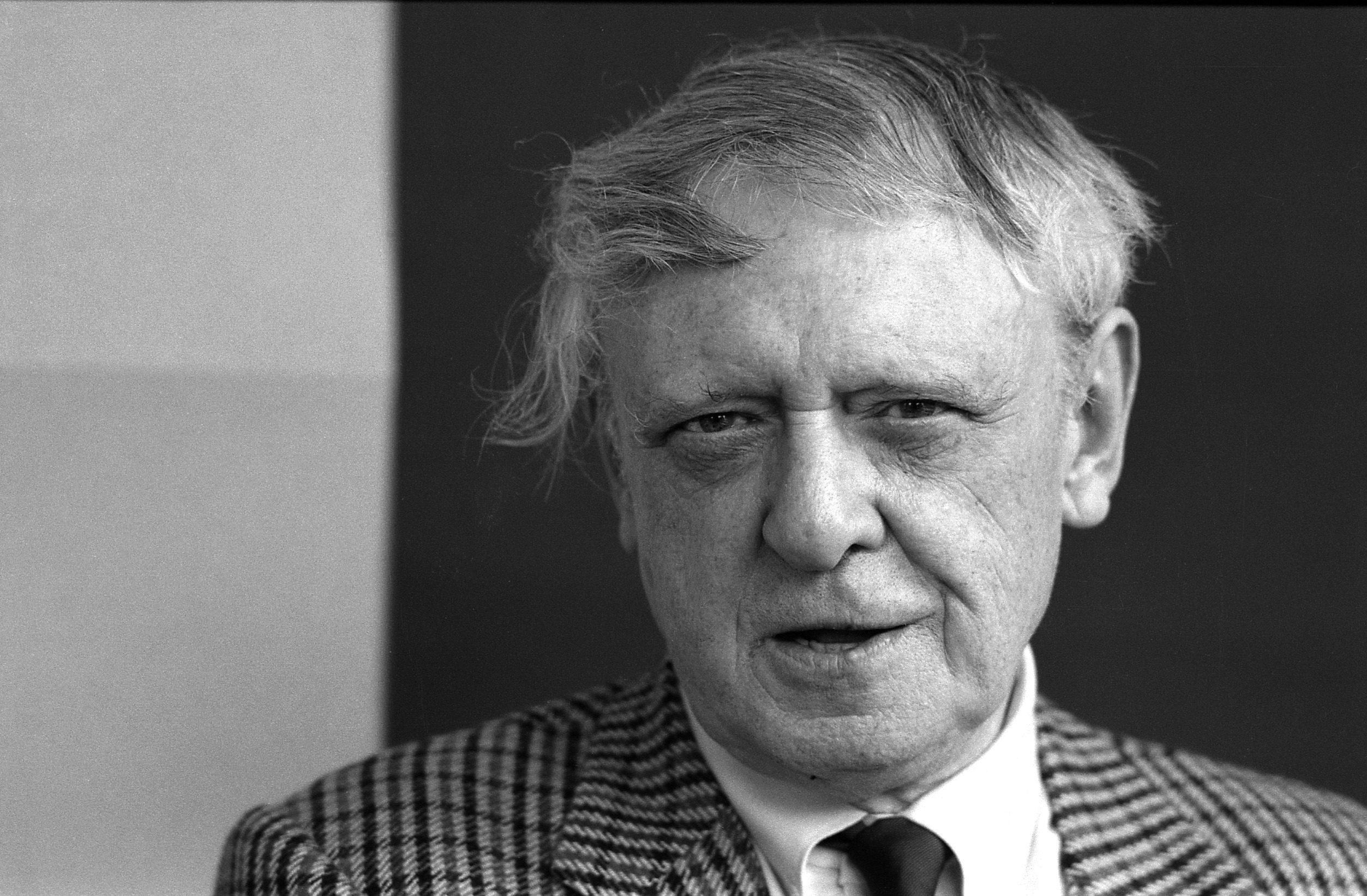

In a memorial for The Observer’s renowned literary editor Terence Kilmartin in 1991, Anthony Burgess, then 74, gave a eulogy that reflected on his own life writing reviews for this paper, which he did for more than 30 years. Characteristically, the author of A Clockwork Orange was unsparing of his own efforts. “Reviewers are lazy,” he began, indicating that this was very much his own tribe. “The status and, indeed, physical condition of the reviewer is summed up in a trenchant article by George Orwell: [a reviewer] looks older than he is. He sits at a table covered with rubbish which he dare not disturb, for there may be a small cheque lying under it.”
It rarely, Burgess suggested, began like this. Every reviewer, woman or man, started life with “high hopes, noble aspirations”. He confessed that, for him, the rot started to set in at the Yorkshire Post, for which he wrote in his 40s. He was struck, he recalled, by “what seemed a great silence” from readers. He received only one letter, “and that was a horticultural lady who responded to my incidental statement that British orchids had no smell. ‘They do, you know,’ she wrote.”
Eventually, he said, he “determined to arouse some more interest by reviewing a book of my own”. He had recently published the novel Inside Mr Enderby, under a pseudonym, and he reviewed the book at some length, pointing out how obscene it was, warning readers against it.
When the news got out, Burgess was outcast briefly. Kilmartin kept him reviewing for The Observer though – not just books, but films, opera, fashion, whatever took his attention. He never stopped, even as his books made him wealthy and famous. And he never forgot the bad reviews his own novels received. (“I yawned on the first page and would have yawned on the last, if I had ever reached it,” was one favourite.)
Burgess ended this delightful tribute to his friend and editor with a confession. The truth was, he said, that for all his cynicism, “nothing in my life, except the love of a good woman, has been more important” than the world of books and reviewing and newspapers. “It’s the madness that sustained our civilisation in the past,” he said, “and [it] is unlikely to be superseded by new modes of communication between souls, if souls may still be said to exist. We have our uses.”
Burgess died two years later. In his memory, a prize was established celebrating his long association with his favourite paper. This year’s prize is now open for a new generation of reviewers.
As a critic, Burgess wrote about whatever came into his cultural orbit and for this reason there is no restriction on the art form to be considered in entries. All we ask is that your review should not have been published elsewhere, and that entries are in English.
You may enter from anywhere in the world. The first prize is £3,000, and there are two runner-up prizes of £500. The winning entry will be published in the print and online editions of The Observer. We are looking for writers in the early stage of their career. If your work has already been widely published, this is not the competition for you.
How to enter
To enter, you simply need to submit an 800-word review of a new artwork or performance, suitable for publication in the arts pages of The Observer.
The prize judges
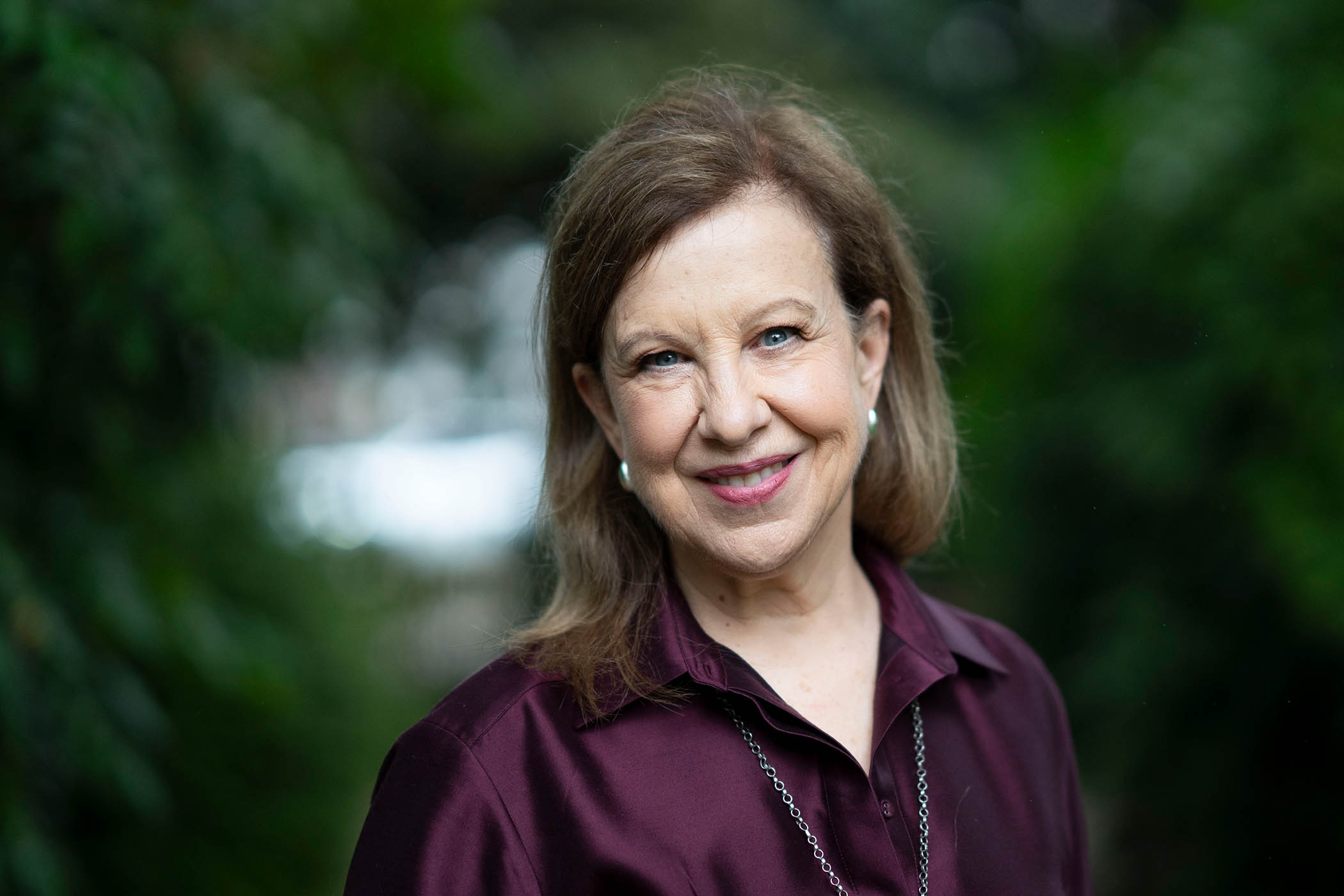
The judges are Anna Leszkiewicz, arts editor, Andrew Biswell, director of the Anthony Burgess Foundation, and Susannah Clapp, The Observer’s theatre critic. The closing date for entries is 28 February. A shortlist will be announced in April, and the three winners will be revealed in May.
Full details of the prize, previous winners and how to enter at www.anthonyburgess.org
Photograph by Getty
Newsletters
Choose the newsletters you want to receive
View more
For information about how The Observer protects your data, read our Privacy Policy