This is not just a nice prize – which it is. It is a necessity. The arts – and I would argue, therefore, everyone – are looking into a void. I have been a theatre critic for nearly 29 years, and before that a reviewer of radio and of books, and I have never known a time when making art and criticising it have been so under assault.
The rot begins at school. Music and art and drama are not core subjects. They are treated as if they were decorative extras, not - as they really are – a yeast that makes minds and energy rise. They are also treated as if they are a sort of safari park to be patrolled by the rich. Remember Angela Rayner being sneered at for opening her non-RP vowels at the opera? Who now has a theatre in their school or an orchestra unless they go to a fee-paying or specialist school?
The blight continues in further education. English departments are being axed. Who now can afford to go to drama school without a scholarship – or to go to the theatre when they are there?
Why does it matter? Apart from pure giddy pleasure and exhilaration – which are still the main points - visual, audio, dramatic, cinematic art offers three vital advantages. It is a chronicle of the past; a way of jumping outside our own particular circumstances in the present; and a means of imagining a better future. Criticism is not simply one opinion of a particular event or creation. It is a way of considering the world, a way of looking beyond what is presented to us as a given: it is a tool, a gift, a new pair of lenses and ears, which should open us up to possibilities, and make us inquisitive and sceptical about everything we see and hear.
What, then, could be more vital than a new generation of critics. And what other prize looks for them?
I was so pleased to be asked to be a judge for this. And not disappointed in the process. It was enjoyable, sometimes startling, to see the range of subjects and the variety of approaches. The short list gives an idea of the vivacity.
What I was looking for was a persuasive argument, and a viewpoint that seemed truly felt, not put up simply to look provocative or unusual
What I was looking for was a persuasive argument, and a viewpoint that seemed truly felt, not put up simply to look provocative or unusual
The dishonour of being left-handed; an under-investigated museum skilfully reinventing itself; the unsuspected techni-coloured weirdness of Elvis. Also: a language expressing itself for the first time in opera; the complicated plait of a photographer’s art and life; the lure for artists of pretty corpses; the pongs and the palette of Marie-Antoinette.
Of course we three judges differed – not violently – from time to time. We quite quickly came to agreement about the short list, but not without some difficulty: we started off looking for six candidates and had to expand it to seven. We were quite quick about the final three. We did not have specific criteria or stated aims but were, I think, looking for the same thing.
Above all, freshness: responses and arguments that started anew and did not sound as if they were piggy-backing on someone else’s brain or work. That freshness could have to do with the choice of subject. That choice thing is often overlooked – as if topics simply fell into critics’ laps like tapestries waiting to be embroidered. On the contrary, they have to be found.
I loved being startled by subjects I didn’t expect to come across, so that my map of the arts world was being altered. The freshness could be different: a startling angle on a familiar subject or a perpetually swerving but not too all-guns-blazing vocabulary: quite simply. no clichés.
Newsletters
Choose the newsletters you want to receive
View more
For information about how The Observer protects your data, read our Privacy Policy
My primary consideration had little to do with whether or not I was likely to agree with someone’s conclusions: what I was looking for was a persuasive argument, and a viewpoint that seemed truly felt, not put up simply to look provocative or unusual.
Judgment is one part of criticism - you want to feel that someone is making a sane case - but another part is evocation, a bringing to life of the subject under discussion. It is too easy as a critic to come on as a god judge, delivering verdicts from on high, or a sanitary inspector sniffing out dangers to public health.
I was really pleased to find that the majority of pieces were written with some sense of celebration. I don’t mean they were supine, I’m not talking about courtier-like applause, but about an open interest and investigation, which is dependent on quizzicalness and scepticism.
People often think the quickest way to get a name is to bring someone down. It is easier to look clever with a scowl than a smile. Yet often this is a fake boldness. The braver thing is to risk your colleagues’ smirk by championing the unfashionable. The best thing is to find out new talent. And that is why the Burgess prize is indispensable.
This speech was given at the annual Observer/Anthony Burgess prize for arts journalism on 13 May 2026.
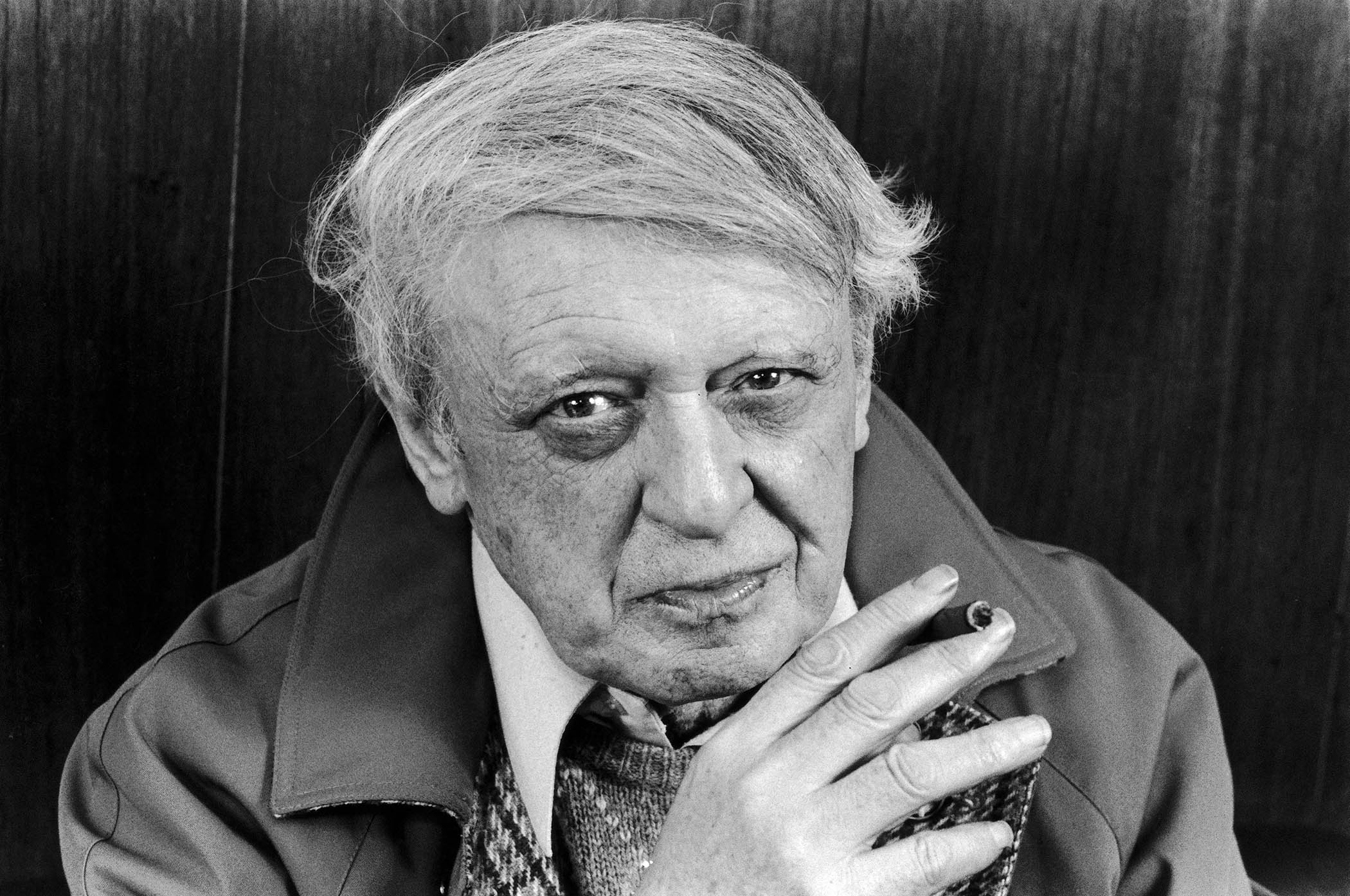
Photograph by Michel Setboun/Gamma-Rapho via Getty Images