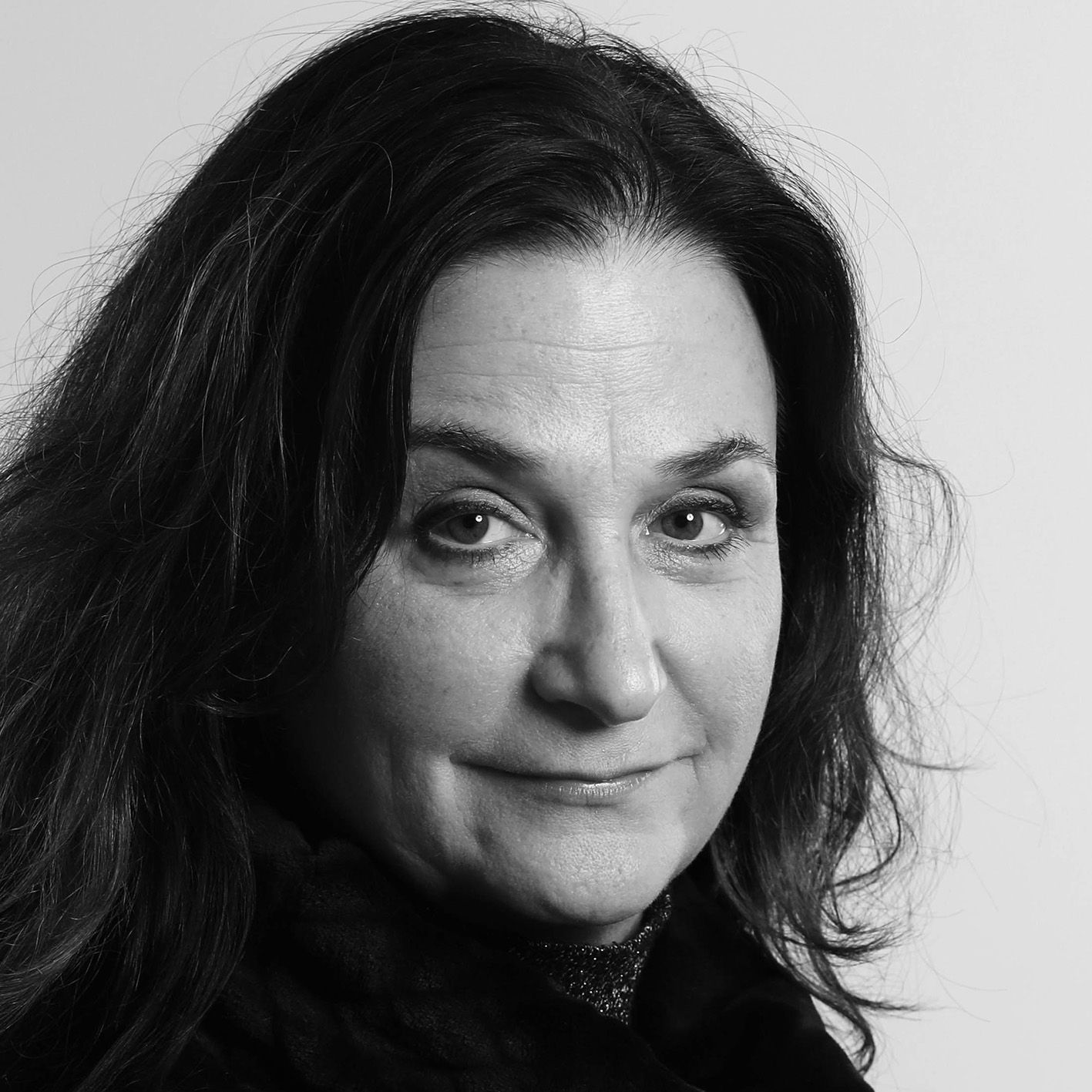
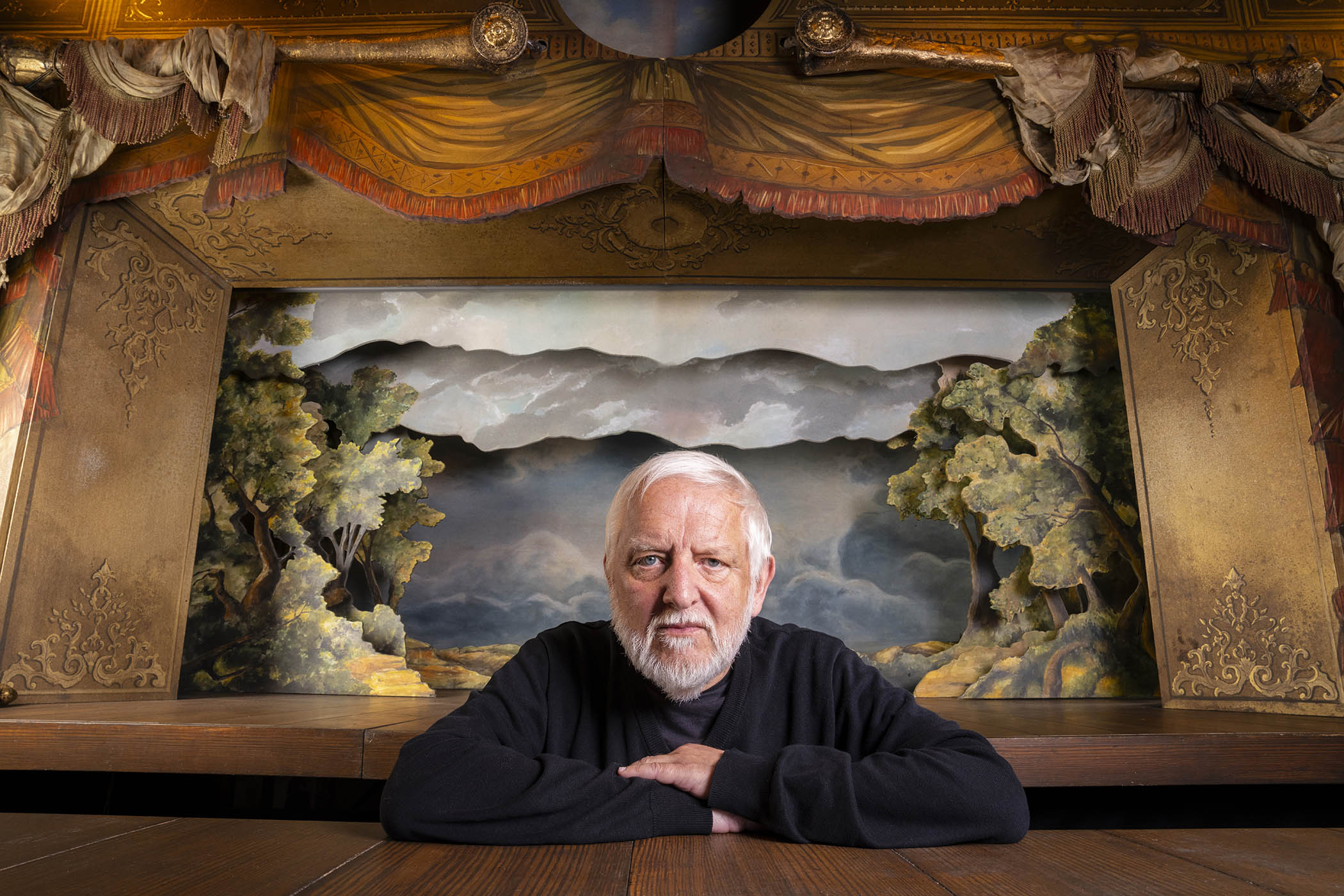

Some theatre directors feel they should strike a pose for the benefit of their actors: a little studied nonchalance or mercurial intensity. By the time I have talked to the documentary film-maker Sophie Fiennes and her latest subject, her old friend the influential stage director Declan Donnellan, it’s clear to me he is nothing like that. Instead, Donnellan, one of the founders of the Cheek by Jowl company, seems at pains to avoid all strategic theatrics.
Even the nature of “theatrical process” was something he found hard to discuss when I spoke to them ahead of the release of Fiennes’s documentary, Acting, in cinemas from today, 5 June. Donnellan shifted in his seat as he considered it, although he is happy with the new film. His discomfort was down to his radically practical view of the job of acting and his dislike of theorising. “I hate it, really, letting a camera in on something that defies explanation,” he says. “After all, every body in a room changes its temperature.”
Fiennes first tried to record a Cheek by Jowl rehearsal a quarter of a century ago, but back then Donnellan felt too self-conscious and told her he couldn’t let her film. “Anyway, we got older and wiser, so I thought we should try again. And it has worked well,” he says. “Sophie walked around with this massive body-cam thing on and yet everybody managed to forget her.”
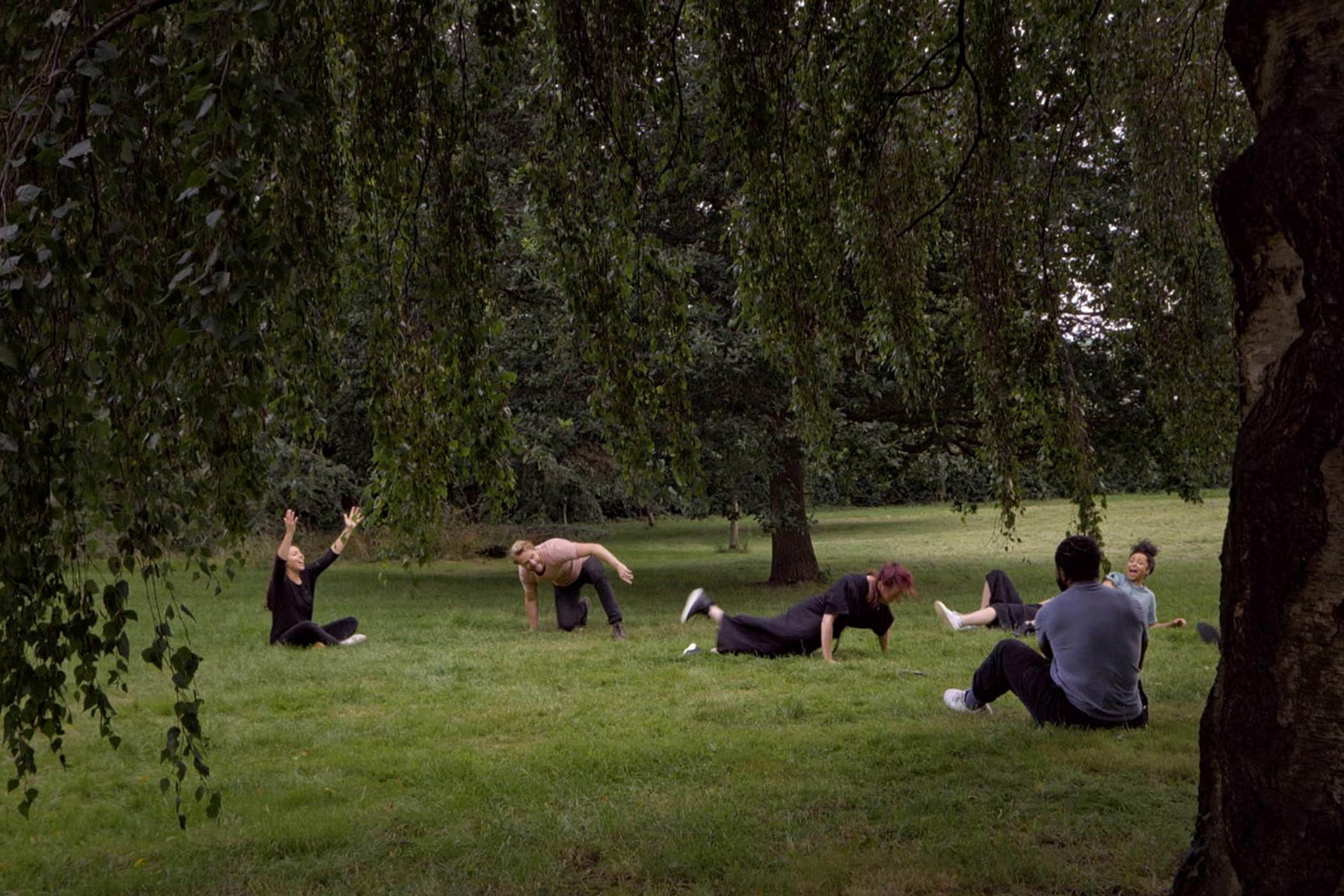
The fly-on-the-wall documentary was filmed in and around the faux Gothic grandeur of Twyford Abbey in west London, while Donnellan’s actors worked on Macbeth. Fiennes sees her film as a rare glimpse of a stage practice that has been hidden, rather than kept secret. It is an even rarer glimpse now that Donnellan and his fellow artistic director and partner, the designer Nick Ormerod, work abroad so much, having been, as Fiennes puts it, “defunded” by cuts in the British arts subsidy system.
Donnellan and Ormerod met as students at Cambridge in the 1970s and later devised their small theatre company as a way to stay close. “We just bonded,” Donnellan tells me. “I didn’t want to be away from him again. I suppose we could have owned a restaurant together instead, but that would have been disastrous.”
The couple became friends with the Fiennes family 40 years ago, when Sophie’s brother Ralph played Romeo for them in Regent’s Park Open Air theatre. His first big job. But the famous actor is only one of the stars to be shaped by working with Cheek by Jowl. The alumni list is almost embarrassing: Tom Hiddleston, Matthew Macfadyen, Jason Isaacs, Tom Hollander, Kristin Scott Thomas, Gwendoline Christie, Michael Sheen, Adrian Lester, Sophie’s other brother Ralph, and Daniel Craig.
“Daniel says that when he got into a rehearsal room with Cheek by Jowl, acting suddenly made sense,” Fiennes says. “What Declan and Nick offer actors is not an opinion, it’s more useful than that. It’s their experience of what actually helps actors.”
Cheek by Jowl’s title comes from a line in A Midsummer Night’s Dream, a play in which Bottom and the “rude mechanicals” notoriously struggle to make sense of a script. It might annoy Donnellan to hear it but, from listening to him, his own attitude to making sense of Shakespeare’s texts can be boiled down to a few crucial priorities.
What really matters to him, he says, is the space between the actors. This is what makes a play. That, and the encounters between the characters. “We can theorise an awful lot, and make ourselves suffer hugely,” he warns, adding that, as in life, on stage this rarely bears fruit. For him, another essential point is that no actor should struggle endlessly to “be sincere”. Such attempts to find honesty are doomed. “Nobody’s ever sincere. I mean, it’s never as simple as just telling the truth.”
For him, focusing on “the granularity” of each moment in rehearsal is the thing that will eventually win through, rather than simply relying on some director’s spurious, overarching vision: “Vision is a dangerous thing. Anyone who thinks they know where they’re going, I think, is a liar and a scoundrel.”
Newsletters
Choose the newsletters you want to receive
View more
For information about how The Observer protects your data, read our Privacy Policy
What’s more, Donnellan believes Shakespeare himself supports this approach. “He wrote very fast, we know, so I have a suspicion he didn’t know where he was going either.”
Photograph by A Cheek By Jowl