
People who like theatre like theatrics, so I ask myself this dramatic question constantly: what is the point of this play? What’s the point of being here? Of that lot there? Of me? Of course, the answer is all the good old stuff: joy, outrage, mimesis, catharsis, education, distraction; mortality, since the theatre is made of flesh and blood; magic, since it is made of deception. Sometimes it is pure spectacle, which still serves a purpose. Always it is live, social, relational: actors project, we project on to their characters. Which all sounds very worthy, but in effect it is surely either about escaping ourselves or knowing ourselves, and in that sense it is a selfish pursuit.
To me, then. How did I fall in love with the stage? A ticket to the Harlow Playhouse panto, then The Lion King, West End. A youth theatre club. Dreams of a career on stage, which began with having a loud voice and ended about there. An obsession with words: prose and poetry and song – all in one show, if you like – and chuck in dance or combat or puppetry? Young heads spin.
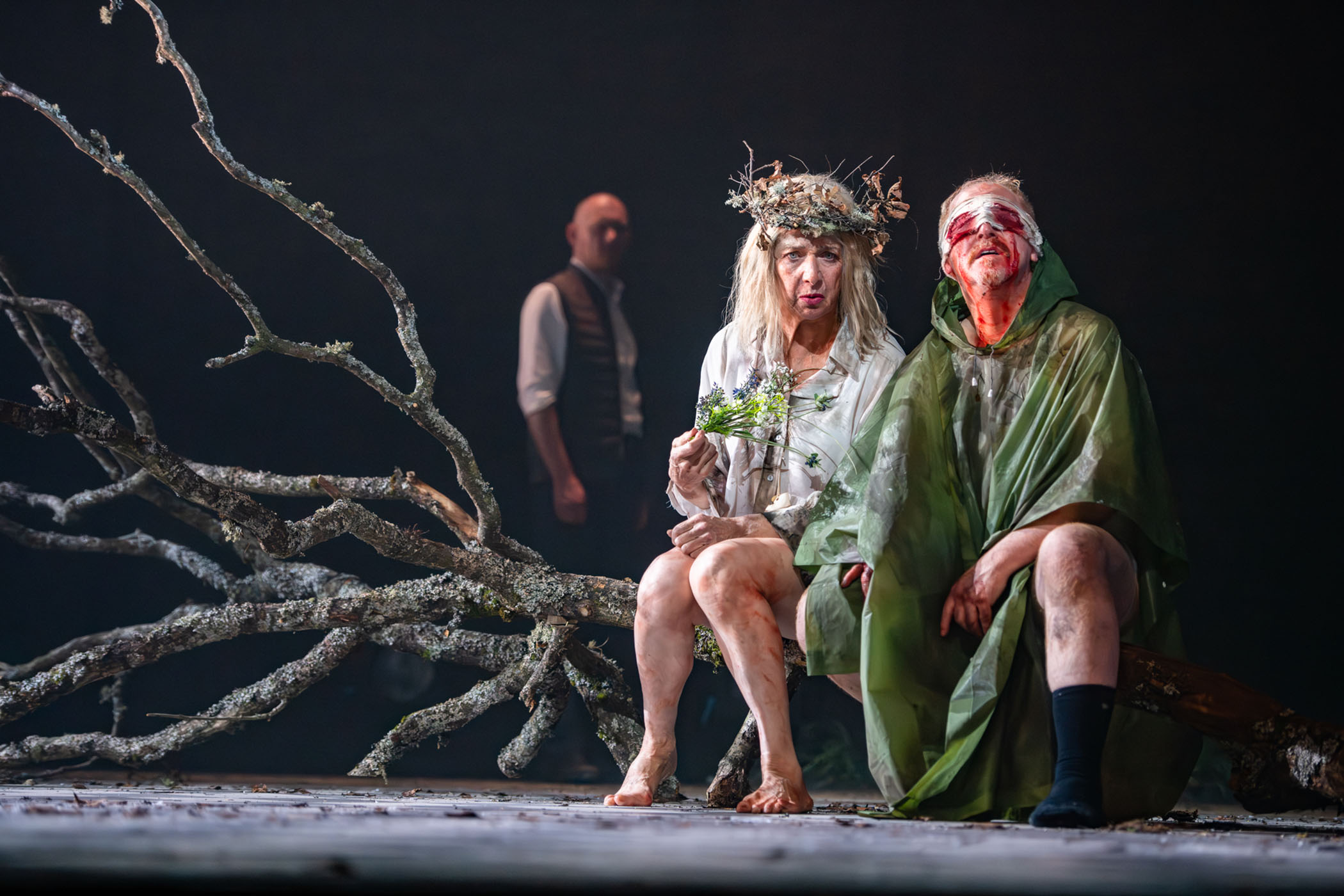
This month I had the luck of seeing John Proctor is the Villain at the Royal Court, and the pleasure – naturally – of seeing myself in it. A group of schoolgirls are studying Arthur Miller’s The Crucible in English Lit, drawing parallels with their own moment, in their case the post-MeToo age. They analyse the archetypes; they reconsider the narratives they have been taught. They bond, and begin to know themselves better. People come to the theatre in many ways, but often they will be the girl in the classroom, tentatively reading a script aloud, finding her role in it: am I more damsel or degenerate? Roxie or Velma? Beatrice or Lady Macbeth? Is Nora Helmer really a feminist? Tennessee Williams, why are your women always behaving madly? And look here, in the script, is permission to scream!
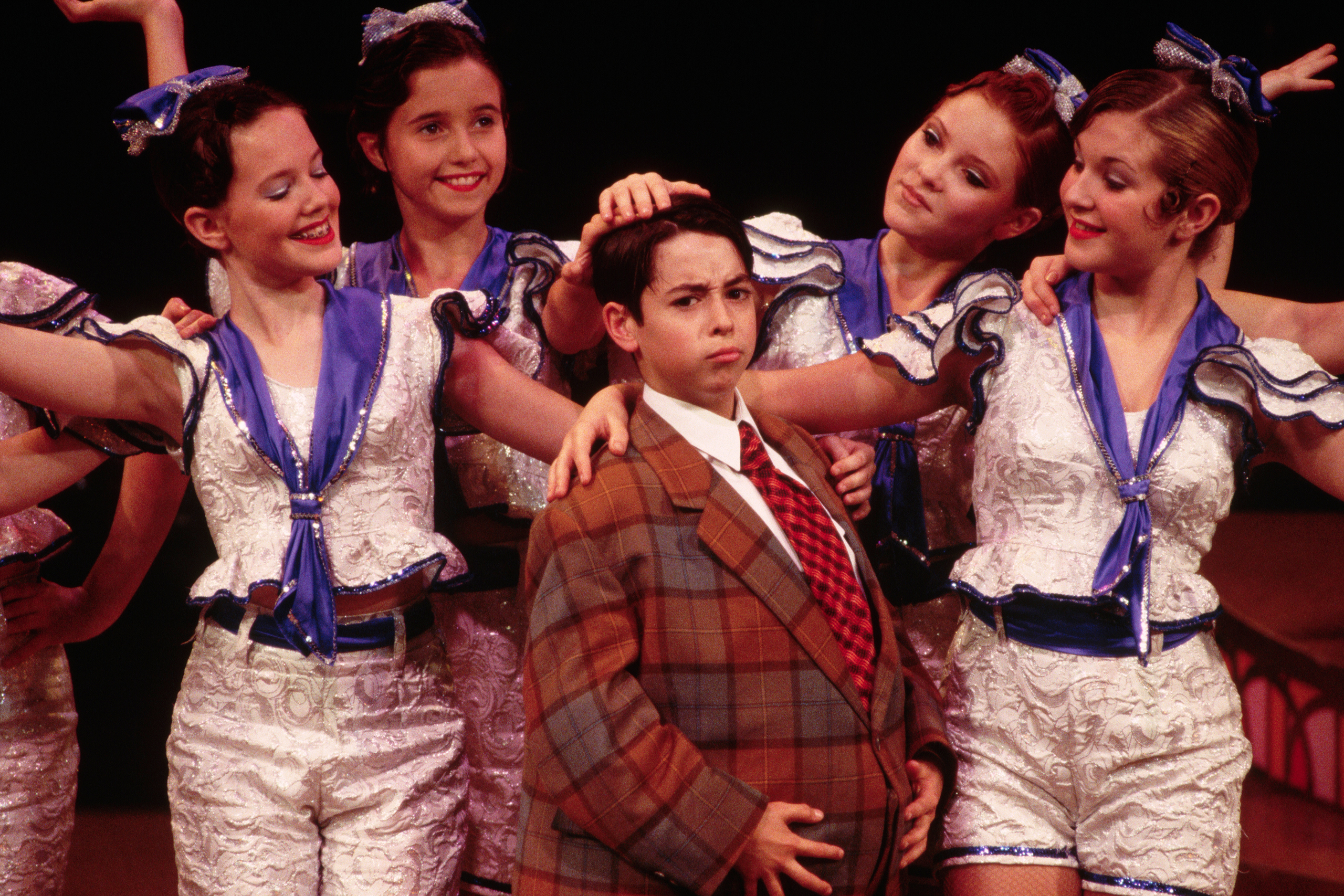
The point of theatre is critical thinking (Brecht). The point of theatre is correction (Molière). The point of theatre is mood (Chekhov). The point of theatre is menace (Pinter). For Stoppard, it was really about curiosity; for Nottage, about creating a counter-record, amplifying ignored voices. Often we talk about the art of storytelling, without mentioning the importance of plain silliness. Yet the stage is good at mischief: when I think about my formative experiences of the theatre, the throughline – bear with – is whipped cream. First, Bugsy Malone, the great gateway musical: an all-child cast cosplaying gangsters in pinstripes and finger-wave hairstyles. A child should not grow up wanting to play the moll (Tallulah had the best outfits, Blousey Brown the best songs), but it was so surreal, so naughty at Fat Sam’s grand slam. Who can watch the anarchic finale of splurge guns and cream-pie fight and not think, I want a slice?
Some years later, when I was a teenager, in 2012, cream took on a more lubricious quality. I vividly remember – I don’t know why – a trip to the Young Vic to see Joe-Hill Gibbons’s production of The Changeling, Middleton and Rowley’s Jacobean revenge tragedy. Michael Billington gave it three stars, but one scene made an indelible impression on me: the moment the virgin Beatrice-Joanna, deflowered by the creep De Flores, writhes around in bodily fluids of red jelly, custard and pudding. It sounds awful: coarse, and about as subtle as a pie in the face. But it felt fresh – Middleton, with Jell-O? – and frenzied, and whatever I would make of it now, clearly my teenage mind was thrilled by what appeared the height of irreverence and mad, theatrical excess. None of which reflects particularly well on the quality of my taste. And yes, I’m being not-just-a-little-bit facetious. But I didn’t simply want to write here that I was formed – informed – by Shakespeare, Ibsen, Beckett, Miller, Churchill, Sondheim, true though that may be; and that I am still being formed by all the great contemporary playwrights working in this country, who make the stage such an exciting place to be.
I also wanted to write an admission, which is that the point is sometimes indulgence: to be challenged, yes, but also to be amused. To blow your pocket money on a trip to the world of make-believe. Are you smiling in your seat? Are you letting your mind roam? Perhaps it will dream of cream pie fights all the way home.
Katherine Cowles is an Observer writer on theatre
Photo: Robbie Jack/Corbis via Getty Images
Newsletters
Choose the newsletters you want to receive
View more
For information about how The Observer protects your data, read our Privacy Policy