I have been writing about theatre in The Observer for – I find this hard to believe – nearly 29 years. I have seen 35 Hamlets, 24 Macbeths, nine Cherry Orchards, eight Doll’s Houses. Characters from these plays and their settings have become part of the furniture of my mind, like a dreamscape. Sitting in the darkness among strangers watching other strangers turn into new people has come to seem completely normal.
I slipped sideways into becoming a theatre critic. As a child, I was stage-struck. I loved taking on the part of the little Christmas tree, got up in a sack with pine branches stuck all over it, mouthing everyone else’s words until I got to my big speech: “The rabbits and hares can jump right over me.”
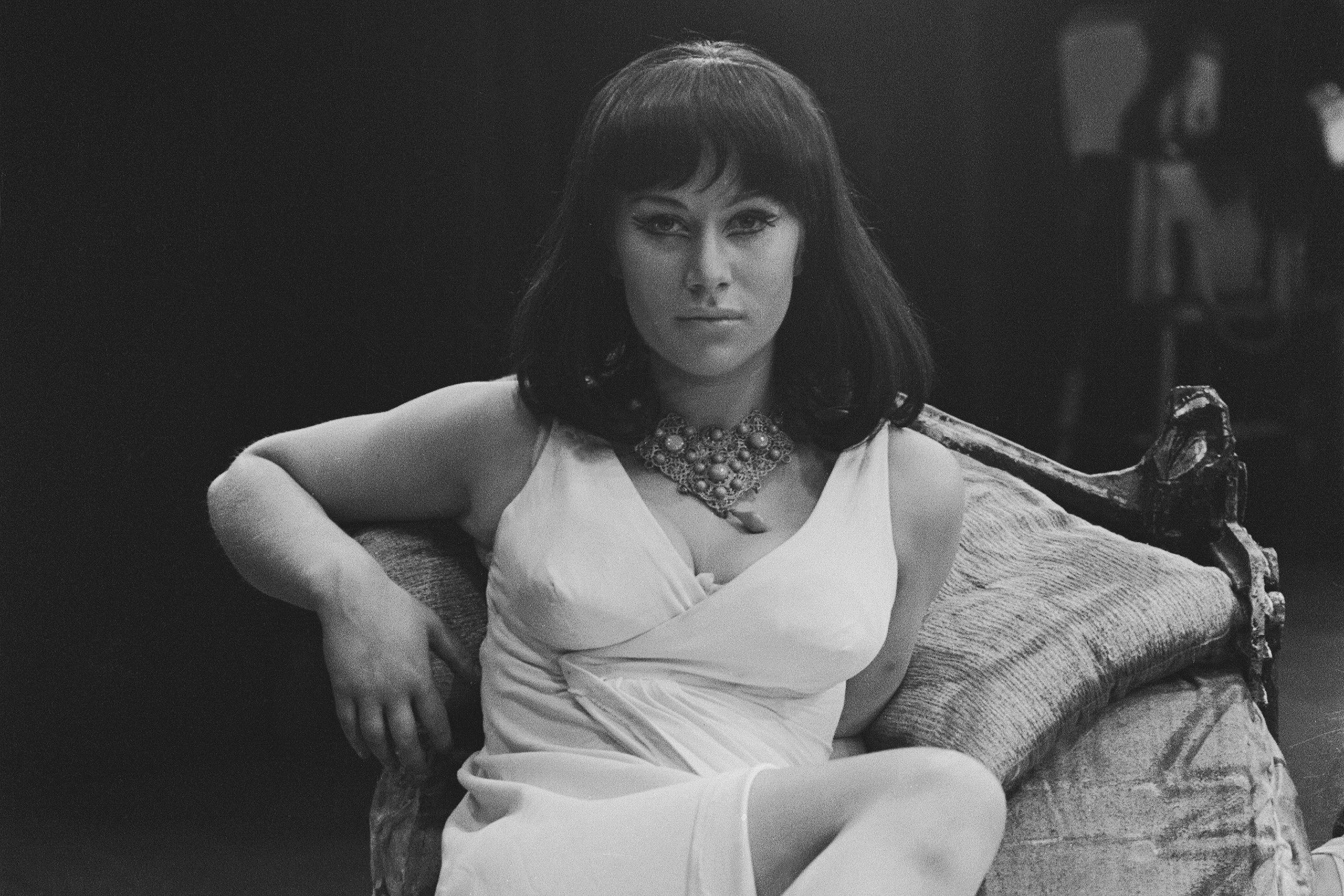
As a teenager, I thrilled to Rosencrantz and Guildenstern are Dead, to an imperious 20-year-old Helen Mirren playing Cleopatra and to a startling satire by Spike Milligan and John Antrobus, The Bedsitting Room. Drama was not high on the syllabus at my grammar school, where the headmaster regarded the arts as a distraction from the serious business of accumulating O levels. But, along with my best friend, Maggie, who became a maker of wonderful puppet shows, I did all the Lamda exams: throwing myself around as Lady Macbeth, mugging up facts about intercostal diaphragmatic breathing, weirdly enjoying making an impromptu speech on the subject of Mephistopheles.
Then I paused the acting, at least on stage. After university, I fell into literary journalism via an angry letter (middle-aged writers are unfair to the young!) to the editor of the now-defunct BBC magazine The Listener. I worked as a sub-editor, a reviewer for the Times Literary Supplement and the New Statesman, a reader and editor at the publisher Jonathan Cape and as the radio critic of the Sunday Times. In 1979, I helped to set up the London Review of Books. All the time going to the theatre, but not reviewing it – until, freelance and writing a book about Bruce Chatwin, broke and scooping up an occasional £90 by contributing to BBC arts programmes, I was sent by Radio 4 to discuss a play, and loved the sensation of talking live on air about a live performance.
For nearly 20 years I was the theatre critic of the late-night BBC Radio 3 programme Night Waves. I had a glorious time, rushing straight from the first night of a play to discuss what I had just seen. The programme sometimes started at 10.45pm (which gave me time to stoke up on chips in the Broadcasting House canteen), but generally much earlier: I often needed to start talking as soon as my bum hit the seat in the studio. Outside London, I broadcast down the telephone line, frequently in tiny, improvised studios; at the Royal Shakespeare Company the cubbyhole was so overheated I stripped down to my vest. When traffic stopped me getting to Broadcasting House, I reviewed from my mobile phone. On a landline backstage in a theatre, my review went out interrupted by Tannoy announcements to actors. Night Waves was broadcast live, so I had to keep talking and the speed of it at all added to the excitement: the memory of the play was still trembling in the air as I finished yapping. In the days before the tweet critique, we were always the first review.
Gradually, almost without realising it, I built up a theatre history, a memory bank of productions. I also began to work out the differences between discussing books – until then my main occupation – and plays. In live performance, every night is different: no two audiences see exactly the same show and every show (no life without death) is fleeting and unrecoverable. In theatre there is no solid record to refer to: no catalogue, as at an art exhibition; no chance, as in a movie, to fast-forward or to rewind. I came to think it was as important for a critic to try to recreate the experience of a show as it was to analyse and deliver a judgment.
When I was approached by the New Statesman’s arts editor, none other than Laura Cumming (now The Observer’s art critic) to try my hand at writing about theatre, I had an idea of what I wanted to do and what to avoid. It seemed vital that plays should not be treated as cut-up texts marching around the stage; that a review should try to capture, alongside the verbal frolics and dense argument, the meld of gesture and movement and facial flicker, lighting, architecture and wordless sound that together make up a theatrical experience.
At its best – which, of course, it often is not – the theatre can be a safe space in which to enter dangerous lives, a transporting hour or two that brings you back to your daily world with new eyes, a way to look differently at ordinary human behaviour. I knew that hearing new words and watching young actors soar would be particular pleasures. I did not anticipate the excitement generated by different kinds of new work, and the importance of small or non-purpose-built stages. Theatre can bend your sense of space, making you reconsider a familiar landscape. Emerging from the alternative world created by Punchdrunk in Faust, before immersive work was mainstream, I looked in disbelief at London’s Docklands. It can also dismantle prejudices. I have seen assumptions melt as a woman or a Black man becomes Hamlet. I almost heard people’s minds being changed by political plays. It is not merely arguments that alter opinions: it is being in the same room as the people making the arguments.
Wild imaginations can demolish boundaries. In 2003, posh and trash were explosively smashed together in Jerry Springer: The Opera; fabric and flesh, horror and comedy in Shockheaded Peter (1998). I have tried to evoke what that felt like. What a lucky job.
Photo: Barham/Mirrorpix/Mirrorpix via Getty Images
Newsletters
Choose the newsletters you want to receive
View more
For information about how The Observer protects your data, read our Privacy Policy