The BBC One drama Babies is a brave curio, wherein even the warm, sweet parts hum with grief and pain. Created by Stefan Golaszewski – who brought us the slice-of-life sitcoms Him & Her and Mum, plus the drama Marriage – it deals with miscarriages, which is unusual; generally, on TV, babies appear as catalysts for drama (unexpected pregnancies), or grow up to produce taxing childcare issues (see Motherland). But in Babies, pregnancies abruptly end – again and again – and nobody knows how to deal with the devastation.
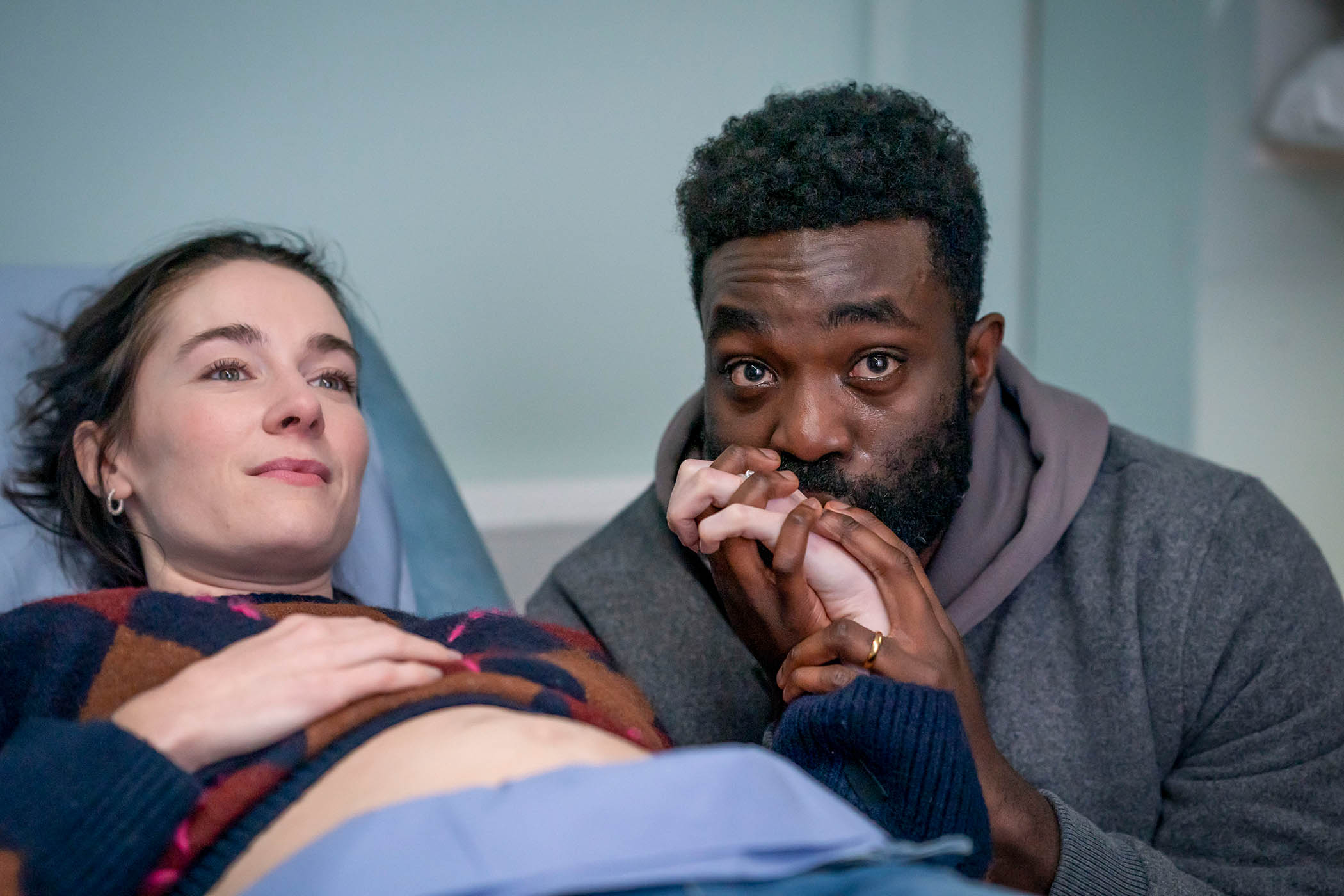
Siobhán Cullen (The Dry) and Paapa Essiedu – soon to portray Severus Snape in the TV version of Harry Potter – play thirtysomething couple Lisa and Stephen, who are trying for a baby. Despite it being their second attempt, they’re initially united and upbeat (“I’m ovulating!”). Lisa puts her legs up against the wall to increase her chances; then the pair perch on the edge of the bath staring excitedly at the positive pee stick test. But at the 12-week scan, the sonographer can’t find the baby’s heartbeat. Just like that – with a smear of gel and the swipe of a device – it’s all over.
Stephen tries to stay optimistic: “I’m, like, literally the world’s most positive person.” Lisa is a sobbing wreck, but still determined that it will not affect their relationship. Of course, it does, as the couple experience recurring miscarriages without medical explanation for them. Babies moves beyond heartbreak into rage, bitterness and lashing out: Nothing you can do can save our fucking babies.” Hope flatlines and love curdles: “Get in me and ejaculate. I don’t need it to be enjoyable.” Then there is the agony of other people’s pregnancies: when Stephen hears about Lisa’s mum-to-be friend making a dramatic fuss about how her eggs are cooked at lunch, he calls her a “massive bitch”.
It is beautifully acted, with the leads conveying an intimacy that is convincing and lovely enough for the viewer to mourn their relationship
It is beautifully acted, with the leads conveying an intimacy that is convincing and lovely enough for the viewer to mourn their relationship
The other main characters in Babies are Stephen’s best friend, Dave (Jack Bannon), and his girlfriend, Amanda (Charlotte Riley), an appalling couple who offer a cautionary tale against settling. Amanda is a successful businesswoman who exudes all the easy warmth of a Death Eater, while Dave, a disengaged father to a son from a previous relationship, is fascinatingly unlikable. He and other male characters including Stephen’s dad (Gary Beadle) seem to exist to make a solid but somewhat laboured point about the dangers of emotional withholding.
At six hour-long episodes, Babies is far too long and intense. An incongruous, overplayed plot device towards the end of the series undermines the emotional realism that has been painstakingly constructed. Two songs written and performed by Golaszewski are repeated too often and verge on grating.
Still, this is powerful television: a tribute to lost babies and grieving would-be parents, as well as an examination of how pregnancy loss can warp personalities and relationships. It is also beautifully acted, with the two leads conveying an intimacy that is normal and lovely enough for the viewer to mourn their relationship when it is fracturing. Cullen is particularly vivid as a woman atomising before our very eyes.
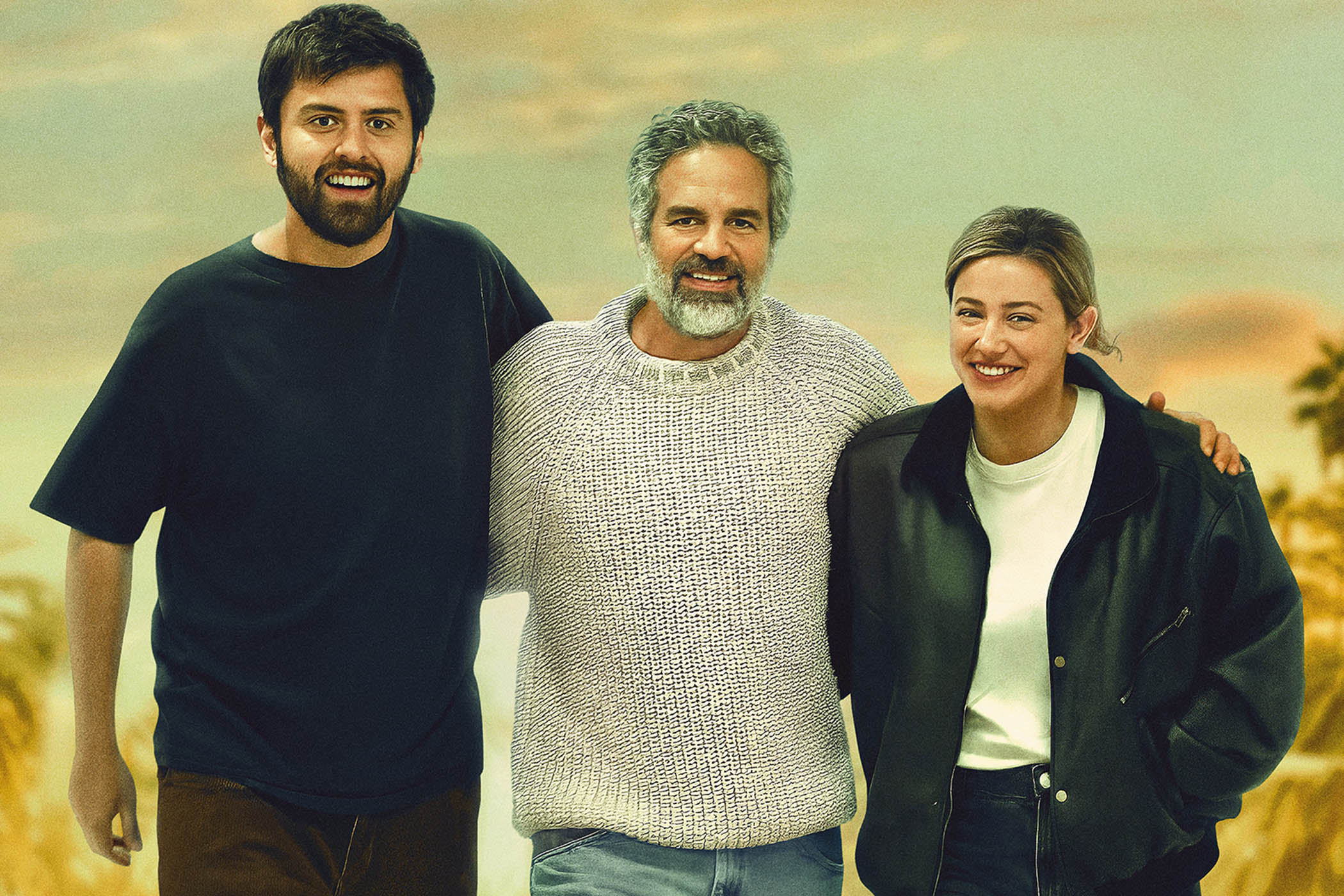
Cooper Raiff, Mark Ruffalo and Lili Reinhart in Hal & Harper. Main image: Siobhán Cullen and Paapa Essiedu in Babies
On ITVX is a series that deals differently with trauma. The US dramedy Hal & Harper, previously shown on Mubi, is created, written and directed by the 29-year-old film-maker Cooper Raiff (Shithouse, Cha Cha Real Smooth) and premiered at the 2025 Sundance film festival.
It focuses on two dysfunctional twentysomething siblings. Raiff plays Hal, a directionless people-pleaser who freaks young women out with his intensity. Lili Reinhart is his slightly older more switched-on sister, Harper, who works listlessly in a dull office job and cheats on her girlfriend (Alyah Chanelle Scott). We first see their depressed father (Mark Ruffalo) lying on a bed in a darkened room, his body so inert that it is unclear if he’s dead.
It soon becomes evident that everyone in the family is, in their own way, still dealing – or rather, not dealing – with the death of Hal and Harper’s mother when they were young children. As with Babies, there’s a sudden dilemma regarding a pregnancy: the stepmother figure (Betty Gilpin) is expecting a child and may require medical intervention.
The real problem lies with the siblings, and specifically their codependency. They clamber through each other’s bedroom windows in the early hours to discuss their issues. “I’m not OK with the way I am,” sighs Hal. And you can’t help but agree with him. “You’re suffocating me. I cannot fucking help you. I have my own shit,” explodes Harper. And you agree with her too. Raiff and Reinhart portray younger versions of Hal and Harper in flashbacks: it is hard to escape the sense of arrested development and the wounded inner child.
Newsletters
Choose the newsletters you want to receive
View more
For information about how The Observer protects your data, read our Privacy Policy
This is one of those slacker dramedies that comes across like it’s been filmed for a dare on an iPhone. The show’s minimal action plays out in a lo-fi version of Los Angeles where all the bright colours – the sunshine, the ambition – have been bleached out, and everything and everyone is wilfully awkward.
It is at times too self-conscious and mannered; Ruffalo underplays his role so conscientiously, I sometimes forget he’s in a scene. But he two leads are just perfect: Raiff’s gruesomely needy Hal, Reinhart’s emotionally bruised Harper. And there are also beguiling spikes of silliness, as well as clever insights into the effects of long-term grief and the dangers of forgetting that youth is finite.
Photographs by BBC/Snowed-In/Amanda Searle/ITV