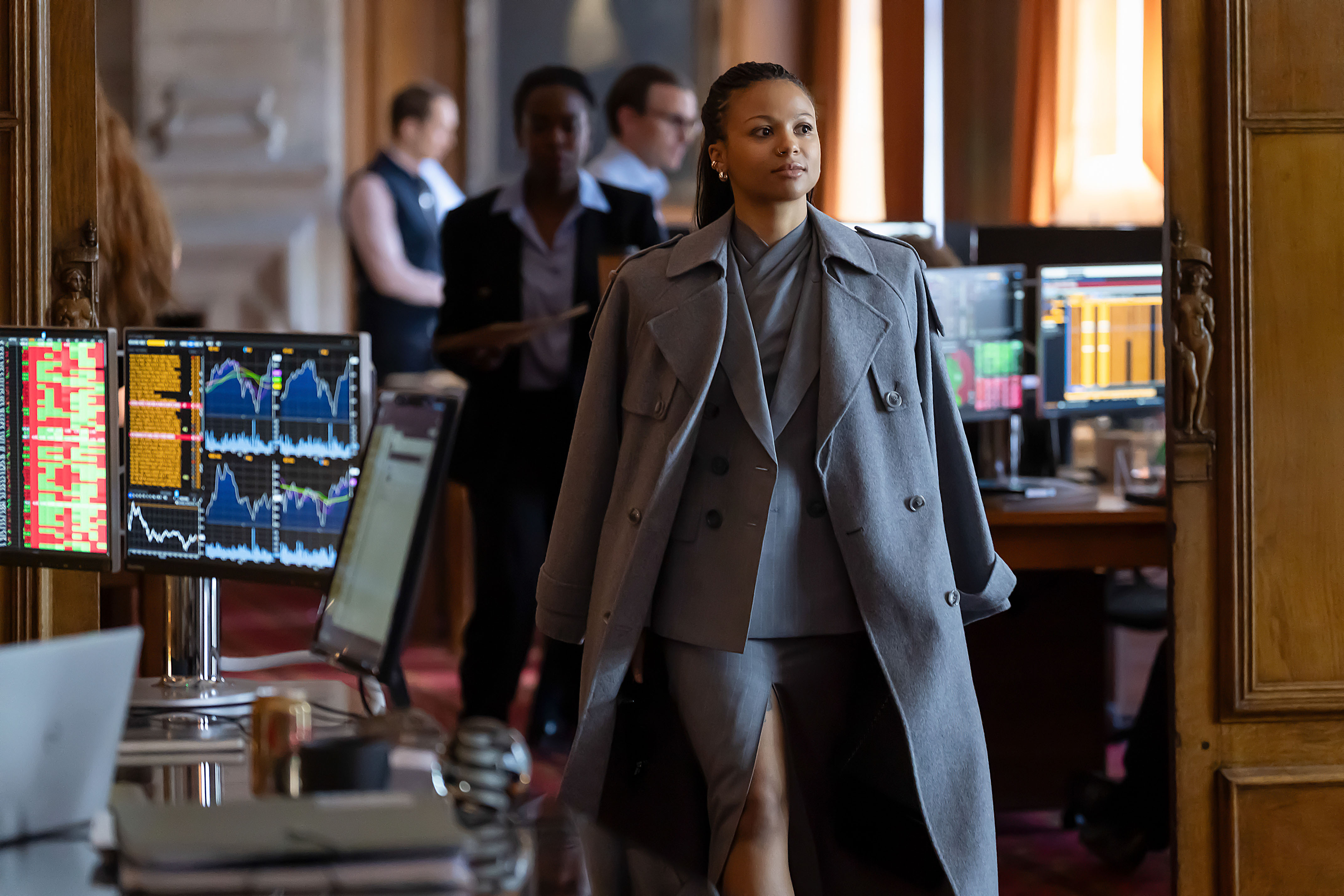

I have come to the conclusion that you don’t watch a series of Industry – you survive it. Konrad Kay and Mickey Down’s astonishing creation – back for a fourth outing on BBC One – began in 2020 as a drama about high-stakes greed in London’s financial district. Young graduates jostled for status and money on the trading floor of investment bank Pierpoint. Add wild sex, nihilism, ethical implosion, sudden death and jargon-heavy dialogue – and a big, bold, nasty, beautiful show was born. A 21st-century operetta written in iPhone Notes.
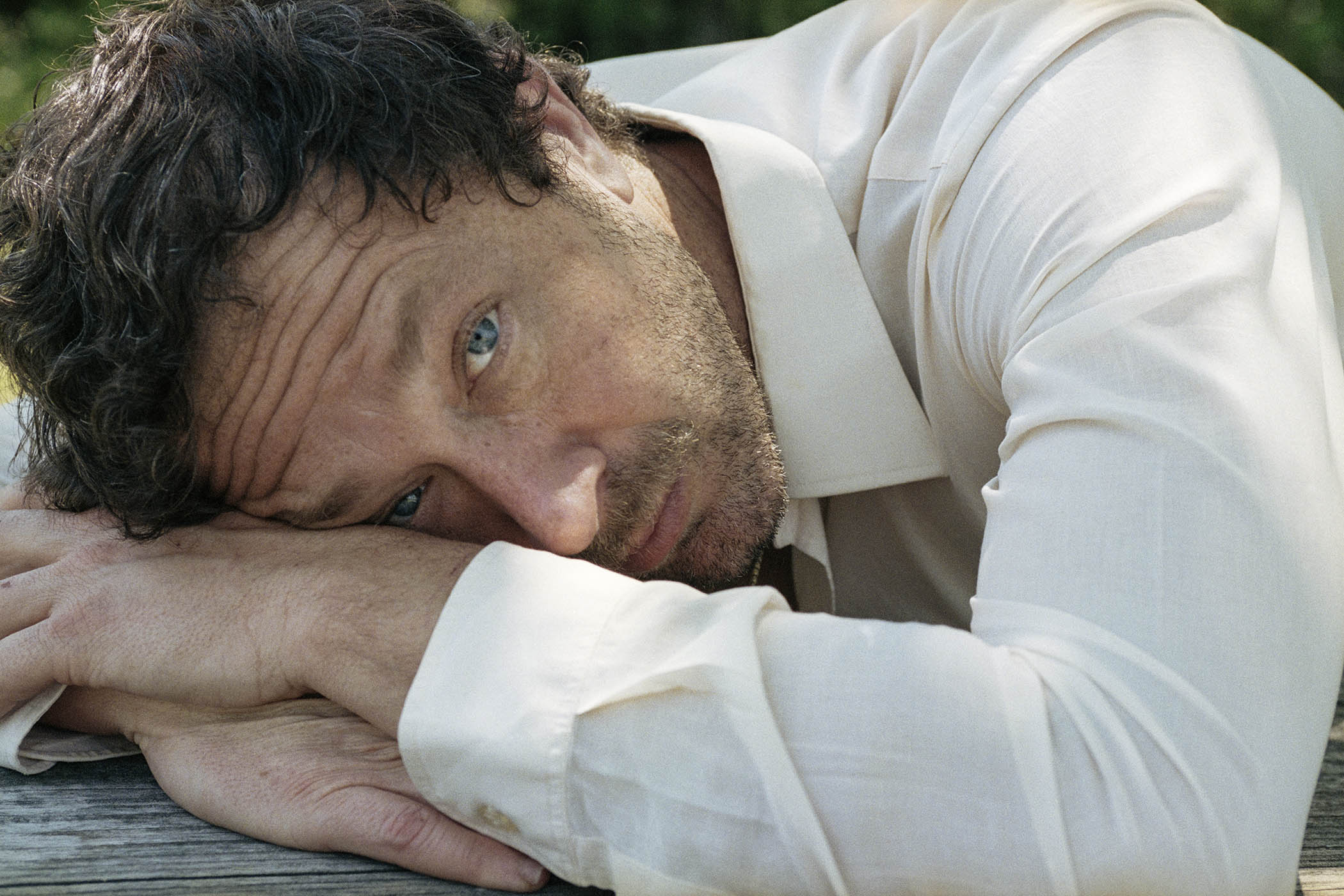
As the new eight-part series opens, Pierpoint is defunct and Robert (Harry Lawtey), the last shred of ordinary decency, has departed. As a new focus – a dodgy payment provider called Tender – bobs into view, Yasmin (Bafta-winning Marisa Abela), the lost soul trust-funder, is now, literally, Lady Muck, married to toff loser Lord Henry Muck. Game of Thrones star Kit Harington deserves awards for his textured performance as Muck, who spends his days since his green energy company folded self-pityingly sprawled across a grand piano in his country pile, like a Shakespearean king without portfolio.
Harper (Myha’la), running a fund shorting companies, lures frenemy mentor Eric (Ken Leung) back from a retirement spent on the golf course, but only after she’s shredded a birthday card from her mother. As longtime viewers know, Harper is the resident sphinx of Industry, maintaining the same calm when a kinky sex secret is revealed as when a man suffers a stroke in her office, falling through a glass desk and smashing it to smithereens (“Very inconvenient”).
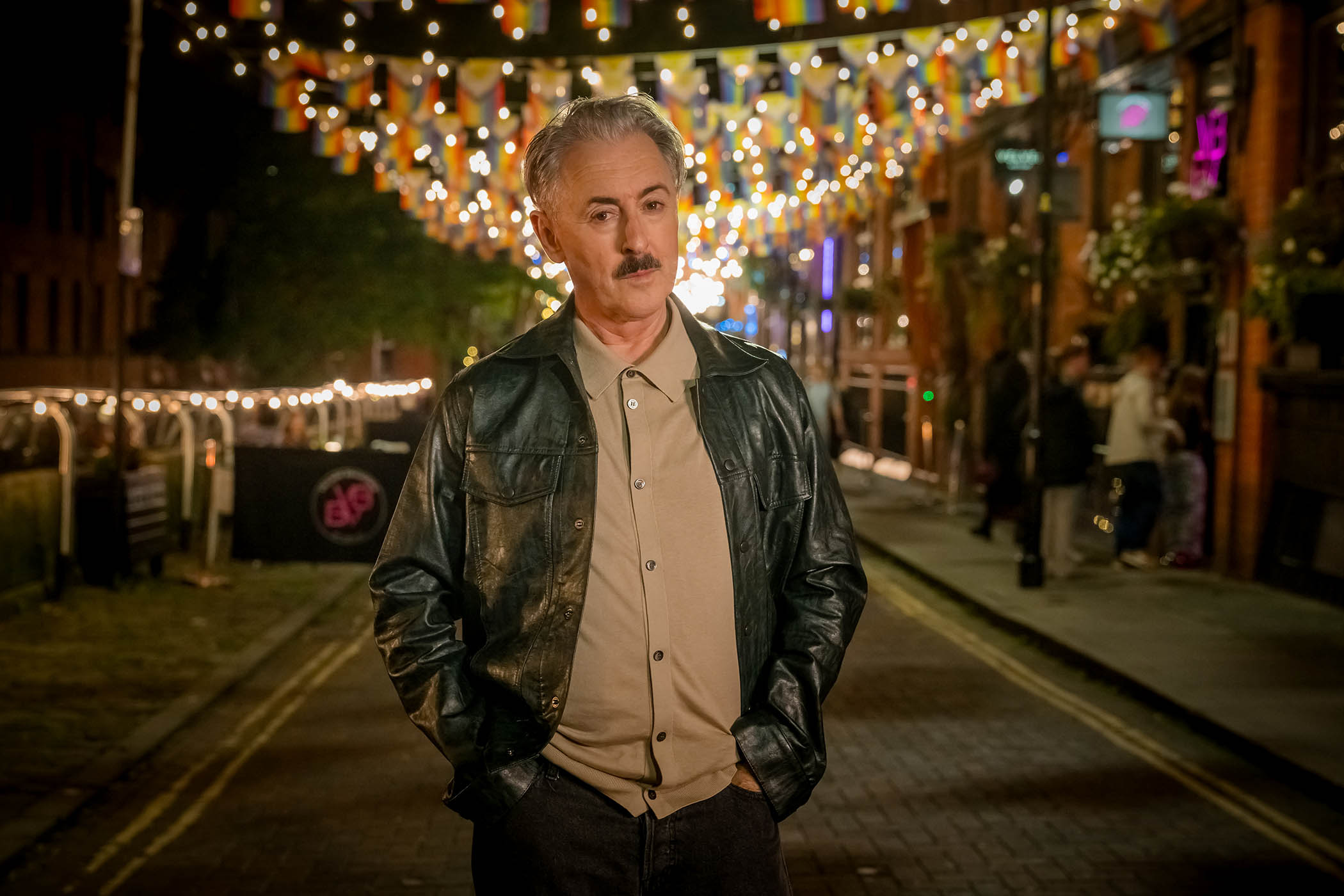
A shower of new characters includes the unnerving empty suit Whitney (Max Minghella from The Handmaid’s Tale) as Tender’s interim chief executive. There’s also Toheeb Jimoh from Ted Lasso, Charlie Heaton (Stranger Things) as a twitchy financial journalist and Kiernan Shipka (Don and Betty Draper’s daughter, Sally, in Mad Men). Returning characters include Rishi (Sagar Radia), last seen suffering series three’s most shocking and bloody comeuppance, and given scant respite here.
What else on British television comes close to Industry’s intelligence and brio?
What else on British television comes close to Industry’s intelligence and brio?
The opening episode is as sharp and cynical as ever, wielding dialogue like a non-politically correct flick-knife (“Angry black woman – is it really as reductive as that?” seethes Harper. “You are an angry black woman,” replies Eric). An anti-woke thread runs through the new series, along with sundry other themes: power, class (“Eat my shit, peasant!”), fascism, the establishment, homoeroticism, female kinship, abuse, addiction, suicide and what appear to be nods to Jeffrey Epstein in the later stages.
Industry can be just a tad overexcited and up itself. Created by two former bankers, it can also reach Succession levels of incomprehensibility with all the fintech jargon – characters routinely talk as though they were a Square Mile computer system malfunctioning. This series there are lulls, and the final episode meanders on too long. Still, what else on British television comes close to Industry’s intelligence and brio? Scene for scene, line for line, it gives more bang for your buck than any other show.
I love Agatha Christie, but mainly her Hercule Poirot and Miss Marple stories. They’re grounded in the crime mystery perennial: the psychology of human evil. A lesser tranche of the author’s oeuvre veers off into espionage territory. Agatha Christie’s Seven Dials is the new Netflix adaptation of one such novel, 1929’s The Seven Dials Mystery. Running over three episodes, it is scripted by Chris Chibnall (Broadchurch, Doctor Who) and set in the upper-crust 1920s.
Mia McKenna-Bruce is Lady Eileen Brent, also known as Bundle, while Helena Bonham Carter plays her mother and nabs all the best snooty lines (“One must never thank staff, Bundle. Where would it end?”). Martin Freeman turns up as Superintendent Battle. After Bundle’s intended, Gerry (Corey Mylchreest), is killed with a sleeping draught, she is plunged into a mystery that involves the Foreign Office, cards ordained with clock faces and secret meetings of hooded Traitors-esque figures.
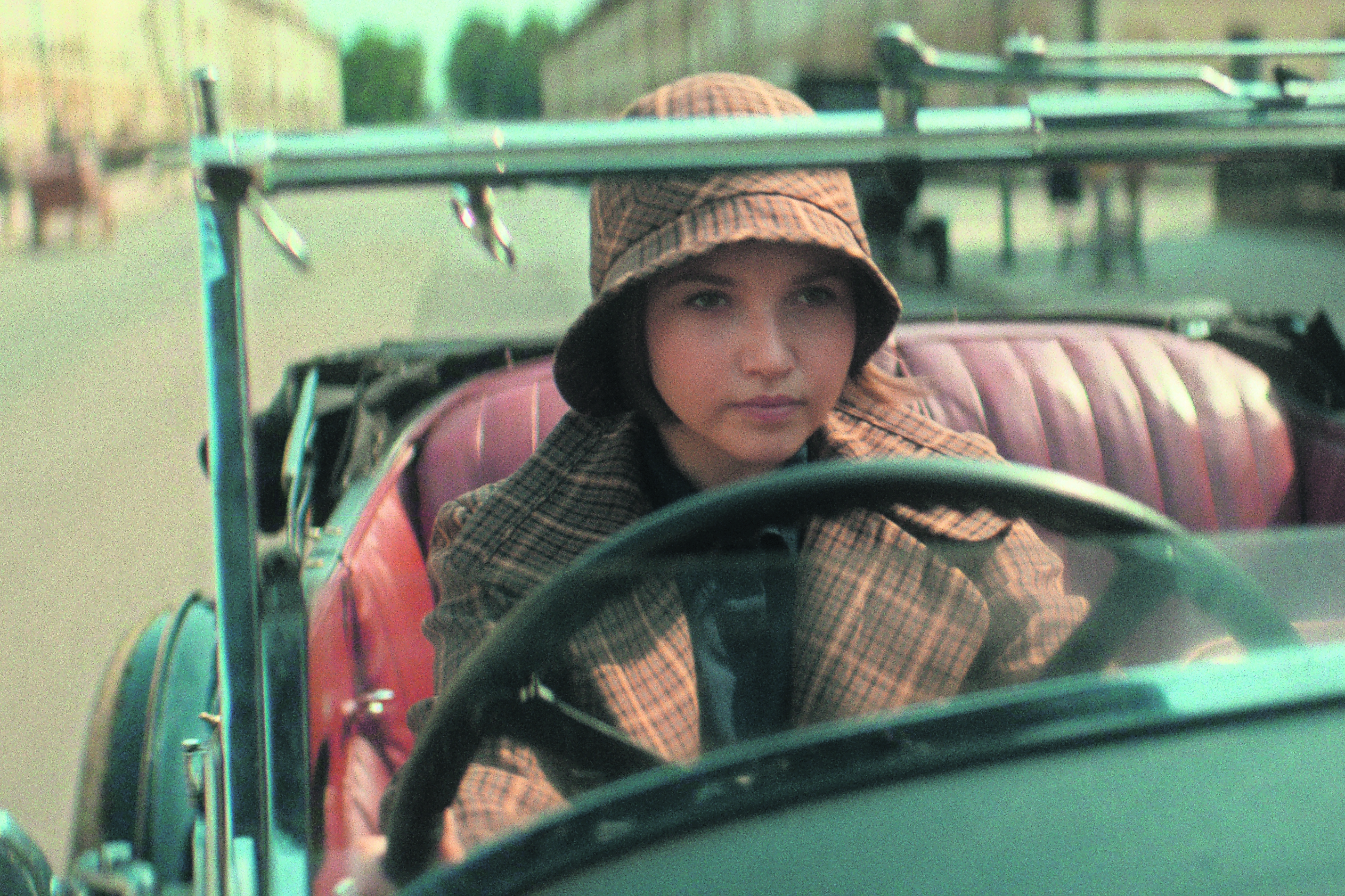
It’s well executed in classic Christie style; awash with aristo porn (mansions, titles, cut-glass accents), rooted in postwar unease and enlivened by a game cast, including Nabhaan Rizwan and Edward Bluemel. Plot-wise, alas, Agatha Christie’s Seven Dials feels dated and thin, being one of the author’s more forgettable mysteries – its skulduggery might have compelled in 1929, but it’s difficult to get excited about it now.
On National Geographic and Disney+ is Pole to Pole With Will Smith. Chaperoned by expert guides, the Hollywood star travels from the south pole to the north pole in 100 days, taking in seven continents and extremes of nature – thrashing seas, arid deserts – while looking into climate science along the way. The series begins at the south pole, the inhospitable “frozen continent” of Antarctica, with Smith battling blizzards and hacking his way up vertical ice. In other episodes available for review, he searches for an anaconda and visits the Waorani tribe in the Ecuadorian Amazon rainforest.
Newsletters
Choose the newsletters you want to receive
View more
For information about how The Observer protects your data, read our Privacy Policy
This isn’t Smith’s first nature series, but Pole to Pole feels like reputational rehab. Most will be aware of the 2022 Oscar ceremony – the same night Smith won an Oscar for King Richard – when he slapped host Chris Rock for making an off-script joke about his wife Jada Pinkett Smith’s shaved head (she has alopecia). Smith hasn’t appeared in many films since.
Other troubles include an accusation involving alleged “predatory behaviour” from a professional violinist, which Smith denies. It’s all alluded to here (“I’ve had a couple of really big storms these past couple of years”). In a trailer for an episode set in the Himalayas, he muses to a Tibetan monk: “I tasted the top of fame, money, success and then watched it fall apart.”
Elsewhere, our host comes across well, getting stuck in and lampooning his Hollywood persona: “Give me a second to get my movie star face back!” You sense that Smith has suffered far more inhospitable places than the icy wastes of Antarctica.
Photographs by BBC/Netflix