
The title of Ben Sanderson’s two-part docuseries See No Evil makes it sound like pedestrian true crime fare, which doesn’t do it justice. It’s truly disquieting viewing, detailing the Church of England’s worst child abuse scandal, which involved more than 100 boys and was cited by Justin Welby when he resigned as archbishop of Canterbury last year.
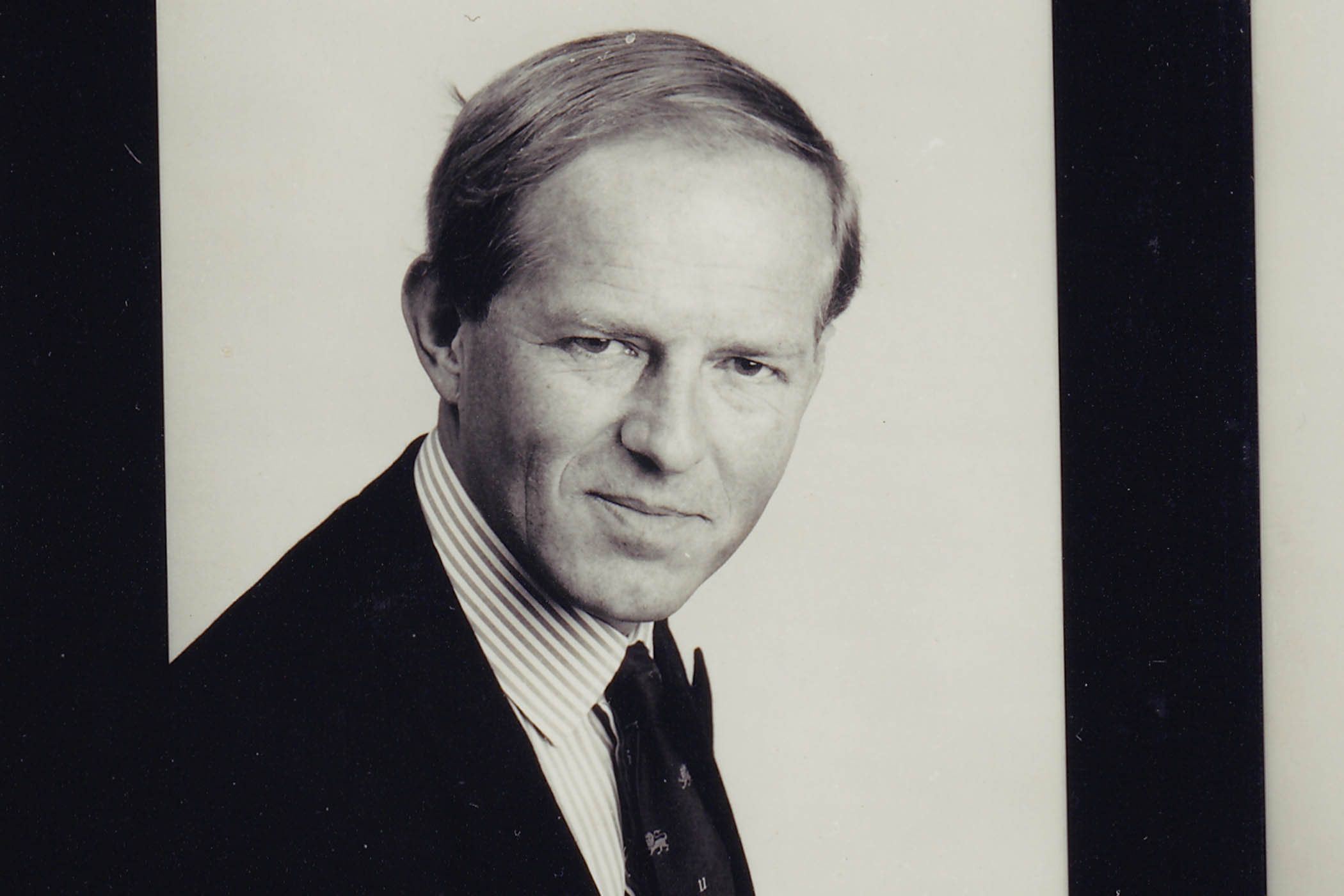
The prominent barrister John Smyth ran Christian summer camps in Iwerne, Dorset, which were financed by the former Iwerne Trust during the 1970s and 80s and attended by pupils from the prestigious Winchester College. A charismatic figure, Smyth groomed impressionable homesick boys, making them skinny dip and subjecting them to sadistic beatings and canings – until they bled – in his shed at his family home. Smyth’s wife, Anne, tended to their wounds and gave them cushions to sit on.
When the abuse came to light, the church covered it up, sending Smyth to Zimbabwe, where he ran more camps and continued the beatings. One teenager, Guide Nyachuru, was found naked and dead in the pool, after which Smyth was charged with culpable homicide, only for the trial to be abandoned when he discredited the prosecutor. In 2017, Smyth was doorstepped during a visit to the UK by Cathy Newman – who is interviewed in the programme – for Channel 4 News, but he died of a heart attack in 2018 before he could face justice.
Here the survivors tell their traumatic stories. Smyth told them he was cleansing them of their sins; one attempted suicide. Smyth’s children also speak; his daughters say they felt their father was “unsafe” and his son relates how he eventually recalled his own beatings. Welby – not interviewed – denies knowledge of Smyth’s crimes, but he worked at the Iwerne camp as a dormitory officer during the late 1970s and was acquainted with Smyth, who was head of the Iwerne Trust between 1974 and 1981. The 2024 Makin review confirmed that senior church leaders knew of Smyth’s abuse as early as 1982.
Smyth told his victims he was cleansing them of their sins; one attempted suicide
Smyth told his victims he was cleansing them of their sins; one attempted suicide
This is a horror story of sadism, power and top-level church concealment that enabled a perpetrator to continue for a further 35 years. Another person interviewed is dutiful religious wife Anne, who was bullied and belittled by her husband. Was she complicit or, as her children attest, his “first victim”? In a halting, dissociated tone, Anne, now living in Cape Town, speaks of her relief when he died. For the survivors, she feels “desperately sorry that I wasn’t strong enough to stand up to him”. It’s just one raw moment among many in a documentary that’s almost too painful to watch.
There’s no sign of Doctor Who – Billie Piper or otherwise – in Russell T Davies’s The War Between the Land and the Sea. The final offering from the BBC’s now axed Disney+ deal, this is a Whovian-adjacent eco-thriller. It stars Russell Tovey as Barclay, an underling mistakenly drafted in to help military agency Unit (Unified Intelligence Taskforce) with the re-emergence of an ancient sea species (borrowed from a 1970s Doctor Who plot) now called “homo aqua”. They’re blue, with gills, like cut-price fishy Avatars. Gugu Mbatha-Raw plays one of their leaders, Salt, who rails at humans for polluting the oceans.
At first, it’s hard work; preachy and clunking (“It’s time people like me had more of a voice”). There are interesting set pieces, though; homo aqua emerging from the waves like silent sentinels, and litter raining down on the land to show what’s being done to the seas. As the five episodes unfold, the series markedly improves, weaving an interspecies love story into the environmental themes, and with a darker, more urgent tone than Doctor Who. For those who persist, the final moments are poetic and beautiful.
In Simon Cowell: The Next Act, the pop impresario/antichrist (delete as appropriate) embarks on a six-episode Netflix quest to put together a boyband, echoing his glory days of The X Factor and One Direction. He muses: “If this goes wrong, it will be: ‘Simon Cowell has lost it.’” Certainly, he’s not the pervasive cultural force he once was. Love him or hate him, Cowell was, for a while, a genius, albeit at television, not music – a detail that almost endearingly continues to elude him.
The Next Act rehashes the template of Pop Idol, first won by Will Young in 2002. These days, cruelty isn’t acceptable, so Cowell limits himself to looking world-weary as a parade of hopefuls, most sporting identikit haircuts, wail bland ear-slop at auditions. It becomes a monotonous churn of synthetic peril; which of these mostly interchangeable youths will be chosen to vanquish the all-conquering K-pop and which will be sent home? When One Direction’s Liam Payne dies, Cowell is devastated but, after consideration, the show goes on.
This being the era of sterile celebrity “hack-umentaries” – see the Beckhams – Cowell is shown bickering with his partner, Lauren, the mother of his son, while hooked up to a vitamin IV drip. The self-styled Howard Hughes of pop wears the same clothes every day and eats half a toasted crumpet at a time. But something is off: Cowell seems jittery, unconfident, not his usual happy, smug self. He comes across as a man out of time, scrabbling for one more golden moment of relevance. Ultimately, The Next Act is fascinating, but not for the reasons it wants to be.
Newsletters
Choose the newsletters you want to receive
View more
For information about how The Observer protects your data, read our Privacy Policy
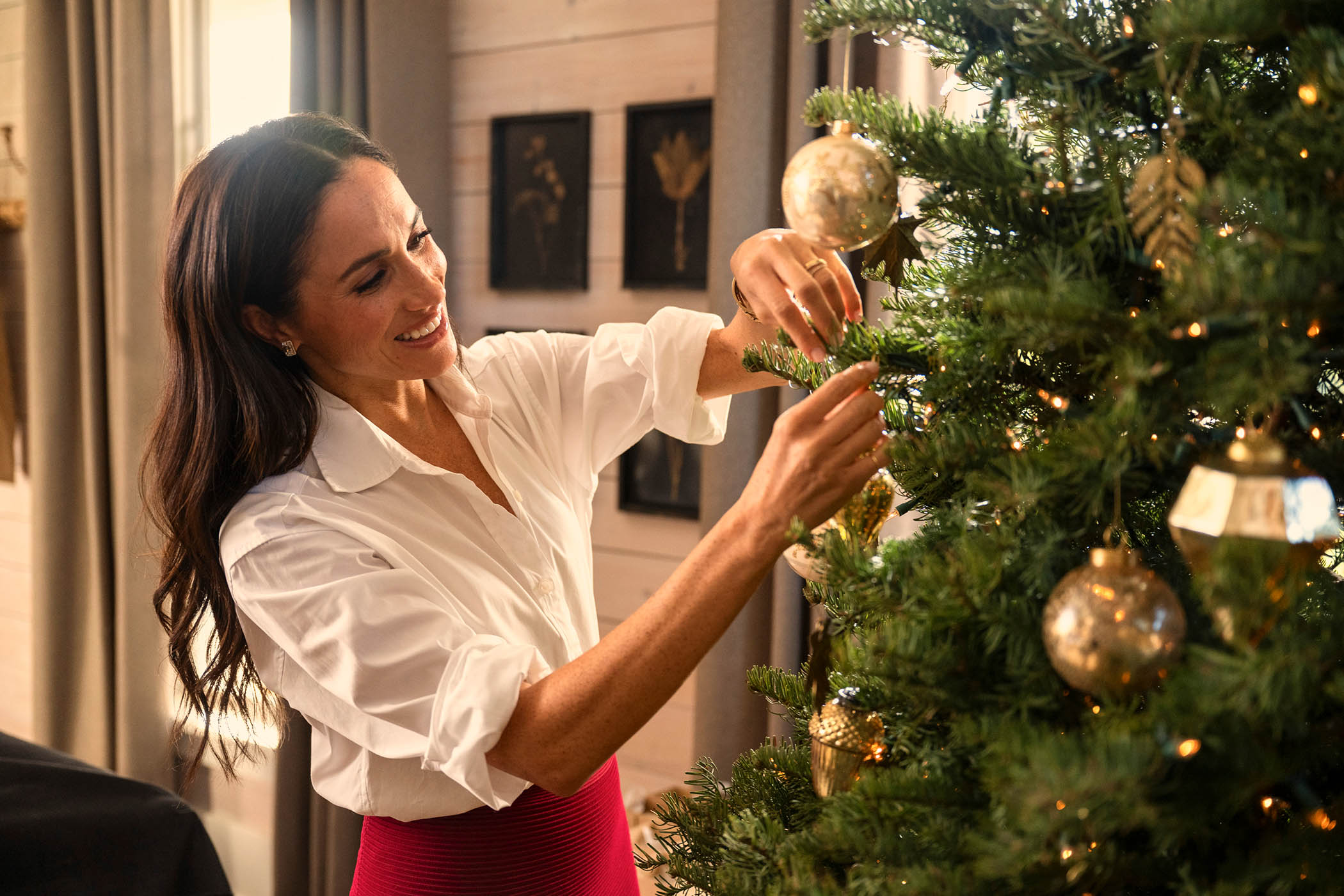
“Shall we go craft?” cries Meghan in her festive Netflix series
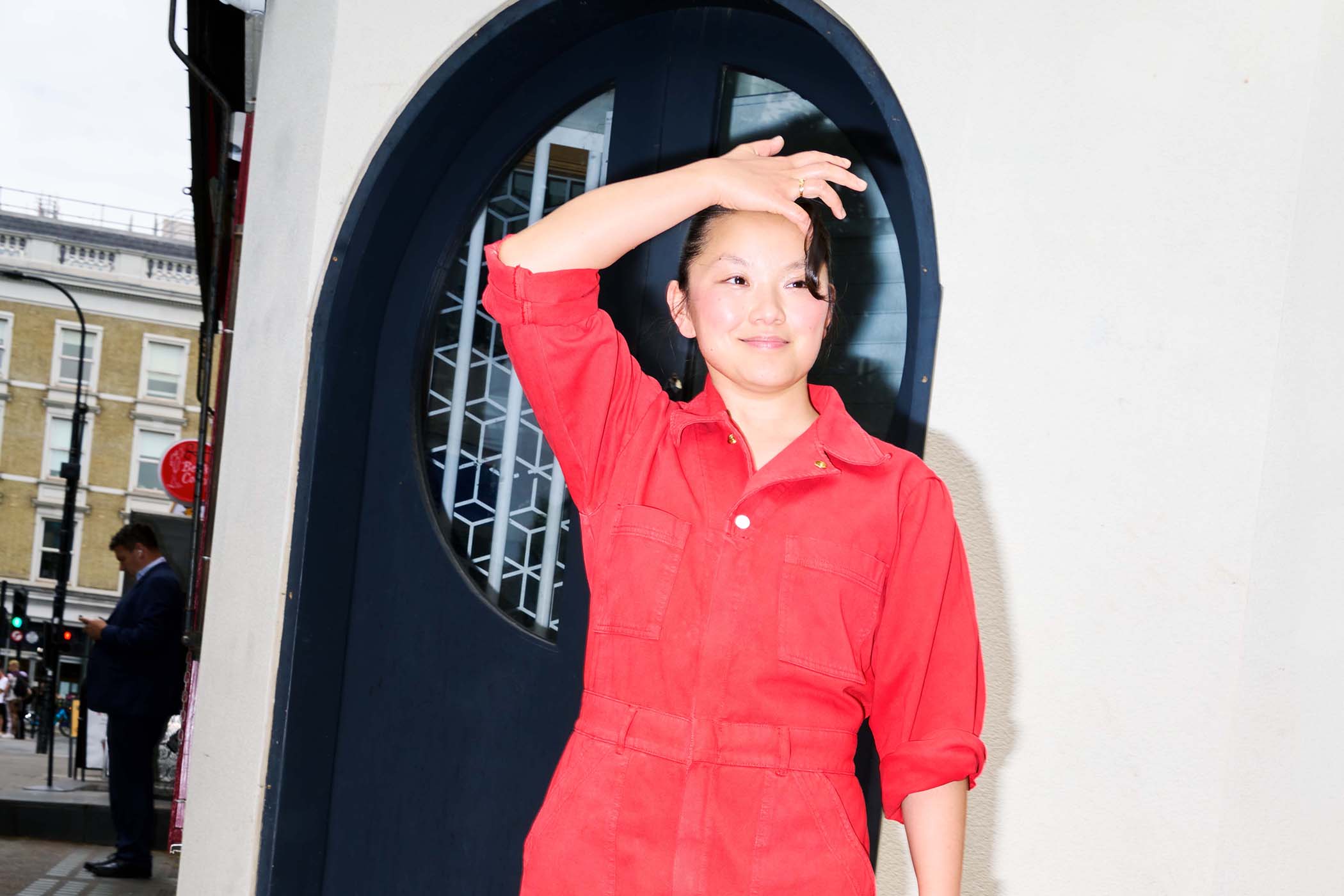
Still on Netflix, there’s With Love, Meghan: Holiday Celebration. The Duchess of Sussex brings the Christmas bling, complete with homemade crackers, festive wreaths and piquant vignettes of wisdom about “love for the holiday season”. Tennis ace Naomi Osaka is one of the guests stiltedly popping in. “Shall we go craft?” cries Meghan, and – lo and behold! – the first top-ranking Asian player in Women’s Tennis Association history is obliged to paint a plate like she’s a nine-year-old on a playdate.
It’s weirdly compelling – an elitist pantomime. “We appreciate you, bees,” trills Meghan, as she cooks up a pear, cinnamon and honey concoction. Towards the end, hubs Harry just happens (ahem) to pass by to say cheekily of Meghan’s gumbo dish: “I’m not sure it’s as good as your mum’s but it’s certainly close.” Once again, the Sussexes are in their scripted reality pomp, and not all of it seems confined to the screen.
Photographs by Passion Pictures/Channel 4