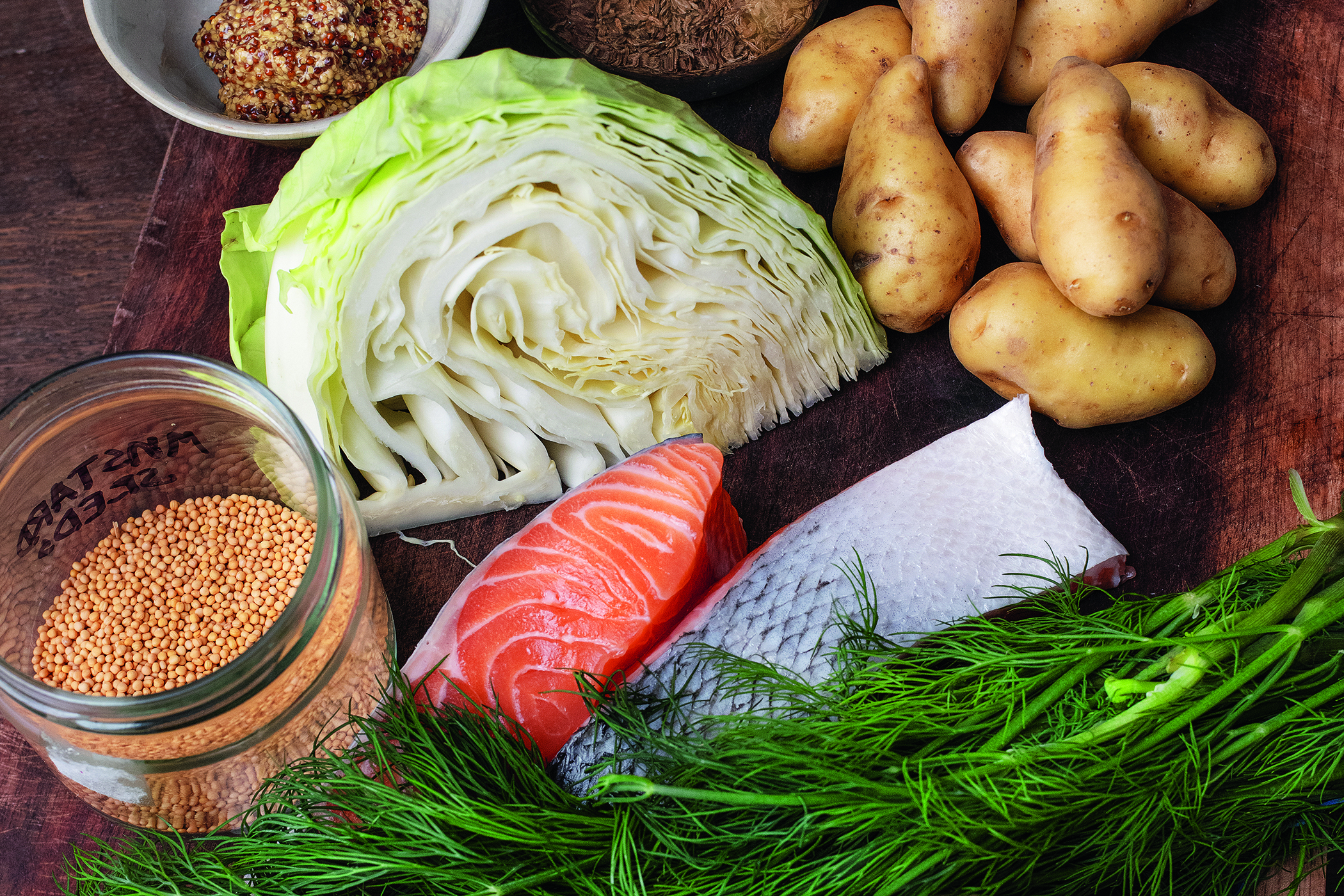


From time to time I make my own sauerkraut, tumbling the shredded cabbage, vinegar, salt and aromatics with my hands, then leaving it to do its thing. The feel of sea salt, caraway and juniper on my fingers is pleasing, and the idea of the crisp, white leaves softening overnight, taking up the sourness of the vinegar, is some sort of magic. I interfere only to turn the mixture over now and again, as a gardener might turn their compost.
On other occasions my need for a hit of sour, sharp, salty cabbage is more immediate and for that I turn to the jars of ready-made sauerkraut, with or without garlic, with carrot or beetroot or red cabbage – take your pick(le). There is a third way, too, and this fits better with the way I shop and eat: the instant sauerkraut – the result of simmering shredded white cabbage with vinegar and caraway, then setting it aside to rest while I continue cooking. Those who ferment for a hobby, look away now, but this method gives the sourness I need in very little time.
This week I tossed a batch of quick cabbage pickle and its almost addictive piquant juice with crisp-skinned roast potatoes to accompany some sweet, mustard-spiced salmon. Brushed with a paste of honey, seedy mustard and melted butter, the salmon had a mild sweetness that worked neatly with the vinegar hit of the cabbage. A dinner of contrast and harmony.
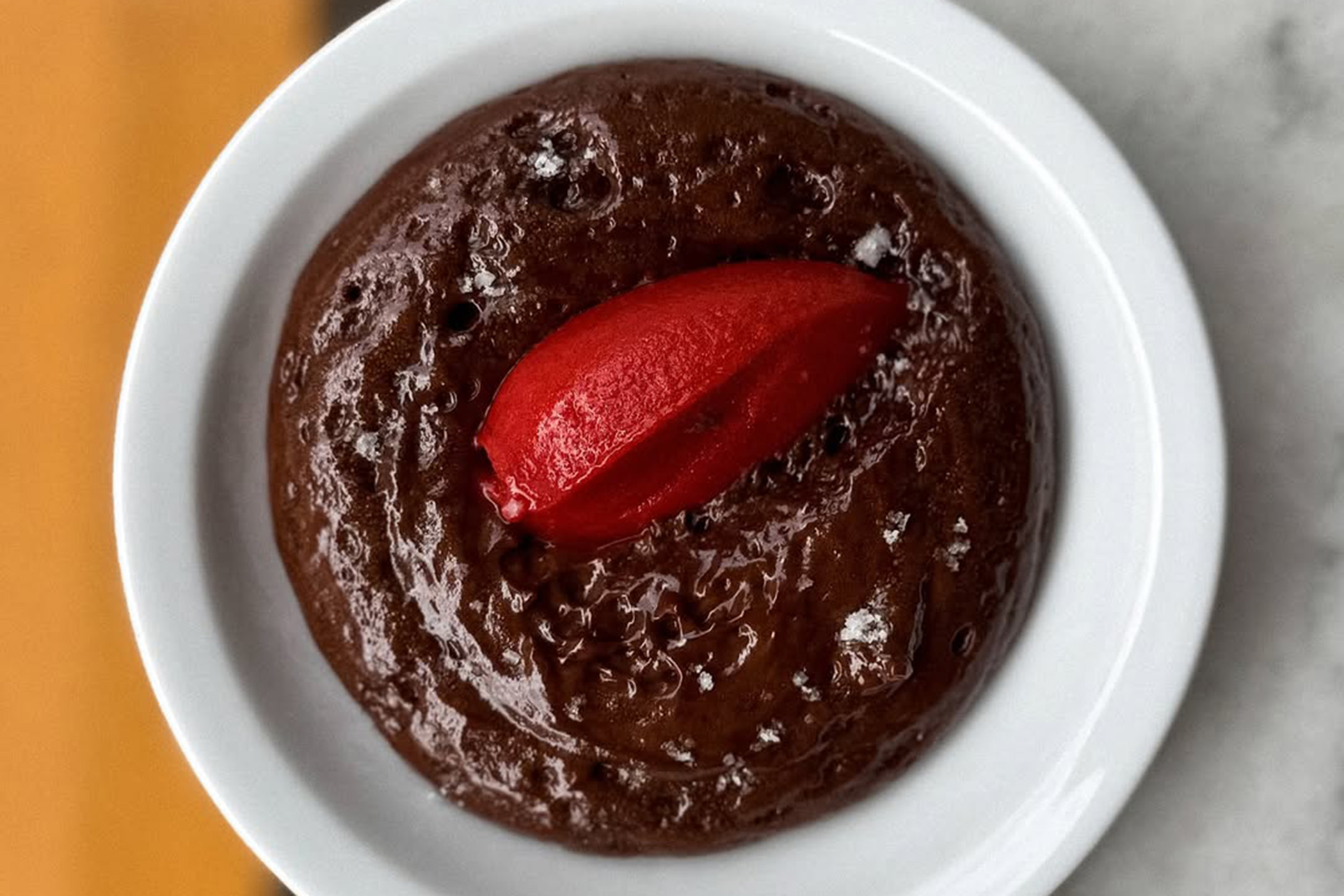
Chocolate-loving friends arrived this week and I made a panna cotta to celebrate. You need very little gelatine in a chocolate version, and I suggest you bring them out of the fridge half an hour in advance of serving. I sat a crisp sesame snap on the plate with them.
The classic spring weather of sun and showers has seen the kitchen herbs coming on a treat. Last year’s woody herbs, the thyme and rosemary, along with the more tender garlic chives and mint, have been repotted into larger containers with plenty of grit. They will sit in the sunniest part of the garden all summer. Plants to run my fingers through each time I walk past. Herbs to inhale as much as to cook with. I will use only the tender growing tips of each in the kitchen, letting the plants constantly renew themselves.
It won’t be long before we can once again eat in the garden. The zinc table was polished this week (I still have the scent of wax on my fingers), the cobwebs have been blown from the garden chairs and new candles secured in the lanterns. I am already wondering what our first meal outside will be, plotting something with the first fronds of fennel and sprigs of mint.
Already, the season ahead feels exciting, lush with good things to cook, eat and share, a time of delicious possibilities. For now, grilled salmon with sauerkraut and new potatoes will work just fine.
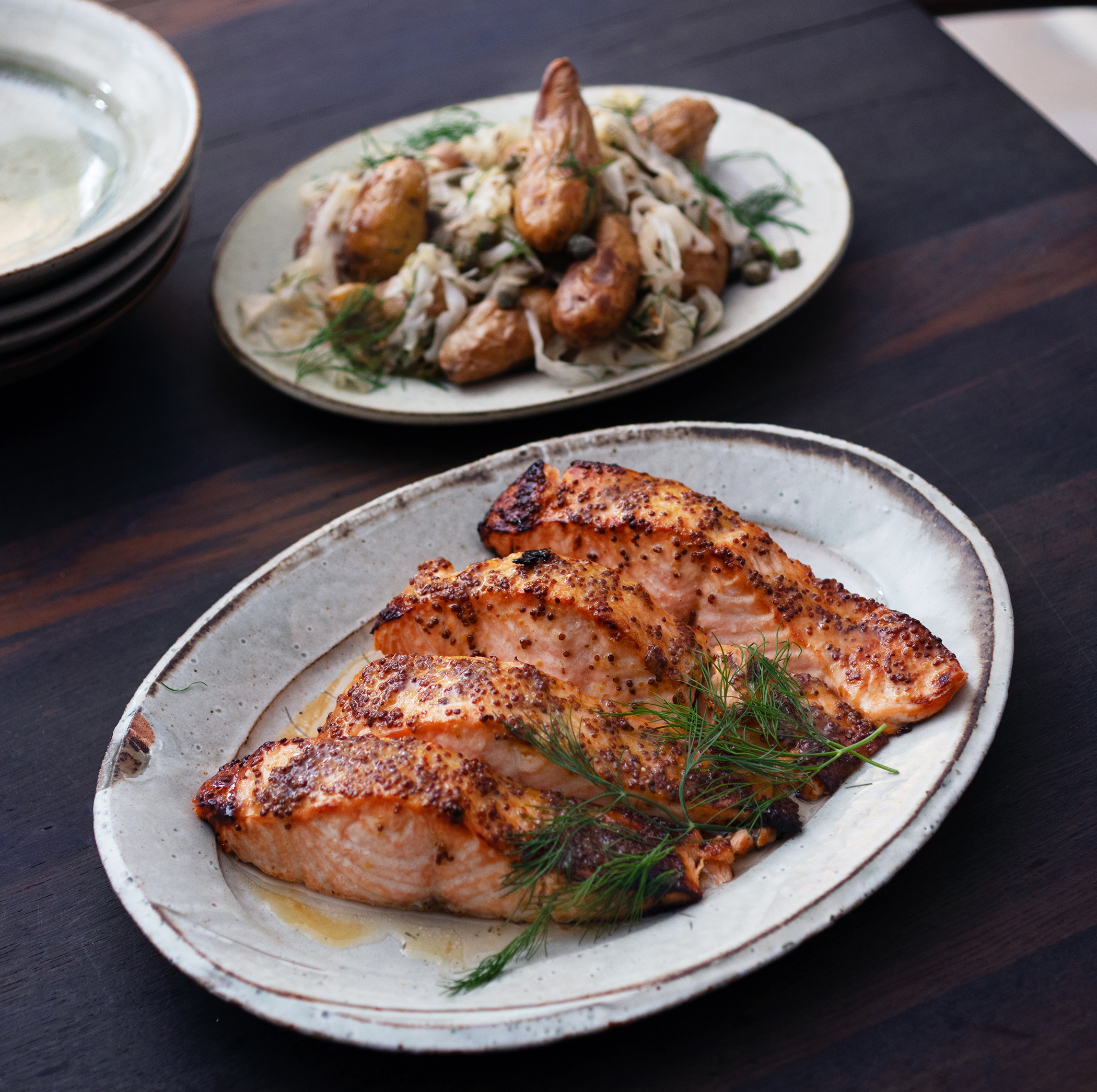
I asked the fishmonger to cut four pieces from the thick end of the fillet for this. Lift the slices from the roasting tin with a palette knife, sliding the blade in between the skin and the flesh, the fish should come away easily. You could also cook the salmon as a whole piece and slice it at the table.
Serves 4. Ready in 1 hour
new potatoes 1kg
olive oil 3 tbsp
butter 30g
grain mustard 3 tbsp
honey 3 tbsp
salmon fillets 4 x 200g
dill a little
capers 2 tsp
For the sauerkraut
hard white cabbage 700g
vinegar 150ml
salt 1 tbsp
water 100ml
yellow mustard seeds 1 tsp
caraway seeds 1 tsp
black peppercorns 8
dill 10g
First make the sauerkraut. Using a large knife, finely shred the cabbage. Put the vinegar, salt, water and cabbage into a large saucepan and bring it to the boil. Scatter in the mustard and caraway seeds and peppercorns, cover with a lid and leave to simmer for about 20 minutes until the cabbage has relaxed. An occasional stir and a check on the liquid level will prevent it from scorching.
Scrub the potatoes, put them in a deep pan and cover with water, season generously with salt, then bring to the boil. Cook for about 20 minutes until tender to the point of a knife.
Set the oven to 220C/gas mark 8. Drain the potatoes, then put them in a roasting tin, pour over the olive oil and season lightly. Roast for 25 minutes, but do not take out of the oven.
Meanwhile, put the butter, mustard and honey in a small pan and melt over a medium heat until it starts to bubble. Put the salmon in a roasting tin or baking sheet, leaving plenty of space between each piece. Brush generously with half the butter and mustard paste, grind over a little salt, then place in the oven and roast for 15 minutes, after which time brush the salmon with the remaining honey mustard glaze then return to the oven and roast a further 5-7 minutes.
Chop the dill and stir into the sauerkraut, with the capers. Remove the potatoes from the oven then toss with the sauerkraut and transfer to a serving plate. Using a palette knife, lift the salmon on to a serving plate and bring to the table with the roast potatoes and sauerkraut.