A cooling sea breeze and patchy internet made Snape Maltings last Monday feel remote from a UK in meltdown. No complaints. We knew enough – extreme heat, prime minister’s resignation – and could fix our minds on the music. The home of the Aldeburgh festival, set up by the composer-singer partnership of Benjamin Britten and Peter Pears in 1948, has always had an air of separateness. Big skies, reedbeds and water-reflected light do that. At the same time, since its postwar origins, the festival has been a magnet for international musicians, especially composers, while having Britten’s music at its heart.
The balance of renewal and loyalty to the tradition established by Britten and Pears has been handled with grace, however tricky it might have been. Each year, a fresh initiative, often quietly, and only noticeable if you are looking, expands the festival’s reach. Commissioning works and training young talents are always key, this year with conductor-composer Ryan Wigglesworth and pianist James Baillieu as the new associate directors of the Britten Pears young artist scheme.
A capital programme of £14.1m is under way to modernise the concert hall and its surroundings, including studios and practice rooms in the Britten-Pears building. The mercilessly uncomfortable seats, uniquely and inexplicably designed for square bottoms, will be replaced. Name one yourself for £600 or £1,000. Coastal flooding is always a threat. In the Suffolk tidal surge of 2013, the low-lying site came within 8cm (3in) of catastrophe: defences will be improved, at a cost of £2.8m, well ahead of the next threatened surge (calculated as 2055).
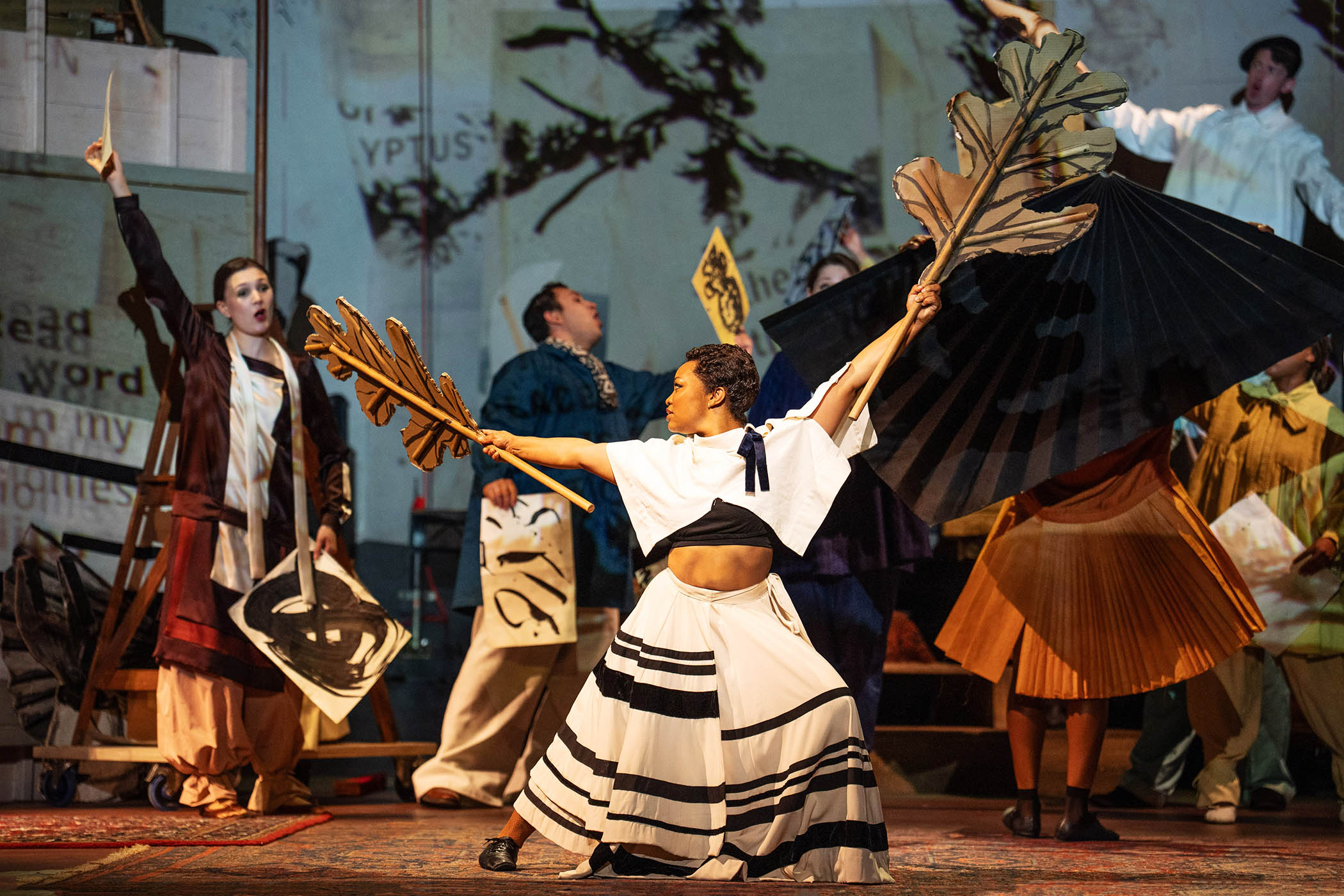
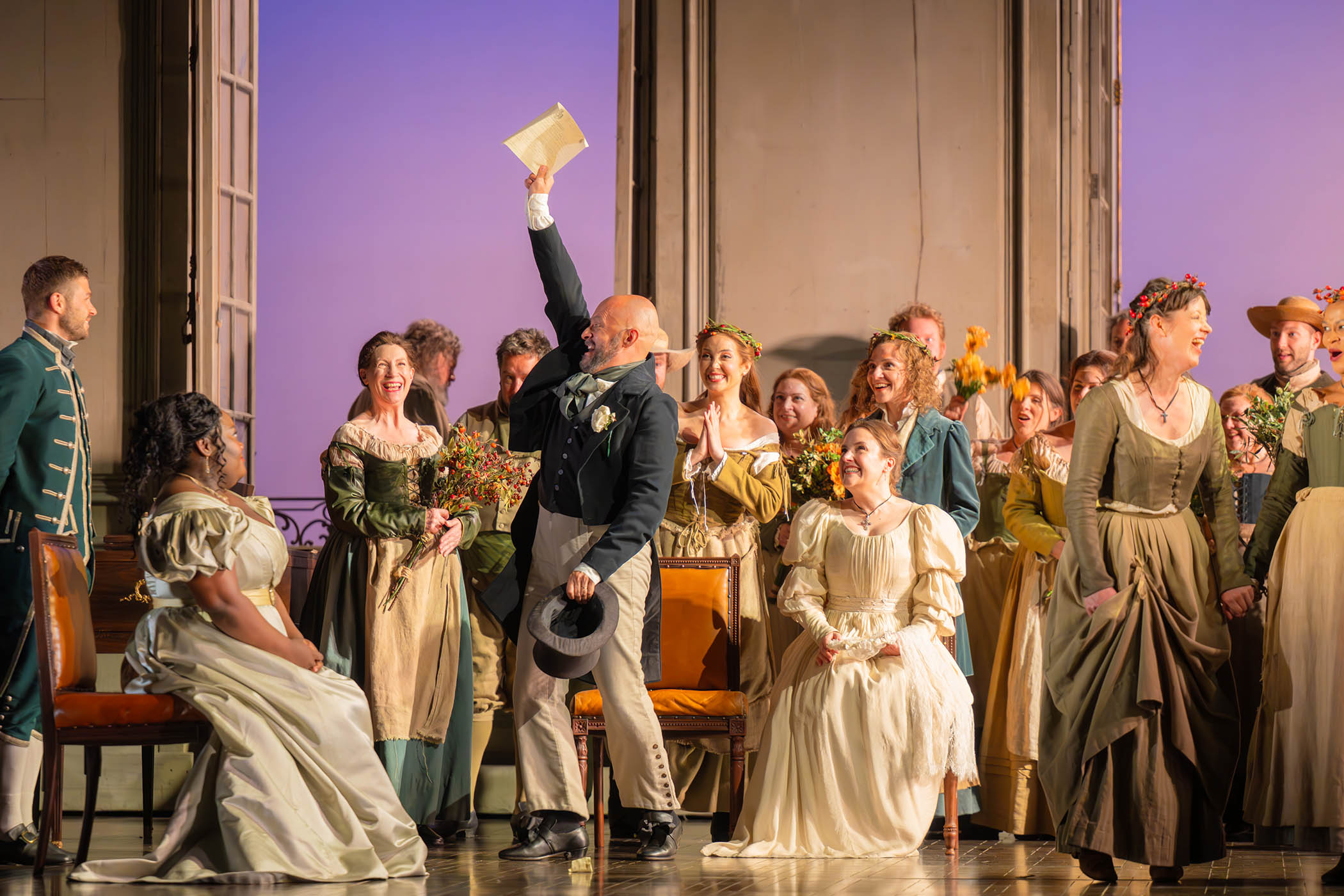
This year marks the 50th anniversary of Britten’s death on 4 December 1976, aged 63. Commemorations will reach a peak later in the year with a new community opera by Errollyn Wallen, master of the king’s music; a response to Britten’s own pioneering community opera Noye’s Fludde, first performed at the festival in 1958. This year featured nearly two dozen works by Britten. It’s a reflection of the ingenuity of the programming – which also marked the centenaries of György Kurtág, Morton Feldman and Hans Werner Henze – that, on two separate visits, I did not hear one note of Britten.
This was not intentional (he is the reason I first wanted to write about music at all), but a result of my own comings and goings. Instead, I heard a group of solo and chamber concerts: Steve Reich, Debussy, Rebecca Clarke and Kurtág played by the impressive Carducci Quartet, and belle époque chansons appealingly performed by the French duo of mezzo-soprano Adèle Charvet and pianist Florian Caroubi. They offered a heady mix of Bizet, Massenet, Fauré, Hahn and Koechlin. Perhaps, for a hot June day, there were one too many songs about the cold stone of the tomb but that might have just been me.
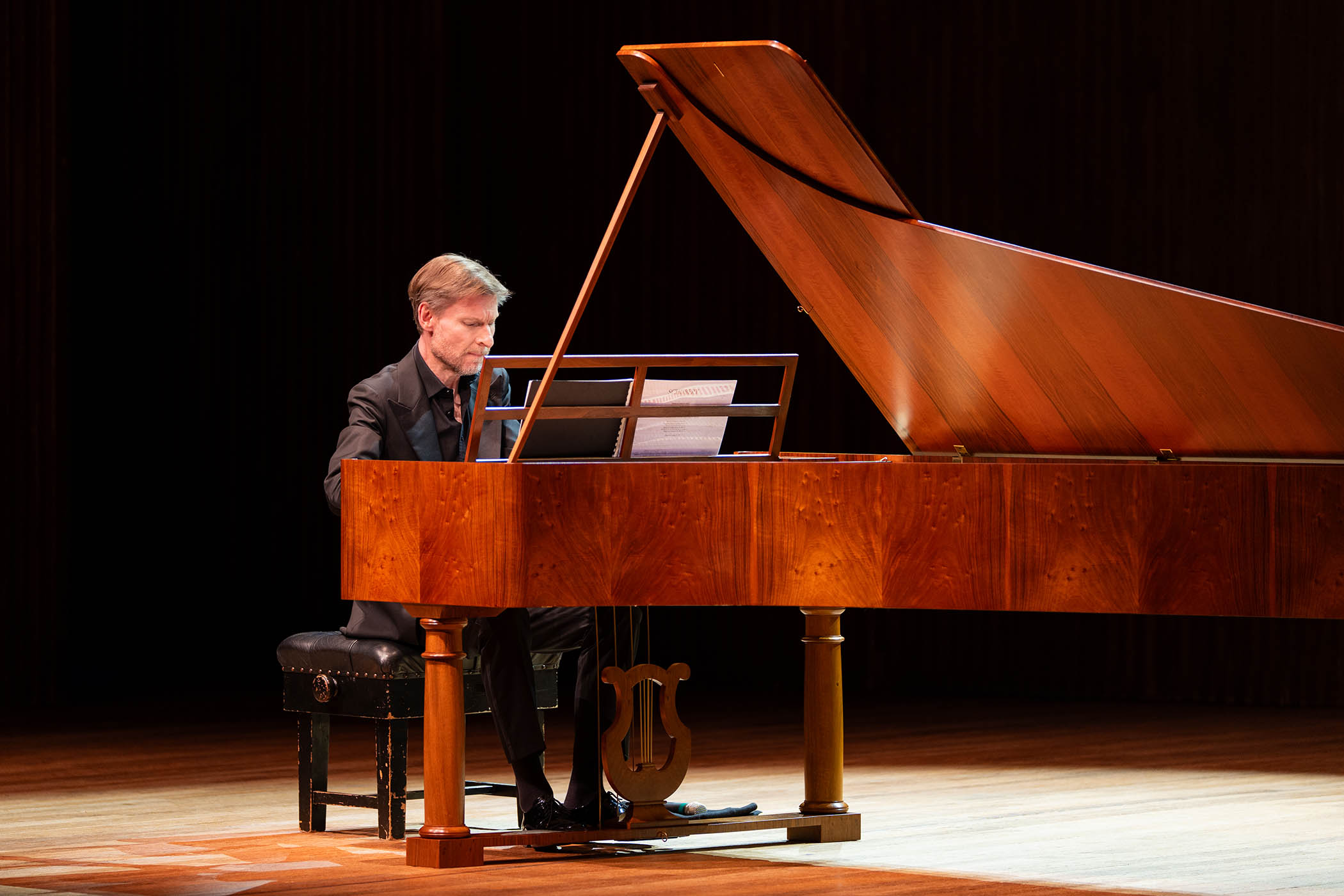
The Australian keyboard player Kristian Bezuidenhout, who gave a recital of early Schubert works, left an indelible impression. He played, as would have Schubert, a fortepiano: wood-framed, light to the touch, with a clarity of sound less easily achieved on a modern, iron-framed piano. The short dances and a set of variations (in A minor, D576) were mostly unfamiliar, embryonic, glinting with hints of where Schubert’s imagination would lead. We heard its rich flowering in the Sonata in E flat, D568 (1826), at first turned down by his publisher as too difficult, then released after his death two years later.
Without fuss or show, Bezuidenhout transported us from the industrial aesthetic of the brick-and-timber Maltings hall to a stuffy Viennese salon or smoke-filled coffee house. This peerless musician is one of the world’s great players. Because he favours performance on early instruments, he is not as well known as he should be. Seek him out.
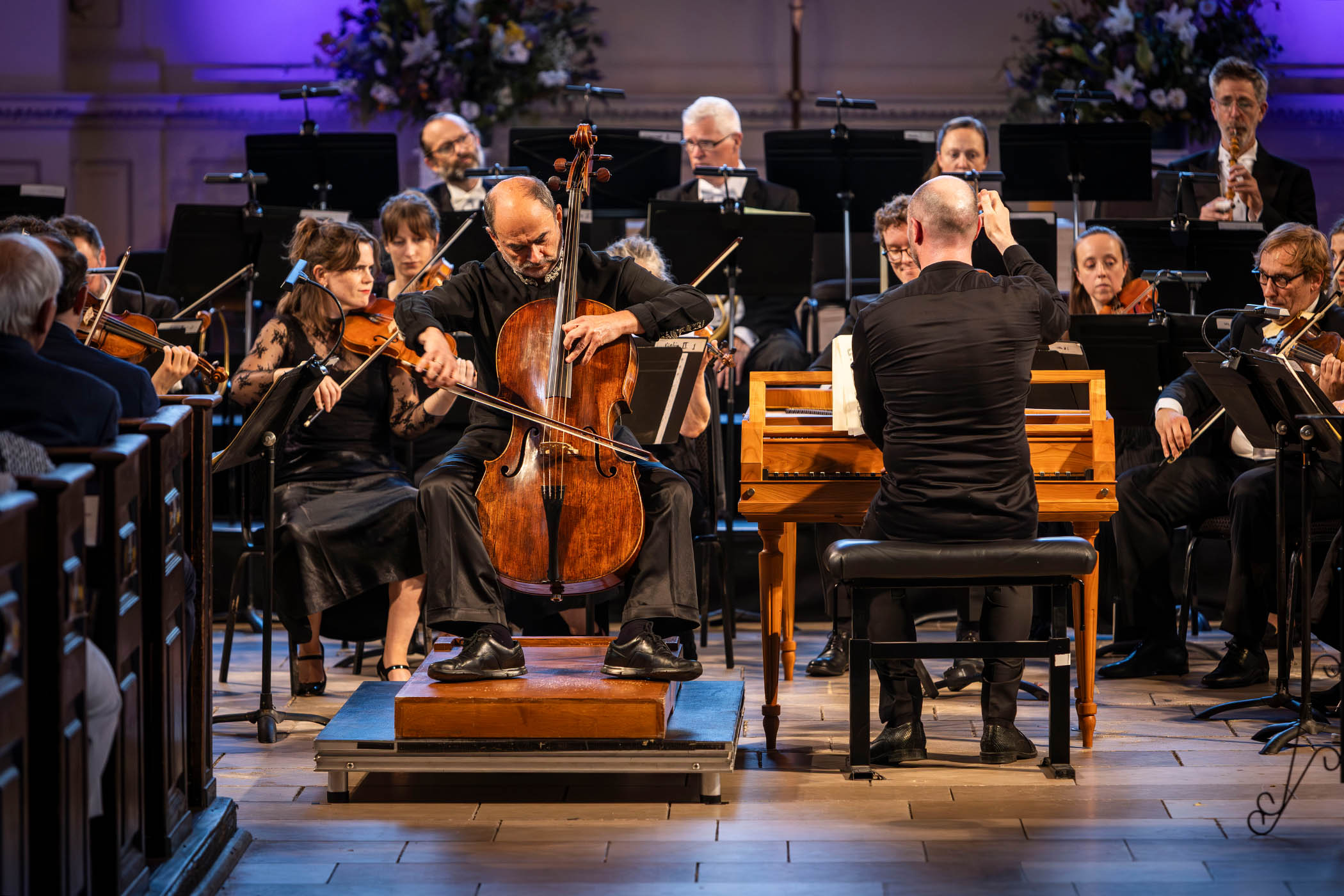
English Baroque Soloists Peter Whelan conductor and cellist Christophe Coin perform at St Martin-in-the Fields
Away from Aldeburgh, another concert made an energetic impact: Haydn in London played by the English Baroque Soloists (EBS), conducted by Peter Whelan at St Martin-in-the Fields (under the Monteverdi Choir and Orchestra banner), with Christophe Coin an elegant, if mellow, soloist in the Cello Concerto No 2. Haydn, mostly confined to the court in Austria, came to London in the 1790s, when he wrote two of his finest symphonies: No 100 “Military” and, his last and greatest, No 104 “London”.
The EBS played these – plus JC Bach’s Symphony in G minor – with a gleeful rush of stormy energy and taut, vigorous detail. I’ll take my cue from an early performance of both Haydn works at what is now His Majesty’s theatre, in Haymarket, on 4 May 1795, when an audience member scribbled on their programme: “very good”, “very noisy” and “grand but very noisy”. Plain words are best.
Photographs by Angus Cooke, Paul Marc Mitchell
Newsletters
Choose the newsletters you want to receive
View more
For information about how The Observer protects your data, read our Privacy Policy