In this season of giving, my offering – possibly unwanted – could be a list of new operas once performed and collectively forgotten. It would be personal (I’d have seen them) and long: with a bit of cheating I might manage a top 50. Nor would they all be awful. Even good ones whoosh into life, ignited by artistic hope and PR pizzazz, then sputter into oblivion. Repeat performance is the elusive grail. When a work catches the imagination – George Benjamin’s Written On Skin, Thomas Adès’s Powder Her Face, Mark-Anthony Turnage’s Festen – it may be taken up, explored, understood. Imagine thinking you had “got” a Tom Stoppard play or an Anselm Kiefer painting after one encounter.
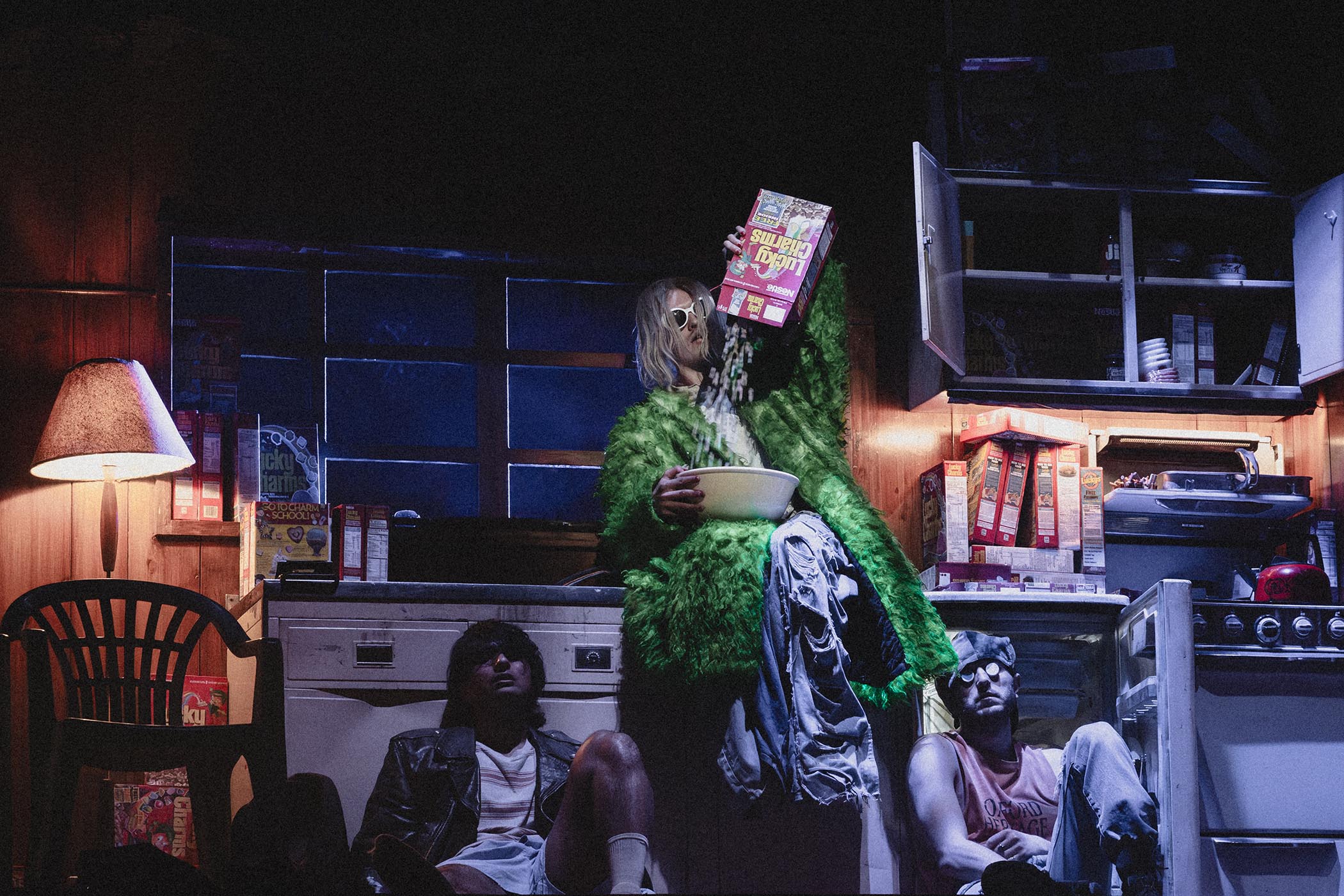
Last Days, by the composer Oliver Leith and librettist/art director Matt Copson, turned heads at its 2022 world premiere at the Royal Ballet and Opera’s Linbury theatre. In that post-Covid fog, the show had a buzz but was relatively low-key. Its cool subject matter won appeal beyond the usual operatic reach: an adaptation of Gus Van Sant’s 2005 film of the same name, based on the lead-up to Kurt Cobain’s suicide in 1994. “American grunge legend” was, perhaps for the first time, a phrase on adventurous opera-goers’ lips.
In the interim, Leith’s reputation has snowballed. The score has since been recorded and had a one-off performance in Los Angeles in February 2024. His operatic epic Garland (the one with the horse) premiered in September, and was a highlight of the year. Now the Linbury has acted boldly and brought Last Days back for 16 performances over the holiday season. Leith has tightened it. There are cast changes, but the conductor, Jack Sheen, the players, 12 Ensemble, and the percussion and keyboards of GBSR Duo, are the same. In a house debut, actor Jake Dunn (Renegade Nell) plays Blake the non-singing central character inspired by Cobain who shuffles and mutters in a spiral of lonely torment. Patricia Auchterlonie returns as Superfan, leading an expert cast of freeloaders, housemates, agents, fans. Once again her interaction with a recording of the American indie pop star Caroline Polachek singing a fake opera aria – but what is real? – acts as an emotional touchstone.
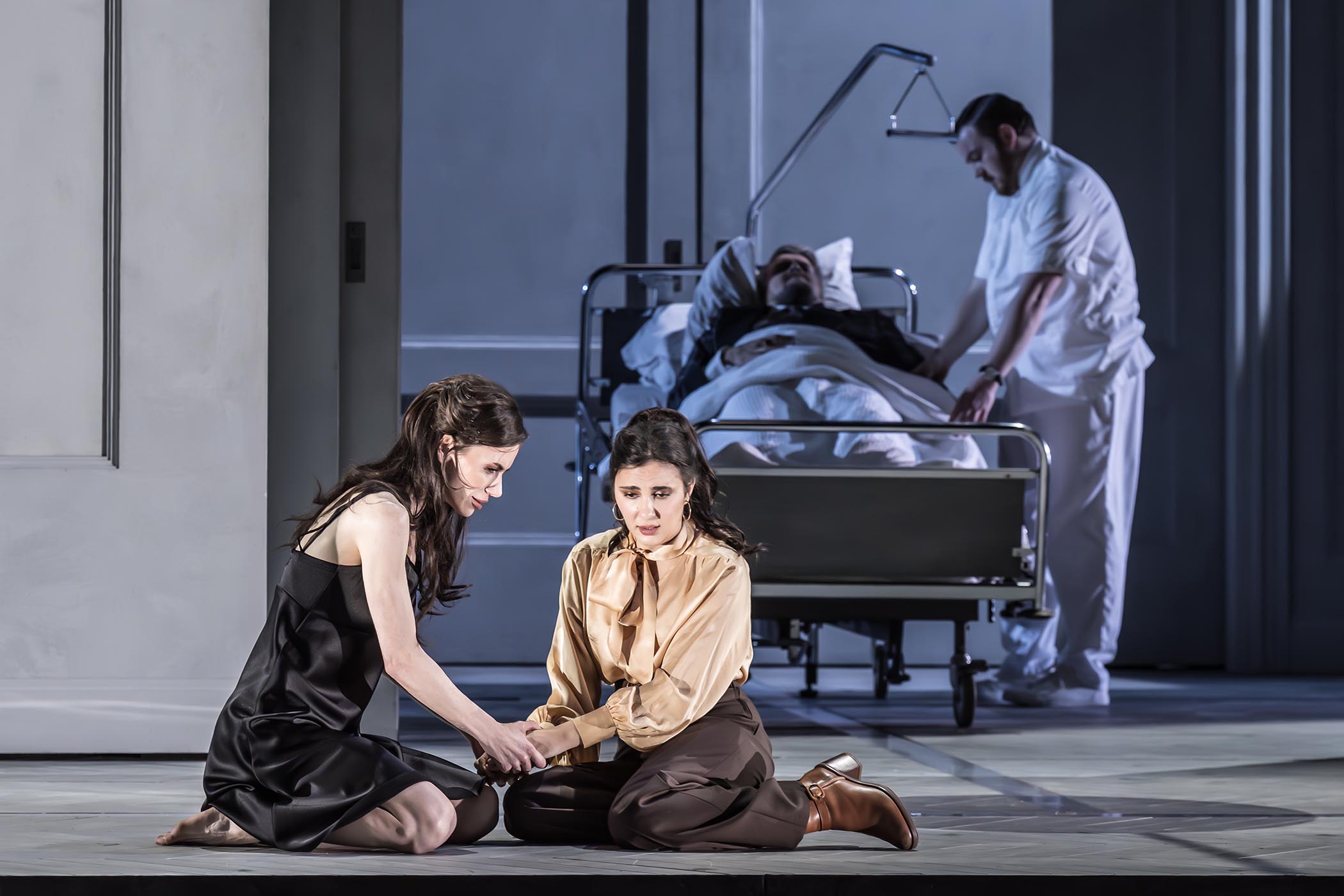
‘You sense the audience gripped, motionless, in awe’: Ariodante at the Royal Opera House. Main image: Jake Dunn plays Blake, the character inspired by Kurt Cobain, in Last Days
The stubbornness of staying with an idea, to borrow Leith’s own words, could be a tagline for Last Days. Fragments of sound, squeezed or extended, slowed down, untuned, revolve in and out of view. Electronic crunches, rattles and rustles are not so remote from anything Stockhausen and his circle did half a century ago. The difference is that Leith harnesses these noises not to alienation but to the familiar, the tender, the mundane. The dominant atmosphere, helped by Grace Smart and her team’s designs, is hallucinogenic, strange, like a memory of deepening sorrow. A film, adapted from the opera by Copson, is now in production. Part funded by Mubi, this film-of-the-opera-of-the-film may launch Leith to a far bigger global audience. Go for a tinsel-free Christmas Eve outing and be disarmed.
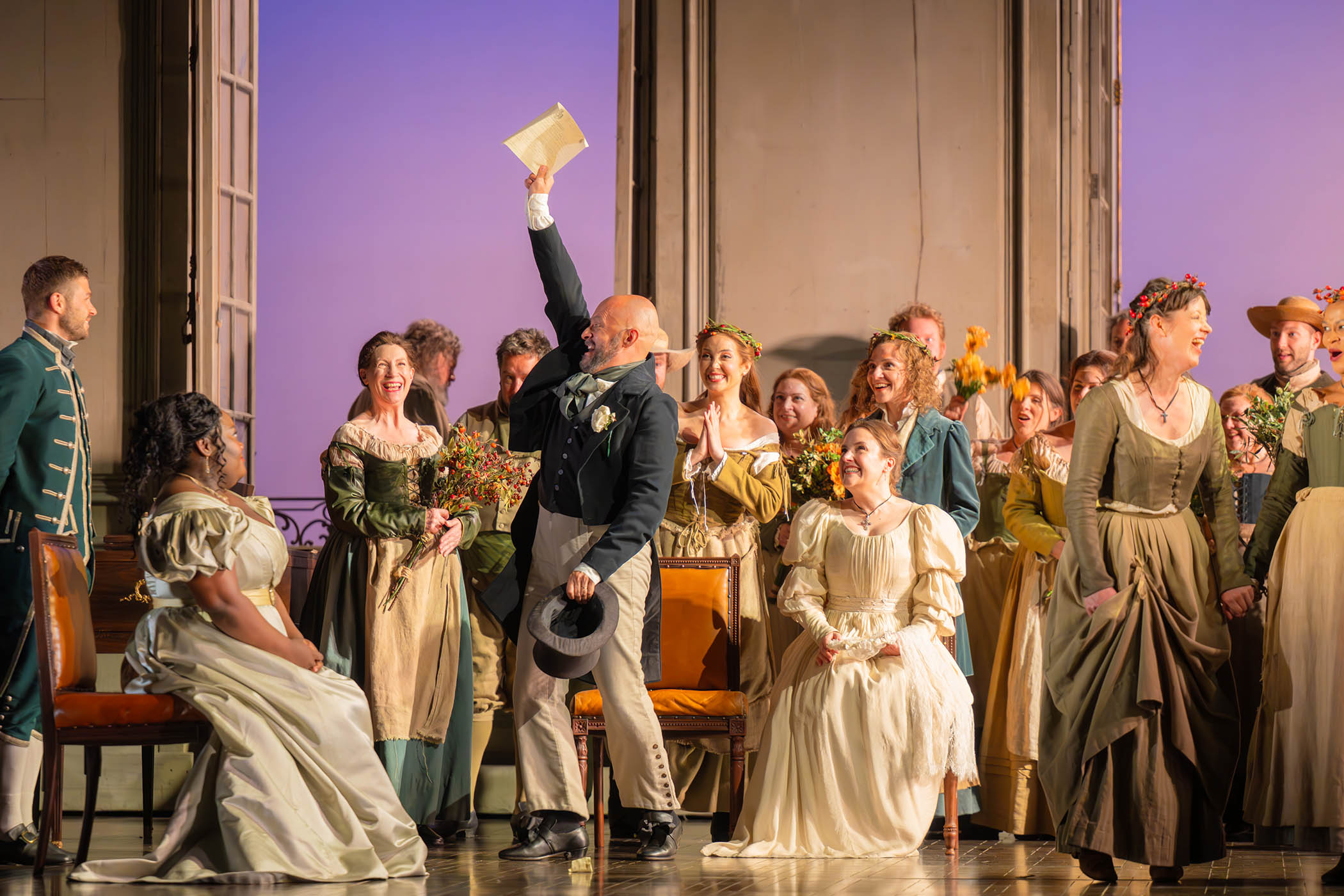
Or catch one of the four remaining performances in the short run of Ariodante (1734), the latest in the Royal Opera’s Handel series. The three-act work written for Covent Garden, studded with magnificent arias, may well count as his best. With the pairing of the Canadian mezzo-soprano Emily D’Angelo and American soprano Jacquelyn Stucker, respectively playing the lovers Ariodante and Ginevra, this new staging honours Handel’s genius with world-class singing.
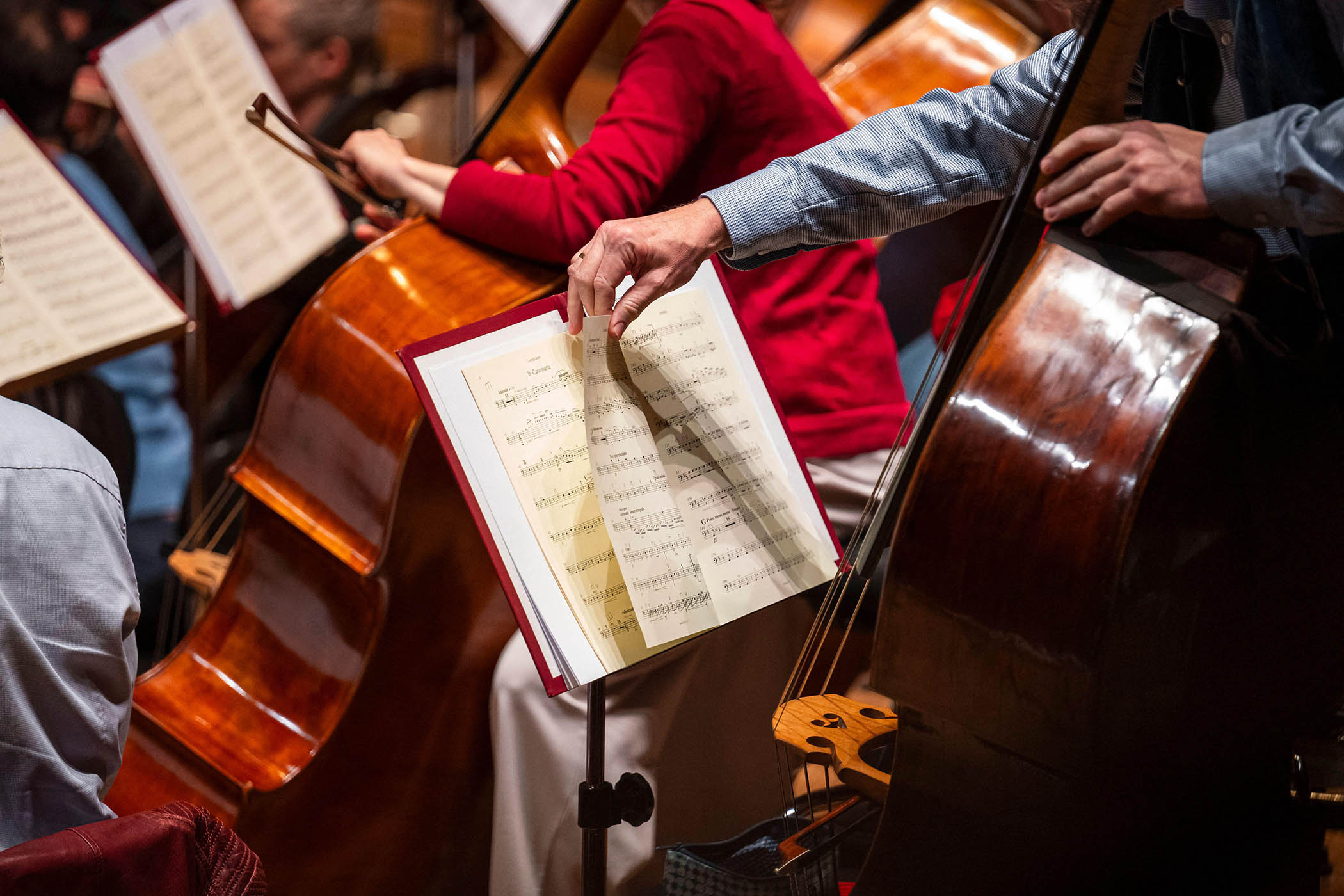
Speed can never be the point. But when runs and ornaments are detonated with the gleam and velocity of, especially, D’Angelo or the French countertenor Christophe Dumaux (a house debut, as the treacherous Polinesso), you sense the audience gripped, motionless, in awe. The Royal Opera orchestra, conducted by Stefano Montanari (who is also a baroque violinist), is inventive, spry, nuanced. Ariodante’s star aria, Scherza infida!, relies on orchestral colour to chart the anguish scorched into each throbbing bar: the players, bassoon and strings tugging the harmonies forward and back, excelled.
In her Royal Opera debut, the Dutch director Jetske Mijnssen – following her insightful Parsifal at Glyndebourne – has updated the action, thoughtfully but fussily, to a glamorous present: in Etienne Pluss’s designs, beautiful young royals inhabit a chic, well-staffed neoclassical palace. You can hardly move for enfilades. The story has been reworked: the attendant Dalinda (an engaging Elena Villalón) is now Ginevra’s sister; the ailing King of Scotland seems to be related to another sick royal, Wagner’s Amfortas, with his mysterious wound. Four hours is a long evening in the theatre. Oddly, it was over all too soon.
Last Days is at Linbury theatre, Royal Opera House, London, until 3 January
Ariodante is at Royal Opera House, until 21 December
Photographs by Marc Brenner/Lola Mansell
Newsletters
Choose the newsletters you want to receive
View more
For information about how The Observer protects your data, read our Privacy Policy