


In 1793 the London Smallpox Hospital opened on a plot of land north of what is now King’s Cross station – a site chosen because, being just outside what was then the edge of town, it seemed the safest place to treat a scary disease that made sufferers poorly. Today it is becoming the location of choice in Britain for something else that is poorly understood and scary to some: artificial intelligence.
On Thursday the American AI giant Anthropic unveiled plans to locate a large office in what is known as London’s Knowledge Quarter. The area is also home to offices of other leading AI companies, including Google DeepMind, Meta and OpenAI, and those of a bunch of smaller firms.
Anthropic reportedly made up its mind to go ahead with an office space for up to 800 people after falling out with the Pentagon over how its AI was being used – a dispute now in the courts as Anthropic challenges the US government’s designation of it as a supply-chain risk. The UK government is not expected to do the same.
This cluster of tech companies at King’s Cross has evolved naturally rather than as a result of government policy. After DeepMind moved there in 2020, other firms followed, out of a desire for proximity to their peers. There is also proximity to world-class universities and research centres, and a fast rail connection to Paris and beyond.
The government this week launched what it sees as a key part of its strategy to make the country an “AI superpower”: a £500m sovereign AI fund to invest in early-stage British AI companies. How much difference this will make is debatable, as nowadays there is plenty of funding in the UK for tech startups: they raised $7.8bn (£6.3bn) in venture capital during Q1 2026, marking a 60% increase year on year.
The real shortage is of later-stage scale-up capital. For instance, according to DeepMind cofounder Demis Hassabis, the firm sold to Google sooner than he would have wished as it was the only way to get the large amounts of money it needed to grow to its full potential. Meanwhile, OpenAI’s decision earlier this month to “pause” building a planned data centre because conditions were not right hints at a bigger worry about the government’s strategy: the cripplingly high cost of energy.
In a blogpost this week, the venture capitalist Saul Klein, whose firm Phoenix Court is located in the Knowledge Quarter, warned that the government was in danger of jeopardising what could be a golden era of technology for the UK by prioritising the short-term demands of the City over the long-term financing needs of industry.
This would be the third such time in a century, he noted, after Churchill’s return to the gold standard in 1925 caused Britain to lose promising opportunities in innovations such as cars, electrification, radio, chemical engineering and mass consumer manufacturing. Then Margaret Thatcher’s “big bang” shifted the focus of the City abroad instead of on funding the growth of British semiconductor, telecoms, PC, software and biotech firms. The good news, Klein added, was that it was not too late to avoid repeating those costly mistakes by putting in place new policies to support the hundreds of British startups that were ready to ride the latest wave of tech disruption.
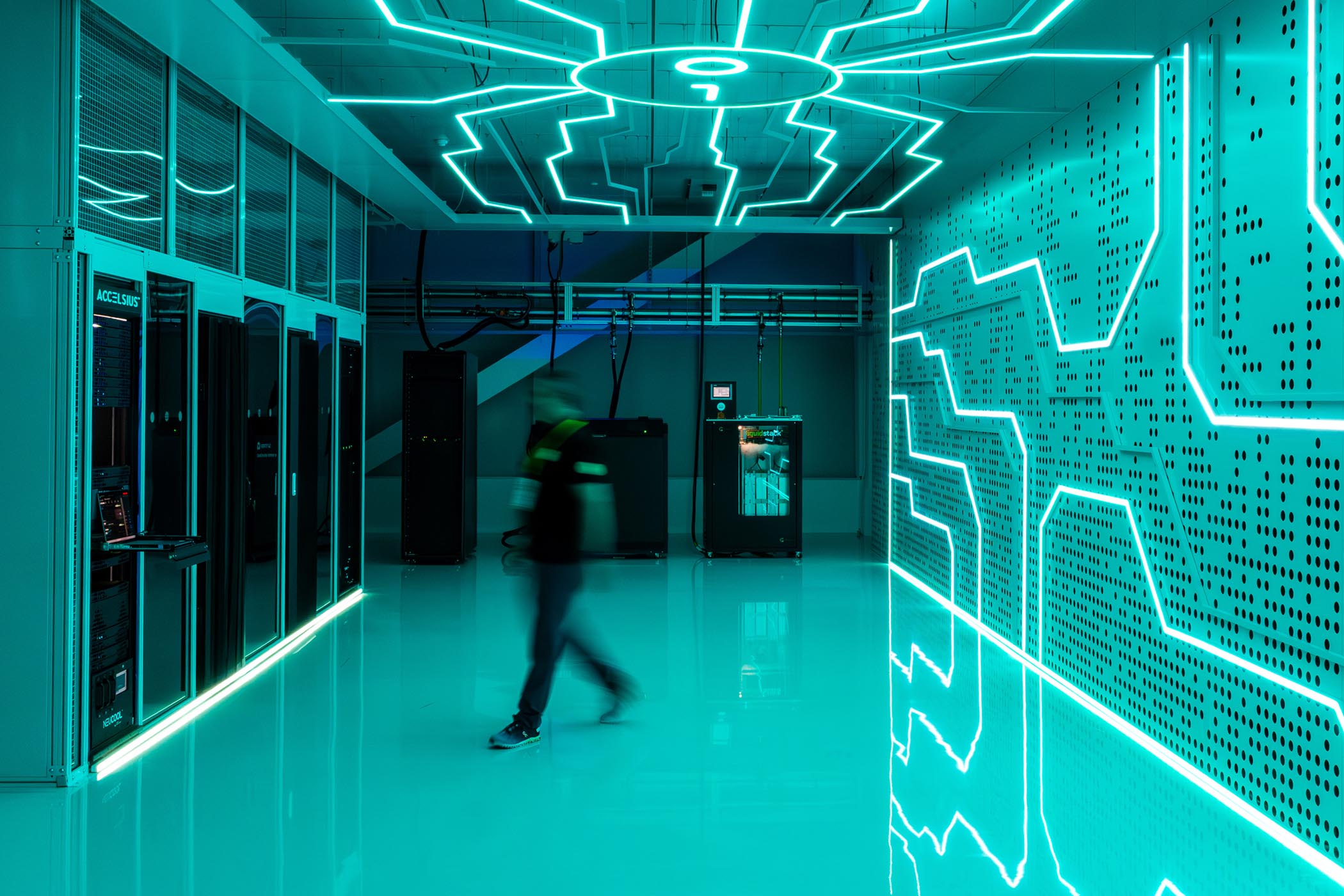
Photograph by Mike Kemp/Getty
Newsletters
Choose the newsletters you want to receive
View more
For information about how The Observer protects your data, read our Privacy Policy