

The clearest winner from last week’s panic over a possible future “global intelligence crisis” is Substack, the user-generated blogging platform that has now proved it can move markets, and Citrini Research, which posted the influential article of that title that sent share prices tumbling on Monday.
Ironically, while Citrini is now winning lots of new clients, it could have prospered even more had it believed there was financial value in its gloomy scenario, a dark job-destruction fantasy based on the possible rise of an agentic economy dominated by AI-powered bots.
But its own share portfolio reflects underlying bullishness about AI and the firm gave its thinking away for nothing. “If I’d thought stocks were going to move on this, I wouldn’t have made it free,” said James van Geelen, Citrini’s founder. A subsequent report by investment giant Citadel Securities effectively debunked key elements of Citrini’s doomsday scenario and made a persuasive case for AI being positive for the markets, economy and jobs.
Yet the panic revealed how anxious many have become about the extent to which the stock market is now a giant bet on AI, and how widespread is the belief that, if AI does eventually generate higher profits, it will be by destroying jobs and driving up unemployment.
Though essentially a work of sci-fi rather than deep research, the Citrini report may leave a significant legacy by framing the fears around AI so well. Its term “ghost GDP” deserves to be widely used as a descriptor of a world in which economic output rises but the public feels no better off. As for its prediction that 2028 will inspire activists to occupy Silicon Valley, growing public concern over the potentially harmful effects of AI may inspire a protest movement sooner than that.
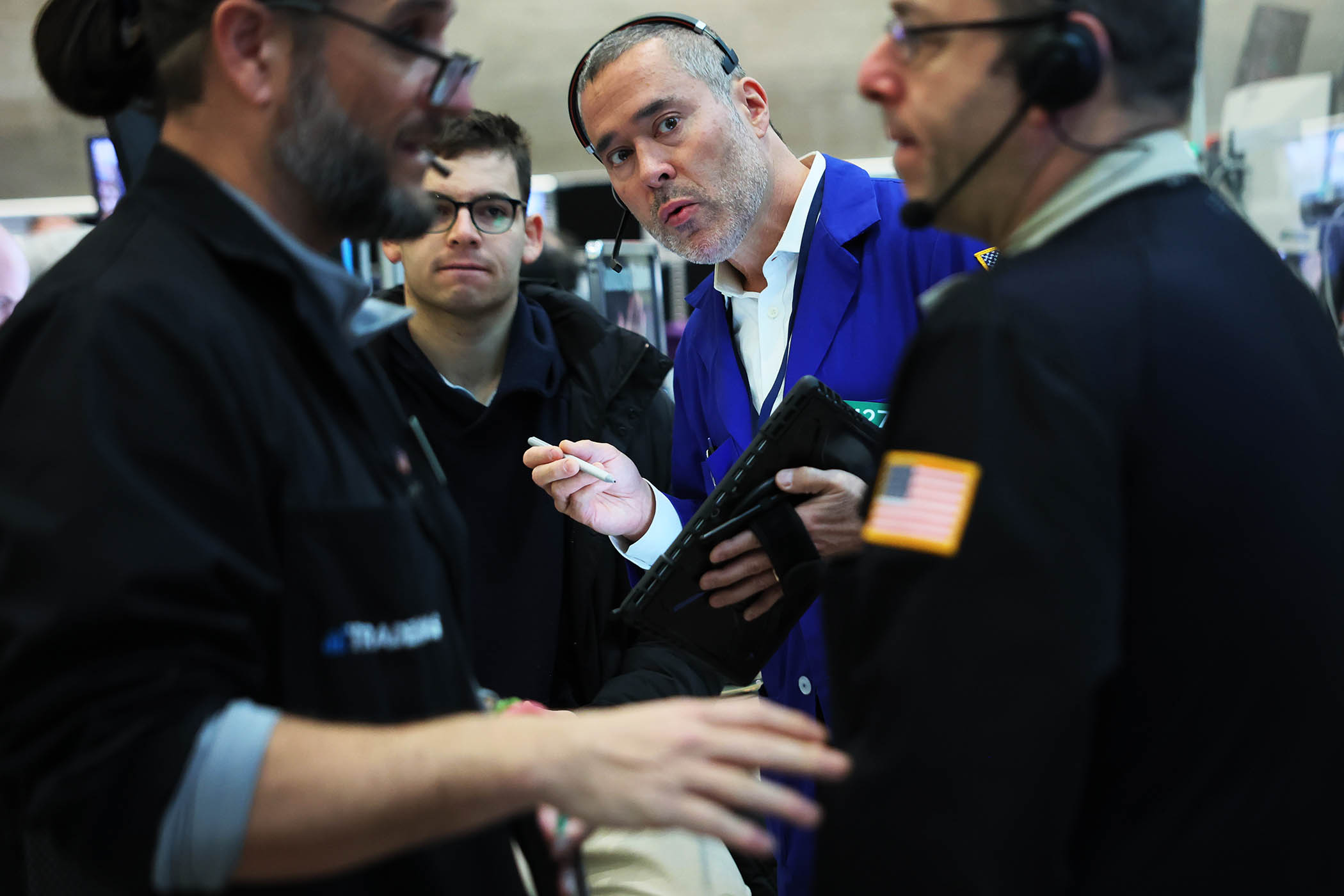
Photograph by Michael M. Santiago/Getty Images
Newsletters
Choose the newsletters you want to receive
View more
For information about how The Observer protects your data, read our Privacy Policy