


This article first appeared as part of the Boardroom Sensemaker newsletter – the Observer’s weekly newsletter for the board chairs, directors and executives in charge of Britain’s biggest businesses. To receive it in your inbox, featuring content exclusive to the newsletter, sign up here.
Two years ago gambling company Flutter and AI chip manufacturer ARM were ringleaders among an exodus of companies choosing to list shares primarily in New York instead of London. Today both companies report results.
So what? The fortunes of emigrants have always differed. But for these two companies, they are stark:
•
ARM’s valuation is up roughly 300% from its public offering in 2023.
•
Flutter’s is nearly 50% below its listing price on the NYSE in 2024.
Mind the valuation gap. The question of how investors price a company’s value has more to do with the “what” than the “where”. ARM’s proficiency in semiconductor chip design and inclusion in the Nasdaq allowed it to ride the AI wave (even if that now looks frothy). By contrast, Flutter’s online sports betting products are facing fierce competition from the rise of prediction markets in the US.
Duelling. Flutter fell short of revenue targets last year while its major sports betting rival, DraftKings, also posted disappointing results. Despite owning roughly 35% of the US online betting market, Flutter’s gaming platform FanDuel has been slow to muscle into thriving prediction markets where people bet on the outcome of future events, and it accounts for less than 2% of the trading volume of market leader Kalshi.
Perhaps because 67% of profits go to just 0.1% of accounts, the biggest prediction platforms face increased regulatory scrutiny. But analysts still express concern that the challenge these pose to Flutter is structural; the offer to bet on anything.
New York regrets? In early 2024, a shift closer to the US’s untapped markets looked sensible for Flutter. The UK government has also recently levied more tax on the gambling industry. But does the US premium still exist?
“Flutter was a bit of a listing tourist anyway – it hopped from Dublin to the UK, and now Dublin to the US. London to the US certainly has not played out [well],” says Russ Mould at AJ Bell. “The environment that has played so well to US strengths - technology, secular growth, long duration assets, low growth, low inflation, low interest rates – well, it’s gone now, isn’t it? We’re in a more volatile world.”
Snags. The lure of America’s deep capital pools is still tempting, especially for a tech company. But firms should beware the hidden traps, including
•
Small-cap obscurity. A £10bn company on the London Stock Exchange is a large-cap with guaranteed analyst coverage. Not so on the NYSE or Nasdaq.
•
Index inclusion. It’s not automatic, and if a company is not exposed to the passive investment pouring into big indices that’s a loss.
•
Compliance. Exposure to class action lawsuits, SEC disclosure obligations, and quarterly earnings discipline are all potential headaches for multinationals like Flutter.
London calling? Research last year by thinktank New Financial and HSBC Global Research found that
•
130 companies from Europe, worth a combined $676 billion, moved their primary listing to the US between 2015 to 2024; and
•
70% are trading below their listing price with an overall average performance of -9% since then on a non-weighted basis (ARM is the exception, not the norm).
Disruption from the war in Iran has forced delays to several London IPOs planned for the first half of this year, including RAC, Loveholidays and software group Visma. But many in the City are nevertheless optimistic about a rebound.
“The UK listings pipeline remains robust and our advice to prospective issuers is unchanged: continue progressing your IPO readiness so you can move quickly once windows open,” says Scott McCubbin at EY-Parthenon.
What’s more… The biggest threat to London listings may not be New York. New Financial found that over the past decade, more than 1,000 European listed companies worth a combined $1 trillion were taken private by buyout firms, dwarfing the value lost to US exchanges.
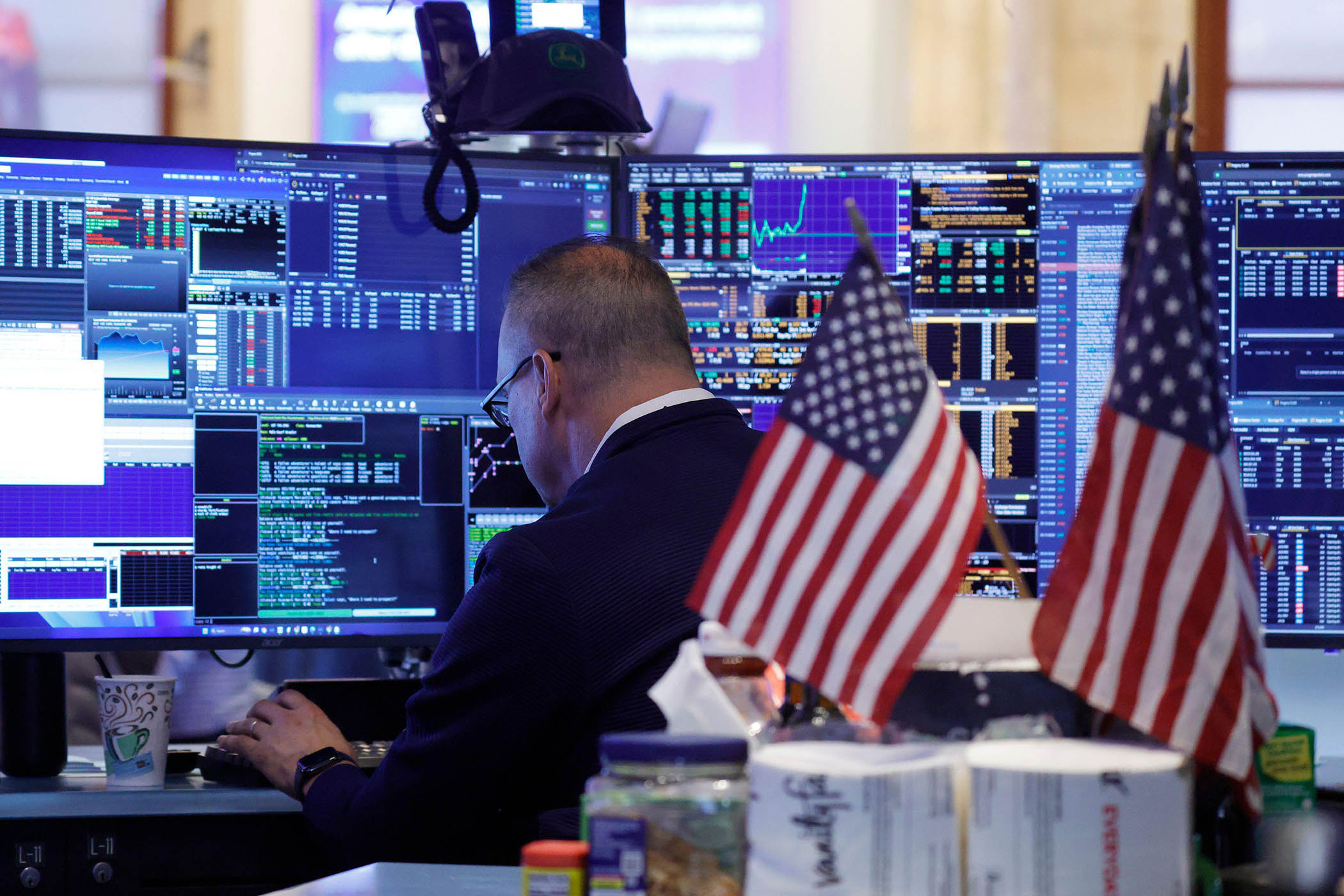
Photograph by Alamy
Newsletters
Choose the newsletters you want to receive
View more
For information about how The Observer protects your data, read our Privacy Policy