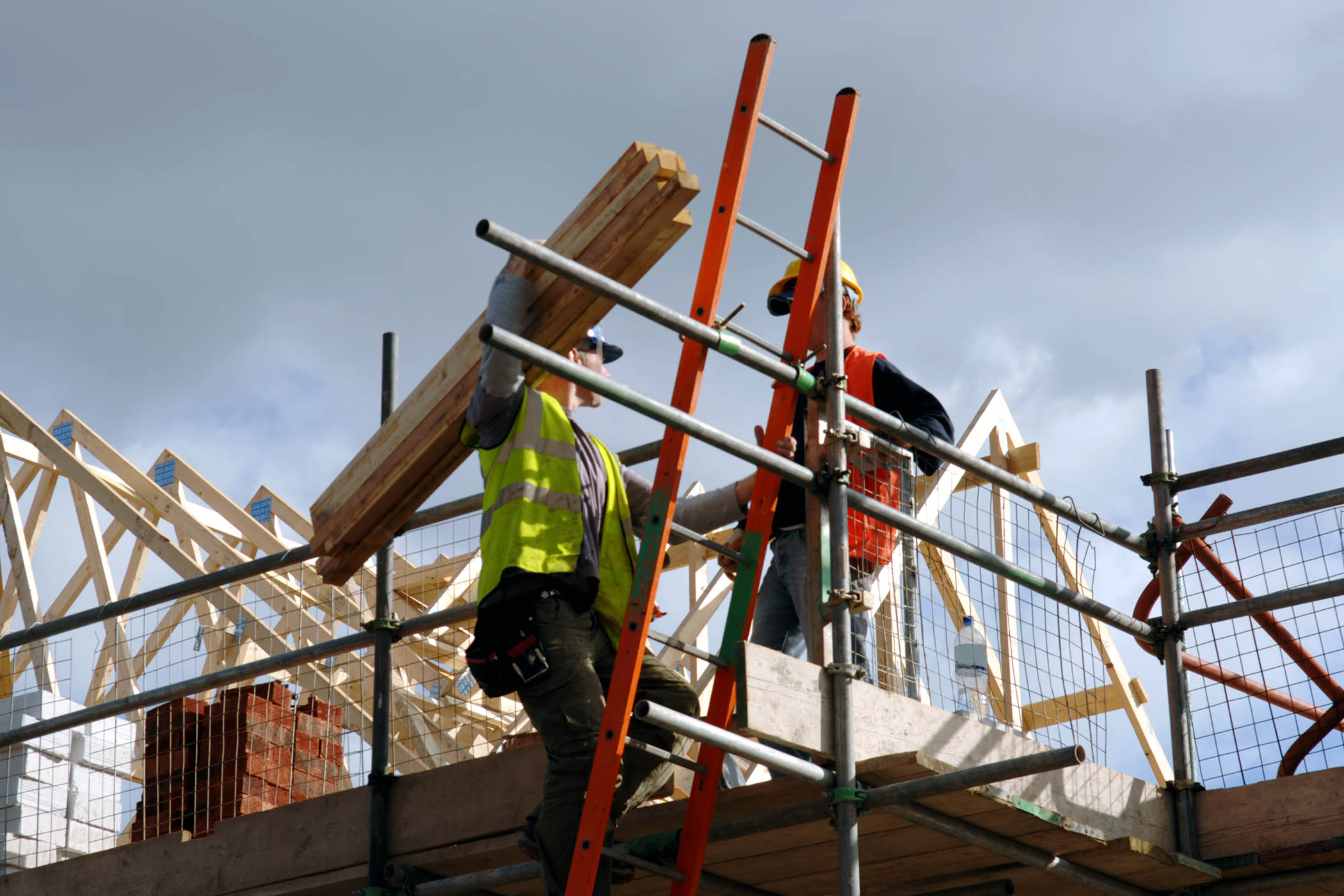


As Labour celebrated its election victory in July 2024, shares in UK housebuilders jumped on the back of the party’s promises to build 1.5m new homes.
Two years on, shares in many of the same housebuilders have fallen to lows not seen since the aftermath of the financial crisis, after a round of quarterly trading updates showed the extent of the Iran war’s impact on the sector.
On Wednesday, shares in Taylor Wimpey, which was demoted from the FTSE 100 last September, closed at their lowest since 2013, after a trading statement showed house prices in the south of England had “softened”.
Other housebuilders had given similarly pessimistic updates earlier in April: Berkeley Group and Barratt Redrow both said they were cutting back on land buying, while Crest Nicholson said it was in talks with creditors over temporary relaxation of its covenants.
Figures due to be published in the coming weeks by a major industry trade association will show how a raft of new legislation introduced over the past five years has added thousands of pounds to the cost of each new home – and made it unusually vulnerable to economic shocks.
The report, by the Home Builders Federation (HBF), will show that the cost of building a house has risen by more than £70,000, or 20% of the average sale price of a new home, over the past five years.
While the increased cost of materials comprises around £40,000 of that sum, legislations introduced since 2021 have increased it even further. These include the building safety levy, which added £2,500 to the cost of building a new home; the Future Homes Standard, which added £10,000; and increases to the landfill tax, which added another £2,000.
Other building regulation changes, such as requirements for car charging points and changes to water efficiency, have added another £8,000, while changes to national insurance and corporation tax have added £2,000.
Steve Turner, executive director at the HBF, said this raft of new legislation had left the sector financially exposed. “The layering on of new taxes and policy costs over recent years have left many areas simply unviable to develop and with no capacity to absorb additional economic shocks that may come from events such as the Iran war.”
“There was a three-month period after the budget [in October], when everyone thought that things were a little bit clearer and sales started to tick up again,” said a senior source at a major UK housebuilder, who asked not to be named so they could be candid. “That was hammered off course by Iran.”
Newsletters
Choose the newsletters you want to receive
View more
For information about how The Observer protects your data, read our Privacy Policy
“When things are going well, you can handle some of these things, but you can't handle this huge list in a steadily worsening economic environment,” they said. “That’s just too much.”
Lukas Makovsky, a lecturer in real estate at the University of Reading, said that because developers work under long time-frames, sudden changes in policy can be particularly difficult to plan for. “For a project to be viable, developers need some predictability of what the regulatory environment is. When this suddenly changes, it causes substantial problems.”
“Housebuilders are only going to build houses if someone can buy them,” said Anthony Codling, a real estate analyst at Royal Bank of Canada. Rising interest rates off the back of the Iran war will reduce affordability.”
The government has said it wants 1.5m new homes built before the end of the parliament – so far, just over 200,000 have been built. “If nothing drastic changes… we're going to bumble along at the same volumes,” added Codling.
Photographs by Dave Bolton/Getty Images